

BLOG
Stories, articles, and updates from the Ranch community.
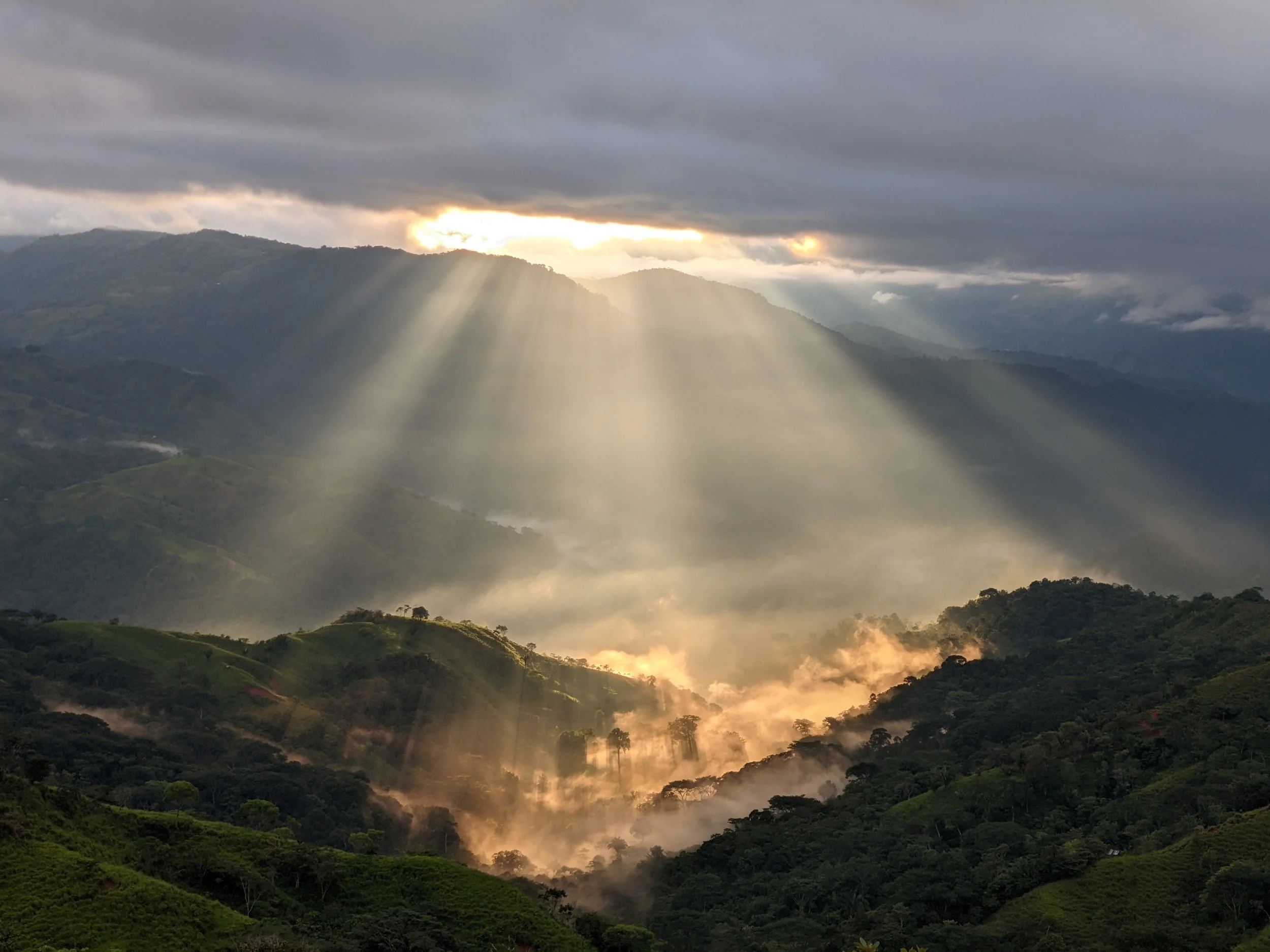
A Collection of Songs from a Wandering Misfit
If one just stops for a moment, some of the myriad interwoven patterns of the natural world begin to make themselves known, and new ideas can start unfolding.
By apprentice Leo Dib
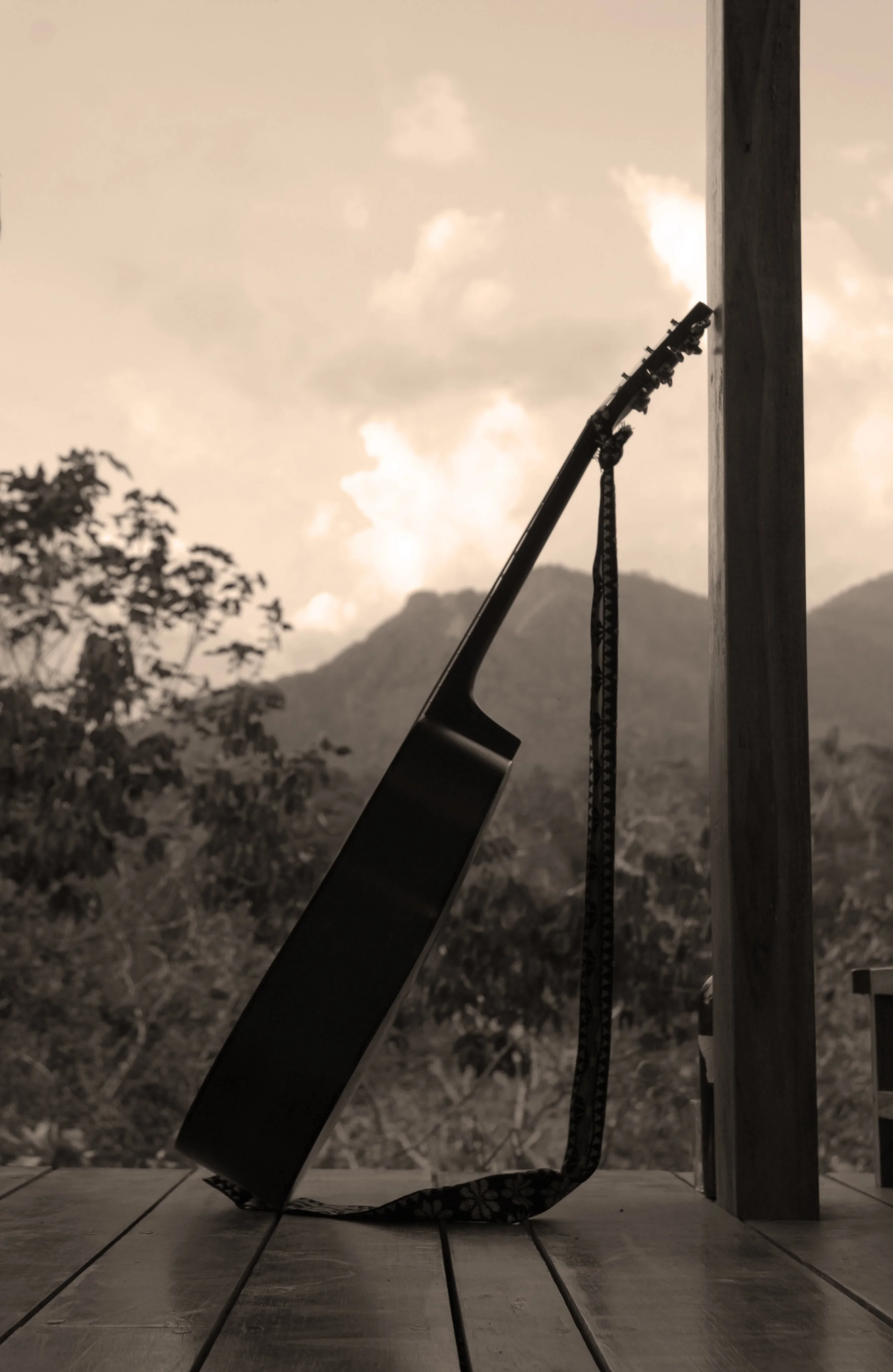
I sit here in rural Costa Rica, in a regenerative living educational center with all my basic needs met, surrounded by beauty and harvesting fresh fruit from the abundant agroforestry spaces that we get to reap the sweet nectar from.
Thanks to the many hands that have had a hand in bringing this place to life—after having been scarred by the products of Costa Rica's bovine and agro-industry—we now have a haven for wildlife and all manner of plant species, as well as an educational center for those seeking to develop more skills pertaining to the regeneration of the biosphere through permaculture, homesteading, natural building, agroforestry, and, importantly, interpersonal dynamics and all the joys and tests that are inherent to them.
If one just stops for a moment, some of the myriad interwoven patterns of the natural world begin to make themselves known, and new ideas can start unfolding.
It's interesting to see the different perspectives we each bring to the fold.
Over the past couple of weeks, I've been tasked with writing a blog pertaining to a subject that I hold dear or simply feel drawn to explore.
The interesting thing is, though I would describe myself as a curious person, for some reason, nothing I've written about seems to have stuck as meaningful or been able to translate an inkling of my experience—except perhaps the songs I've been working on.
It's interesting how my mind has been affected by being here, but the way it makes itself known maybe isn't very straightforward as of now.
So what I have is somewhat unorthodox, perhaps ill-suited to the task at hand, but also honest.
Every place has its music, and this place has inspired me to write these three songs, which I am sharing here.
Perhaps someone, someday, will find their own melodies to move these words.
And if not, I will have deeply enjoyed them during my time here.
Thanks to the living beings and elements that have moved me to put pen to paper and put voice to song.
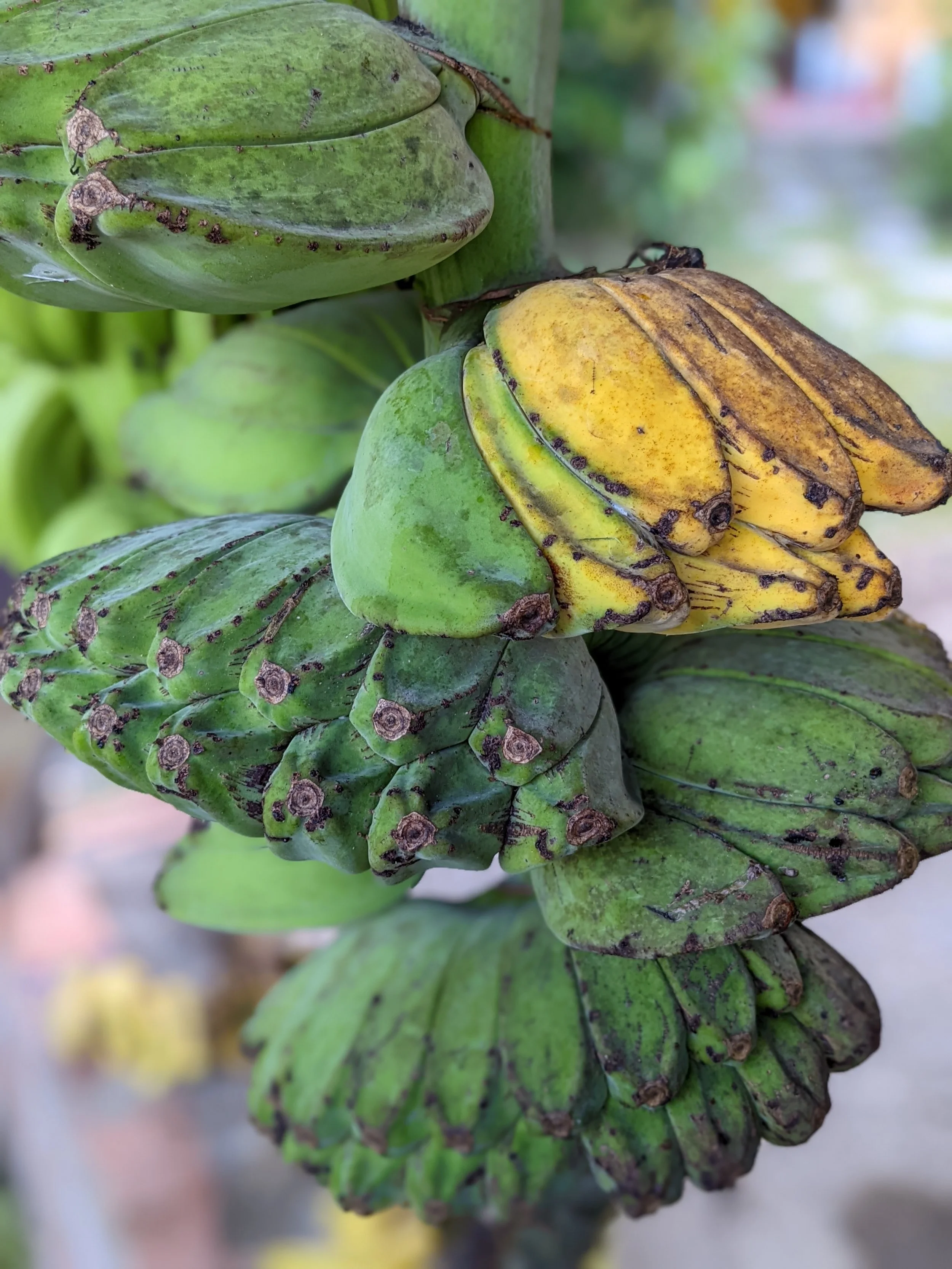
The Fruit
Verse
There's a fruit, over in the tree
I outstretch my hand, reach out and grab it
Now the fear's gonna bring me down, down, down
Chorus
Calling to the river man,
Can you see where I stand
Out on that reach,
Where the ocean meets the sand?
And in the night I lie in wait,
For the dawn to sing her song,
To sing along,
To sing a song at dawn.
Verse
Memories of the fall,
I don't even know this place.
Live to see another day,
Now the sun is on the way.
And the shadows on the wall,
Let the light down in the cave.
Midnight on the horizon,
There's a fire in the cave.
I see a change is on the way,
I can see it clear as day.
I think we got our signals crossed,
Got a little lost, but that's okay.
Chorus
Calling to the river man,
Can you see where I stand
Out on that reach,
Where the ocean meets the sand?
And in the night I lie in wait,
For the dawn to sing her song,
To sing along,
To sing a song at dawn.
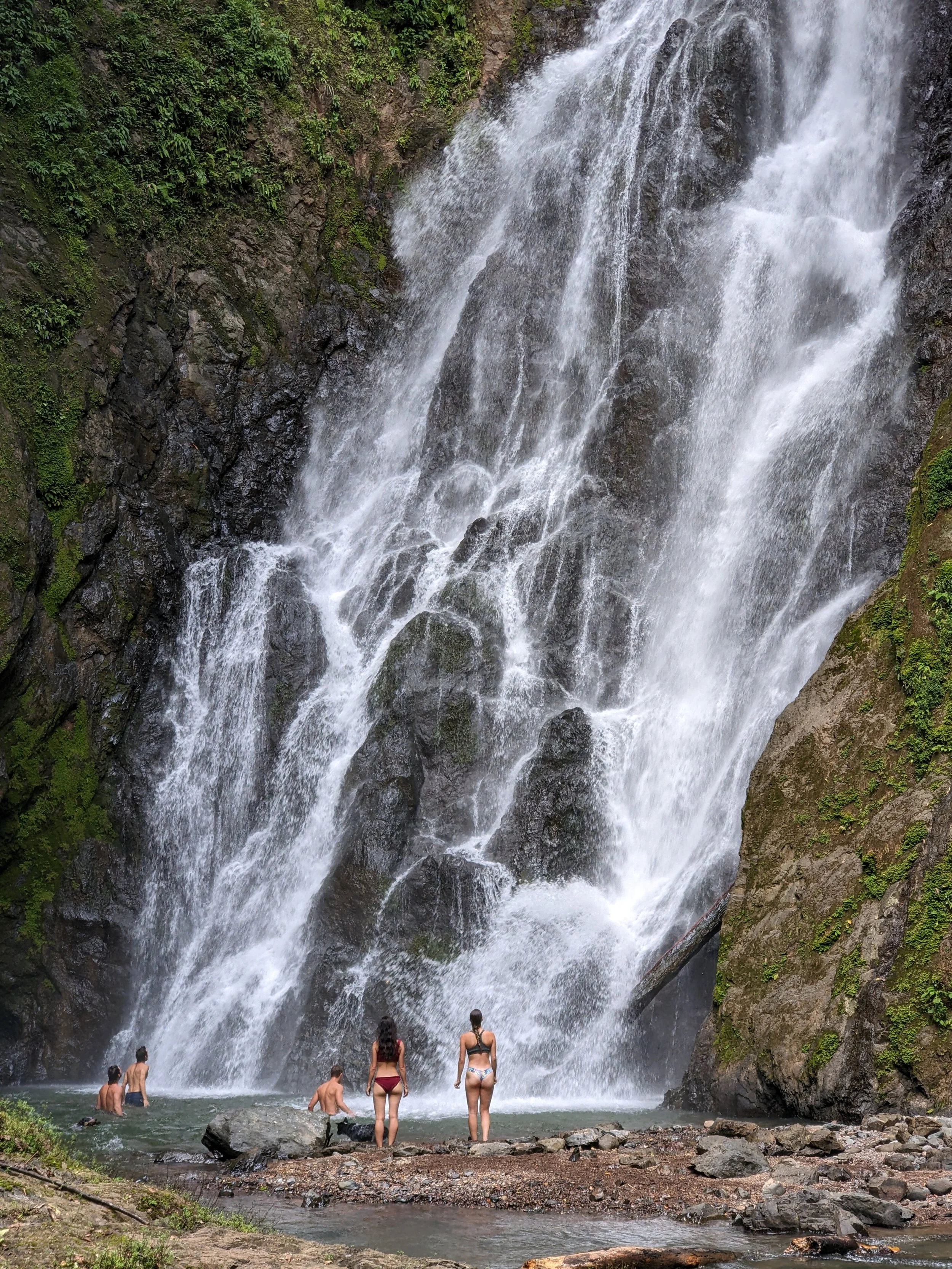
The River
Verse 1
Down in the river I see you,
Come when you call my name.
Smile when I see your wings grow,
Nothing's gonna be the same.
Verse 2
Why did the bird come see you?
What do you think he said?
Something 'bout the changing seasons,
Nothing ever stays the same.
Chorus
Broken, you see, but the song is sung.
Tired, you know, my time has come.
There's fire in the dream and the wave has come.
World on the move, the old one's done.
World on the move, the new one's come.
Verse 3
Don't you ever stop to wonder,
Where do the waters go?
Something 'bout the breath down yonder,
Nothing ever stays the same.
Verse 4
I heard of a world of thunder,
A world that grows deep below.
How does the sun shine down there?
Nothing really seems the same.
Chorus
Broken, you see, but the song is sung.
Tired, you know, my time has come.
There's fire in the dream and the wave has come.
World on the move, the old one's done.
World on the move, the new one's come.
Verse 5
Why did the bird come see you?
What do you think he said?
Something 'bout the changing seasons,
Nothing ever stays the same.
Out Beyond the Sun
Verse 1
Oh, darlin', you called,
Said you needed love,
And I said, "Go take a walk."
Probably should've listened.
Probably should've shut my mouth.
Chorus 1
Down by the water where the creek runs heavy,
Down in the meadow where the creek runs low.
Verse 2
Wish I could write you a song,
Wish I had a golden tongue.
But my words, they came out wrong.
Forgive me, I'm just riffing.
Thought I could make you strong.
Chorus 1
Down by the water where the creek runs heavy,
Down in the meadow where the creek runs low.
Chorus 2
Thank you for your time,
Please come again.
Let me walk out on the trail.
I'll find you in the space out beyond the sun.
Let me walk alone.
Let me walk alone.
Let me walk alone just for a while.
Find me when the call for home has come.

Universal Language: Stories as an Apprentice at Rancho Mastatal
There is something I like to call universal language — a way of connecting that goes beyond words, grammar rules, or Google Translate. It’s the kind of language that lives in gestures, in shared experiences, in energy.
By 2025 apprentice Aquino
It’s been three months now since I started living as an apprentice at Rancho Mastatal, a remote sustainability education center tucked away in the jungle of Costa Rica.
I was born and raised in Belgium, so Dutch (or Flemish) is my mother tongue. I speak English as a second language — good enough to get around, but still feeling limited sometimes, especially after calling home or when my girlfriend came to visit and we naturally fell back into Dutch. It reminded me how words in your native language can feel like a warm blanket — comfortable, familiar, effortless.
But here at the Ranch, I’ve started to feel at home in a different way. My fellow apprentices and the core team are becoming like family. Walking through the tiny center of Mastatal, I now recognize familiar faces. I’m starting to joke around with the local Tico crew — despite my far-from-fluent Spanish.
And that’s where I realized: language is not just about words.
“There is something I like to call universal language — a way of connecting that goes beyond words, grammar rules, or Google Translate. It’s the kind of language that lives in gestures, in shared experiences, in energy.”

Love — My Favorite Universal Language
It all starts with love. Or at least, with kindness and an open heart.
The other day we wrote a little birthday card for Lorena, one of Rancho’s beloved cooks. Even though my Spanish vocabulary is still embarrassingly limited, a handwritten card or a genuine smile crosses all language barriers. Small gestures like that create a safe and open space where people feel seen. And where connection can start to grow — even without a shared language.

Sports — The Great Icebreaker
And then, of course, there’s football. In Mastatal (like in the rest of Costa Rica... and let’s be honest, the rest of the world), football is the universal language.
Playing a game at the local field is probably the best way to connect with the local youth. No need for complicated sentences — just pass the ball, make a good run, celebrate a goal. That’s enough to make your first Tico friends.
Personally, ultimate frisbee was another icebreaker for me here at the Ranch. Throwing a disc around with the core team during my first weeks felt way easier than small talk in broken Spanish or shy English. And later on, during workshops, playing a game or two was often my favorite way to connect with visitors — without draining my social battery (I’m speaking for myself here).
Stacking Functions — The Ping Pong Table
Speaking of games — let me tell you about our ping pong table.
In permaculture, there’s a principle called stacking functions. It basically means: if you design a system (or an object), make sure it serves more than one purpose. Think of a chicken — it lays eggs, eats food scraps, provides fertilizer, and keeps your compost aerated. Multi-functional genius.
Well, our ping pong table in the Foodsmithy is a beautiful example of that principle.
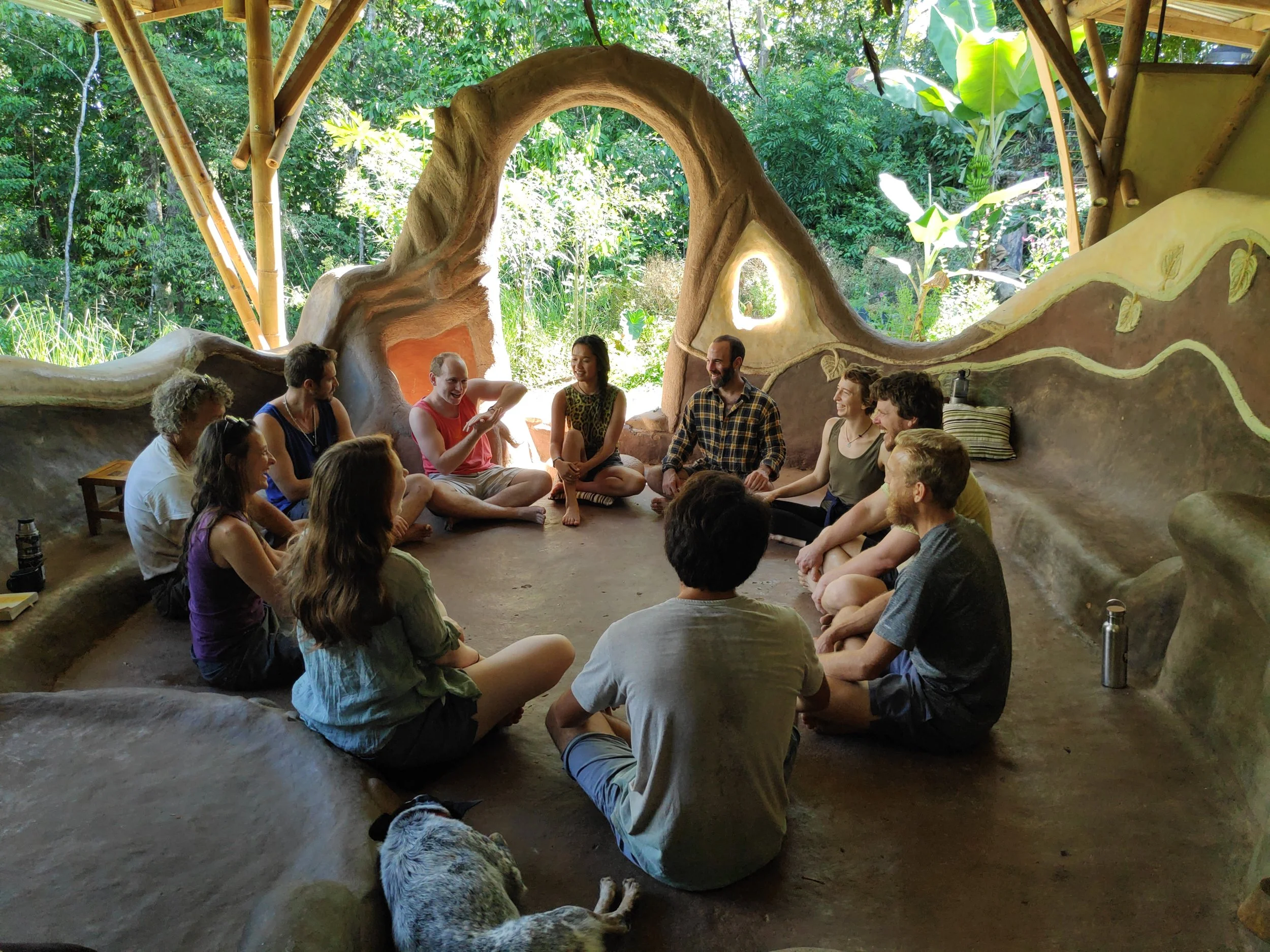
By day, it’s a working surface for preparing food. But remove the cutting boards and veggies, and suddenly it becomes a place for play, laughter, and a healthy dose of competition. It’s a space where strangers become teammates (or rivals), where jokes are exchanged without needing words, where connection happens through movement and fun.
That’s stacking functions. It’s not just a table. It’s a kitchen counter, a game arena, a meeting place, a (universal) language lesson, and sometimes even a little therapy session.

Food — Connection on a Plate
Cooking together is another universal language I’ve come to appreciate deeply here.
My girlfriend Mari visited me at the Ranch for a while. As an outsider entering a tight-knit community, it wasn’t always easy for her to integrate. But the kitchen — a place where she finds confidence — that’s where she found her way in.
Peeling and shredding yuca together. Making gnocchi from scratch. Laughing, observing and interacting over attempts. Sitting down at a shared table to enjoy the fruits of your labor. Food has this magical way of creating connection — without needing many words.
In fact, on weekends we have kitchen shifts with the Tico team, which is basically the perfect Spanish classroom. What better way to learn a language than while chopping onions and asking for "más sal o no?”
So What Is Universal Language?
For me, universal language is about the human ways we connect — beyond cultural differences or spoken words. It’s about finding shared joy, shared struggles, and shared passions.
Some examples?
* Music — Feeling the same rhythm, dancing to the same beat.
* Body Language — A smile, a handshake, eye contact.
* Art & Symbols — Recognizing shared patterns and stories in creative expression.
* Mathematics & Science — The logic of numbers, true everywhere.
* Spirituality — The language of inner worlds and shared rituals.
* Food — Chopping, cooking, tasting, sharing.
And probably many more.
What they all have in common is this: behind every language lives a culture. And within every culture, there are patterns of connection waiting to be found. Universal language is the exercise of finding those patterns — and tying them together with joy, curiosity, and presence.



Final Thoughts
It makes me wonder sometimes: in a utopian future where everyone speaks the same language (like the constructed language Esperanto once dreamed of), would we lose this beautiful exercise of connecting beyond words?
Maybe. Maybe not.
Because even then, there will always be a smile, a game of football, and a table to share food around. And as long as there’s diversity in culture, there will be universal language.


Disconnecting to Reconnect: The Effects of Not Having Constant Internet Access
The physical separation of internet access from our daily living and work spaces significantly shifts the way we engage with technology.
By 2025 apprentice Brendan
One of the most profound lessons I’ve learned from living at Rancho Mastatal as an apprentice is just how out of balance my relationship with technology has been. I can only speak from my own experience, but this realization seems to be a common theme among those who spend time at the ranch. The physical separation of internet access from our daily living and work spaces significantly shifts the way we engage with technology.

Technology and Internet Access in Modern SocietY
In almost every modern city or suburb, 24/7 internet access isn’t just available, but it’s expected. It’s seen as a basic necessity, woven into nearly every part of daily life. To be fair, constant connection is essential for many people, especially for work, safety, and communication. It’s also an incredible tool when used intentionally, but I believe there’s a lot to be gained by taking a step back and re-evaluating our relationship with it.
Technology and Internet in MastataL
In the small town of Mastatal, Costa Rica, the fastest connection you’ll find without a Starlink setup is 3G and that is spotty all across town. On the ranch, there is pretty much no service anywhere on the property. The only place with reliable high-speed internet is the local Internet café, powered by Starlink.
At first, this felt like a major adjustment, but now I see it as a privilege. The extra effort it takes to get online has completely reshaped how I use the internet. Instead of mindlessly reaching for my phone, I have to be intentional and ask myself “Why am I going online? What do I actually need to do?” That mental shift has reframed the internet from something that constantly pulls at my attention, back to a powerful tool when used consciously.
The Effects on People and Community
This disconnection from constant access has a deeply positive impact on how people interact. In communal spaces, it’s incredibly rare and refreshing to see people gather without anyone distracted by their phones. Conversations flow more freely and everyone feels more present. It creates a sense of connection that feels increasingly rare in our world.
I feel incredibly grateful to have experienced and contributed to a space like this. It reminds me how much we benefit from environments that foster real, undistracted human connection. I think creating and protecting spaces like this is something we could all benefit from.


Permaculture Entrepreneurship: Navigating the Path from Student to Professional
After completing a Permaculture Design Course (PDC), natural building workshop, or any other educational opportunities at a place like Rancho Mastatal, many students find themselves wondering how to turn their newfound knowledge and passion into a career. This transition from student to professional is a common challenge in the permaculture world.
By Jason Thomas
The voice behind the podcast Regeneration Nation Costa Rica
After completing a Permaculture Design Course (PDC), natural building workshop, or any other educational opportunities at a place like Rancho Mastatal, many students find themselves wondering how to turn their newfound knowledge and passion into a career. This transition from student to professional is a common challenge in the permaculture world.
It’s not surprising, considering that most standard education programs don’t teach entrepreneurship, and new students of the trade often feel like they lack sufficient experience to charge for their services.

Common Challenges Faced by Permaculture and Alternative Solutions Students
I’ve interviewed dozens of permaculture professionals and students wishing to make their mark, and I’ve found some common hurdles that seem to hold people back.
Some of those obstacles include:
Lack of business education and experience
Little understanding of how to monetize their skills
Imposter syndrome
Limited support network
Balancing ideals with practicality
Many potential clients don’t know what permaculture or these sustainable solutions are, and many regenerative entrepreneurs don’t understand how their ideal clients are thinking about their needs from their perspective.
Insight Tool: Identify Your Hurdles
Take a moment to reflect on your own journey. What are some challenges you're currently facing in turning your ideas into a profession? Write them down and consider how they align with or differ from the common challenges mentioned above.
The Gap Between Passion and Profession:
This gap isn't unique to permaculture. Many individuals who care about helping humanity turn its trajectory around face a similar divide between academic knowledge and professional application.
In permaculture, this gap is often widened by the holistic, systems-thinking approach that doesn't always align neatly with traditional business models but does exceedingly well when harnessing traditional tactics, repurposed in a holistic system approach.
Tim O’Hara from Rancho Mastatal shared with me in one of our conversations that he felt like they were chasing their tails for several years as they tried to figure out how to make it all work. It’s a similar story for many people who embark on a project like this.
… but that’s not the only way to go about it.

In today’s age, it’s easier than ever to learn from wisdom keepers like this and model from the solutions they’ve arrived to through their mistakes. It IS NOT a wheel worth recreating. We have work to do and the faster we can get our services out to the world, the better off we’re all going to be.
The trick is not to do it so fast that you skip the foundational steps of contemplative design.
So, from a design perspective, let’s look at some solutions we can embrace to bridge this gap between passion and professional application.
Key Business Skills Needed to Bridge the GaP
Business planning:
Overcome your unclear direction and orientation to business by looking at your business idea as if it were pasture land that you are about to implement into a multi-yielding homestead.
Taking the time to design your enterprise will earn you an intimate relationship with the path ahead and the confidence to walk it.

Marketing and communication:
Conveying the value of permaculture and other sustainable solutions to potential clients can be tricky because they lack the vocabulary and point of reference for what it means, let alone how or why it provides any unique benefits to them.
In marketing and communication, describe the benefits from the prospect’s point of view.
Financial management:
Understanding budgeting, pricing, and sustainable revenue streams may not sound sexy as you’re getting started, but careful documentation will come in handy when you revisit the feedback loop and want to understand what worked well, what didn’t, and how to do it better next time.
Finances are only one part of the puzzle, but trying to skip it will leave you hanging with gaps in your picture.
Legal and administrative skills:
Navigating regulations, contracts, and business structures is another aspect that many new entrepreneurs would prefer to skip.
However, if you want to practice your trade as anything more than a hobby, you might as well start with the end in mind and get some of those things squared away as soon as they are relevant.
Networking and collaboration:
Building a supportive community and finding complementary partners is the practice that will serve all others. We are a culture of people that want to help each other. We need each other! Reach out to other regenerative activators in your area and get to know them.
I even teach people to create a database of these projects and their owners. This could prove to be your business’s most valuable asset.

Insight Tool: Skill Assessment
On a scale of 1-5 (1 being novice, 5 being expert), rate yourself on each of the key business skills mentioned. Which areas do you feel strongest in? Which areas need the most improvement?
Essential Skills and Mindsets to Adapt as a Regenerative Entrepreneur:
As you embark on your journey as an entrepreneur and business operator, you’ll want to cultivate a set of skills and mindsets that support your personal growth and business development.
The following attributes, to the degree they’re cultivated, will help you navigate challenges, recognize and embrace aligned opportunities, and cultivate the confidence to see them through. Let's explore some skills and mindsets worth developing:
Holistic Systems Thinking:
Apply the holistic approach of permaculture to your business. Understand how different aspects of your business interact and support each other. Find common problems people face in your area that have insufficient solutions and find the place where those meet your passions and skill set.
… or desired skill set.
Remember, you’re a student who likes to learn new things. Nothing can hold you back!

Insight Tool: Map Your Business Ecosystem
Sketch a simple mind map, outline, or diagram of your current or planned business idea. Include key elements such as your services, target audience, resources, and potential partners. Draw arrows to show how these elements interact and support each other.
Adaptability to Change:
Be prepared to adjust your strategies as you learn and grow. As Tim has mentioned to me, even they, after all these years, continue to develop and refine policies as they learn and grow. Their documents are regularly being edited and revised by new people with fresh perspectives.
It’s a regular, intentionally planned practice.
Patience and Persistence:
Building a successful business takes time. Rancho Mastatal, like most projects of this nature, didn’t have a huge budget to just set up shop and run massive retreats. Instead, they took a slow, iterative approach, using the resources they had on hand, which included the support of their neighbors, and slowly, persistently, grew as resources and wisdom allowed.
Creating a phase-planned design for your new enterprise to spread your ambitions out over the next 3-5 years is a great way to resist distracting impulses and stay on track.

Lifelong Learning:
Never stop learning. Stay open to new ideas and keep developing your skills. This is the habit that keeps on giving. However, don’t just study information focused on your trade.
Round out your education so that you can understand the macro patterns of the human condition, market patterns, and personal development, as well as the micro details of your business operations.
Community Integration:
Understand the importance of community integration. Of all the community projects and education centers I’ve researched around Costa Rica, Rancho Mastatal is one of the shining examples of community integration and worth modeling at any opportunity.
Community integration is an extremely important part of our work. It helps us to integrate in a way that allows us to be accepted by those we wish to influence and serve.
Insight Tool: Community Asset Mapping
List 5-10 local business owners, organizations, or other leaders in your community that could potentially support or collaborate with your efforts. How might you engage with each of them?
Innovative Problem-Solving:
Use holistic thinking to find innovative solutions to your business challenges. Permaculture teaches us that each problem holds a gem of solution just waiting to be discovered. By carefully researching and analyzing your options and approach, you can see these pitfalls before they ever become a problem and design ways to ensure they never will be.
By staying vigilant in your process to find ways you can stack functions in your solutions, your experience operating your business will improve.

Clear & Effective Communication:
Develop the ability to explain what you do and its benefits to a wide range of audiences. While it's always advised to start any product or service creation with a specific client avatar profile in mind to help target your messaging, we’re not just here to get customers. We want to affect change in the world, and that requires speaking other people’s languages.
The best way to do that is to talk to more people about the problems you provide solutions for, but not with an intention to pitch your services. Instead, talk to them with a sense of curiosity and care.
Get to know them and pay attention to the words they use in describing their challenges and perceived options. If you take the time to do this in a systematic way, you’ll develop the vocabulary and sensibility to make the impact you’re hoping for.
How the Permaculture Business Design Course Helps Bridge These Gaps:
The Permaculture Business Design Course is designed to bridge the gap between a passion for making regenerative practices what you do for a living and the business skills needed to make that happen.
It applies the permaculture methodology and principles to design your business like you would a multi-yielding food system or a physical structure made from carefully calculated materials and procedures.
Why would we celebrate those practices on the land and houses, but not our business?
It’s impressive how often we stumble into a business idea, throwing offers out there hoping it will land with someone as we describe OUR favorite features of the service, rather than the benefits THEY want to receive. Business development is too common a reactionary process of figuring out as you go, which is exhilarating in moments, but not an effective way to get off the ground flying.

In this course, you’ll:
Expand your perspective on how to solve common challenges people are actually experiencing so you can find the unique niche that’s perfect for you.
Gain clarity around your unique vision and how it meets the needs of your region to purposefully design a financially regenerative enterprise that people can relate to.
Enhance your professional skill set through training videos, insight tools, worksheets, and other guided exercises.
Proceed through the lessons at your own pace to develop your offer, invisible infrastructure, marketing strategies, and operational procedures through slow and small solutions.
It’s a start-to-finish roadmap for the motivated permaculture entrepreneur, from ideation to implementation.
Insight Tool: Your Next Steps
Based on what you've learned in this post, what are three specific actions you can take in the next month to move closer to your goal of becoming a permaculture professional?
A Little More About Rancho Mastatal's Journey from Vision to Successful Enterprise:
I’ve had the pleasure of hearing Rancho Mastatal's story through my various interviews with Tim and the fortunate opportunity I’ve had to visit on the Ecovillage Tours that we now operate annually.
Each interaction with Tim, Robin, and their team has demonstrated:
Consistency in their intention to integrate and serve with the local community
Persistence in finding solutions when change happens
Adaptability through intentional experimentation
And ongoing education and refinement of their practices.
In an interview we did for the Permaculture Professionals Interview series, Tim shared that, early on, they didn't focus enough on compensating and taking care of the people that were making it possible. And that is unfortunately common amidst foreigners who buy land are happy to take advantage of the poverty wages many rural farm-hands are willing to work for.
Many of us have that wake-up call at some point, and for them it led to significant changes in their approach.
They implemented changes like:
Formalizing their business structure
Creating clear agreements and expectations
Developing a core team with defined roles
Implementing financial tools for better decision-making
Tim shared that developing more of a structure has helped them feel much more stable and resilient.
Rancho Mastatal's evolution is one of my favorite examples of combining permaculture principles with sound business practices. They've grown from a couple running a farm to an education center offering diverse courses, an apprenticeship program, and strong community integration directly affecting who knows how many hundreds of people each year, and thousands through the lives touched by those who’ve passed through their doors.
In the guest presentation Tim provided for the Community Living Agreements Training, he emphasized the value that clear documentation has brought to their project.
He explained that creating documents outlining standards for:
Sharing communal space
Participation expectations for members and guests
And common operating procedures
They have a library of best practices they can use to inform guests, train staff, and keep their intentions on track over time.
(Image) PBDC Landscape 1.jpg
Are you ready to start to design?
The Permaculture Business Design Course offers the knowledge, tools, and support needed to navigate the journey from permaculture student to professional. It provides practical skills to design a business that's as regenerative and abundant as the ecosystems we aim to protect and regenerate through our work.
Enroll in the course to start designing a business in a way that will earn you experience, confidence, and clear enough vision to motivate people to your cause.
If you like the idea of designing and developing your regenerative enterprise in the company of other dedicated entrepreneurs, I offer a seasonal group program for permaculture-minded professionals looking for support and accountability as they navigate the path ahead. It’s application only and an interview is required to ensure we have a committed group of aligned individuals in the cohort.

Let’s do it together!
To learn more, visit the Permaculture Professionals Program and fill out the application. I’d love to meet you and hear about your ambitions to cultivate a regenerative livelihood.
Remember, as in permaculture design, the key to a successful business is thoughtful planning, diverse strategies, and regular visits to the feedback loop.
However, accountability, coaching, and peer support are powerful amendments worth investing in.
May your dreams to serve through right action flourish!
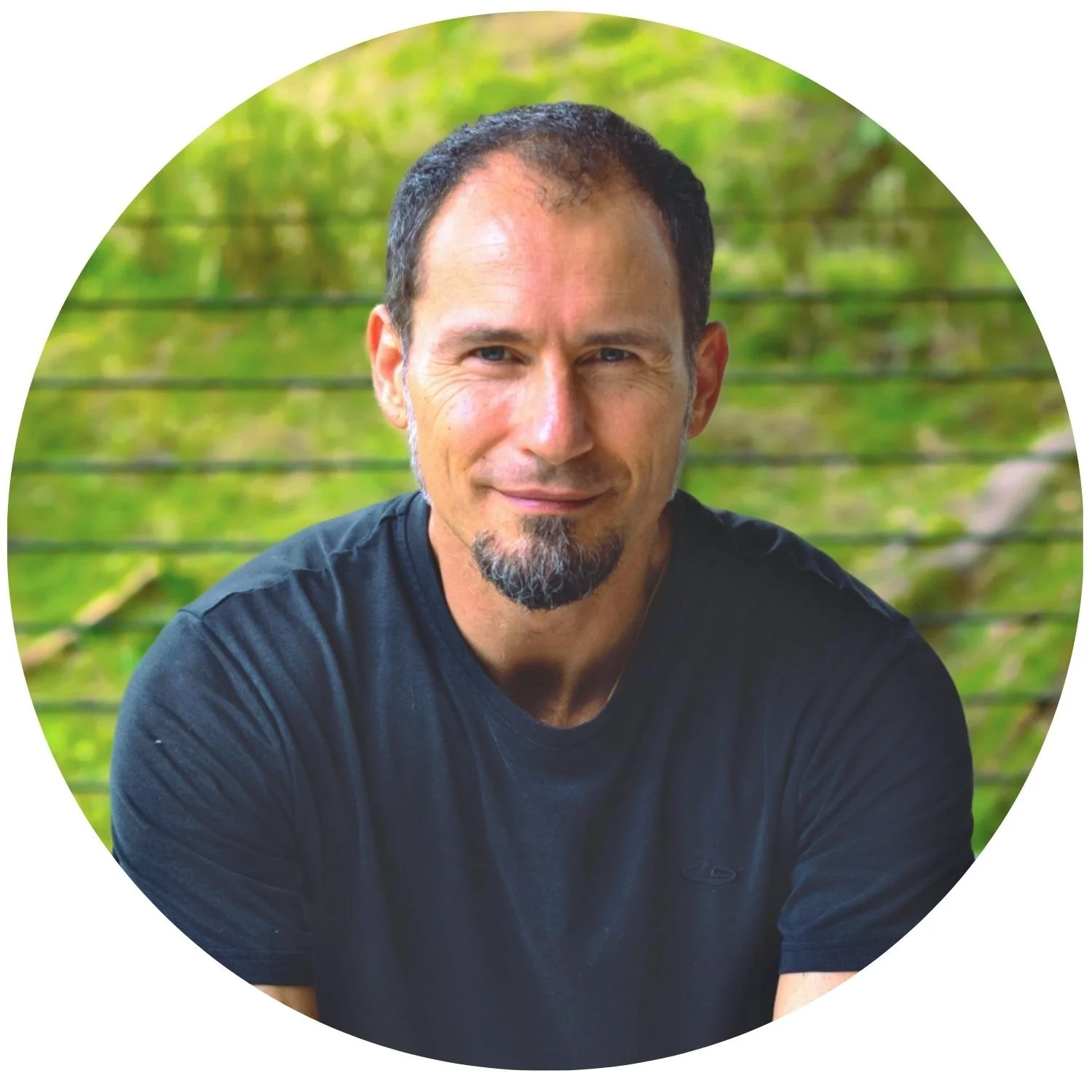
Jason Thomas is the voice behind the podcast Regeneration Nation Costa Rica, designer and guide for Ecovillage Tours CR, mastermind facilitator for the Community Founders Circle and the Permaculture Professionals Program, and creator of the Permaculture Business Design Course.
With over 20 years practicing both permaculture and entrepreneurship, he bridges these two worlds to empower our next agents of change.

Post-Rancho Thoughts
If there's something to take away, it is that we need to tap into, develop, and release the inherent potential of every human being to live in ways that make meaningful contributions to the world and society.
By 2023 apprentice, Michelle Häuptli
"Throughout history, the really fundamental changes in society have come not from dictates of governments and the results of battles but through vast numbers of people changing their minds - sometimes by only a little bit... by deliberately changing the internal images of reality, people can change the world." - Willis Harmon
After 12 weeks at the Rancho, evaluation and re-evaluation have become an ever present part in day-to-day living. Pre-Rancho-life in a busy financial town of Switzerland is becoming a fading shade of a time that seems to be years in the past. The days are long but the weeks short and questions about post-Rancho life are stirring in the back of our heads. What happens after we leave this safe spot in the sweet, warm jungle? Where do we go to spread our wings? Where can we go to save the day?
The process of learning and implementation goes beyond the "heroic" and "do-good" models. If there's something to take away, it is that we need to tap into, develop, and release the inherent potential of every human being to live in ways that make meaningful contributions to the world and society.
According to Joseph Campbell, the mythic Hero's journey is always in service to and supported by a community. It is intended to achieve some larger beneficial effect. The hero returns with a treasure that will alter the community's role within its world. Ultimately there is no independent heroic ego, only the collective work of sustaining and evolving life by reshaping between the community and it's larger context.
Being part...

...of the bigger picture
We don't need to be heroes to have an impact on the world. However we must learn how to live our lives and play our roles in ways that are designed to create change. It is a slow, steady, cumulative and powerful process - like water shaping rock.
Lao Tzu wrote: "water is fluid, soft, and yielding. But water will wear away rock, which is rigid and cannot yield. As a rule, whatever is fluid, soft, and yielding will overcome whatever is rigid and hard... A paradox: what is soft is strong."

Leaf cutter ants working away
Any work we are doing can play a critical role within society. Our effects can be direct, through the influence we have on social institutions, or indirect, by preparing others to play their roles. Work is where we put our life energy and we tend to define our work in terms of career. But we have the option instead to think of ourselves as pursuing particular goals in society, goals that are meant to improve and transform the communities and industries we are part of. In the best case scenario we do this by enhancing the ability of living beings to eco-evolve, so that our planet can continue to express its potential for diversity, complexity and creativity. Whatever one believes, it is evident that every one of our critical planetary support systems - oceans, forests, soils, atmosphere, biodiversity etc. - is in decline. But with elegance and power, our human minds can create products of the same evolutionary flow and change as every other living system. Nature is also our nature.
At the Rancho we learn, live and teach these roles by following Permaculture principles and ethics. That can either be in consciously designing landscapes by respecting natural waterflows, rebuilding community structures together by using natural and local building materials or inviting the young generation to partake in an agroforestry class and simply interact by sharing each others visions.
The concept of being a part....

...of the whole!

In the end, we will all have to develop the capacity to hold the complexity and the not-knowing and the in-between as we move from the old ways to the even older regenerative ways that we have forgotten.
To close I would like to reference two books that assisted me to verbalize these ideas: "The regenerative life" by Carol Sandford and "Regenerative Development and Design" by Pamela Mang, Ben Haggard and Regenesis.
Check Out These Past Blog Articles
Enriching Community Soil: 5 Simple Strategies That Support Sustainable Relationships
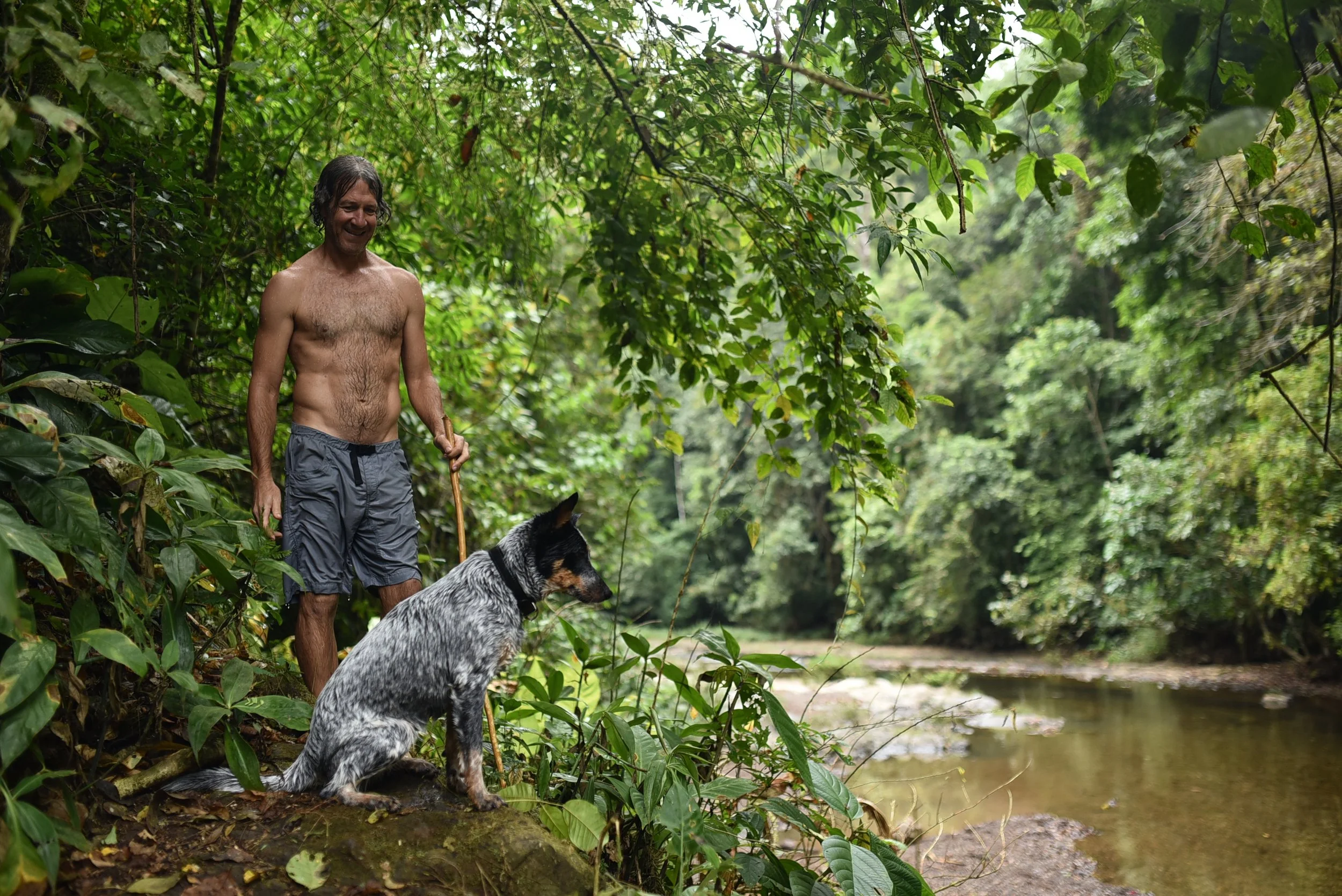
Permaculture Design & The Importance of Recreation and Team-Oriented Thinking
Once you begin to think about it, the way we spend our “free time” will define the sustainability of the entire system.
By 2022 Apprentice AJ Nolan

Playing volleyball down at the local field. All ages welcome!
Permaculture thinking moves us towards finding solutions that can serve multiple functions. This can be known as stacking functions with the goal to develop more “free time”. Simply put and maybe more traditionally put, “killing two birds with one stone”. How you spend that free time is something that really gets very little attention in the permaculture community and one that I am particularly interested in. Once you begin to think about it, the way we spend our “free time” will define the sustainability of the entire system. If we choose to pack in more projects and more tasks, in the short term we may benefit from our added productivity, but is this sustainable in the long term? In this article I am going to talk about how we design our lives using permaculture based thinking to create sustainable patterns for not just our farm but for our lives. Bill Mollinson once asked, “How can we maximize hammock time?”. Whilst I agree with the sentiment, I prefer to run around in my free time!
We aim to create balance between the needs of the farm (which has endless lists of projects that could be done) and the needs of us as individuals to relax, recreate, unwind and decompress. The benefit of playing team sports together helps build team morale, a sense of togetherness and comradery that is vitally important to the fluid functioning of our community.
Think back to your childhood days. What were you spending most of your time doing? If you said playing video games, I can’t relate, but if you responded with getting dirty and running around outside, I recommend you keep reading.
The first day I arrived at the Ranch for my year-long apprenticeship, everyone was involved in a heated game of volleyball. I joined in and after brief introductions, I shared the field with myriad new faces, and we worked together toward a common goal for the next hour. I couldn’t have asked for a better initiation into Ranch life than that first volleyball game.
As a child, playing outside is instinctive and it’s how we begin to understand the physics of the natural world. In school there are scheduled times to play outside. Where I’m from, it’s called recess. When I was growing up, we were given three different times throughout the day to release our pent-up energy and run rampant through the school yard. As I got older and school years passed, the allotted recess time slowly disappeared and was replaced with longer class times.

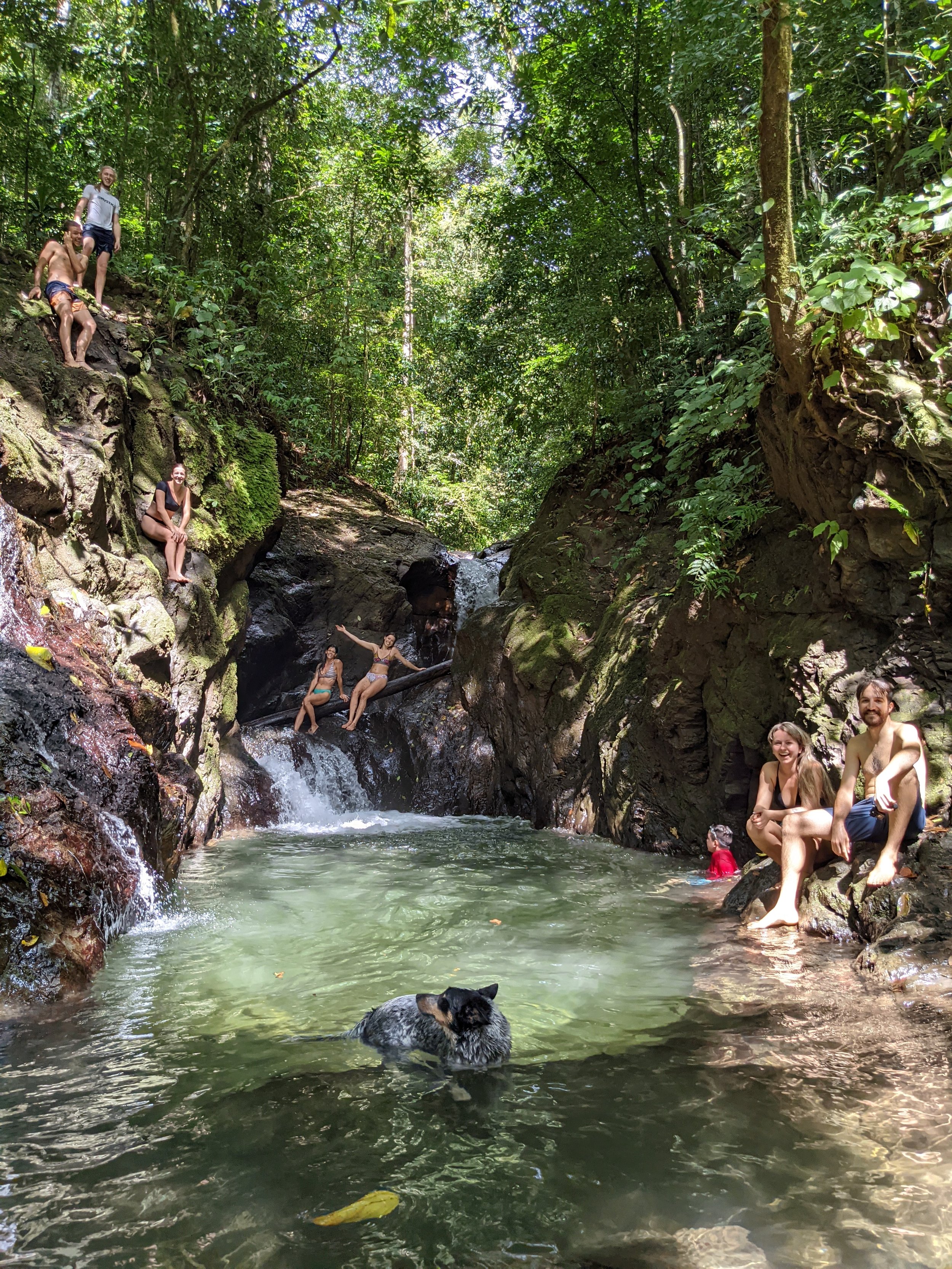
Many community members take daily trips to our waterfall
Recreation is an important aspect of life that we begin to lose as we age. It’s the hardest part of life to hold onto because it’s no longer allotted for us. Western society has deemed it unimportant and prioritizes work and time spent at a desk. Here at the Ranch, we have designed in ample opportunities to recreate. Pitching in to clean up brunch, taking a trip to the waterfall, practicing yoga, and reading a good book are all forms of recreation. We have scheduled in plenty of downtime and we have made a conscious decision to start the work day early in order to end our work day earlier to allow more time for afternoon team recreation. The inspiration for this blog post comes from what I like to call 16:00 Mass (a.k.a sports time).
Here at the Ranch we schedule our free time. That’s how serious we are about it. We are currently in the dry season, so the “cancha” (sports field) gets a lot of use by the Mastatal community this time of year. Every town in Costa Rica is given a church, an elementary school, a community center, and a sports field. Our main forms of team recreation are frisbee and volleyball. Every day I trot down to the field at 15:50, tired from a full workday at the Ranch. I’ve got a frisbee, volleyball, and a bunch of bright orange cones in my hand. As I step out onto the field, I look at everyone’s tired eyes and I smile because I know that it’s all about to change. We split up into teams and the game begins. I begin to move into my body and out of my head. Before I’m aware of my actions, I stop to catch my breath and realize how much energy I have. I sweat not only from running around but from the intensity of the game. Coupled with teamwork, this form of exercise alters my thought pattern and I find myself in a state of euphoria and limitless energy. For the next hour I’m on Cloud 9 and I don’t want the excitement to end. When the game does end, my bare feet thank me for stopping and I find myself in high spirits with an overwhelming feeling of accomplishment and grit. Everyone is talking of food now and my stomach rumbles in anticipation for a Ranch dinner.
I’ve always placed great importance on exercise in my life, but I mainly participated in individual sports like swimming or tennis. Working in teams at the Ranch is paramount to our success here and it’s no different on the field. Playing a team sport changes my mood and puts me in a flow state. No longer am I thinking of the past or the future. I am right there on the field in the present moment. If my mind strays away, my teammates are sure to let me know. I can no longer only think of myself - I must take other people’s needs and wants into account. Playing a team sport necessitates quick thinking and sound decision making. These qualities allow for a dynamic community and encourages the development of well-rounded individuals. Whenever I’m having an off day, I feel a sense of balance and grounding after running around on the field with my peers.
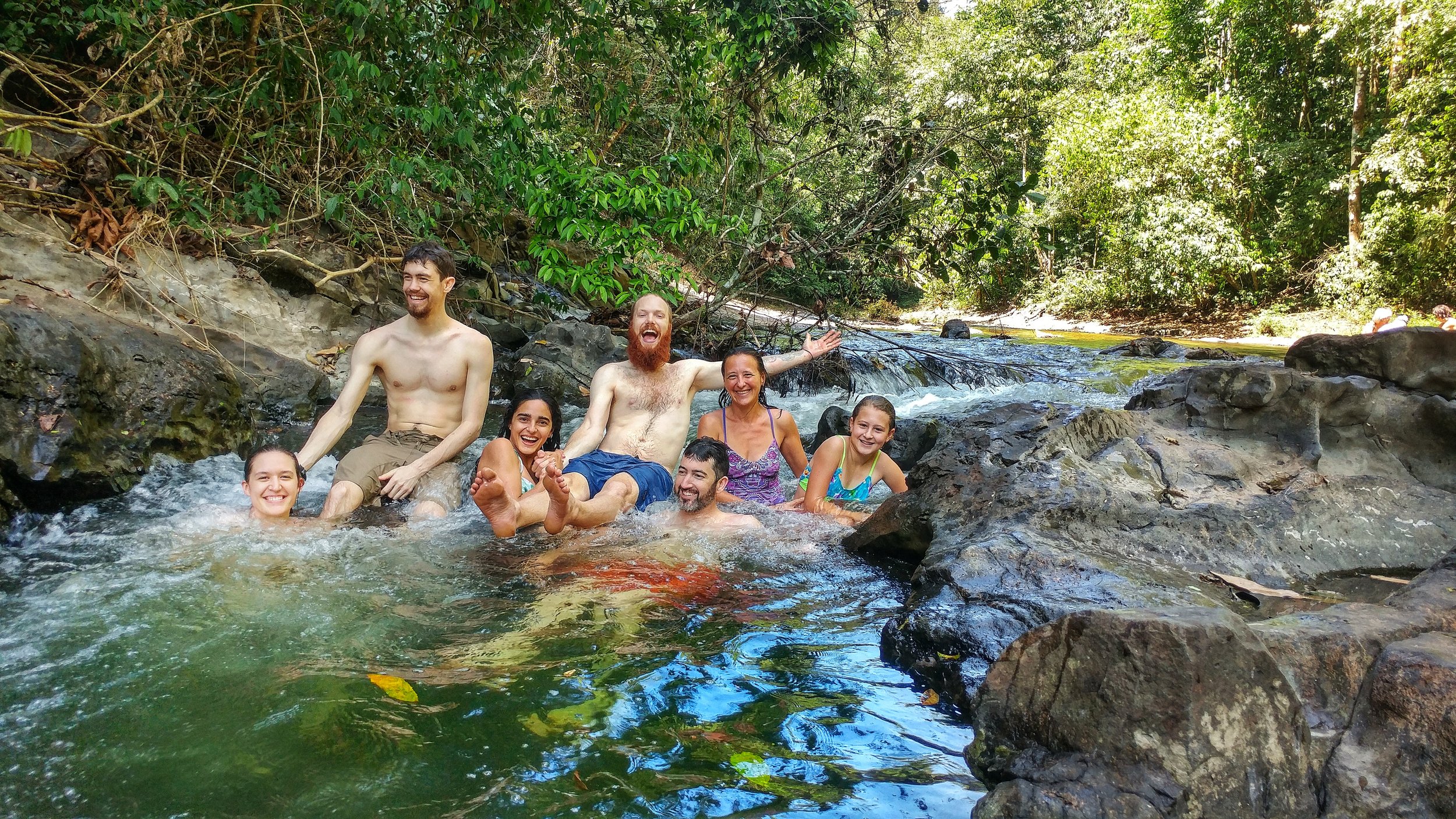
Enjoying the refreshing swims in the river
I am extremely lucky to be living in a community that prioritizes recreation and down-time. The world would be a much happier place if a higher value was placed on these activities. It’s a privilege to have free-time and I encourage others to do the same. Play outside with your kids, join a local soccer league, take a yoga class, or pick up that book you’ve been wanting to read forever. Whatever your preferred form of recreation is, it will dramatically alter your mental state and contribute to your happiness and overall well-being.
One thing that has been learnt over the years at the Ranch though, is that recreation time must be planned in. If we leave it to chance it becomes difficult for us to find space for it with all the other tasks and activities going on. Although Permaculture Design tends to focus on the design of your land based project, food forest or garden systems, I think it is also very important to place a large emphasis on planning our social lives, activities and recreation times. Collectively we have found that just like planning a garden and selecting the best place to plant your favourite perennial salad crop, it is vitally important to plan your daily activities and make sure to plan in recreation time.
How you choose to spend your recreation time is up to you but if you need me, I’ll be down at the “cancha”.
Other Community and Permaculture Related Blogs
How to Run a Permaculture Internship
Enriching Community Soil: 5 Simple Strategies that Support Sustainable Relationships

View of the sports field and La Cangreja National Park
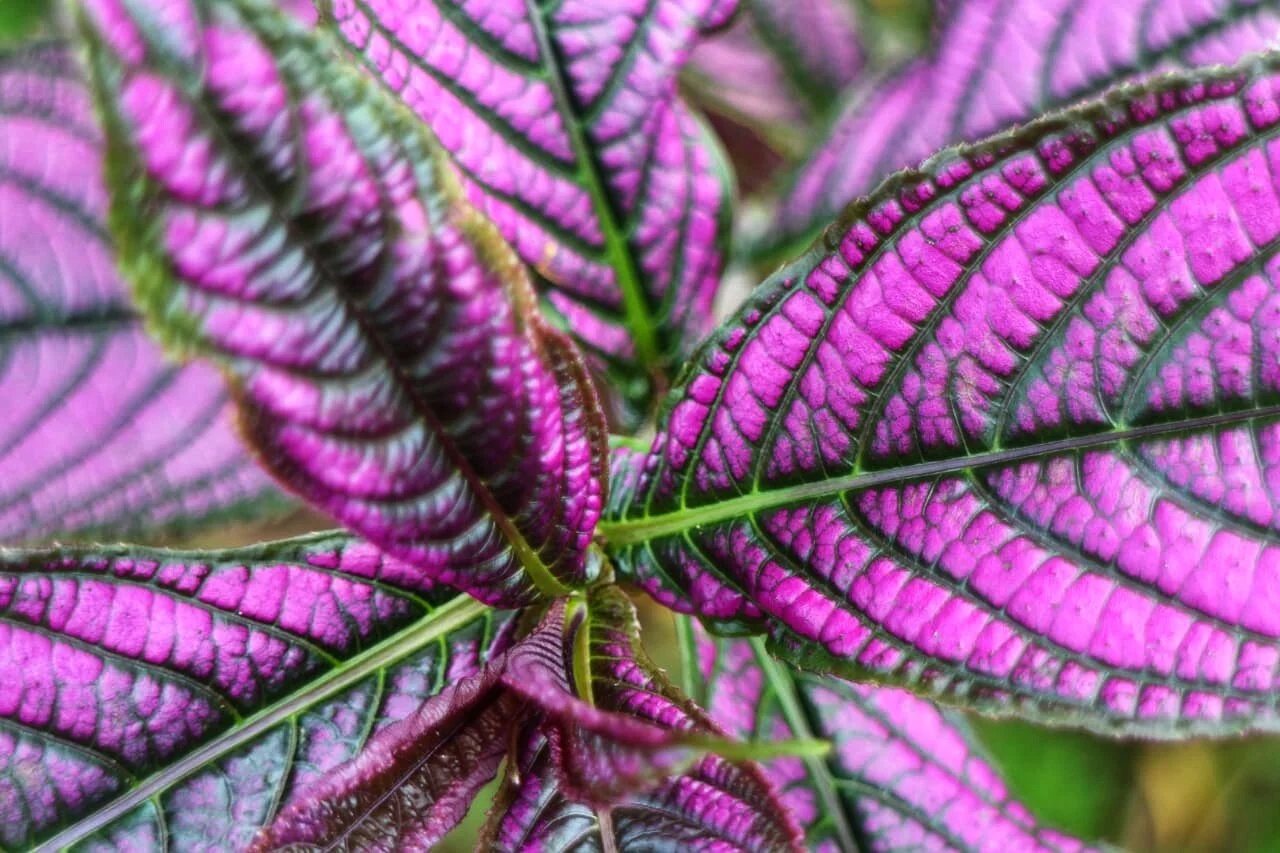
Rancho Spa-Statal: Finding Balance and Pleasure in a Life on the Farm
A day here can be very physically demanding: cutting bamboo, hauling bananas, and moving piles of sand and clay. I have learned that building a community and living in alignment with the Earth require sweat and persistence. But the Ranch has also taught me that finding healthy ways to relax and have fun is equally important for finding balance. If a community is going to last, you have to find ways to laugh and spark joy in any situation.
By Abbey Cmiel, apprentice 2021
Over the last few weeks, we’ve coined the term “Rancho Spa-statal” for any time we find a beauty hack while working on the farm.
The phrase is a bit of an oxymoron, as the Rancho team has a reputation of being the “hard-working, sports-playing,” hippie type. A day here can be very physically demanding: cutting bamboo, hauling bananas, and moving piles of sand and clay. I have learned that building a community and living in alignment with the Earth require sweat and persistence. But the Ranch has also taught me that finding healthy ways to relax and have fun is equally important for finding balance. If a community is going to last, you have to find ways to laugh and spark joy in any situation.
Forever looking for ways to “stack functions”, here are some of our top tips and tricks for turning any activity into a spa day.
The Cob and Daub Pedicure
Every Monday and Thursday, the apprentices have Natural Building work parties where they learn about Wattle and Daub, Cob, Adobe, and Bamboo building skills. These days consist primarily of sifting clay, hauling materials, tamping down gravel, laying bricks, learning to plaster and work with natural materials, and, most excitingly, mixing up earthen mixes with our feet.
Making these mixes resembles a combination between jumping on a moon-bounce and doing “the twist” as we dance around each other on a spread out tarp. There’s no better feeling than squishing clay between your toes, and I’d be willing to bet the health benefits are multi-fold.
Unlike modern construction techniques, building with locally sourced materials such as clay, sand and straw ensure your spa day, and your life in general, will have far fewer toxins. One part clay, one part sand, one part straw: the most effective way to buff your heels and leave your nails shining in no time.
You can read more about natural building at Rancho HERE.

Stompin that earth mix
Bananager’s Conditioner
Each month, we apprentices rotate “Community Contribution Skills” (aka chores) which help keep the Ranch running smoothly. For my first month and a half, I served as the highly esteemed “bananger”, which includes the rigorous task of making sure the immense bunches of bananas are consumed. Sometimes, even after banana smoothies, beer, bread, and dried snacks are made, a surplus remains- and that is when we get creative.
Learn some interesting banana facts from Moanna’s blog 10 Things You Didn’t Know About the Banana

Consti brings in a mega harvest of bananas
Ali, a member of the Core Team and Spa-statal Extraordinaire, invented this banana deep-conditioning treatment for guaranteed more shiny, luxurious hair, with no chemicals or waste involved.
Banana Hair Mask Recipe:
4 bananas
1 egg
½ cup of dairy kefir (learn how to make your own probiotic dairy kefir here)
A splash of vinegar (for bonus banana points, learn how to make banana vinegar here)
Blend until nice and smooth and lather in your hair (hair should be wet). Leave the conditioner in for about 30 minutes and while you’re at it, consider reading your favorite permaculture book (here are a few of our recommendations) or putting on a natural face mask (continue reading!)
SCOBY Facemask
Wednesdays at the Ranch are all things food preparation. We’ve learned about the importance of eating a diverse diet of fresh and fermented fruits and vegetables for maintaining healthy gut flora and work with many cultures of microbiota to preserve our food. Our gut microbiomes twirl with delight as they see us preparing kimchi, sauerkraut, pickles, natural beers, water kefir sodas, vinegar, and more. These fermentations often produce an abundance of SCOBYs (Symbiotic Colonies of Bacteria and Yeast), otherwise known as “mothers” or “that-thick-alien-looking-layer-on-top-of-your-kombucha”). Turns out, those cultures also have detoxifying and toning properties to make your face glow.
You can find a recipe for homemade vinegar HERE and when your SCOBY outgrows its container, you can try it out as a face mask. Peel off a few of the oldest layers while brewing a new batch, sit back, relax, and plop it on your face. The vinegar can be a bit intense on sensitive skin, so be sure to test on your arm first and leave the SCOBY on your face for no more than 10 minutes.
While you’re at it, grab a glass of your homemade hooch or balm (recipes found HERE) and enjoy.

SCOBY facemask
Rancho Spastatal: A way of life
For anyone interested in living in or creating a community, do not underestimate the importance of self care. Taking moments to relax, play, and be silly allows everyone involved to show up for the most challenging conversations, decisions, or work days. When we invest in our individual and collective health, we are also more able to care for the environment around us and for one another. So find your version of Rancho Spa-statal wherever you call home and use the ingredients you find in abundance to turn the mundane into the magical.
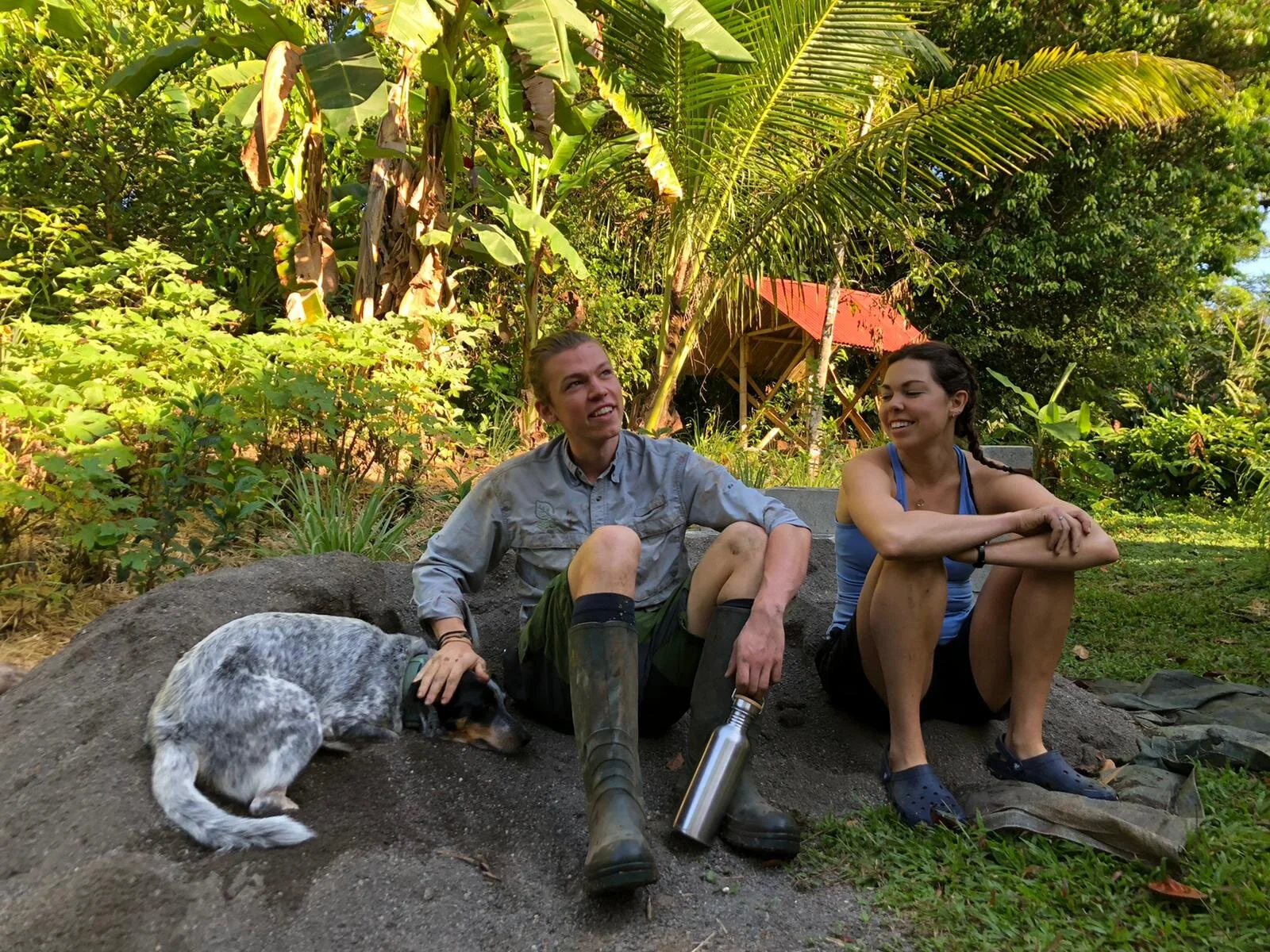
Life Lessons From Moving Piles
There are piles of sand and clay ready to be formed into adobe bricks or wattle and daub mix, piles of starfruit and lemons waiting to be fermented, stacks of bamboo waiting for the next bamboo construction workshop, piles of green papaya anticipating its second life as kimchi, piles and piles of knowledge held in peoples brains, piles of books filling up the library waiting for the next curious mind, piles of manure, compost piles, worm piles, piles and piles of piles.
By Matthew Raybon, apprentice 2021

Treated bamboo drying and ready to move
If you were to visit Rancho Mastatal at any time of year, something you can count on seeing is the ever present pile. At first glance you may overlook them, but as the mystery of the Ranch unfolds in front of you, the seemingly insignificant pile of dirt reveals itself as a central piece of what makes everything at the Ranch happen. There are piles of sand and clay ready to be formed into adobe bricks or wattle and daub mix, piles of starfruit and lemons waiting to be fermented, stacks of bamboo waiting for the next bamboo construction workshop, piles of green papaya anticipating its second life as kimchi, piles and piles of knowledge held in peoples brains, piles of books filling up the library waiting for the next curious mind, piles of manure, compost piles, worm piles, piles and piles of piles.
It’s safe to say that piles and the movement of piles is an integral part of living in community at Rancho Mastatal.
LET ME PAINT YOU A PICTURE OF PILES
It’s one week into the 2021 apprenticeship program. So far we’ve spent our time getting acquainted with one another and our new home and taking a deep dive into the wealth of knowledge and experience Rancho has to offer. Up until now this has mostly involved talking and reading. Brain work rather than body work. Myself along with the other apprentices are ready to jump into the active work of building, fermenting, cooking, and caring for the land.
Monday of the second week rolls around and it’s time for our morning natural building work party. Amazing! For our first task we will be working with adobe bricks to construct the shower and toilet walls at a residential structure on the property called the Casucha. We all gather at the wood shop in the morning for a quick chat before breaking into teams to tackle the day’s tasks. “Alright,” Nic says, “first things first, we need to move some piles of sand from the road to the Casucha for our adobe mix. Let’s split into two groups. . . Two people grab shovels and go with Ali in the truck to haul sand from the road to here. The rest of us will transfer sand from the truck to wheelbarrows and bring it down the ridge to the Casucha.”
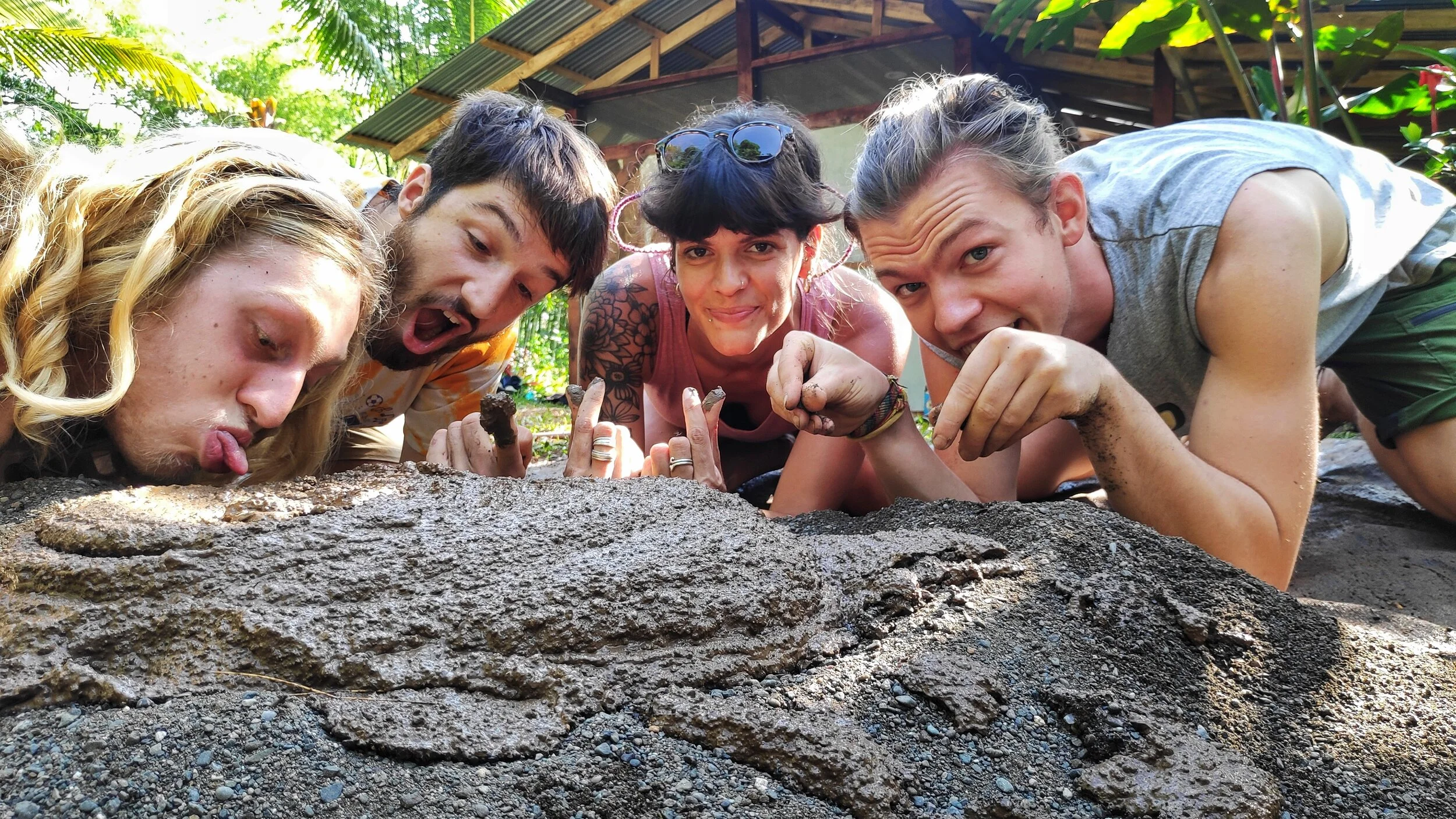
There is always more sand to move somewhere!
Two hours and a handful of blisters later we had successfully moved a few truck loads of sand from the road to the Casucha using primarily our hands, shovels, wheelbarrows and some tunes to keep the camaraderie high. In doing so we had all learned a few valuable lessons in natural building and in communal living as well as in life:
A. Nothing happens until someone moves piles
B. Many friends make light work
In other words, if you find yourself lost along the way and unsure of how to begin, start with a clear and simple task... and don’t be afraid to ask for help! I have returned again and again to these lessons and found steady ground in the simple act of moving piles to guide me through the ups and downs of life at Rancho.
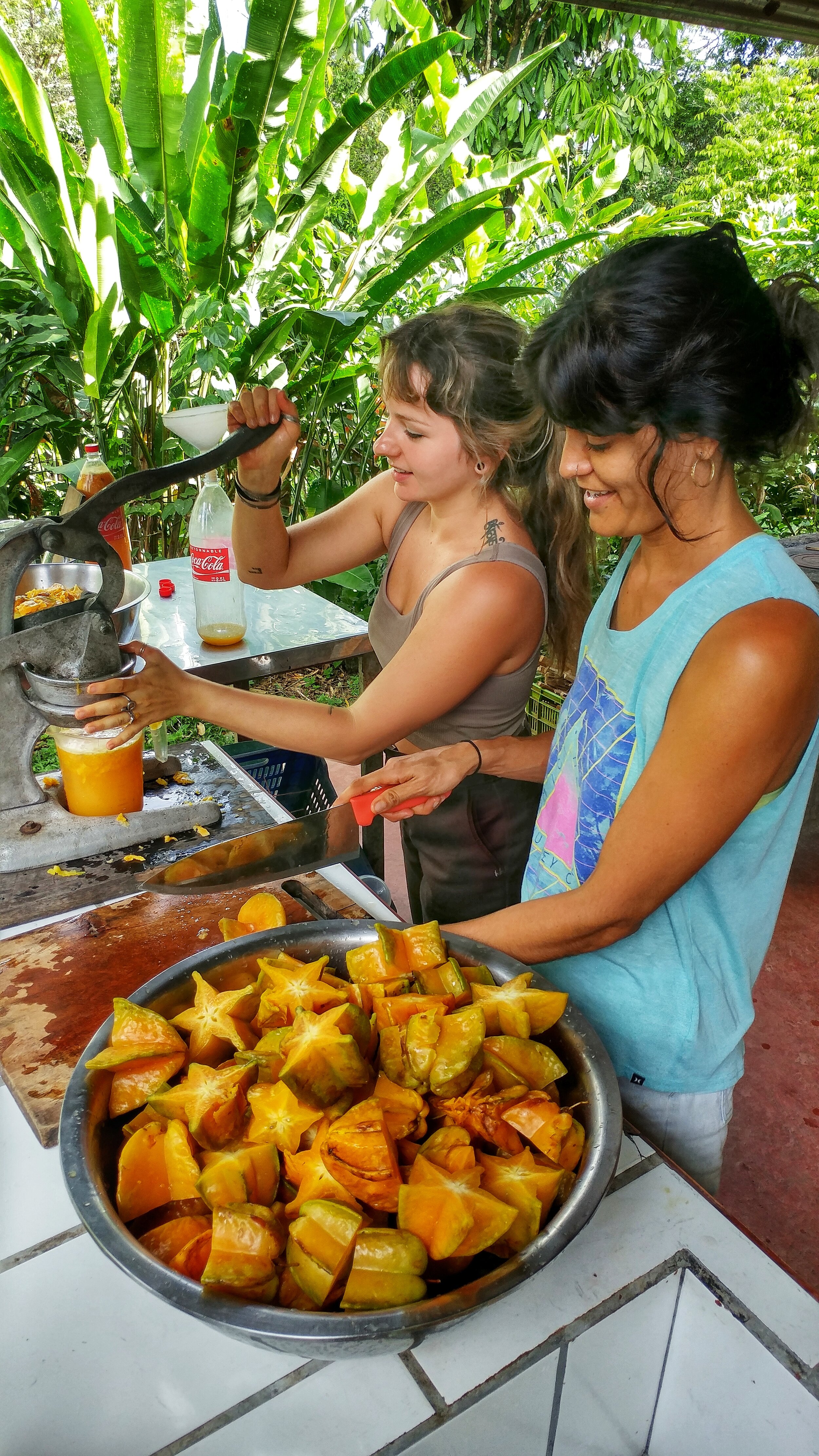
And always more food from the farm to move
When embarking on a new ambitious project it’s easy to be quickly overwhelmed and consumed by details. What flavorings do I want to add to my kimchi? Is it really kimchi if I am not using cabbage? How did I end up here? Not to worry. First, I need to harvest, cut, peel, seed and grate a ton of green papayas. In other words I need to move and transform a whole pile of green papaya (recipe here). I’ll start there with that simple task and come to the details along the way. I look at the looming papaya pile and I think, “Oh man that’s a whole lot of papaya”. But then the next thought follows, “Good thing I’ve got some friends to help me out along the way.”
Before coming to the Ranch I lived in a house, I worked as an Architect and I ate fermented foods purchased from the store. I knew in my mind that the life that I was able to live was made possible by the physical labor of many people around the world. I didn’t know with my body what exactly goes into building that house that I lived in or creating a delicious kimchi, and I didn’t know with my body the waste that those processes can create. In moving sand and mixing adobes I am learning with my body as well as my mind what it takes to build a natural home. As I peel and process baskets of green papaya, I am learning what has gone into that kimchi I bought from the store. In doing these things I am able to understand the true cost and value of the things I was previously benefiting from. Not just the cost of the product on the shelf at the store, but the environmental cost and the physical cost.
The seemingly mundane task of moving piles has transformed into something far more significant for me. It is a means to an end that serves as a guide for me as I search for the next step. It is a way of strengthening a bond between my community and myself. It is providing me with both the mind and body knowledge of what goes into creating a community and living in harmony with the environment.
As the days pass on by, I am reminded constantly that all of those piles don’t just move themselves or fall from the sky. We move them. If I don’t move them someone else does, and when we move them everything happens. Like the leaf cutter ants toiling away at building their home one tiny leafy piece at a time, we set to work making sustainable community happen by moving piles. All kinds of piles.

Grab a friend, because there is always more piles to move!

Just KIS Me: A Neighboring Project focused on Plants and Indigenous Culture
About eight years ago, Kealy and Ivannia were talking about how they wanted to continue to be strong, badass women. They wanted to support one another and thrive, and step outside the stereotypical woman’s role that is often seen in the Mastatal community. Kealy was once again visiting for a few months from the States and was leaving in a few days so plans needed to happen soon!
Just KIS Me: A Neighboring Project focused on Plants and Indigenous Culture
By Kealy Rudersdorf
About eight years ago, Kealy and Ivannia were talking about how they wanted to continue to be strong, badass women. They wanted to support one another and thrive, and step outside the stereotypical woman’s role that is often seen in the Mastatal community. Kealy was once again visiting for a few months from the States and was leaving in a few days so plans needed to happen soon!
The previous year, they had decided to go to the river at night to catch shrimp together--the snakes and darkness under the new moon never scared them off. This year, they were going to bushwhack to the top of La Cangreja National Park mountain. If you have gone in recent years, this was before the path was maintained and the hike was truly an adventure in the jungle. They needed a guide, as neither had ever been. Ivannia suggested her cousin, Solin, who was incredible with the machete and always full of jokes. It was bound to be a great day!
That day marked the very beginning of KIS Botanicals, as Solin described different uses of a variety of plants and Solin and Ivannia shared stories about how their family used the different plants they found along the trail. It was an immemorable day, filled with laughter, love, and the sharing of stories - the same energy we strive to bring with us into KIS Botanicals today!

What is KIS Botanicals?
KIS Botanicals is a growing herbal business, up the road from the well-known Rancho Mastatal. We are focused on the preservation of plant knowledge and culture in the Mastatal/Zapaton region of Costa Rica. As Solin and Ivannia say, our ancestors have a beautiful interwoven history with plants from the rainforest; our goal is to awaken and share this history.
In our project, we make a series of plant-based, herbal products (to heal the skin, aide in sleep…), using recipes we learned from our grandparents and community members. We also provide educational programs for locals and tourists through medicine making workshops, medicinal plant tours, and food-as-medicine classes.

PRODUCTS
Our artisanal products are inspired by tried-and-true recipes. All of our plants are hand-harvested and our products are handmade – by us! We have access to nearly 100 different medicinal plants that Solin farms sustainably, using traditional agriculture and permaculture techniques.
We currently have 8 artisanal herbal products that we absolutely love! These include a skin healing salve, a muscle and bruise salve, a sleep aide tincture, a tincture for colds and flus, a cough tincture, a bug repellent, an immune booster tincture, and a bug bite relief roll-on. There are many more products in the works, for example an aphrodisiac spray, an anti-fungal spray, stomach calming tincture, energy clearing spray, anti-anxiety tincture, etc. With so many plants to choose from, it’s hard to know where to start! As our apothecary grows, we will continue to add to our line of products.

When we start to make a new product, first, Solin and Ivannia remember plant uses they’ve witnessed throughout their lives. In addition, we frequently talk to community elders or remember conversations from years past. With these memories and conversations, we make a list of plants. We spend time trialing recipes and researching to make sure our products are stellar. The stories and memories are shared on the back of our products, so you too can share in the story!
Currently, we are selling our products at our wonderful friends and neighboring projects: Rancho Mastatal, Villas Mastatal, La Iguana Chocolate and La Choza del Mundo.

EDUCATIONAL PROGRAMS
We are excited to offer a variety of educational programs. Come, partake in our programs - we can’t wait to learn with you! Here are our current and future offerings:
A Cultural and Medicinal Plant Walking Tour: Come walk leisurely with us while we share with you our local history and culture. We will bring artifacts and stories from our grandparents' lives and describe the uses of many of our medicinal plants. We will provide a tasty and traditional treat or drink!

Medicine Making Workshop: Together, we will enjoy a short leisurely walk to explore medicinal plants. We will share with you an ancestral recipe (or two!). Tradition will be combined with modern herbal techniques. You will leave with an herbal product, made by you!
Food is Medicine – A Traditional Cooking Class: Come to a cooking class, using traditional techniques and foods. Over a wood burning stove, we will share a traditional recipe (or two!), laughs and stories.

In the future, we plan to offer an intensive two-week long course on cultural and medicinal plants. We will offer the opportunity to learn from us and other community members, as well as play and experiment with our farm of medicinal tropical plants. Your teachers will be primary-source voices!
Once we are properly on our feet, we plan to provide classes to the local schools. We will teach students about how their/our ancestors used plants to cook, to clean, and to heal. Students will learn new and old techniques with hands-on lessons and tutorials. We hope that they take these lessons back home with them and share their enthusiasm with their parents and grandparents, calling forth memories and providing inspiration. We are SO excited about providing this service to our community.

Who is KIS Botanicals?
The original KIS Botanical team consists of three people: Ivannia, Solin and Kealy. Ivannia and Solin are cousins and lifelong members of the Mastatal / Zapaton community and grew up learning about the medicinal plants in the area. Ivannia is a wiz in the kitchen. She is the one responsible for processing the plants, making the products, and giving thanks to the plants as we compost them. Solin has been working with plants his entire life, being handed a machete as a 2-year-old. The depth of his plant knowledge, understanding of nature, and love of plants is key to KIS’s success. Kealy has been visiting the Mastatal / Zapaton area for over 11 years, and Solin and Kealy are now married with a baby. Her role in KIS is to research plants, formulate recipes, share her knowledge of making shelf stable herbal products, translate our programs into English, promote KIS with marketing, and give the plants extra love.

Why we started KIS Botanicals?
From the words of Ivannia and Solin: We started KIS because we saw our generation and the following generations pull away from plants and the environment. We witnessed the high schoolers obsessed with their new cell phones and motorcycles, littering the street with their chip wrappers and soda bottles. Our community was changing dramatically. Starting in the late 1980s, houses received electricity, running water, and phones, but also within that same generation, the community received access to the internet, cell phones arrived, and all of a sudden there was almost a motorbike or car per person in town. In most of the United States and Europe, these changes happened over several generations.
We have witnessed a huge disconnect from our ancestors and the understanding of how they lived in harmony with the rainforest. This younger generation has mostly left the area for other opportunities after high school, leaving the community void of a generation. With KIS Botanicals, we hope to show that our ancestor’s way of life continues to have value. We aim to re-awaken our ancestral plant knowledge in the younger generations with our products and educational programs within local schools. We also want to be an example of how to be a successful, locally owned business, making our local economy stronger and more diverse.

How to help us??
We have come a long way from 3 friends bushwhacking to the top of the La Congreja mountain to making KIS Botanicals a reality. To be successful in preserving and sharing our ancestral knowledge, we need your help!! This is what would be most helpful to us:
When you visit Costa Rica, come to the town of Mastatal to buy our products and learn with us by signing up for one of our educational programs.
Help us spread the word. Tell your friends and family about us. If they plan to visit Costa Rica, encourage them to take a workshop or tour with us and check out our products.
DONATE! Keep your eyes peeled. Shortly we will be fund raising to build a Ministry of Health approved processing kitchen. We would greatly appreciate your assistance in reaching this goal!!
Send us love and positive energy.
Like us on Facebook and follow us on Instagram @KISBotanicals
We can be contacted at KISBotanicals@gmail.com.
Thanks for your support! We hope to see you soon.
With love,
Ivannia, Solin and Kealy
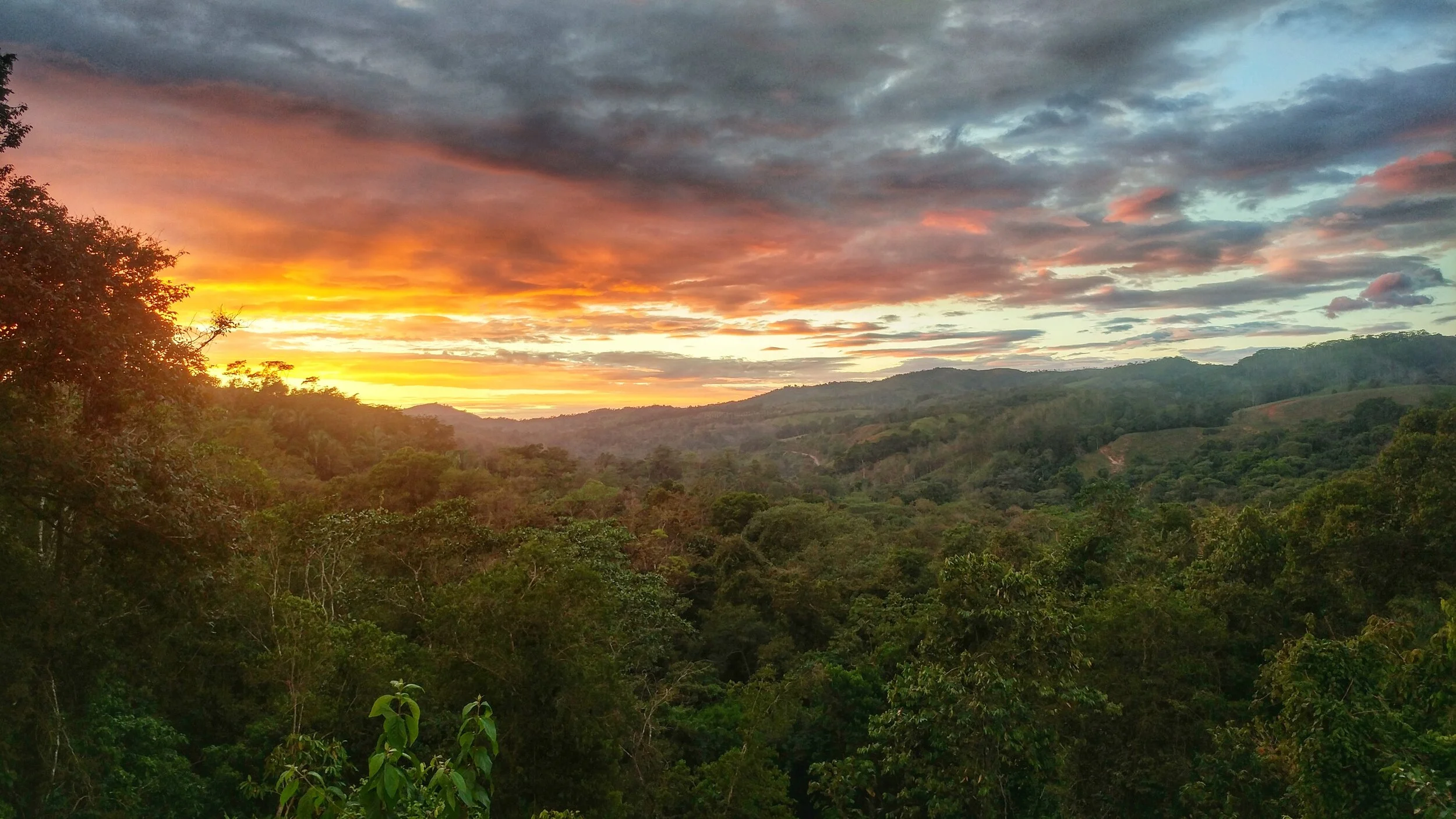
How to be a Permaculture Prepper: Self-reliance for the End of the World
Have you been haunted by dreams of the impending apocalypse? Is a sense of doom (and a complementary sense of gloom) beginning to pervade your every waking moment? Do you sometimes wake up in the middle of the night, thinking you left the stove on, only to realize it’s not your kitchen on fire, but the whole stinkin’ world?
By Mathew “Mateo” Pattillo
(Warning: This article MAY contain humor)
Have you been haunted by dreams of the impending apocalypse? Is a sense of doom (and a complementary sense of gloom) beginning to pervade your every waking moment? Do you sometimes wake up in the middle of the night, thinking you left the stove on, only to realize it’s not your kitchen on fire, but the whole stinkin’ world?
If you answered yes to any of these questions, then you may be reading the most timely and relevant blog/article of your life.
True, the world is a complex and scary place, and every year it seems to get more and more scary and complex. Change is coming faster than ever before, and it’s sometimes hard not to feel like this really is the End Times coming to town to crash on our couch for a while. “Horseman #3, Pestilence, Horseman #3, your sandwich is ready.” Would you like a cold Corona with that?
But here’s the so what: So what if the world is ending? So what if everything collapses around us and burns to ash and the acid rains fall and the oceans rise up and the heavens themselves come crashing down to Earth So what, IF YOU can survive it all, and do it in style!
This is: How to Use the Principles of Permaculture to Ensure that YOU Survive the Apocalypse and are Around to Rebuild Society After the Dust Settles (And Look Good While you’re Doing it).

Permaculture Prepper Principles
Now there are a lot of different ways to embody the Permaculture Prepper spirit, but I’m going to focus on what I’ve identified as some key points.
Water is a Valuable Resource

One aspect of the impending change that you cannot overlook is the increase in resource scarcity that is likely coming. In the new age around the corner, the principle of “There is no such thing as waste” will become more like a natural law. Hopefully you’re already using a compost toilet, but you’re gonna have to take it to the next level.
Yes, that means it’s time to start drinking your own pee. There is a ton of nutrients just going down the drain every day: salts, amino acids, nitrogen, smelly stuff, and yellow all packed up in there, and I’d be willing to bet that you’ve been letting it all go to waste. Shame really. But it’s ok, it’s never too late to make a change for the better, and the time is now. Get used to this, because it is going to become a necessary norm in the not so distant future. Also it’s sterile and has a great flavor. Beyond these obvious benefits, it’s also a critical way to save water. When the wells n’ pipes ain’t runnin’ free, you’ll be glad you’re drinkin’ pee. That’s what my grandpappy used to say to me, and by golly he was right!
Prepping 101: Beans Have Power
Another critical factor in your survival is going to be your food supply. Permaculture principles abound around this factor. Plant different crops together, plant many diverse species, zone your space for ease of access and maintenance according to need, etc. etc. But we also need to look to a key prepper principle if we want to be truly prepared. That is: have as many cans of beans as possible.
It is a law of the apocalypse that whosoever holds the most beans, holds the most power. You can use canned beans to pay off wasteland bandits, barter for honey with your neighbor, and even to chuck at one of the heads of the giant mutant rats invading your root cellar. Canned beans are invaluable, and if you really want to make it in the New World, you’re gonna have to can your own beans.
In order to maximize the efficiency of your operation, and to integrate with your permaculture system, you can plant the empty cans around your bean plants, right next to your corn, and alongside your squash. This way you can knock the ripe beans right down into the can, saving lots of time and hassle, and giving you immediate bean cannage. The metal cans in the soil can also leach some essential mineral nutrients, giving your plants a boost that they’ll be thanking you for. This kind of next level companion planting is what will give you the edge you’ll need to not just survive, but to THRIVE.
Visualize the Future: What does 2050 look like? What do you look like in 2050?
Next up is a very important piece, so I want you to read closely. Think about all the apocalypse movies you’ve seen. Think about the drawings, the comics, the TV shows, all the visual examples of the End Times that you’ve seen before. All the people who are still alive and kickin’ it, what do they look like? What do they have in common?
That’s right! They all have badass apocalypse outfits! This is not by accident. It is actually a key factor for your survival, so you should take some time now while you have it to get your outfits ready, and lookin’ sleek n fleek ya hear?
By starting this process early, you can also abide by another Permie principle, which is to start small and make gradual changes. Get a few piercings, maybe a scary skull tattoo on your neck. Start wearing a wallet chain, and perhaps a spiky bracelet. This way, when the time comes to don the garb in full, you’ll feel comfortable, and that much more ready to tackle the big challenges ahead with a solid foundation of wasteland style confidence built up over time.

Get prepped

Definitely learn to use one of these!
Oh dang, look at the time! I’ve got to go clean out the guinea pig cages. That’s another point I forgot to mention; guinea pigs are key. Don’t overlook the guinea pigs. Anyway, I’ll be back next time to talk about how permaculture principles can be applied to toast for a delicious breakfast. Good luck preppin’ y’all!
Want to Learn More?
If you want to know what the actual Permaculture Principles are, read our past blog article on how we apply them here at the Ranch.
Or join us for our annual Permaculture Design Course! We have one in November 2020 and another in April 2021.

Awakening the student and teacher in us all
I like to think I’m open-minded and my ideas flow freely, but as a professor I can become stuck in the rigid model of preparing lectures, grading and academic writing. The opportunity to have my sense of wonder reawakened and be reminded that there are so many springs of knowledge available in the world in invaluable. Rancho Mastatal reminds me of this truth and has inspired every student I have brought to think bigger, make connections and consider what their role in addressing the climatic challenges we face.
By Mary Little, School for Field Studies
I like to think I’m open-minded and my ideas flow freely, but as a professor I can become stuck in the rigid model of preparing lectures, grading and academic writing. The opportunity to have my sense of wonder reawakened and be reminded that there are so many springs of knowledge available in the world in invaluable. Rancho Mastatal reminds me of this truth and has inspired every student I have brought to think bigger, make connections and consider what their role in addressing the climatic challenges we face.
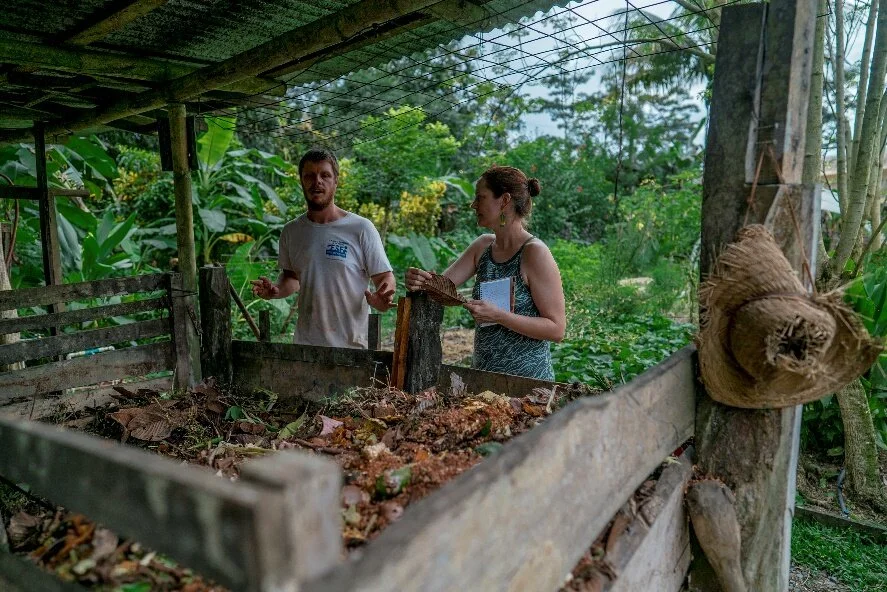
Nic Explaining the kitchen compost system
I am always looking for places that exemplify the principles of ecological justice we cover in my Environmental Ethics courses. Upon my first scouting trip to Rancho Mastatal I was introduced to a holistic education experience that I was eager to share with my students. It has inspired us to carry out research on the impacts of ecotourism on the local population and environment that can be used to ensure sustainable development. This community is a clear example of the possibilities and challenges of harnessing the abundance of local materials to feed, house and entertain themselves by collaborating with surrounding ecosystems.
This balance extends beyond ecological principles to Rancho Mastatal’s place in the community. Over nearly 20 years they have learned to listen and become a positive player that works with the needs of the committee to provide work, classes and support projects that are deemed meaningful by residents. Robin Nunes (co-owner and teacher) shared that the objective of Rancho Mastatal isn’t to be self-sustaining, it is to be community sustained.
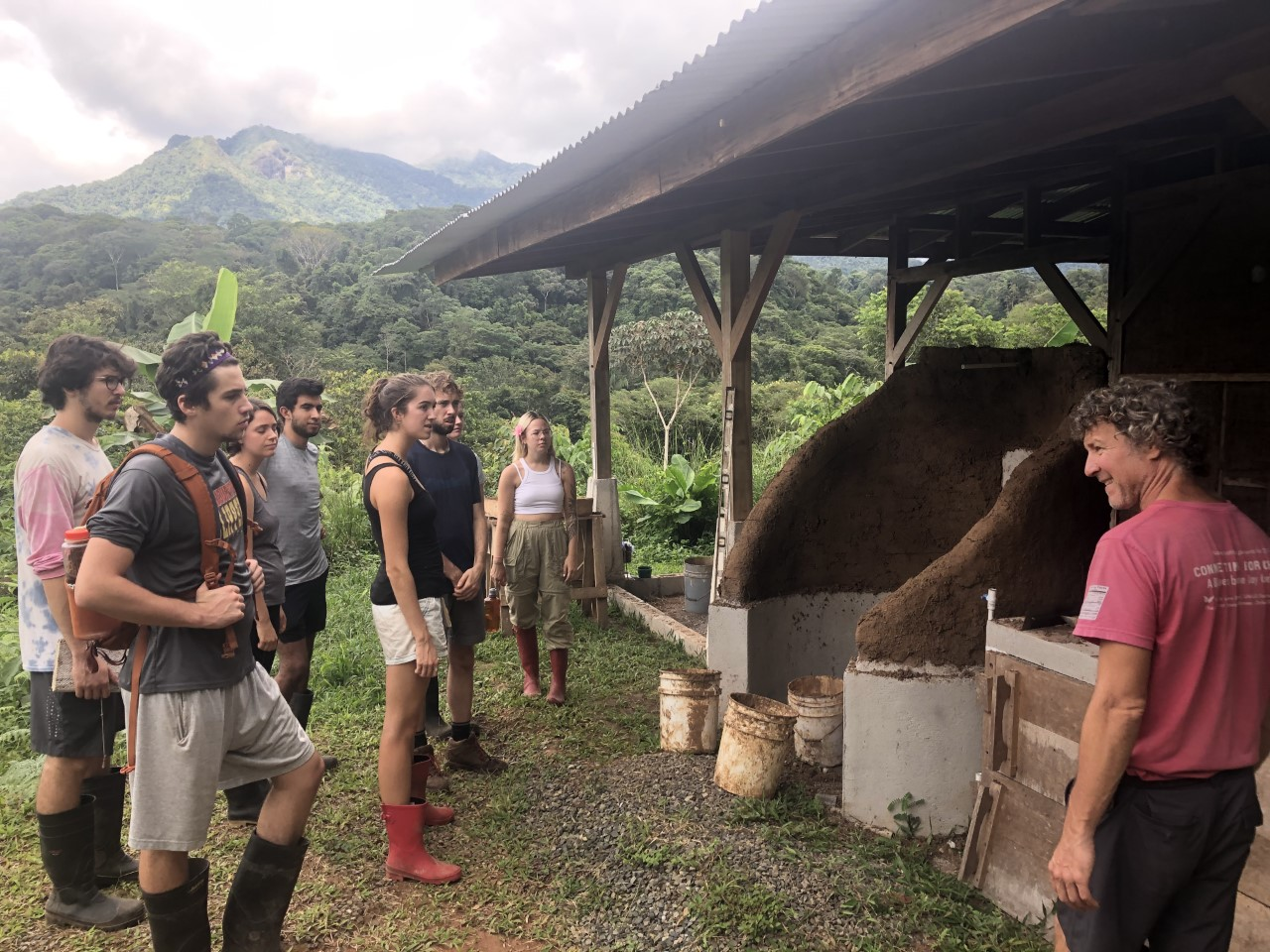
Tim showing the SFS students around on a tour.
This attitude has created a foundation for the community to take up ecotourism as a way of transitioning from conventional agriculture to permaculture and sustainable economic development. Once tourists began visiting the Rancho, one family revived their cacao farm, started making incredible chocolate bars and giving tours at La Iguana Chocolate farm. Another family created Siempre Verde Ecolodge and offers nature tours in the adjacent La Cangreja National Park and Spanish classes at their lodge. A local leader at the nearby Zapaton indigenous community offers presentations on medicinal plants and practices like basket weaving. All are local teachers with unique experiences and insights.
There is a powerful sense at Rancho Mastatal that community members are there to learn from one another. Tim and Robin begin each visit with a tour to demonstrate what they’ve learned and implemented at the Rancho, inviting the individual to think about what they expect to learn on their visit with possibilities as broad as composting and food preservation to natural building. From the first meal, apprentices begin to share their passion for the things they’ve learned and are willing to pass it on, either through conversation or a brief workshop. My students have taken fermentation and food preparation classes, gaining skills they can implement once they return home. There are also the other guests of all ages and walks of life that contribute their experiences and skills to the mix. I’ve shared insights with dancers, photographers and arborists, to name a few, at the massive communal dining table that seems to be built for just this purpose.

an SFS student taking advantage of the huge library
I appreciate that Rancho Mastatal organically fosters knowledge sharing. It reinforces that we are all simultaneously teachers and students and how to embrace both roles. Each time I visit, I’m reminded how much more there is to grasp and apply to make positive change. I return because it is a pleasure to learn from such diversity in nature and humanity in this dynamic setting.
(I’ll be writing about some of my research on waste issue the impacts of tourism in coming blogs.)
Mary Little is a Professor of Environmental Ethics at the School for Field Studies located in Atenas, Costa Rica. Her primary areas of interest are eco/agritourism, sustainable food systems and environmental justice. She can be contacted at mlittle@fieldstudies.org.

5 years on: an apprentice story.
It’s approaching five years since I started my apprenticeship at Rancho Mastatal. Looking back at the last five years lot of life has been lived, with many joys, personal development breakthroughs, and vulnerabilities, that at times felt so heavy, or were unbearably light.
By Anthony Wijeyeratne (Shea), Apprentice 2015
It’s approaching five years since I started my apprenticeship at Rancho Mastatal. Looking back at the last five years lot of life has been lived, with many joys, personal development breakthroughs, and vulnerabilities, that at times felt so heavy, or were unbearably light. However my time in Mastatal was a game changer, I came from an office environment to a ranch in the jungle, which eventually led me to find my passion for food that I turned into a farming career. I hope this is just the beginning of an ever-expanding life involved with food.

Being disgruntled and immersed in office culture, I felt my life was stagnant, and I needed a change. An opportunity presented itself, when I got an offer to be an apprentice at Rancho Mastatal. I accepted without hesitation and embarked on a year-long journey to learn about sustainable living.
My time at the ranch I met many amazing, and talented people, learned a set of skills that applies to a lot of what I am doing now, and got an amazing hands on education in cooking, fermenting, natural building and various system designs. However the biggest takeaway was from silencing myself, and turning into a listener, and observer. The Ranch gave me an opportunity to learn not just from great instructors, but also from my self, and about myself. It thought me how to be bored and turn that boredom to an enjoyable solitude of productivity, and critical thinking, which changed and expanded my perspective on everyday happenings in my day-to-day life. I was reading more books than I had ever read, which made me appreciate learning in silence so much more, and as well, I explored my creativity in the world of food, and writing.
I’m sure there are many positive testimonials about the ranch, but this is important, because it shaped me in getting to where I am now. Currently I am farmer for the YMCA, growing fruits, veggies and flowers for a 70 plus member CSA on a small-scale 3.5 acre farm. I have also decided to put myself in a vulnerable position to start my own business, and lease a piece of land to grow my own specialty veggies for restaurants.
Being vulnerable willingly can be difficult, but it can also be rewarding, and I learned a lot of that at the ranch. Pushing through jobs I wasn’t keen on or interested in, having difficult conversations with fellow apprentices because communal living can be straining, and coming across bittersweet realizations on the many realities of how being sustainable is difficult, and sometimes not the best or obvious option. My romancing, created a vulnerability I didn’t see coming, I was in a strange paradox. On one hand I was ideal and ready to learn and demonstrate the virtue of sustainability, on the other hand I was naïve, and ignorant to the realities of it, and that sometimes being sustainable won’t be the best option. This was a necessary realization, and the good folks at the ranch demonstrated, that they are not perfect or do have the best systems, but they try, and sometimes you have to compromise, and maybe later on down the road there will be an opportunity to remove yourself of that compromise.
Allowing my self to be vulnerable and crawling out of the vulnerabilities was at times how I felt my world needed to be. This can be both good, and bad. Good because I was determined to see my situations for what they were and learn, and improve from it, and finish what I started. It also helped me to be more resilient and resourceful. Bad because I was willingly accepting these vulnerable circumstances without critically thinking if there was a better option, and almost putting myself in a repetitive mental cycle. It almost brought me to a place where I gave myself a low ceiling.

My first farm experience after my year at the ranch was an internship at Foxglove Farm in British Columbia, where I earned a meager stipend of $500/month with room and board. This I romanticized, and it was easy to. Foxglove was a beautifully manicured farm with intelligent systems design that really showed me what the potential of and efficient and effective small-scale farm is capable of. But Foxglove also kicked my ass. I always felt I got drafted as a hot prospect and turned out to be a dud. I had no idea what I got myself into, and it was so overwhelming and much more physically demanding than I anticipated, I really wasn’t sure if I fit in this world. The only thing I knew is that I had to finish the season, keep trying and most of all learn. Although my time at foxglove came to premature end in September, I was determined to finish the season off, and found employment on another farm. In a strange way it was a weird accomplishment.
I came back to my home province of Ontario, determined to have a presence in the world of food. In the offseason, I worked at a restaurant and applied for various farm hand positions. Somehow I got offered a position growing vegetables for an order of Canada Chef. I don’t know how? I took the job because it was glamorous and exciting, but I made myself immensely vulnerable yet again. The farm barely had any infrastructure for growing crops. No nursery, no irrigation, no washing station, and old farm equipment that were not effective for the soil I was working on. Also, what am I doing growing veggies for one of Canada’s best chef’s? This could ruin me if I mess up. To add to that we had the wettest spring on record, and fell further behind on planting. On top of this, I discovered the strain of lightness, Growing veggies and putting in the labor, no problem. Being patient and allowing things to unfold however was unbearable, and to make it worse the chef and his staff were amazing individuals who made an amazing effort to integrate me, which created some guilt, and pressure to not let down these wonderful people. Somehow, it worked out. It wasn’t ideal, but I did it on my own, and was able to produce quality food, for a nice 10 week run.
The following season I moved closer to my family and got my job with the YMCA. I decided on the YMCA, because of my two past experiences. One was a model farm, and the other was one starting from scratch. The YMCA on the other hand is a cross between the two previous. It’s a young developing farm with descent infrastructure and equipment, which allows me autonomy to grow, experiment, and develop with the farm. There is an expectation of growth every year, in terms of clients, food, and revenue. These are puzzles that motivate me to not settle and create plans to try and improve if there is a sensible way to do so. In my short time at the YMCA I have helped spearhead ideas to grow more food, on less land, to manage better, and yield less waste, and to put a sustainable stamp to protect and nourish the land, which grows the food.
Through all the changes and the difficulties since my departure from Mastatal, the internal skills I acquired from the ranch, never left me. I have a greater thirst for continuous learning, and my resilience to persevere and finish what I started is at its highest motivation ever. This wouldn’t have been possible if not for my time at the ranch, and the relationships that I forged with the ranch and its directors, especially former ranch director Scott Gallant, who has been a great mentor and friend since I left the ranch and returned to Canada.
I feel at this point, sky is the limit for me, and being vulnerable gives me the opportunity for great discovery and virtue. Oddly enough this is how I feel about food, and it makes me romance and idealize about breeding new varieties of veggies, growing mushrooms, making art by way of grafting fruit trees, fermenting everything, and cooking just for the sake of, “I wonder what that would taste like”. It’s the same MO, but I’m better prepared to listen to the outcomes of the actions I take, and solve the puzzles that come my way.

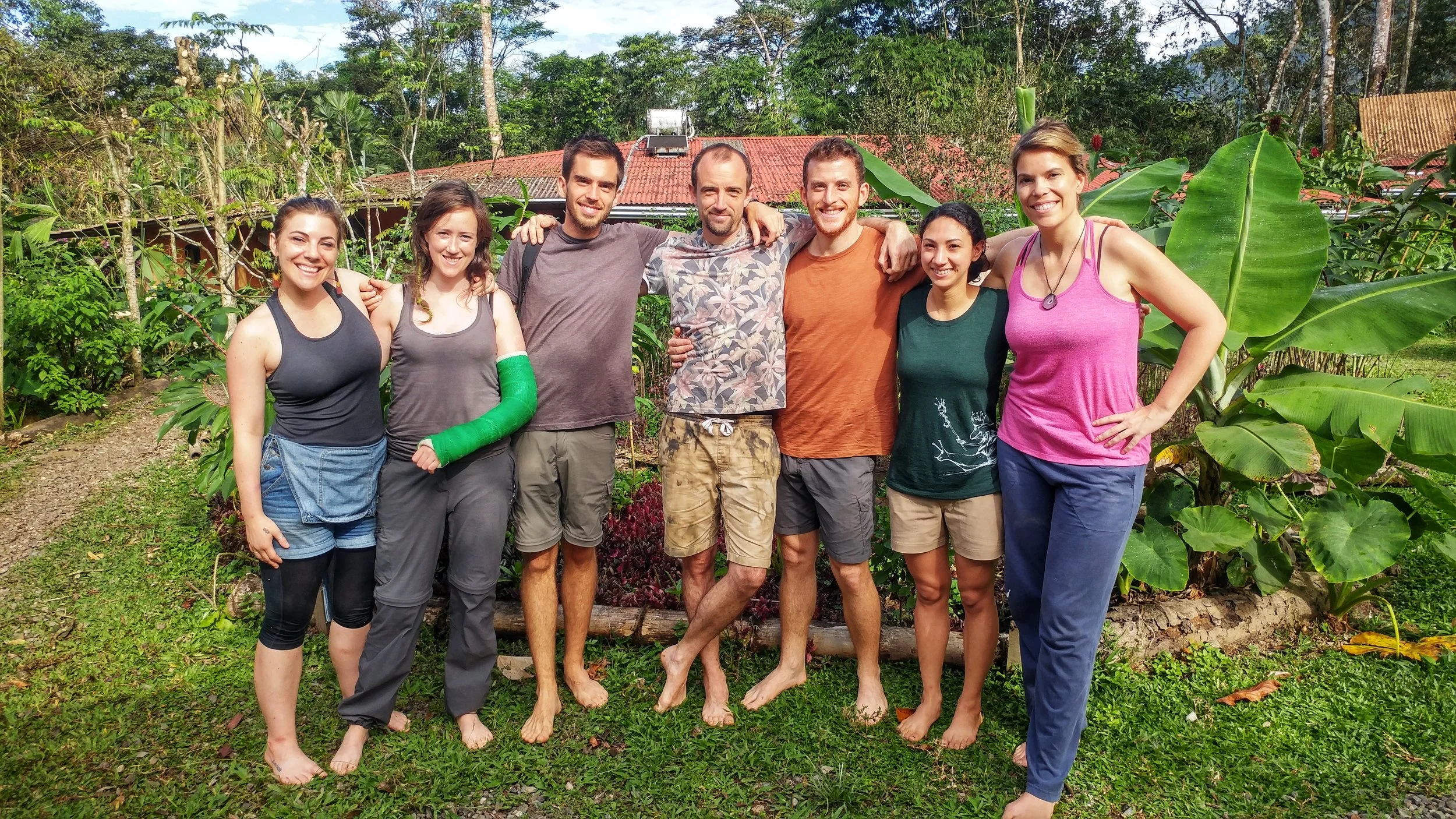
Life after the Ranch (Part 1: Day to Day Life)
The Ranch experience for me was completely life changing. This is the common feedback that is given from anyone that has stayed there, whether it was for a day, or a year. This place gets under your skin and awakens something inside you that makes you think differently.
By Marrissa Taylor
2018 Apprentice
The Ranch experience for me was completely life changing. This is the common feedback that is given from anyone that has stayed there, whether it was for a day, or a year. This place gets under your skin and awakens something inside you that makes you think differently. There is something very special about being given the space to learn, to question and to experiment with new information and skills. For the first 6-8 months we received a lot of training and workshops and in the second part of the apprenticeship we were all encouraged to take on our own projects in areas of interest, as well as continue the regular tasks and projects that we needed to do to contribute to the functioning of the Ranch. This was a great life balance – as you can never get away from the things you need to do to survive – but you can look at the ‘doing’ in a different way. So yes, you need to haul and lift the heavy bags of wet cow dung, then make a daily poop soup out of them to feed the Bio-digester. Most of us at the beginning did not look forward to our rotation on the Bio-D, but once you do it, and it becomes a part of your daily life. Something shifts.. You start to understand the extremely amazing system you are working on. That this task you are doing kicks off a very cool, yet simple, process of fermentation. The results of this both provide fuel you can feed 50 people on, and manure that you can feed your veggie seedlings with. It is at this point you also start to notice the tiny little delicate mushrooms that seem to magically come from nowhere, and how the birds congregate around the piles of manure for the worms underneath. Then finally in yourself, the smells that use to repel you suddenly become the smell of the earth at work, and the peace that surrounds this space is teaming with curious life. You learn to observe and experience the world differently. Something inside of you shifts… this is the Ranch.

One of the signs at the Biodigestor
Life after the Ranch, after this shift in perspective can be jarring for sure depending on where you are going. For me it was heading home to the cold winter of Canada. My newly strong body, my heart full of peace and nostalgia of leaving the Ranch and all my wonderful friends that are as close to family as you can get, now to enter the ‘real world’. This world is fast, full of social media, tv series bingeing conversations, food whose ingredients are barely recognizable and a taste that can only be described as chemical. Although it is balanced off because it is lovely to be reunited with family and friends and the familiar. It is as this point that others start to notice… you also start to notice, you are different now. Something inside you has shifted… You have an understanding of the effort that it takes to bring that food to your plate. How harmful the gobs of packaging is on the environment. You know what real un-chemically treated food tastes like – and even how that taste is further enhanced when you plant it, nurture it and wait expectantly for it to be ready to harvest. You have also spent the time on the ranch relatively disconnected from the web so the incessant surfing does not appeal like it used to. You crave real conversations, face to face, and even miss the gratitude dinner circle as you come to realize it is not common place to say thank you to people (even strangers) genuinely in the day to day. Something inside you has shifted…

The 2018 apprentice team
After the farm, I needed to find a job. It was the dead of winter and going to a farm was not an option. So I looked for casual work in my old career in international development. I ended up getting a 3 month contract in South Africa, so I left the cold. A part of me felt really guilty. I was ‘selling out’ on my farm life just to go back to my old career. Some of my other apprentice group were able to continue working on a farm – they could do it and they were happy for the most part. What was I doing?? So when I was offered a longer contract that also came with a feeling of major guilt. I needed to look at this opportunity differently. What I came to realize as I now sit in my new home in the mountains of Eswatini (Swaziland).. something in me had shifted and this cannot be defined by what I do on my daily, but rather how I do it – whether it be making poop soup or working with vulnerable communities – I have changed. I see and approach my life is differently. It is more whole hearted and with a sense of curiosity I did not have before.
On a practical note, there are permaculture groups EVERYWHERE in the world! So I am building linkages with some of these groups so that I can still continue to learn and connect in this way. I will have my own land one day, but until then I will continue to practice what I have learned when I can, teach what I know when I can.. and be forever grateful for how my experience at the ranch has shifted something in me.
Marissa
How Rancho Mastatal Changed my Life
It seems hyperbolic, but it’s hard to overstate the overwhelmingly positive effect that my experiences at Rancho Mastatal have had on my life, and my current career path.
By Kristen Mandala,
It seems hyperbolic, but it’s hard to overstate the overwhelmingly positive effect that my experiences at Rancho Mastatal have had on my life, and my current career path.
I was first introduced to Rancho Mastatal when I was running high school trips with a small Canadian eco-tourism company in January of 2017, called Evolve Tours. I was able to experience first-hand the effect the ranch has on inspiring young minds and reconnecting them with nature through hands-on activities and facilitation-style learning. I knew from the first night staying in the bamboo tree house (affectionately called the Hooch) that I was in for an unforgettable experience. The peaceful jungle-sleeps, coupled with the incredibly healthful and delicious food made it easy to return the following year to bring more youth to stay at the ranch.
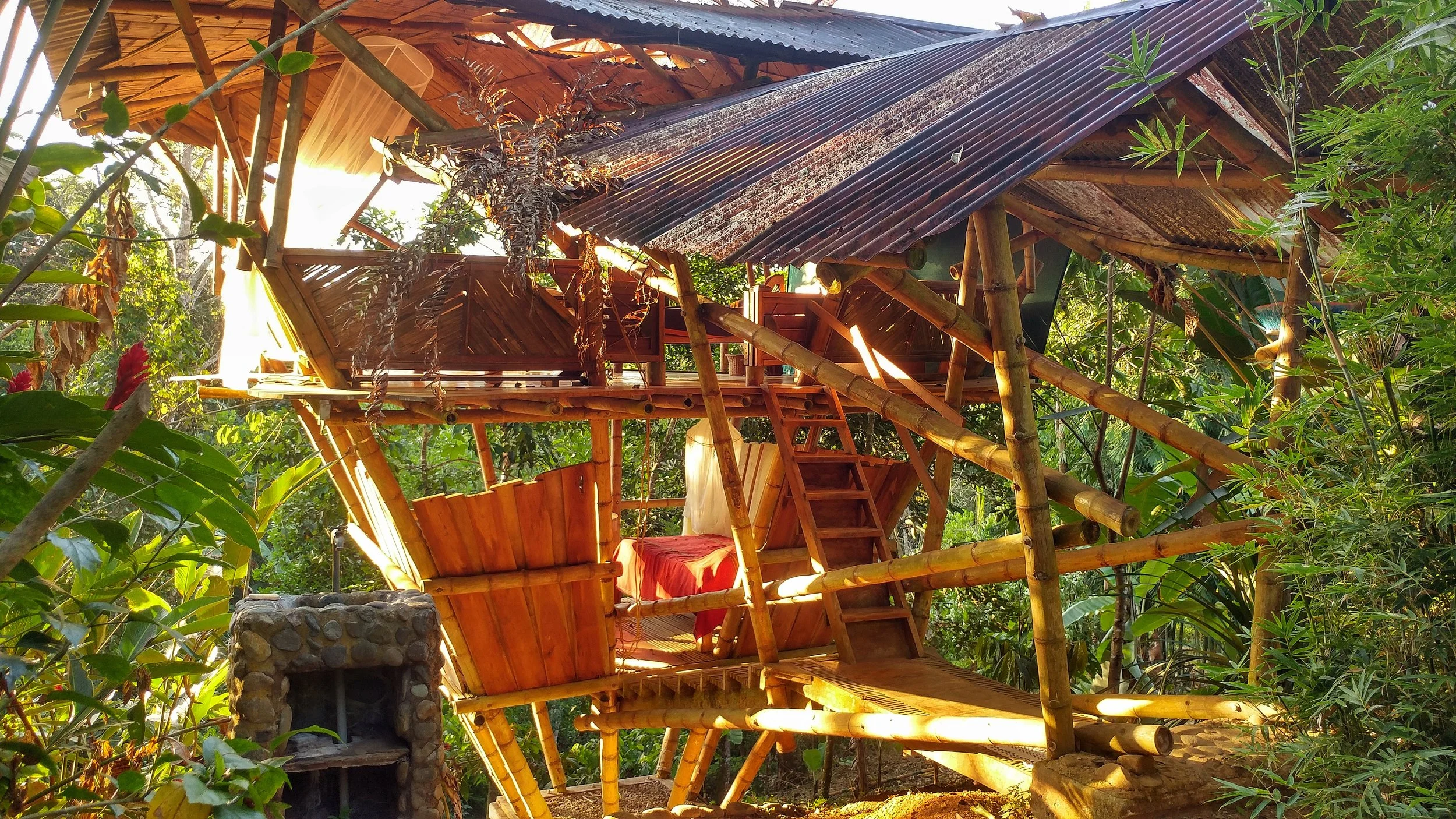
The Hooch at sunrise
They weren’t the only ones who gained knowledge from the lesson plans. The more I sat in on and participated in activities, the more I realized that my passion for sustainability and food systems could be more than my side “passion project” that I indulged in after regular work hours. Rancho Mastatal planted the seeds for what has become my new career back home in Toronto.
After moving on from touring, I decided to invest in my own education and enrolled in the Permaculture Design Course in April of 2018. This would be my first time travelling to the ranch as an individual and my first non-traditional education experience post-grad. My two weeks learning under Scott Gallant, Rachel Jackson, Laura Killingbeck, Chris Shanks, and Alejandro Arango as well as the incredible Core Team (love and gratitude to Nic, Ali, Timo, and Robin) and the 2018 apprentices was truly transformative.
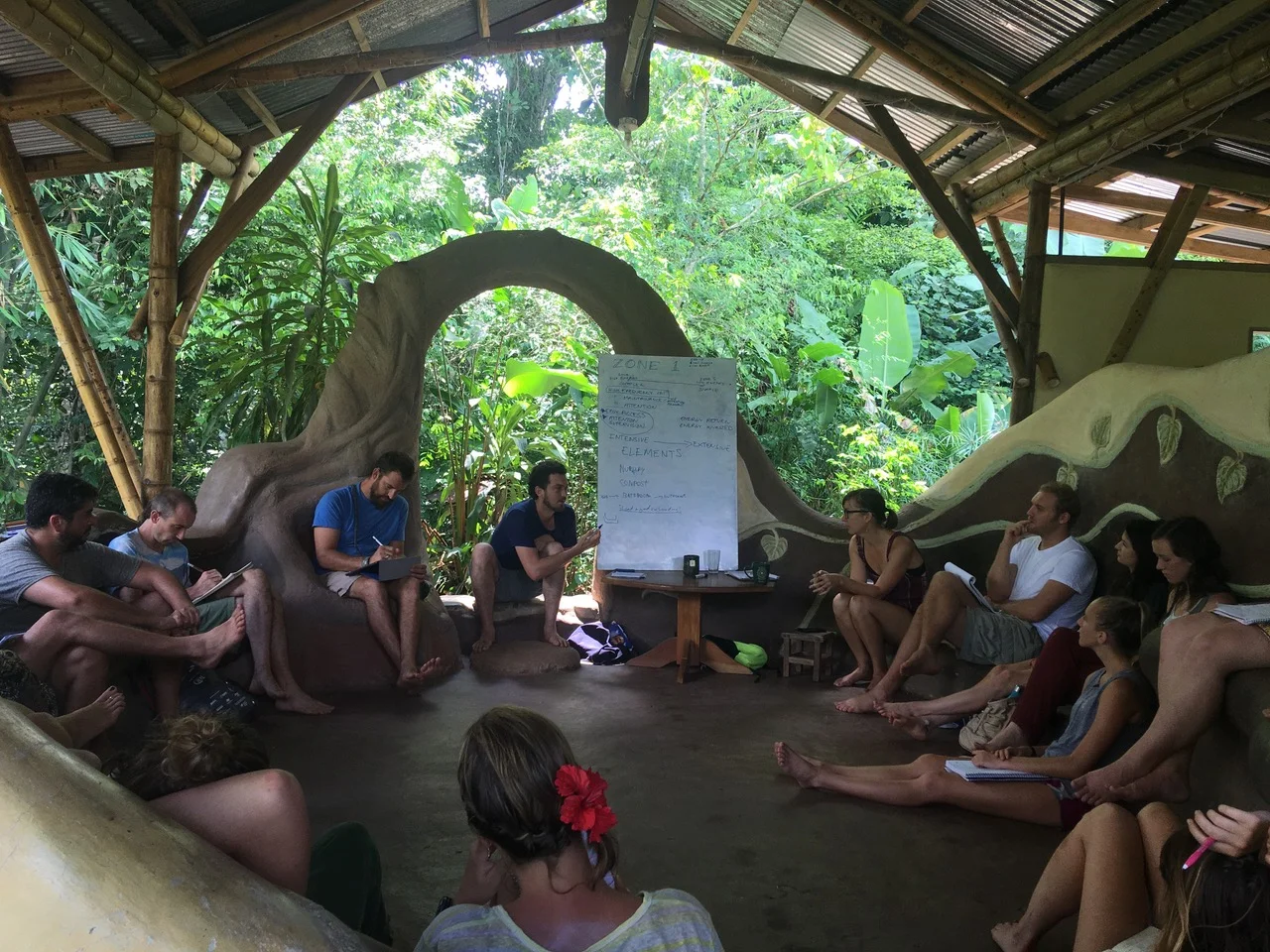
PDC lesson in our Ceiba Lounge
I was able to fully immerse myself in the world of permaculture, sustainable living, and social/food justice surrounded by like minded people from all over the world. It was like summer camp when I was a kid in all of the best ways, intersected with some of the most inspiring and stimulating lessons and conversations I’ve ever been apart of. The two weeks not only expanded my knowledge of regenerative ecology and permaculture, but also instilled in me a deep sense of optimism for the future state of the world knowing that there are so many incredibly intelligent people who want to bring the earth back to it’s roots through community-centered activism and organizing.
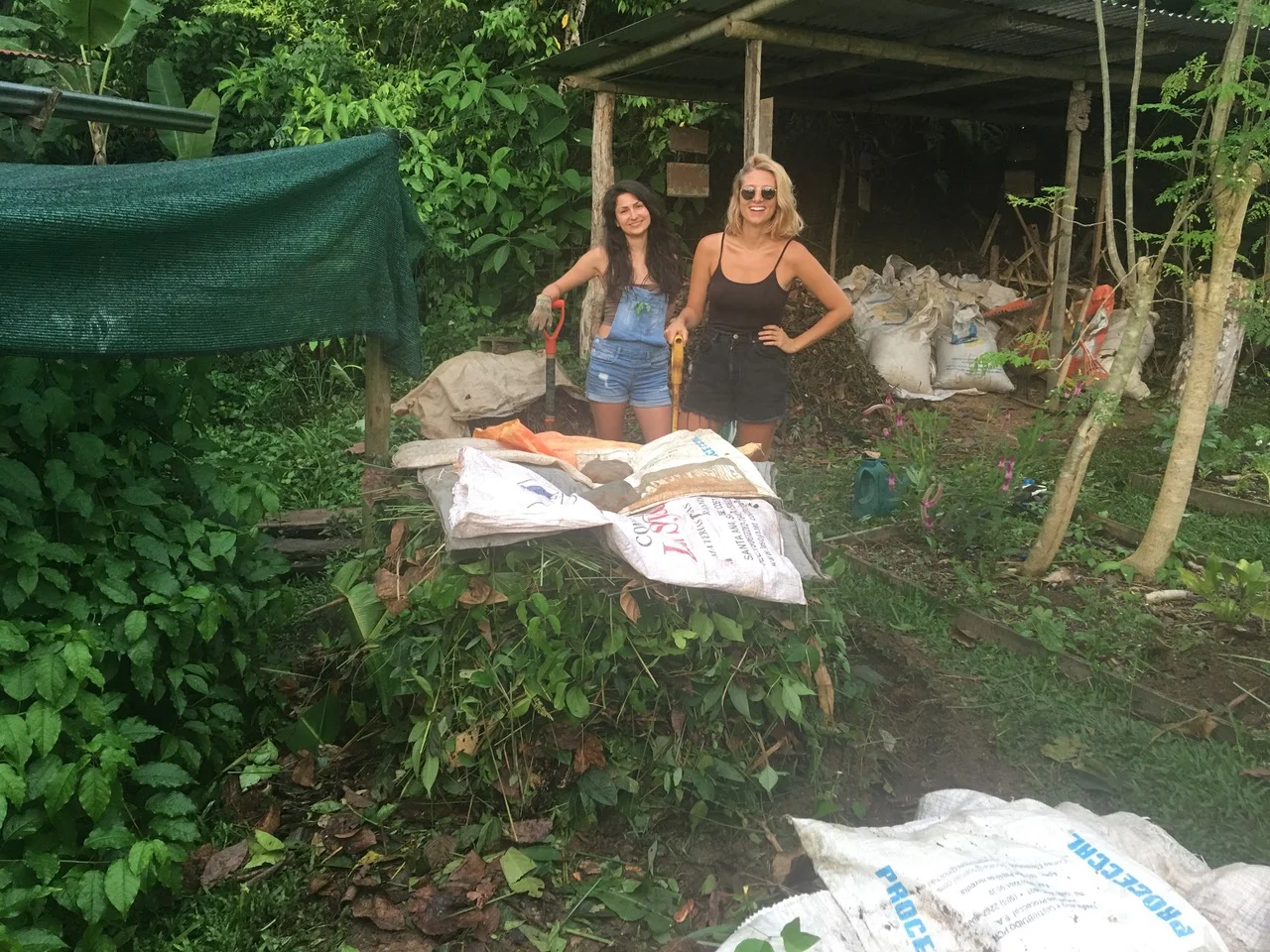
Fast-forward a year, I am lifelong friends with many of the people from the PDC, who have proven to be a beautiful support-system regardless of time zones; I have created a sustainable consulting company called The Greener Good, aimed at inspiring those in schools and offices throughout the Toronto area to incorporate sustainable habits into their daily lives through on-site workshops; and I am eternally grateful that I trusted myself and invested in my education by studying Permaculture Design at Rancho Mastatal.
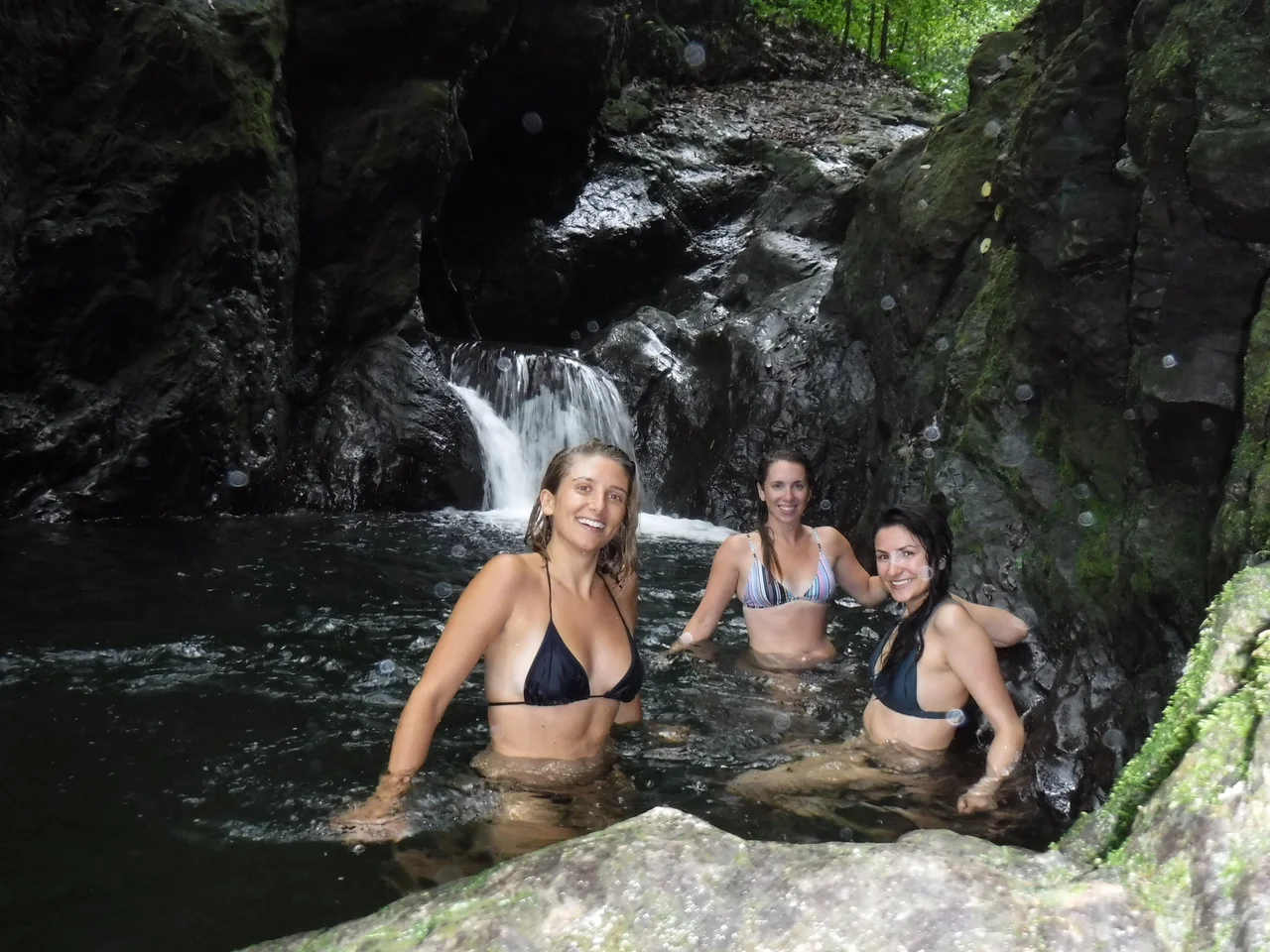
Enjoying the waterfall
My highlights of my time at the Ranch include: waking up and doing yoga on the deck overlooking the jungle, the coffee, the food (cannot emphasize enough how good the damn food is), SO MUCH LEARNING (from someone who struggled to stay engaged in school, I was hungry to learn more each day), running to the waterfall at lunch for a refreshing dip, walking to class and picking fruits on the way, playing soccer or ultimate before dinner, ending each night with some of the best conversations, and waking up and doing it all again.
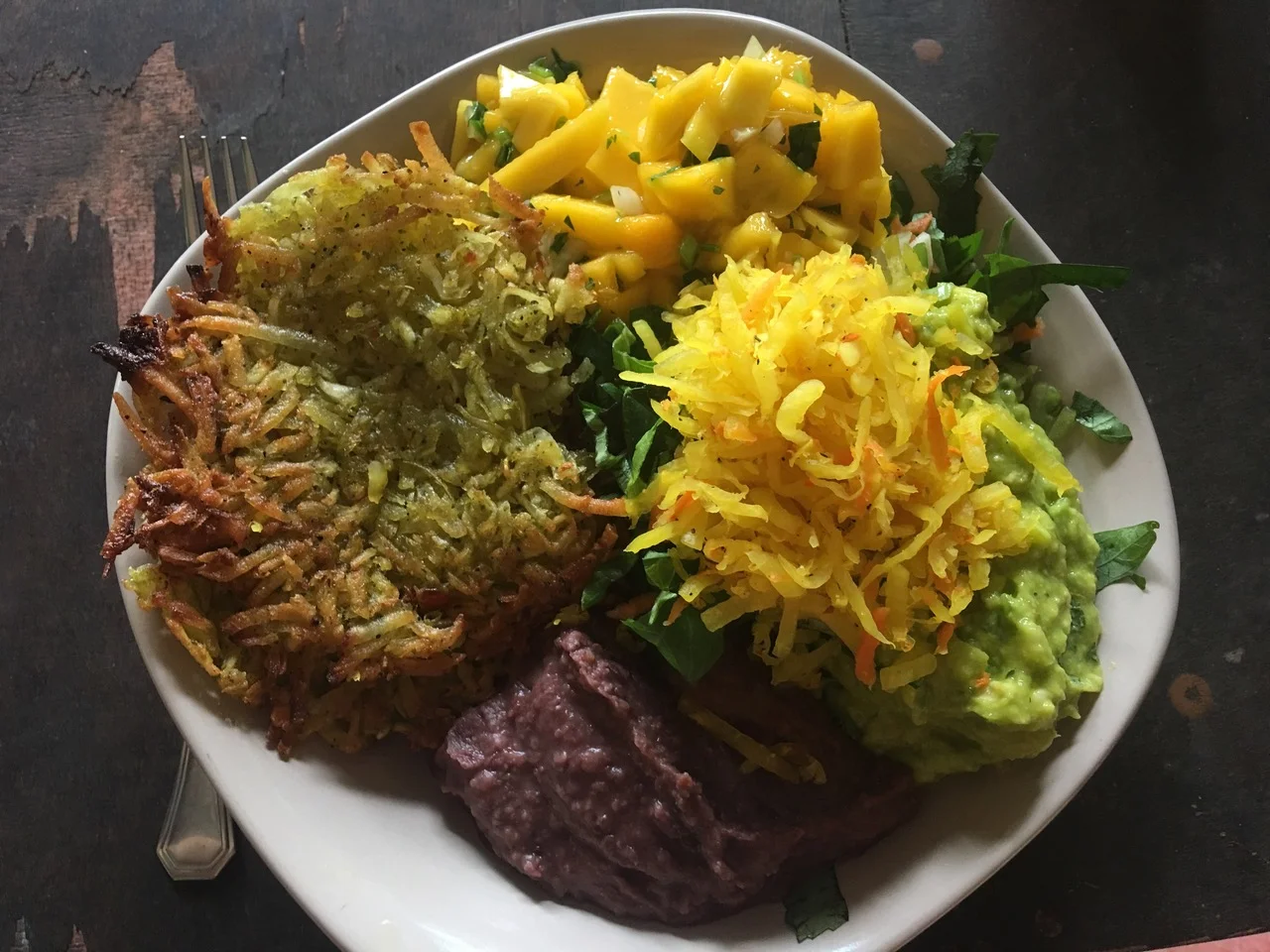
Locally sourced meals
Okay, I should end this now as I am currently flooded with nostalgia and my emotions doth runneth over as I type. To the folks at the Ranch, thank you for reminding me of my strengths, empowering me to use them, and for making a small piece of Costa Rica feel like home. I continue to thank Mother Nature before my meals and express gratitude at every turn, a practice introduced by Robin and Timo that I will always carry with me.
If anyone is looking for a sign to invest in themselves, this is it.
If you are interested in learning more about my project you can go to:
Instagram: www.instagram.com/@the.greener.good
Website: www.thegreenergood.net
Facebook: www.facebook.com/kristen.greener.good
With love and gratitude,
Kristen
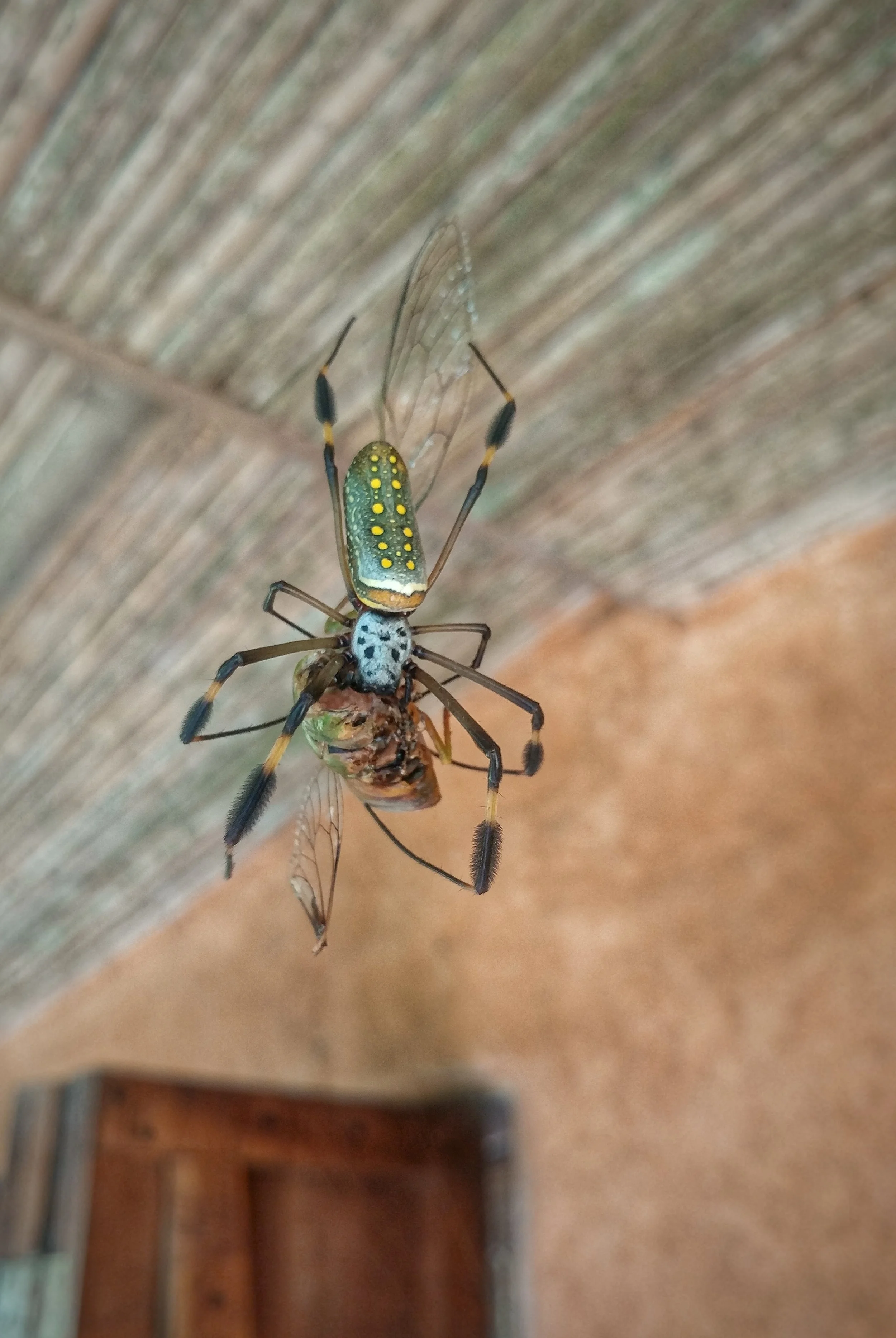
When The Ants Go Marching
Even before the start of my apprenticeship at the ranch, I would not have described myself as a particularly squeamish person. I like to think that I reacted to incidents involving large numbers of insects (infestations) with an appropriate amount of squeam. However, on more than one occasion, I was nudged outside of my comfort zone within the first few days of my time at the Ranch. Over the past few weeks, my relationship to these small jungle friends has changed once again.
By Abby Kuchar, 2019 Apprentice
Even before the start of my apprenticeship at the ranch, I would not have described myself as a particularly squeamish person. I like to think that I reacted to incidents involving large numbers of insects (infestations) with an appropriate amount of squeam. However, on more than one occasion, I was nudged outside of my comfort zone within the first few days of my time at the Ranch. Over the past few weeks, my relationship to these small jungle friends has changed once again.

My partner and I had just moved into our lovely abode, the Goat Barn. One evening when we returned home after dinner, we found at least 50 large army ants running around our floor! Quickly, we both started stomping away, desperate to kill every last one before climbing into bed, only to be kept awake by the feeling of phantom ants crawling between the sheets. The next morning, we exuberantly told the team the story of our ant adventures. A core team member, Ali, who has lived in Mastatal for the past six years, quipped “Only fifty? That’s weird.” Which, to say the least, was not the reaction I was expecting. “There’s usually A LOT more than that. The army ants will swarm a house for a few hours, clearing out the other insect larvae and bug parts. They’ll leave after an hour or so.” She explained.
A couple of days later, I noticed dark lines running along the outside walls of my house as I approached. Horrified, I realized the lines were actually dense highways of ants. Ribbons of industrious soldiers marched their way through the seams of the wall panels, into my home. I peeked my head into the room and saw an impressive and well organized network of army ants coming and going. Quickly I darted inside, grabbed my water bottle and book (the purpose of my trip) and gave the hard-working soldiers a quick salute. I will be back in five hours; I hope you all won’t be. I attempted to communicate, telepathically.
Sure enough, as we cautiously crept back into the house that evening, not a single ant could be found. In fact, the house felt eerily clean. Even the top of our mosquito netting, which had built up a graveyard of insects zapped by the overhanging light, was spotless. I hope they come back soon, our house could use a nice deep clean again.
Are you interested in experiencing Rancho Mastatal? Why not join us as a guest, maybe you will have the army ants clean your house too?!

Goodbye: Change is our only Constant
Scott Gallant and Laura Killingbeck joined the Ranch team as interns in January of 2010. The following year they joined the Ranch team as co-directors. From then until the present they have been instrumental in developing numerous critical systems and practices that have greatly contributed to the Ranch’s success. Their work in the areas of agroforestry, education, finance, human resources, marketing and food systems helped to revolutionize the Ranch in countless ways.
Goodbye: Change is our only Constant
Scott Gallant and Laura Killingbeck joined the Ranch team as interns in January of 2010. The following year they joined the Ranch team as co-directors. From then until the present they have been instrumental in developing numerous critical systems and practices that have greatly contributed to the Ranch’s success. Their work in the areas of agroforestry, education, finance, human resources, marketing and food systems helped to revolutionize the Ranch in countless ways. In recent months they have both decided to leave the Ranch to pursue other endeavors and are stepping down as Ranch core team members.

Scott is largely responsible for what the Ranch will be producing in its orchards for decades to come. He designed and planted out the majority of the perennial polyculture systems throughout the farm. He created and has maintained our orchard nurseries, taught hundreds of students the basics of food production in the tropics, and introduced a legion of others to the principles of permaculture as the Ranch’s lead permaculture teacher for a half-decade. He was also a crucial player in the development of the Ranch’s new website a few years back, has helped to get our financial systems on firm footing, worked to professionalize our educational services and much more.

Laura worked in a wide array of areas around the Ranch, including farm-to-table foodsheds, fermentation, program development, and community structures. Laura brought about dramatic changes to our food systems and educational programs, and helped to make our food processing space, the foodsmithery, a reality. She developed the Ranch's food and fermentation program and curriculum, co-taught the Ranch's first in-house class, and went on to teach thousands more people how to use local foods. She also instigated the creation and development of many of the Ranch’s invisible structures and worked to put into place systems to better organize and govern the Ranch business and community. Her work has also led the Ranch to develop policies and practices to improve our communication skills and create a space that is safe for everyone that uses our campus.
Scott and Laura challenged the Ranch to change the transient culture that characterized the Ranch when they arrived and brought stability with their presence over time. They were crucial in making decisions to increase the length of our internship program, eliminate short-term volunteers and create a more balanced community. They both worked tirelessly to develop our world-class apprenticeship over a multi-year period.

Scott and Laura were also critical players in the Ranch’s transition to participating in the local food movement. This has reduced the Ranch’s reliance on imported staple foods and increased our presence in Mastatal's local foods economy.
Scott and Laura lived and worked at the Ranch during some of our most challenging years. Through a period of limited financial resources, Scott and Laura worked long hours for minimal compensation while we struggled to improve our systems, generate more revenue, and create private spaces for our long-term members.
We wish both Scott and Laura success in their respective endeavors. They are two of the most influential people that have ever come through the Ranch gate.

Moving forward Scott will continue to work in Costa Rica developing his design firm, Porvenir Design. He will be based at Finca Luna Nueva near La Fortuna for the foreseeable future.
Laura anticipates exploring the world by bicycle while developing her writing profile. She is actively writing on themes of travel, gender, and adventure.
You can follow along with their future adventures on instagram @laurakillingbeck and @scottplantstrees.

Choosing Consciously for Healthier Families and a Safer Home
Many of us grow up thinking of home as our safest place. As consumers, we have been led to believe that by the time products make it to the market, they have been thoroughly tested and proven safe. We pick up packaging and read labels before buying, just to know what is in the products. But, what does a label really tell us? What are these manufactured products made with? Where and how was it cultivated, processed, packages and shipped?
By Sharleen Marie, Rancho Mastatal Teaching Staff, 2019
Many of us grow up thinking of home as our safest place. As consumers, we have been led to believe that by the time products make it to the market, they have been thoroughly tested and proven safe. We pick up packaging and read labels before buying, just to know what is in the products. But, what does a label really tell us? What are these manufactured products made with? Where and how was it cultivated, processed, packages and shipped? When I first began looking for answers, I encouraged myself to search, detach and reeducate myself about how better make conscious decisions and take actions aligned with my principals and values for my body, my community and my environment. I became passionate about searching what I now choose for nourishment in food, personal care, and lifestyle.

To begin this journey, I intentionally created the habit of choosing all products based on their ingredients rather than their label. I am grateful and fortunate that I had many people around me who inspired me to learn new ways in which I could live a sustainable life, aware of and driven to practice what was best for me, the people and the places I love and care about. After reading this article, I encourage you to continue your journey to discover alternatives solutions and create the changes that produce the results you wish to see in the world.
Don’t just Trust Labels Read the Ingredients
Labels can be misleading. What we think we know about a product may not be true. How safe are your cleaning supplies and skin care products, really? What does ‘Eco-friendly’, ‘Biodegradable’, ‘Natural’ and ‘Nontoxic’ really mean? For example, when we talk about biodegradability of a material or substance, we’re talking about its ability to be broken down into its smallest components parts. This decomposition can be caused by various natural forces like: hungry microorganisms with a digestive system that can break compounds apart into simpler substances, and by contact with light or water, processes called photolysis and hydrolysis consequently. Biodegradability lies at the heart of nature’s sustainable recycling system. Once created, everything from plants to animals is eventually broken down into its most basic parts, which then become the building blocks for new life that itself will some day similarly decay.
When it comes to household, skin care, beauty, and cosmetic chemicals, biodegradability is generally a good thing. In order for a product to be labeled as biodegradable, Federal Trade Commission (FTC) guidelines state that it must degrade when exposed to air, moisture, bacteria, or other organism, and it must return to the natural environment in a reasonably short time when properly disposed of. There is no standard or oversight for the label; manufacturers may label products “biodegradable” at their discretion.
Understanding What You Read

The business of manufacturing cleaning and cosmetic products relies on chemistry. Chemistry itself is not a bad thing. It’s the kinds of chemicals we make and use that matter. Like most anything else, there is a good side and a bad side to all the molecular manipulation chemists practice. There are safe chemicals, and there are unsafe chemicals. Our problem today is that we don’t know which are which. Chemical companies are not obligated to list the ingredients in their products, better known as Voluntary Disclosure Program. This program leaves of decision of wether or not to list ingredients at the sole discretion of the manufacturers. Manufacturers can also legally omit hazardous chemicals if they are part of a mixture the company claims to be a trade secret. (1)
How much do we know about the effects of daily contact with toxic household materials that retailers sell on faith, while we ourselves are serving as the test tubes while we live, breath, and raise our families among these components every day? Toxic chemicals found in detergents, perfumes, solvents, pesticides, pharmaceuticals, personal care products and household cleaners vary in their severity – from acute (immediate) hazards such as skin or respiratory issues, chemical burns or watery eyes to chronic (long term) hazards.
According to an Environmental Protection Agency (EPA) study of human fatty tissue samples, every American man, woman, and child carries at least 700 pollutants in his or her body. (2) Today, there are an estimated 80,000 different chemical compounds being made and used. (3) In 2016, the EPA named the first 10 chemicals it will evaluate under the new Frank R. Lautenberg Chemical Safety for the 21st Century Act, the first update since 1976 of the nation’s primary toxic substances law. (4)

In the last several years, a growing body of scientific evidence has indicated that the air within homes and indoor environment can be more seriously polluted than the outdoor air in even the largest and most industrialized cities. Other research indicates that people spend approximately 90% of their time indoors. Thus, for many people, the risks to health may be greater due to exposure to air pollution indoors than outdoors. In addition, people who may be exposed to indoor air pollutants for the longest periods of time are often those most susceptible to the effects of indoor air pollution. Such groups include the young, the elderly and the chronically ill, especially those suffering from respiratory or cardiovascular disease.
The evidence that does exist strongly suggests that exposure to many of the common products we take for granted can cause chronic diseases, cancer, fertility issues, ADHD, compromised immune system, hormone disruption, nerve and organ damage, allergies, asthma, sinusitis, anxiety, depression, and other health problems. Do any of these health problems sound familiar?

The 2017 American Association of Poison Control Centers' National Poison Data System (NPDS) reported, consistent with the previous year, that the top 5 substance classes most frequently involved in all human exposures were analgesics (11.08%), household cleaning substances (7.43%), cosmetics/personal care products (6.76%), sedatives/hypnotics/antipsychotics (5.74%), and antidepressants (5.02%). Including the top 5 most common exposures in children age 5 years or less were cosmetics/personal care products (12.59%), household cleaning substances (10.96%), analgesics (9.18%), foreign bodies/toys/miscellaneous (6.39%), and topical preparations (4.84%). (5)
Healthy homes must extend into the larger world beyond our windows. By definition it means not only making sure that the activities that take place inside our houses are as nontoxic as possible, but also doing whatever we can to make sure that these activities don’t negatively impact the environment outside. As ever increasing amounts and types of different industrial chemicals are being manufactured and used, our environment is becoming increasingly contaminated by the pollution these chemicals create. This is because many of the synthetic chemicals made today do not easily break down into harmless bits and pieces as natural materials do. Instead, they resist decomposition, and once they are introduced into our air, water, and soil, they tend to remain there for long periods of time. This persistence means that as more of these chemicals enter our environment and bodies, they accumulate in ever larger amounts.
What Can I Do? Small Changes = Huge Benefits
Manufacturers and the organizations that works to protect their interests aren’t going to make the changes we need. If, as consumers you want the right to know exactly what is in the products you purchase and to change the toxicity of products used all around you and your family, you need to ask for and demand change.
Research the products you buy. Purchase only from companies that list all the ingredients on their products’ packaging. When you do have a concern about a commercial product, contact the company and express your concerns about their ingredients and/or marketing practices.
Ask the places you frequent —schools, daycares, workplaces, in community centers— to change the products they use to safer, less toxic supplies for the well being of our children, friends, parents, and community.
Speak about this issue and your concerns with your family, neighbors, coworkers and friends.

Make your own cleaning products for your home, using less toxic ingredients. There are many resources available including immersive trainings like Sustainable Practice: Homesteading to Skin Care, which I will co teach this May 2019. During the course students will learn how to create their own line of nontoxic natural products and free themselves from a dependency on wasteful commercialized goods. This course and others like it can provide an introduction to topics such as fermentation, distillation and herbalism in order to help build the foundation skills and confidence students often need in order to safely create their own personal care products and promote holistic wellbeing in their home and environment.
Article written by Sharleen Marie, co-founder of Atabey Botanicals, a social enterprise dedicated to supporting you develop practical applications of sustainability into your lifestyle that will improve your health and well being and protect the environment.
The workshop will be held at Rancho Mastatal, Costa Rica. Learn, Stay and Explore the education center, working permaculture farm, lodge and community rooted in environmental sustainability, meaningful, place-based livelihoods, and caring relationships.
To know more, access https://ranchomastatal.com/sustainablepractice or contact me through atabeybotanicals@gmail.com
Sources:
(1) Welsh, M. S., Lamesse, M., Karpinski, E. (2000) “Te verification of hazardous ingredients disclosure in selected material safety data sheets.” Appl Occup Environ Hyg. 15(5):409-420.
(2) US Environmental Protection Agency Office of Toxic Substances, “Analysis of Human Adipose Tissue, Volume 1: Technical Approach.” (1987) Accessed online on April 4th 2019, https://nepis.epa.gov/Exe/ZyNET.exe/10003C6I.txt?ZyActionD=ZyDocument&Client=EPA&Index=1986%20Thru%201990&Docs=&Query=human%20adipose%20tissue%20technical%20approach&Time=&EndTime=&SearchMethod=2&TocRestrict=n&Toc=&TocEntry=&QField=&QFieldYear=&QFieldMonth=&QFieldDay=&UseQField=&IntQFieldOp=0&ExtQFieldOp=0&XmlQuery=&File=D%3A%5CZYFILES%5CINDEX%20DATA%5C86THRU90%5CTXT%5C00000000%5C10003C6I.txt&User=anonymous&Password=anonymous&SortMethod=-f%3Apubyear&MaximumDocuments=15&FuzzyDegree=-1&ImageQuality=r85g16/r85g16/x150y150g16/i500&Display=hpfr&DefSeekPage=x&SearchBack=ZyActionE&Back=ZyActionS&BackDesc=Results%20page&MaximumPages=1&ZyEntry=1&SeekPage=x
(3) Steve Waygood, “Uncertainty Persists on Chemical Equation.” Environmental Finance, September 2004
(4) https://www.ewg.org/research/under-new-safety-law-epa-picks-first-10-chemicals-review
(5) Gummin DD, Mowry JB, Spyker DA, Brooks DE, Osterthaler KM, et al. 2017 Annual Report of the American Association of Poison Control Centers' National Poison Data System (NPDS): 35th Annual Report. Clin Toxicol (Phila). 2018 Dec 21;:1-203. PubMed PMID: 30576252.

How Can We Make a Change in the World
Everything seems to have been created by a higher intelligence that has designed this universe in mysterious ways for us to live off. We live in a perfect symbiosis with nature. Everything seems to have a purpose which co-exists with all that is around us yet we don’t have an explanation to all this perfection.
by Diana Dagash, Apprentice 2019
Everything seems to have been created by a higher intelligence that has designed this universe in mysterious ways for us to live off. We live in a perfect symbiosis with nature. Everything seems to have a purpose which co-exists with all that is around us yet we don’t have an explanation to all this perfection.
What if we had the access to tap in to the secrets of nature, would it be possible to live a healthier and more sustainable way?
How does our connection and understanding of nature relate back to ourselves?
What if the way we treat our own bodies reflects on the way we treat Mother Earth?
If we look at the patterns in nature we can see that Earth is a macrocosm reflection of our own organisms. Earth is our body, the trees our lungs, plants our hair. The waters, seas are our fluids, that are in sync with the moon and the planets. The stages of the moon reflect on our emotional, energetical and physical states. The new moon represents a new cycle for growth, setting intentions, regeneration and with the full moon we reach peak of our energy as the tides of the sea rise, the winds get stronger, nature is at its highest strength. It is a good time to harvest what we’ve sown.
When the body is ill and weak it struggles to regulate its own temperature the, extremes of hot and cold temperatures resemble the behavior of our planet. Observing today’s climate change and natural disasters reflect on how we’ve been treating this planet. We already see the consequences of our actions. We have abused and exploited the forests and waters.
Mother Earth is patient and compassionate, she embraces us , provides us with all our needs , we are her children. She needs our cooperation , our understanding of the messages she sends to us, for us all to survive and thrive. We have forgotten our origin, where our food comes from, what allows us to coexist.
We are trying to live against the cycle of life by suppressing our illness symptoms just as we are manipulating the weather to cover the climate change that we have caused. Society has surrounded itself with comfort, trying to protect itself from nature and to change its power dynamics .We came out of sync and communication with Mother Earth. We are already paying the price of destruction, exploitation of natural resources and struggle to live in abundance.
The amount of food wasted that could feed the whole world if we stopped and reevaluated our needs and priorities in life. The individualism and race to accumulate more that we could every possible need! The greediness has blinded many of us from love and care to ourselves , to one another and to the planet we live on. The industrialism has left very little space for small farmers to survive. The food grown is mass produced and poisoned in interest to earn money as well as pharmaceutical companies wants us to always come back.
Our heads have been turned to the other side. Our education has not introduced us to our connection with nature and the healing powers within us and around us. We have not been taught to peacefully communicate with one another, nor how to explore our inner world that provides us with intuition and peaceful mind.
It has been said already “ The whole world is within you.” If we focused ourselves within, maybe we could find the answers to our problems and create a peaceful world we there is no war?
“You cannot solve a problem with the same way of thinking that create it “
I believe that if we integrate education on sustainable living into schools, children growing up with have more much awareness on the importance of sustainable living and the change we can make to a healthier life.
I strongly believe that if we want a change education would be at the base of it all.
How I believe we can make a change:
1. Proper education on sustainable living for example : permaculture, agroforestry, natural building, carpentry, homesteading , making your own biodegradable body and cleaning products, culinary skills.
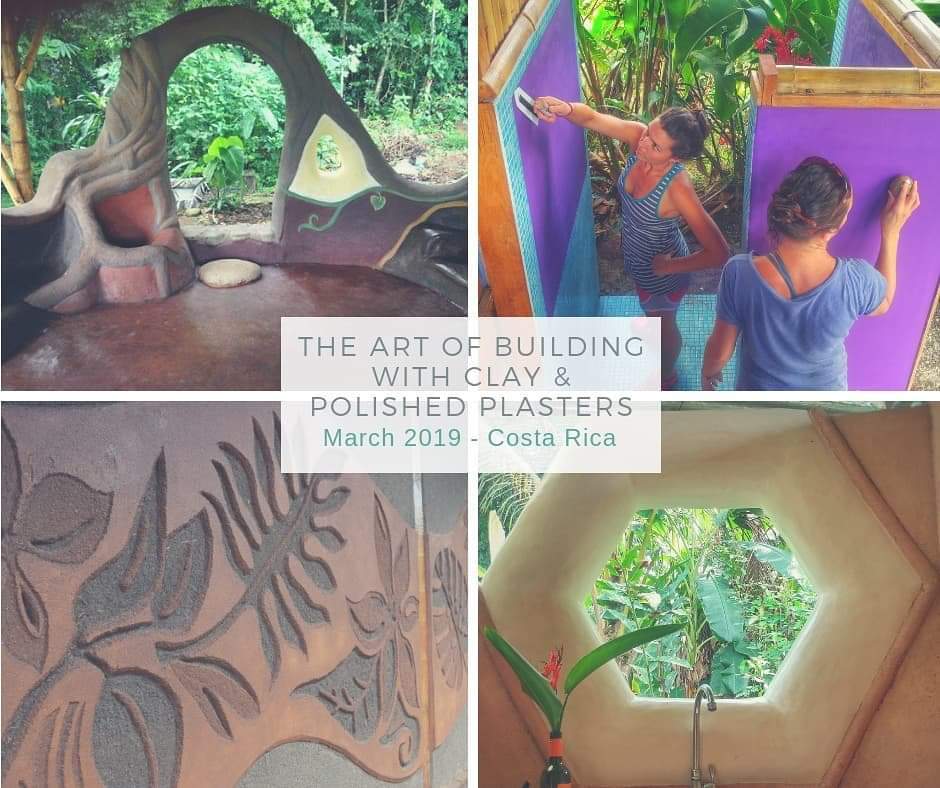
Workshops to inspire and empower you to change
2. Taking responsibility for our actions, the consequences of consumerism and how to stop mass waste production. For example – grow your own food.

Planting seedlings for food production
3. Self-development, healing the micro and macrocosm. Bringing awareness within, practices that pro mote introspection and self-reflection like meditation , learn to peacefully interact with others. Some great book references for this are the following :
The Power of Now by Eckhart Tolle
Non-Violent Communication Dr. Rosenberg
The 4 agreements Don Miguel Ruiz
4. Learn life skills that are beneficial to your environment.

Bamboo building at Rancho Mastatal, a sustainable building material
5. Choosing the possibility to live at your highest path , to stand for righteous actions and lifestyle.
6. Gain knowledge of medicinal plants in your area, get familiar with natural medicine, self-healing and maintain a preventative holistic lifestyle.
7. Make space for self-exploration , discover your interests and passions that you heart calls, surely they will benefit the world.
For me it is a priority to dedicate my life to create a greener healthier world, to learn how to be self-sufficient , build my own house , grow my own food, live harmlessly in nature, educate and promote that lifestyle and provide a good future for future generations .
Currently I live in Costa Rica doing a year long apprenticeship on sustainable educational farm that focuses on those matters and has created a heavenly community of loving , caring people that come together to learn and make a change.
I like to visualize a world that lives in abundance and has everyone’s basic needs met. A planet with clean air and water, where we would have food forests all around and houses surrounded with edible greens and herbs. It inspires me to think of what’s possible and focus my energy onto creating it.
Together we can change the world, so let’s take action, create ripples that will spread across the world. The power is within us to create the world we want to live in.
I wish you to pursue your purpose in life and discover your highest path for living.
I warmly invite you to visit farm that teach about sustainability such as Rancho Mastatal, learn about self-sufficiency, minimizing industrialism and harm to the ecology
Seeing all the movements rising to save our Earth I have faith and am excited to see the good changes happening in our society.
There is a rise in consciousness around the globe, let’s all be part of it!
Blessings to all
Diana

Permaculture Education: Virtual Reality and Keeping it Real
Nearly a decade ago I moved to where I live now-- a tiny, isolated, town in rural Latin America. Its charms include lush towers of tropical rain forest, rainbows of succulent fruits, and a nightly chorus of a thousand frogs. A single disheveled bus leaves in the morning and returns at night, except on Sundays, or when the road washes out. The place is home to farmers, families, and a spattering of eclectic foreigners. The town's namesake, the Mastate, is a tree that bears a thick white sap which people sometimes drink in coffee, like milk.
By Laura Killingbeck
This article was first published in the Permaculture Design Magazine.
Nearly a decade ago I moved to where I live now-- a tiny, isolated, town in rural Latin America. Its charms include lush towers of tropical rain forest, rainbows of succulent fruits, and a nightly chorus of a thousand frogs. A single disheveled bus leaves in the morning and returns at night, except on Sundays, or when the road washes out. The place is home to farmers, families, and a spattering of eclectic foreigners. The town's namesake, the Mastate, is a tree that bears a thick white sap which people sometimes drink in coffee, like milk.

Our house at Rancho Mastatal. My partner Scott Gallant and I designed the yard to grow food, medicine, and market crops. (Photo Credit Laura Killingbeck; Mastatal, Costa Rica)
I live in a two-room cabin made of wood, earth, and bamboo, and teach food and fermentation classes at a sustainability education center. Each morning I commute six minutes to work—by foot, of course--on a trail through the orchard. I do not have WiFi. And until very recently, I did not have a cell phone, a car, or grid electricity either. My life has been, and largely still is, made up entirely of the world that reaches me directly.
Despite the rural nature of my home and work, I am constantly surrounded by a transitioning cast of characters—short and long term residents of the community, students and instructors from around the world, and international guests and groups. I frequently share breakfast, lunch, and dinner, with 40 or more people. So my isolation really is a relative one: I have constant contact with many people face to face, and very little with anyone more than a quarter mile away.

Rancho Mastatal students and apprentices come from around the world to learn about engaging deeply with place. (Photo Credit Laura Killingbeck; Mastatal, Costa Rica; Instructors from left to right: Bill Steen, Athena Steen, Benito Steen)
Not all of my time is spent here. For part of the year I live on another beautiful and secluded farm in Massachusetts, where I also have no car, no cell phone, and limited internet. Here I also live in community, sharing most meals with at least a half dozen folks, and enjoy a social circle that radiates about five miles, to neighboring farms, the park, and a local brewery.
It is a simple and curious life. Most of the time I am literally surrounded by people, yet I have almost no access to anyone that is not directly in front of me. For most of my life, my participation in an online identity has been “virtually” blank.
This relative isolation has shaped my relationship with the world around me. Until very recently I never looked at something—a beautiful sunset, a fallen leaf, a friend--and thought to take a picture. I did not have a cell phone to take a selfie, or text someone, or make a Facebook post. It was just me, and us, and the moment I was a part of. With no truncated or modified story about what I was doing or why, I had the freedom to choose it and experience it, completely and wholly, of my own accord. In many ways, this “isolation” felt like the ultimate integrity.

Round the Bend Farm Center for Restorative Community in Dartmouth, Massachusetts. (Photo Credit Laura Killingbeck)
But the way people communicate, share, and socialize continues to evolve. A big part of how we understand ourselves and others is sculpted from the stories we tell about our lives. These stories begin from our own perspective, which is then shaped and shifted by the responses of others. How we understand ourselves and our lives is personal, and also social. And as more and more people are “virtually” social, my “virtual” isolation has felt more, well, isolating.
Social media, blogging, Facebook, Instagram, the internet in general, are all “virtual realities” of human engagement. The pictures we post, the hashtags we link to, the words or emoticons we use, form a web of “virtual” identity and relationships. Increasingly, we supplement or even replace our direct experience with other people and the world with the indirect experience mediated by this technology. And increasingly, we shift the way we actually live our real lives, or the stories we tell about our real lives, to accommodate the beast of social media.
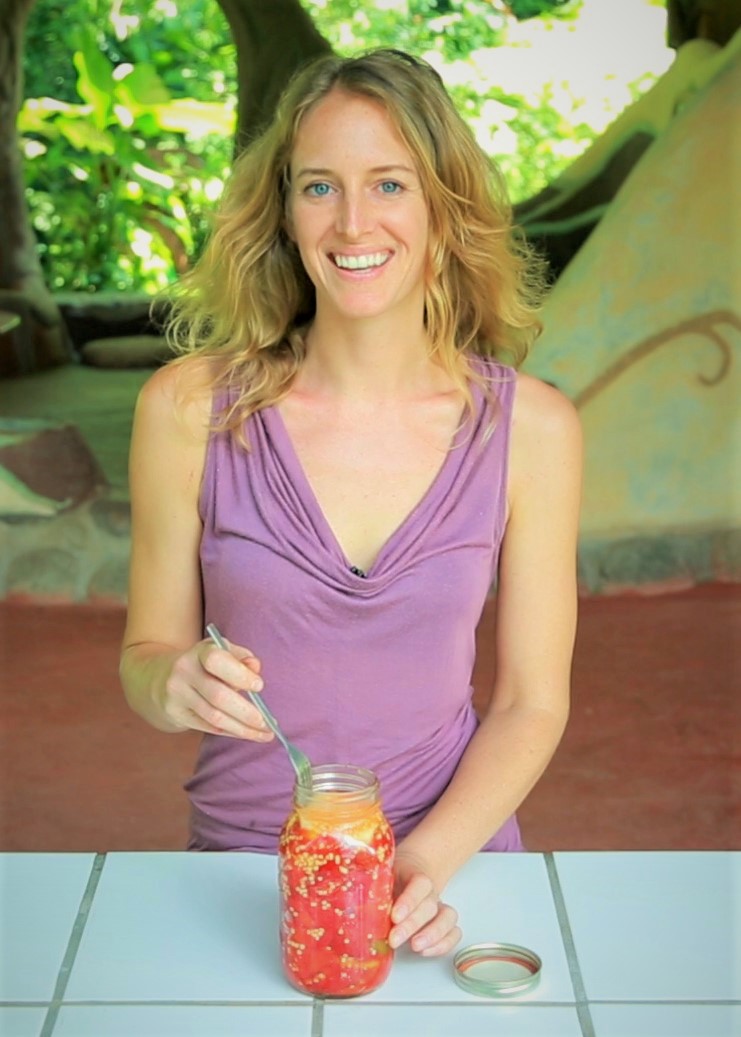
Filming the online Fermentation Tutorial. (Photo Credit Spenser Gabin; Mastatal, Costa Rica, of Laura Killingbeck)
Over the years I have seen thousands of people pass through my tiny corner of the world, seeking education, rejuvenation, inspiration. I have watched dozens of instructors across many disciplines—agroforestry, permaculture design, natural building, renewable energy, health and nutrition—repeat over and over again the same mantra—that we must learn how to engage with the world around us to create truly sustainable homes, livelihoods, and communities rooted in place. We have to actually feel the clay to know if its suitable for making clay plaster; to watch the tree to know when its time to prune; to taste the pickles to see if they're fully fermented. We need to focus our energy on the vivid, tangible relationships between the objects of our immediate surroundings. Every aspect of applied permaculture and sustainable design on some level revolves around this single spark of observation and engagement with real reality.
Just as there is an irony to my constant contact with streams of people in a tiny, rural setting, there is an irony that permaculture educators must increasingly tell the story of their direct experience with the world around them via the interface of the internet. We now use social media, online videos, and blogs to teach permaculture theory and skills, and connect with others doing the same. This makes sense--we need to be able to tell the stories of our lives and work in a way that people can access. Our great challenge in this is to translate our real reality into virtual reality, while keeping our lives really real, and keeping our students really involved.

I use Instagram to share simple recipes and special moments about real life. These are two varieties of jackfruit from the farm. (Photo Credit Laura Killingbeck; Mastatal, Costa Rica)
For most of my life I resisted getting a smart phone because I wanted to fully connect with the people and place around me; I finally got one for the same reason. This year I bought my first smart phone and got connected to the web. I entered online participation by starting an Instagram account and filming an online fermentation tutorial (Fermenting in Warm Climates, to be released in November, 2017). The purpose of the tutorial is to enable people to understand the broad theory and methods behind fermentation, in a way they can adapt to the specific foods from the place where they live. As devoted as I am to place-based experiential education, there was a constant irony to filming something designed to be accessible to a global market. But this is exactly the challenge of permaculture education in all its iterations—using a globalized perspective of broad methods to hone in on specific relationships with particular places. For this reason, the tutorial demonstrates patterns and methodologies for fermenting vegetables, dairy, fruits, etc, and provides instruction about how people can adapt these to their own local foods. The “best” fermentation recipes are not the same for everyone, everywhere. The best recipes are intrinsically tied to the fresh foods and cultures (both human and microbial!) of the specific places where people live. By creating an online tutorial I hope to be able to reach more people who find this information useful, while simultaneously leading them to engage directly with their own local foods.

Scott Gallant maps a landscape with a phone app. (Photo Credit Laura Killingbeck; Mastatal, Costa Rica; of Scott Gallant)
Online education, social media, and all other outlets of virtual reality that teach us about permaculture design and applied skills should always draw us to engage more in real reality. Real reality is dynamic, unstandardized, unhomogenized. Information on the internet often defaults to the least common denominator of most common products or ideas. In the case of fermentation, recipes often default to the most widely accessible ingredients, microbial cultures, or plant varieties from mass markets. This funnels more and more people into understanding fermentation and food from a peculiarly standardized perspective. But local food is dynamic, and microbes don't care about business as usual. Filming the online tutorial made me realize how important it is that we hold our ground and address a global audience with a clear emphasis on the dynamic nature of real reality, even if it doesn't fit the current most popular algorithm, hashtag, or SEO. When we go virtual, we need to keep it real.

Quiet moments are important arenas for self reflection. (Photo Credit Laura Killingbeck; Mastatal, Costa Rica)
There is something valuable about crafting our lives without anyone looking. About feeling, and appreciating, a moment without anyone knowing. About making decisions because they represent the core of who we are, nothing more and nothing less. I sometimes fear that the constant contact of social media draws us farther away from this core. I see people poking away at their phones when they could be experiencing a spectacular moment in real life. Or maybe not a spectacular moment—maybe just the mundane. But even these moments, rote, predictable, commonplace, are arenas for our minds to wander, probe, filter. We can find strange things in these moments. Simple or complicated truths. The moments when there is nothing to think about and nothing to do are some of the greatest resources we have for self reflection. To lose these to online shopping, Facebook scrolling, or texting would be devastating.

I learned a lot about tropical starch fermentation online. (Photo Credit Laura Killingbeck; Mastatal, Costa Rica)
But there is also something both valuable and necessary about sharing our lives with others, listening to a wider range of voices, and participating in global conversations. Even in Mastatal, my tiny green town, there is no real escape or seclusion. Here we see changes in climate that affect our crops; changes in tourism that affect our economies; changes in policies that affect our land and homes. You can escape from many things, but not from everything, happening all at once, sweeping you with it.
As a millennial just entering the periphery of online participation, I realize I am on the far end of a spectrum for how I balance my real life with my virtual one. But my position on the sideline has given me the advantage of a unique perspective about how to manage this balance. Most days I turn my phone on twice—once in the morning to check emails and make an Instagram post, and once in the afternoon to follow up on questions or comments. The bulk of the day is internet free, but I am still able to connect virtually to lots of people. I understand that this limited access is not possible or desirable for everyone. Lots of people do amazing and positive work via the internet, which I value to no end. What does apply to all of us though, is the understanding that we often have more power than we think to design a balanced relationship with the internet, and as permaculture educators and practitioners, we can use this to our advantage. We can leverage the global access the internet provides, to funnel people towards local engagement, without losing our real selves in the process.
When I gave my partner Scott the first draft of this article to edit, he read it and said “This is great, Sweetie, but I think this conversation already happened...twenty years ago!”
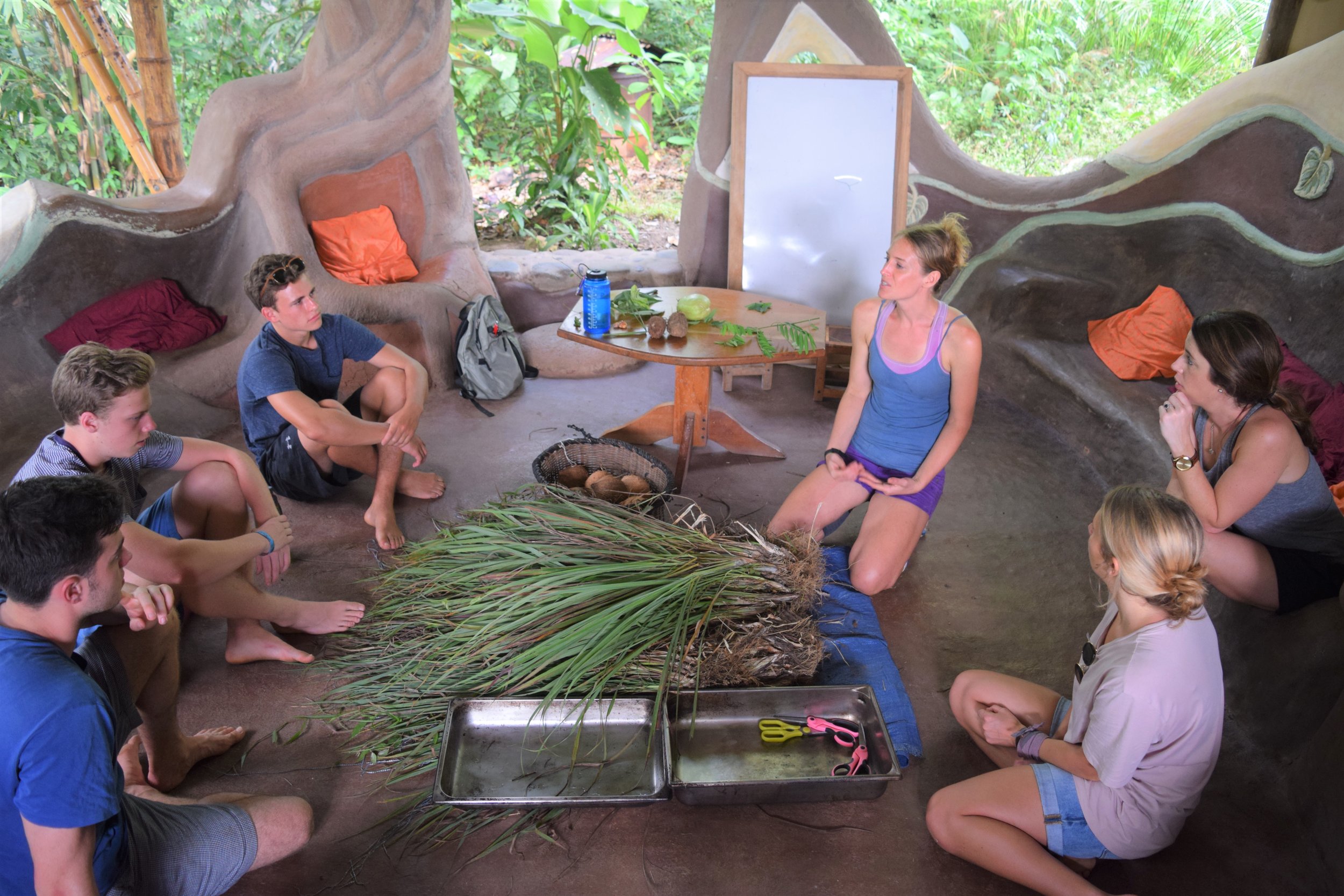
Students learn about herbal medicine by making it. (Photo Credit Scott Gallant; Mastatal, Costa Rica; of Laura Killingbeck and students)
I thought, “Dang.”
But then I realized that the longevity of this conversation is part of the point here. As time passes, our relationship with technology becomes habit. The fast growth and evolution of the internet means we continually need to navigate our interaction with it. As permaculture designers and educators, I think we need to embrace technology in its myriad forms to regenerate a positive human ecology with the earth. I also hope virtual reality will always remain a compliment to, rather than a replacement for, direct engagement with our real and living world. I think we need to pay attention to this as much now as we ever have, and I hope we do.
Bio: Laura Killingbeck has been working with Rancho Mastatal Sustainability Education Center in Costa Rica since 2009. She oversees the development and management of the Ranch's food education programs, and creates systems and strategies for utilizing whole foods on both a community and home scale. Follow her on Instagram @laurakillingbeck
Looking for opportunities to expand your horizons?
Join Rancho Mastatal for one of our upcoming 2018 workshops. Learn more here.
ViVerde is a developing educational eco-lodge and permaculture farm on a 15-acre property right outside of colonial Granada, Nicaragua. They are now recruiting for two work-trade positions, one to do fine woodworking and the other to coordinate the community kitchen and farm to table systems. Go to http://www.viverde-nica.com/recruiting-work-traders for more information.
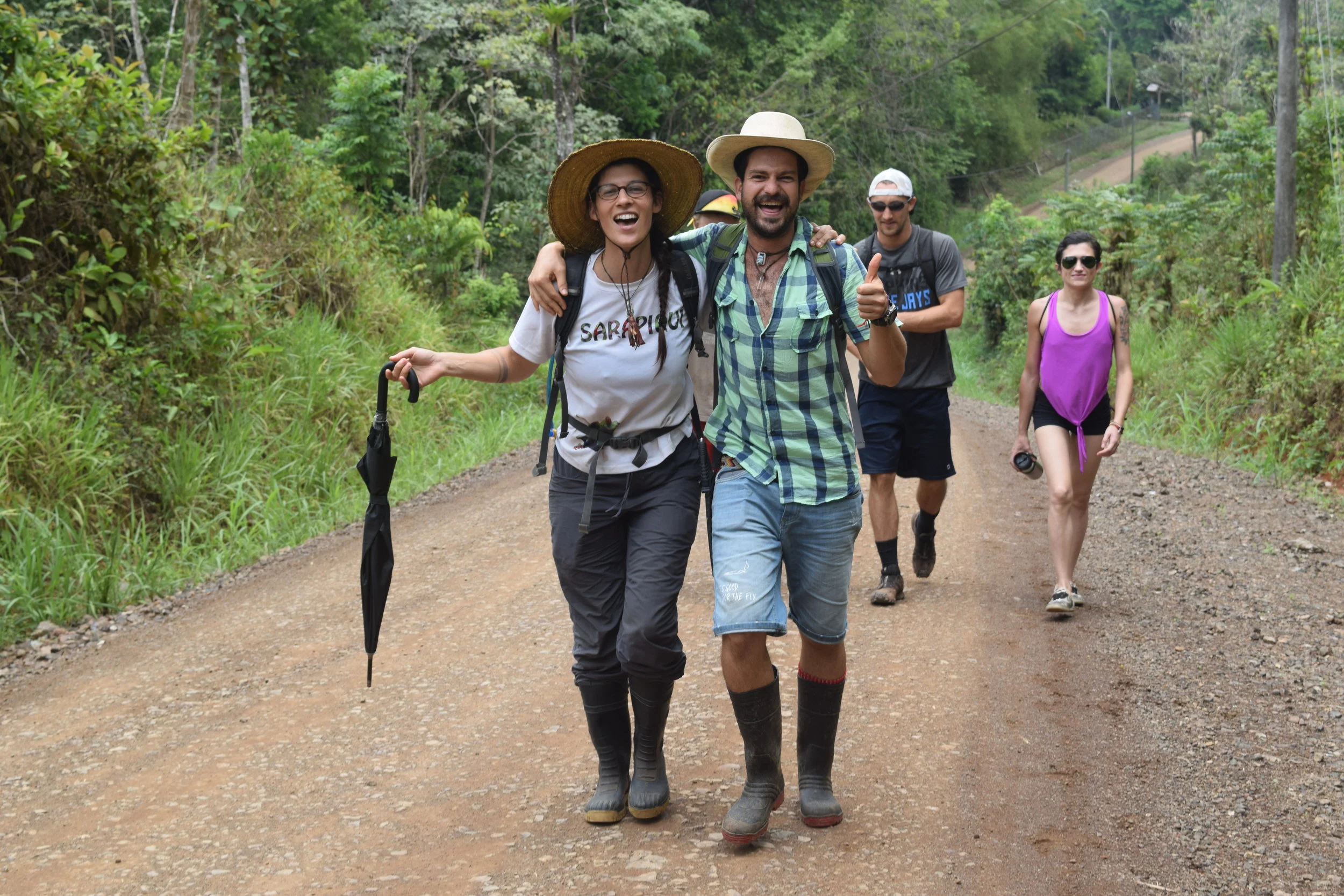
Rancho Mastatal Voices
The Ranch Core Team has been featured on a number of blogs, podcasts, and news-sites over the last few months. So for everyone absent from the Ranch here are a few different ways to hear our voices.

Rancho Mastatal Voices
The Ranch Core Team has been featured on a number of blogs, podcasts, and news-sites over the last few months. So for everyone absent from the Ranch here are a few different ways to hear our voices.
Abundant Edge Podcast
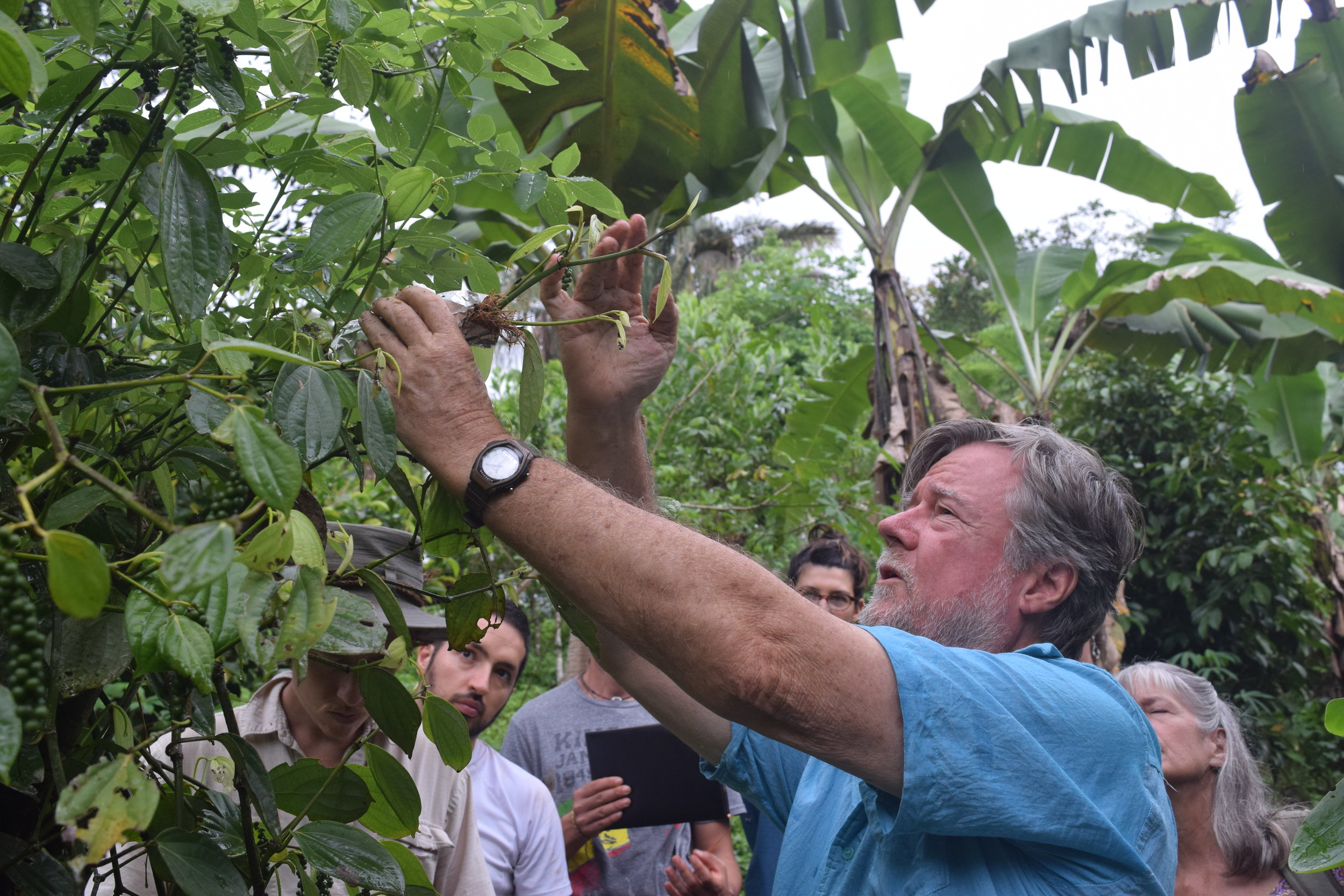
Tico Times
Laura has been writing for Costa Rica's largest English language newspaper the Tico Times. You can read about her recent articles on Ginger Beer and Costa Rica food cultures here.
USDA Inside Agroforestry Blog
Scott was recently featured in the USDA's Inside Agroforestry blog on New and Beginning Farmers. You can read the whole blog here.
2018 Workshop Calendar
Our team has been busy putting together another year of life changing workshops and short courses for our community. From Japanese Cooking to Bamboo Construction, from Permaculture Design to Medicinal Plants, 2018 is going to be a good year to skill up at the Ranch. Please help us spread the word!
Abrazos
The Ranch Crew
Categories
Topics
- Agriculture 6
- Agroforestry 21
- Animals 2
- Apprenticeship 19
- Appropriate Technology 6
- Backpacking 1
- Bananas 1
- Basic Pantry 4
- Biochar 1
- Books 3
- Build Your Own Home 1
- Central America 5
- Chiles 1
- Cinnamon 1
- Clay Carving 1
- Climate 2
- Climate Change 1
- Cob oven 1
- Communication 5
- Community 24
- Compost 2
- Composting Toilets 2
- Condiments 1
- Conservation 2
- Cooking 4
- Costa Rica 18
- Design 10
- Earthen Construction 10
- Eat Local 2
- Ecohome 1
- Education 9
- Environment 3
- Ethics 4
- Farm to Table 12
- Fasting 1
- Fermentation 14
- Food 22
- Food Choices 8
- Food Forest 8
- Food Processing 15
- Food Systems 12
- Gap Year 1
- Gardening 5
- Ginger Beer 1
- Harvest 2
- Health 12
- Healthy living 5
- Homemade 2
- Homestead 8
- Internet 2