

BLOG
Stories, articles, and updates from the Ranch community.
Book Recommendations and Reviews #3
Due to the unique circumstances of the past two plus years, I never seemed to find the time to write what I hoped would be a yearly blog on the books that I read. The two times that I’ve done this in the past we were stateside visiting family, with a bit more time to dedicate to catching up on what seems to be an ever growing list of “books to read”.
by Tim O’Hara
Due to the unique circumstances of the past two plus years, I never seemed to find the time to write what I hoped would be a yearly blog on the books that I read. The two times that I’ve done this in the past we were stateside visiting family, with a bit more time to dedicate to catching up on what seems to be an ever growing list of “books to read”. With travel plans all over the board since COVID became a common part of life, we were only able to make 2 much quicker than normal trips back to see our loved ones in the US. Nevertheless, I’ve been able to squeeze in some solid educational, inspirational and informative reads that I’d like to quickly review for those of you out there that appreciate personal reading suggestions. I’ll try to include as many of the books that I’ve read since the last time I shared my recommendations though I may miss a few as it’s been a while. I’ll also do my best to list them in the order that I read them though my memory doesn’t always serve me as well as it used to. As always, I love to receive other people’s recommendations and in fact a few on those on the below list came from some of you that responded to my last blog reviewing books. Without further ado, here we go. Enjoy.
All the King’s Men by Robert Penn Warren
I randomly picked this classic off of the Ranch’s library shelf one day looking for a good read. I don’t often choose fiction these days but this book, written as fictional history, really resonated as I flipped through the pages and got lured in by the in-depth character development and story of corruption, dirty politics, and the reality of how decisions are sometimes made by those in power. The book is set in the southeastern US in the 1930s. I was saddened by how little much has seemed to change on the political front this past century.
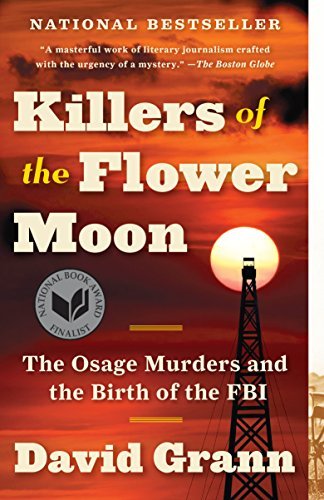
Killer of the Flower Moon: The Osage Murders and the Birth of the FBI by David Grann
Holy shit. I wish I was surprised by the story laid out by author David Grann. This book was recommended to me by our neighbor Jim Veeder. It’s an unbelievable story of pillage, theft and the rising up of J. Edgar Hoover and the Federal Bureau of Investigation. Add another chapter to the story of sinister imperialism and Manifest Destiny that left destruction, thievery, and murder in its wake. The book was gripping. I burned through it in a few days and found myself at the end ashamed to descend from the race and gender that has done so much damage to this planet and its people. Highly recommended.
The Warmth of Other Suns: The Epic Story of America's Great Migration by Isabel Wilkerson
This book about the “Great Migration” of African Americans from the Southeastern US north and west follows the lives of 3 unrelated people that moved to New York, Los Angeles and Chicago respectively.
This is a good overview of the plight of black Americans in the early and mid-1900s as they continued to work against the repressive forces set in motion by slavery and subsequently Jim Crow. I also plan on reading Wilkerson’s more recent book entitled Caste.
Rising: Dispatches from the New American Shore by Elizabeth Rush
What will happen as our coastal cities go underwater? What will happen as our estuaries become part of the sea? How will we mitigate the ensuing disasters of climate chaos as sea levels rise and begin to swallow up areas inhabited by millions of people? We are in for a rude awakening and Elizabeth Rush does a nice job of laying out our despondent future in a way that I found accessible and even at times enjoyable. The book was written fairly recently and is a good selection to bring yourself up to speed on recent developments in the climate disaster conversation.
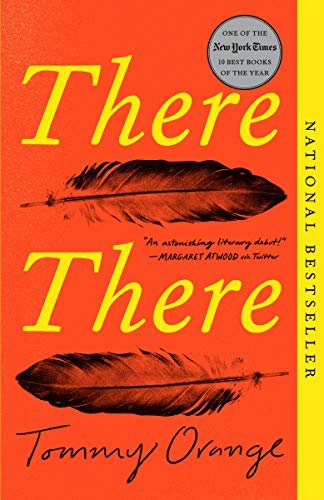
There There by Tommy Orange
This read takes a look at indigenous populations in urban settings as it individually follows the lives of a number of indigenous people who are connected in some way and who all come together in the same space in Oakland at the end of this compelling, sad but important and absorbing book. If you read Overstory, it’s similarly laid out by following and highlighting the lives of the characters and then creatively weaving them together before a final crescendo that leaves you reeling a bit. I blew through this page-turner and would highly recommend it to anyone interested in the human project. This is one the first books that I’ve read about American Indians that focuses on the urban story, where most American Indians live today, and their challenges as it relates to life in the city.
Call of the Reed Warbler: A New Agriculture – A New Earth by Charles Massy
This book was also recommended to me by Jim Veeder, our neighbor who lives up over the mountain in a small community named Tufares. Jim’s an avid reader that shares my reading preferences and this book really fit the bill with its many examples of regenerative food systems on the continent of Australia. Inspirational for readers concerned about how humans can responsibly provide for themselves in the future.
October 1964 by David Halberstam
I needed a break from the serious reads and settled on an account of the 1964 World Series between the St. Louis Cardinals and the New York Yankees. It was an enjoyable recount of the season leading up to what was one of the most exciting World Series up until that point in history. I especially enjoyed the read due to the fact that many of the players highlighted in the book were still playing when I started watching baseball in the early 70s.
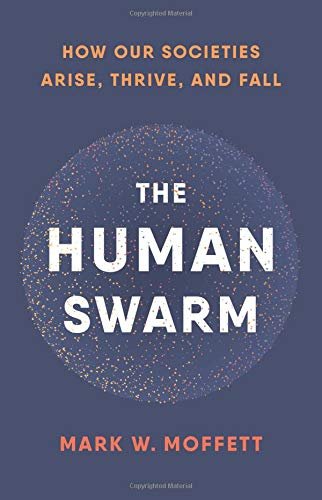
The Human Swarm: How Our Societies Arise, Thrive, and Fall by Mark W. Moffett
This book impacted me more than any book I’ve read in a long time. Moffett, a biologist who for much of his career focused on ants, makes a leap into the world of apes as he uncovers why we do what we do. Fascinating, eye-opening, riveting and refreshing. It answered so many questions about human nature that I have been carrying around with me for a long time. Highly recommended for readers interested in human evolution and behavior.
Catching Fire: How Cooking Made Us Human by Richard W. Wrangham
I blasted through this easy-to-read book that postulates that we are who we are today due to as much as anything else our coevolution with fire. The author suggests that we essentially cannot be healthy beings without the act cooking. I found it to be a captivating book full of new ideas (for me) that seemed almost commonsensical and plausible looking back. Fire, more than any human “discovery”, influenced who our species is today. Dedicated raw food enthusiasts will likely push back on much of the content in this excellent read.
How to be an Anti-Racist by Ibram X. Kendi
It took me a few chapters to warm up to this New York Time’s bestseller. I learned a lot from Kendi’s messages and enjoyed the way that he wove his personal story into the bigger message of how to carry ourselves in an ever complex world of stereotypes, racism, sexism, homophobia, classicism and a white supremicist patriarchy. I’d say an important addition for anyone interested in working to navigate today’s entangled social landscape.
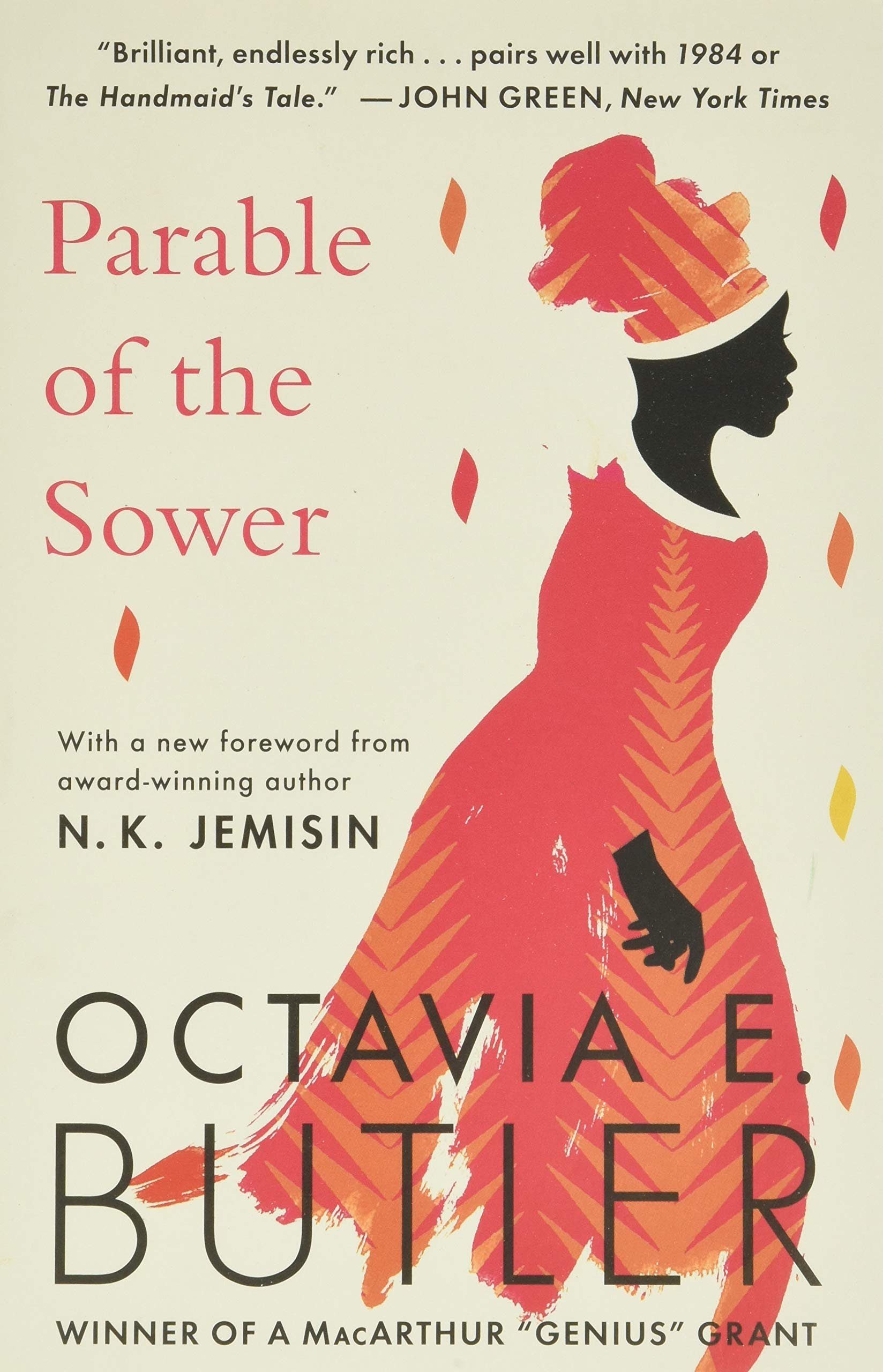
Parable of the Sower by Octavia E. Butler
This title was recommended to me twice on the same day by different people and so I decided that I had to give it a whirl. I found out afterwards that this book has been popular on a number of reading circuits based in part by the accuracy of it’s prophetic message. The book was written in the early 1990s and set in the mid-2020s and depicts an apocalyptic setting in California that features death, danger and dystopia in a way that makes the story totally believable given the current state of the world. Octavia Butler seems to continue to get increasingly popular since her recent death. This black award winning author who died in 2006 is known as a sci-fi writer and has enjoyed a large following for many years. This book has a sequel entitled Parable of the Talents.
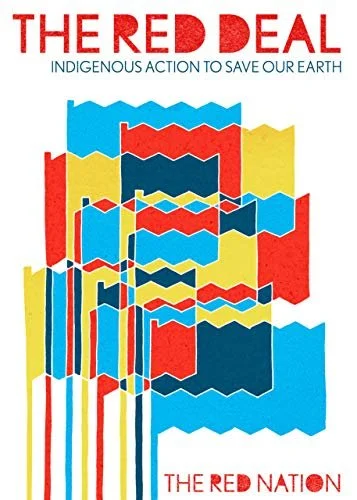
The Red Deal: Indigenous Action to Save Our Earth by The Red Nation
This book outlines a bold sociopolitical message to reconcile past atrocities done to the indigenous people of North America. I’d say that everyone would benefit in some way from this book. It provides a roadmap for reparations to American Indians and in turn a roadmap to return to civility in American and human society. I greatly resonate with the content in this book.
A Flag for Sunrise by Robert Stone
One of only 3 fiction books on this list, I again randomly picked this up in the Ranch library and quickly got engrossed in this historically accurate book about imperial destruction, revolution, greed and power in Central America.
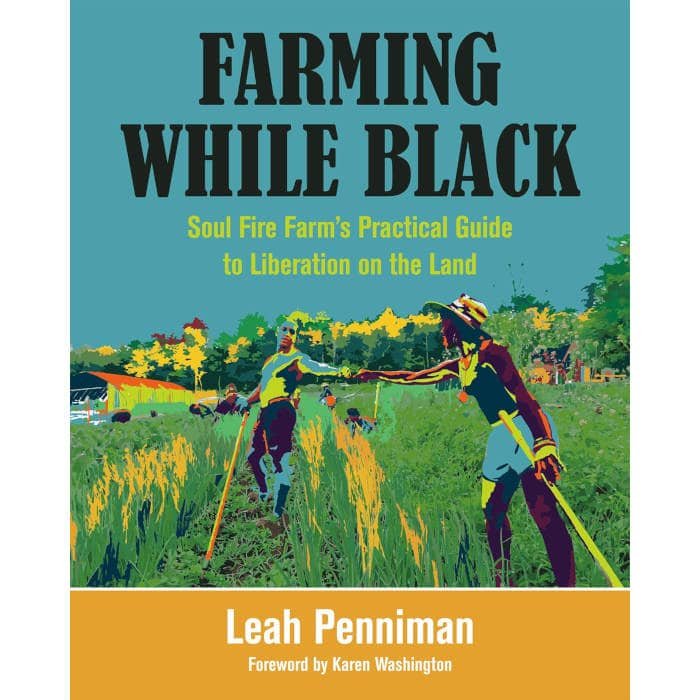
Farming While Black: Soul Fire Farm's Practical Guide to Liberation on the Land by Leah Penniman
We had the opportunity many years ago while visiting Robin’s mom outside of Albany, NY to visit Soul Fire Farm near Troy, NY not far from where Robin grew up and where the author and her partner Jonah started an impactful project that focuses on food security and farming with a focus on the underserved black community in the capitol district area of NY. The book is wonderfully written, clear and powerful and outlines a path for both black and white people to work towards a future of land justice.
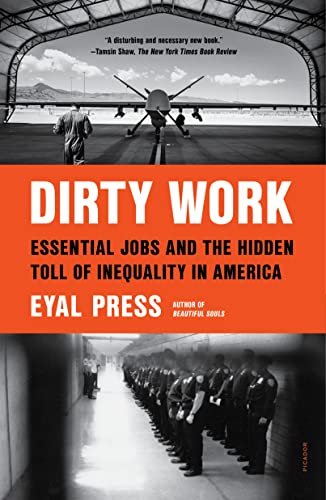
Dirty Work: Essential Jobs and the Hidden Toll of Inequality in America by Eyal Press
I’ll start by sharing one of the final passages in this book that struck me, “When people gather to hear veterans talk about moral transgressions they had committed in the course of fighting America’s wars, the most effective way to help them overcome moral injury is to communize it, Jonathan Shay argued in Achilles in Vietnam. When those not doing the fighting can deliver a message to them and to all of the “dirty workers” that they deserved to hear. “We sent you into harm’s way. We put you into situations where atrocities were possible. We share responsibility with you: for all that you have seen; for that you have done; for all that you failed to do.”. This book should be read by all Americans and highlights the “dirty work” that helps to drive our economy, put food on our table, and keep us safe. This heart-wrenching book looks at the modern underclass and their struggles to get by by doing the least desirable work in our economy and its impact on their psyche and society at large. Essential reading.
America: The Farewell Tour by Chris Hedges
I’ve really liked Chris Hedges’ journalism over the years. He seems to have had the sustained courage to speak to power. I blew through this book. Sad, compelling, motivating, and provocative. Hedges delves deep into the addictions of opioids, gambling, sadism, and hate and how they are being fed by a failed corporate state. If you haven’t given Chris a shot, this would be a good dip into his decades long investigative journalism career.

The Heartbeat of Wounded Knee: Native America from 1890 to the Present by David Treuer
As you may remember I enjoy reading about Native American history. The first part of this book quickly recaps the history of Native Americans in North America up until the massacre at Wounded Knee in 1890 and then delves deep into American Indian policy post-Wounded Knee with a focus on the miraculous survival of Indians in the United States and the amazing stories of resilience that continue to define this segment of the population. The book ends on a high note by highlighting all of the incredible work being done on reservations and in urban centers. American Indians are beginning to thrive and create an example of what our nation can become in the face of climate disaster and out-of-control capitalism that’s pushing our species to the brink of extinction. It’s a somewhat thick read but a worthwhile one for those interested in issues that revolve around indigenous culture.
Building Community Food Webs by Ken Meter
A good, quick read for anyone looking to go a bit deeper into building local economies that revolve around food. Ken Meter argues why local food movements matter and why we should support those growing food in our regions.

Inflamed: Deep Medicine and the Anatomy of Injustice by Rupa Marya and Raj Patel
A great book for those interested in making the connections between physical deterioration and the deterioration of our economy and democracy. Chronic stress makes us sick in ways that we have not understood until recently. And low-income people of color experience the highest levels of chronic stress. This has led to generational sickness and a decreasing life expectancy in many demographics. Yet another call for equitable policies that lead to a brighter future for all. Thanks to former apprentice Abby Cmiel for this wonderful gift!
Bitter Grounds by Sandra Benitez
A wonderful read and the last fiction selection on the list. This book follows 3 generations of poor El Salvadoran women in the middle half of the 1900s who’s lives are intimately connected with an elite El Salvadoran family. Beautifully written. Sad, eye-opening, page-turning.
One Day of Life by Manlio Argueta
This book, also set in El Salvador in the 1970s, follows a family through the struggles of civil war and is told through the eyes of the poor rural women who lead tragic lives in this war-torn country. The sad and all too often told story of US government involvement leading to the installation of corrupt powerful figures who lead their countries with iron fists that have caused much of the strife that has led to mass migration to the US from this region of the world. A tragic, well told and easy read for those interested in the politics and strife of Central America.
Happy reading to you all. I’m always looking for book recommendations so let me know if there’s anything in your library that you think that I would enjoy and/or learn from. We just got an influx of a few hundred new books so more to come from me next year. Let me know if you have any questions in the meantime.
Abrazos,
Tim

Book Recommendations: The Titles I Read this Fall
Last year I wrote a short article about the books that I read while visiting my family last fall in the United States. I received a handful of positive responses after we posted it to the Ranch’s blog and as a result I thought that I’d go ahead and repeat the exercise this year. The books are in the order that I read them. I would recommend and learned something important from all of them. A few of them impacted me profoundly. I will try to incorporate the lessons that I learned in many of these books into my personal and work life.
by Tim O’Hara
Last year I wrote a short article about the books that I read while visiting my family last fall in the United States. I received a handful of positive responses after we posted it to the Ranch’s blog and as a result I thought that I’d go ahead and repeat the exercise this year. The books below are in the order that I read them. I would recommend and learned something important from all of them. A few of them impacted me profoundly. I will try to incorporate the lessons that I learned in many of these books into my personal and work life.
Harvest of Empire: A History of Latinos in America by Juan Gonzalez
This book evoked Howard Zinn’s A People’s History of the United States of America and Eduardo Galeano’s The Open Veins of Latin America. It’s an enlightening look at latino history from the perspective of the oppressed and highlights their role, courage and sacrifice in modern American history. If you’re interested in obtaining a more balanced look at Latin American history, add this one to your collection.

The Wolf at Twilight: An Indian Elder's Journey through a Land of Ghosts and Shadows by Kent Newburn
Rich Esposito, a former visitor to the Ranch, gifted me and the Ranch both this book and The Girl Who Sang to the Buffalo: A Child, an Elder, and the Light from an Ancient Sky (see below). They are books 2 and 3 in Kent Nerbern’s trilogy about the author’s time spent with a Lakota elder named Dan and some of his closest friends. All 3 books affected me deeply. I can highly recommend them all. I think that it would be beneficial if they were required reading in public high schools throughout the US. If more people read stories like this, their impact might bring us closer, faster to the type of society that I aspire to live in. Ceremony, slowing down, deep listening, honor and respect are themes that seem to have less and less room in our modern, high-paced, sometimes dysfunctional society. I will be doubling down on my commitment to these lessons as I try to improve myself and dedicate my work to creating an alternative model to the broken communities that many of us live in.

Overstory: A Novel by Richard Powers
This book was recommended to me by a visitor to the Ranch in August. I picked it up as soon as we arrived to the States. It read much like a Barbara Kingsolver novel. Mr. Powers weaves together the lives of a disparate collection of people around the theme of the power and importance of trees. Wow. If you’re a tree lover, get your hands on this book. If you believe in the power of trees, buy this book. If you want to better understand the critical role that trees play in our ecosystem, borrow this book from your local library. If this book were required reading for everyone we might become better stewards of the magical, rooted beings that gift us life.
The War on Normal People: The Truth About America's Disappearing Jobs and Why Universal Basic Income Is Our Future by Andrew Yang
After getting sucked back into the US political scene this fall, I decided, based on Brian “Sparky” O’Rourke’s suggestion, to pick up and read 2020 Democratic Presidential Candidate Andrew Yang’s book about his thoughts on Universal Basic Income (UBI), the state of academia, and the changing landscape of the US economy and how it’s being revolutionized by automation. It was a pretty quick read and one full of provocative and compelling snippets that got me thinking differently about what our future may hold. I like Mr. Yang’s straightforward and compassionate style and it seems as if many people in the US electorate agree as I’ve watched his poll numbers creep upwards ever since he’s walked onto the national stage.

Braiding Sweetgrass: Indigenous Wisdom, Scientific Knowledge and the Teachings of Plants by Robin Wall Kimmerer
This book, loaned to us from 2019 Apprentice Abby Kuchar, is a must-read. The author, based in Upstate NY not far from where I grew up, takes both a scientific and spiritual look at plants and their critical importance to the human species. The book is beautifully written and touches on difficult subjects in a way that feels both profound and accessible. This book should arguably have a place in everyone’s library. My sense is that if you read this book every year that you’d continue to glean something life-changing from it with each read. It’s a perspective changer in the best way. Ms. Kimmerer has a way of bringing together the gifts of indigenous cultures and the practicalities of science to show us a path on how we can live on this planet in a way that might be necessary if Homo sapiens are to stick around much longer.

The Girl Who Sang to the Buffalo: A Child, an Elder, and the Light from an Ancient Sky by Kent Newburn
I read this book in 2 days. I could not put it down. I think that everyone that reads this book, especially white people born in the United States, will benefit from the lessons herein and the important stories that take a candid look at American Indian life. Be prepared to shed tears of both joy and anguish. This was my favorite book of the trilogy (outlined above). I didn’t want it to end. These stories seem critical to share. I want to shout from the top of lungs, “read this book!”. I would like to buy a copy for every high school English classroom and everyone I’ve every met. Mr. Nerburn has a gift for sharing the stories of American Indians in a way that is consequential and educational to non-Indians.

Lakota Woman by Mary Crow Dog and Richard Erdoes
Mary’s straightforward and matter-of-fact storytelling shares the story of the plight of the modern American Indian from the oftentimes unheard woman’s perspective. This is an intimate, candid, first-hand look at the tragedy and beauty of American Indian life. This important story includes first hand accounts of the takeover of the Bureau of Indian Affairs (BIA) building in Washington D.C. in 1972 and the protests and incident at Wounded Knee in 1973. Mary’s a courageous woman who has inspired a generation of American Indian women to be proud of their heritage and fight for the rights of this land’s original stewards.

Trees of Power: Ten Essential Arboreal Allies by Akiva Silver
Akiva Silver, the founder of Twisted Tree Farm in Spencer, NY not far from my mom’s home in Binghamton, NY, is an agroforestry innovator, farmer and nursery manager who’s having a profound impact in this region of the United States and beyond. I love his philosophy and dedication to spreading the gospel of temperate perennial tree producers. The book is inspirational and practical with the second half of the book focusing on 10 agroforestry species that with large scale plantings could get humans thinking differently about food production and how to feed the world. Akiva and his family are doing important work in this part of the world. If you’re in the Northeast, check out his farm and nursery and if you’re looking for trees to plant on your farm, in your yard, or throughout your community, Twisted Tree should be at the top of your list to check out.
Blood and Thunder: The Epic Story of Kit Carson and the Conquest of the American West by Hampton Sides
This book was recommended to me by my sister-in-law Tracy. It’s about the life of frontiersman Kit Carson and the conquest of the the American West by the U.S. government. It’s a tragic recount of the continuous wars between Britain, Spain, Mexico and various American Indian tribes and the fledgling United States. The common thread that runs through this story is one of deception, broken promises and treaties, massacre and murder. I felt that Mr. Sides did a reasonable job in presenting a somewhat objective history of the horrors of how the country of my birth realized its “manifest destiny” through the eyes of one of its most well-known adventurers and pioneers.
Happy reading to you all. I’m always looking for book recommendations so let me know if there’s anything in your library that you think that I would enjoy and/or learn from.
Abrazos,
Tim

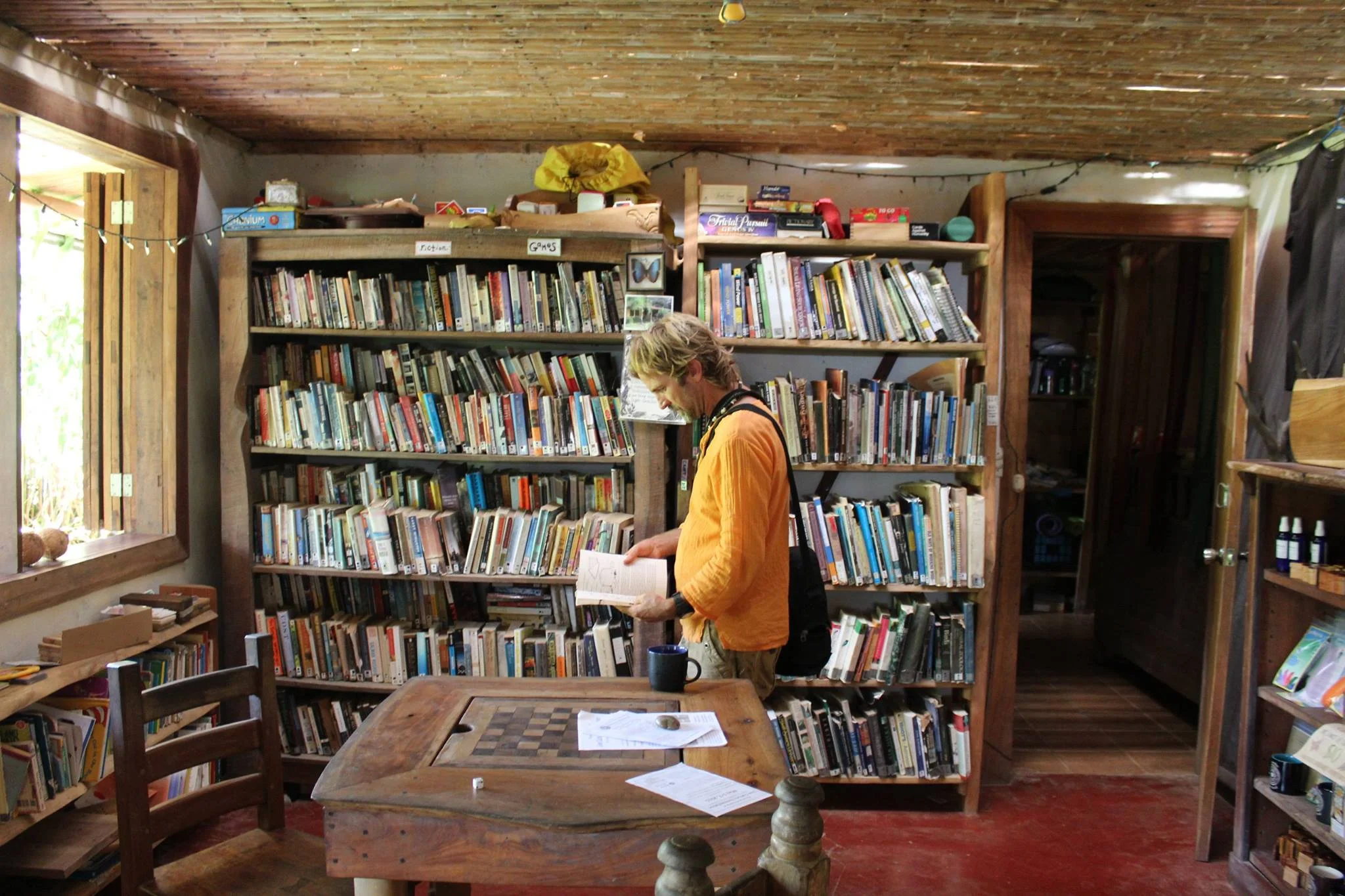
Ranch Reading Recommendations: 8 Great Books I Read This Fall That Relate To Our Work
During my annual visits to see family in the United States, I oftentimes have the opportunity to catch up on some reading that regularly alludes me during the busy seasons here in Mastatal. More than any year in recent memory, I felt as if I hit the jackpot with the titles that I was recommended, came across, and picked up this fall.
Ranch Reading Recommendations: 8 Great Books I Read This Fall That Relate To Our Work
By Tim O’Hara, Ranch Core Team
During my annual visits to see family in the United States, I oftentimes have the opportunity to catch up on some reading that regularly alludes me during the busy seasons here in Mastatal. More than any year in recent memory, I felt as if I hit the jackpot with the titles that I was recommended, came across, and picked up this fall. Here’s a quick glance at them, all of which I’d suggest to anyone looking to add a good volume or two to their personal or professional library. I think that all of these titles are relevant to our work at the Ranch and the greater work that so many of you that read our blog are interested in.
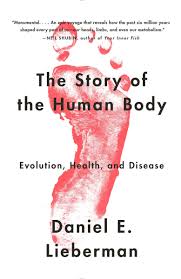
The Story of the Human Body: Evolution, Health and Disease by Dr. Daniel Lieberman
An informative and thought-provoking book for readers interested in human and cultural evolution and how they have come together to impact our specie’s health in modern times.
The Wizard and the Prophet: Two Remarkable Scientists and their Conflicting Visions of the Future of the Planet by Charles Mann
A dissertation about two philosophies on how to tackle current problems of feeding a growing global population and dealing with climate change. One view contemplates technological and engineering solutions while the other espouses resolutions with a softer touch on our environment.
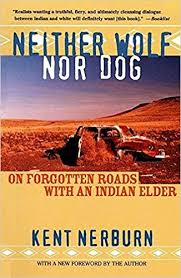
Neither Wolf Nor Dog: On Forgotten Roads with an Indian Elder by Kent Nerbern
Nerbern documents the thoughts, beliefs and stories of a Lakota Sioux elder in this eye-opening, sometimes heartbreaking, and other times hopeful look at how humans might change the way they live to find common ground in addressing past atrocities and future challenges. It had been quite a few years since I read a book focusing on Native American challenges. I couldn’t put this book down once I started. Some other titles related to Native American history that I’ve read in the past and also recommend include Peter Matthiesson’s In the Spirit of Crazy Horse, Dee Brown’s Bury My Heart at Wounded Knee, John Neihardt’s Black Elk Speaks, and Sherman Alexie’s Reservation Blues.
Lost Connections: Uncovering the Real Causes of Depression and the Unexpected Solutions by Johann Hari
An eye-opening book about the nature of anxiety and depression and some surprising strategies to deal with these increasingly challenging and difficult social issues. I read another of Hari’s books last fall entitled Chasing the Scream: The Opposite of Addiction is Connection. I raced through both books. Hari’s writing style is accessible, absorbing and compelling.

How to Change Your Mind: What the New Science of Psychedelics Teaches Us about Consciousness , Dying, Addiction, Depression and Transcendence by Michael Pollen
A fascinating read about the history of psychedelics and their potential use to address social problems such as addiction, depression and terminal illness. Pollen strays from writing about food for the first that I know about in many years. I think that this is a courageous attempt to shed light on an oftentimes contentious, misunderstood and polemic subject that deserves another look by researchers, academia, medical professionals and society as a whole.
Bringing it to the Table: On Farming and Food by Wendell Berry
A nice compilation of essays about food and farming. Over the last decade or more I have repeatedly returned to Berry when I feel the need to reground. His essays are a refreshing look into the darkness of what has become of conventional agriculture in the United States and elsewhere.
The Gift of Good Land by Wendell Berry
A great collection of short essays by one of my favorite authors. Berry’s compositions never fail to get me thinking deeply about the topics that are most relevant to my future.
I’ll also add another book even though I haven’t finished it yet as it is offering a fascinating perspective about humans and our current predicaments.

Sapiens: A Brief History of Humankind by Yuval Noah Harari
The book goes deeper into some topics populated by Jared Diamond’s Guns, Germs and Steel and Charles Mann’s 1492. It’s a fascinating read that includes new research and theory as to how we have become the planet’s dominant species with insight as to why that argument is changing so quickly and alarmingly as humans impact the natural planetary systems that sustain them.
I found all of the books on this list riveting, well-written and provocative. They all had me at one time or another thinking about what I could be doing better as a father, business owner and global citizen. The information that I ingested was at times difficult to read, inspiring, despairing, hopeful and motivational. As I always appreciate personal recommendations for new books, I wanted to share with others the topics that have most recently been on the forefront of my evolving brain.

Mastatal’s Local Library
Categories
Topics
- Agriculture 6
- Agroforestry 21
- Animals 2
- Apprenticeship 19
- Appropriate Technology 6
- Backpacking 1
- Bananas 1
- Basic Pantry 4
- Biochar 1
- Books 3
- Build Your Own Home 1
- Central America 5
- Chiles 1
- Cinnamon 1
- Clay Carving 1
- Climate 2
- Climate Change 1
- Cob oven 1
- Communication 5
- Community 24
- Compost 2
- Composting Toilets 2
- Condiments 1
- Conservation 2
- Cooking 4
- Costa Rica 18
- Design 10
- Earthen Construction 10
- Eat Local 2
- Ecohome 1
- Education 9
- Environment 3
- Ethics 4
- Farm to Table 12
- Fasting 1
- Fermentation 14
- Food 22
- Food Choices 8
- Food Forest 8
- Food Processing 15
- Food Systems 12
- Gap Year 1
- Gardening 5
- Ginger Beer 1
- Harvest 2
- Health 12
- Healthy living 5
- Homemade 2
- Homestead 8
- Internet 2