

BLOG
Stories, articles, and updates from the Ranch community.

Applied Permaculture Principles
There are a lot of misconceptions about what Permaculture is, most people think of it as an agricultural system, typically some sort of food forest and whilst maybe it does make sense for you to have a food forest, maybe it doesn’t! The specifics of applying the principles will vary based on your environment, project , goals etc… but the principles will always remain the same. In permaculture there are 12 underlying principles that help guide us through the design and thinking process. We have highlighted below how we apply each of these principles at our site to help inform you how these principles can be applied in practice.
By Nic, Core team member
There are a lot of misconceptions about what Permaculture is. Most people think of it as an agricultural system, typically some sort of food forest and whilst maybe it does make sense for you to have a food forest, maybe it doesn’t! The specifics of applying the principles will vary based on your environment, project , goals etc… but the principles will always remain the same. In permaculture there are 12 underlying principles that help guide us through the design and thinking process. We have highlighted below how we apply each of these principles, many times in more than just one way, at our site. We hope this helps inform you how these principles can be applied in practice. If this article intrigues you, check out our annual Permaculture Design Course!
Permaculture Principle: #1 - Creatively Use and Respond to Change
This is an almost everyday occurrence here, with such a huge diversity of projects and systems at the Ranch. One of the big changes that many people experience here is the change in diet, coming to a tropical region we focus on locally available food sources. In this photo we showcase a typical meal of rice, beans, picadillo, salad and plantains and green papaya kimchi, all sourced from within 20 miles of the Ranch. Each year apprentices learn about how to creatively use these new food types, and learn from our experience of eating and preparing these food items for the last 19 years.

Yucca bammies, green papaya kimchi, fresh garden salad and a mango salsa…yummy!

Patacones, lacto fermented Jalapanos, pickled turmeric, green papaya kraut, dairy kefir sauce
Permaculture Principle: #2 - Observe & Interact
We love fermentation here at the Ranch we use it for so many things but as every ferment in every climate is slightly different it involves observation and interaction to fine tune your recipes. You have to pay close attention to each batch to make sure you get the perfect balance of flavors from the fermentation process, this timing varies throughout the year and depends a lot on the ambient temperature! Here we have some different pickles and ferments that we make from Green Papaya, Chayote and wing beans….Yummy!!!

Wing bean pickles

Chayote pickles
Permaculture Principle #3 - Catch & Store Energy
For the last 12 years we have been using two types of bio-digestors at the ranch to catch and store energy from human (and cow) poop. For those unfamiliar with the system, a large underground vessel is used to create an anaerobic environment where the feces is broken down, killing any pathogens and releasing Methane gas which we pipe up to our kitchen and use to cook on. The now safe effluent is used to passively feed, bananas, bamboo and cacao trees.
On the left a mosaic describes the closed loop system we employ at the Ranch and on the right the mosaic describes the open loop, linear system that is often found around the world when dealing with human feces.

Permaculture Principle #4 - Obtain a Yield
Jackfruit is one of the largest fruits in the world, it grows and begins to produce very quickly and is ideally suited to our tropical climate. In our agroforestry systems we have many jackfruit trees of different varities. Here is a typical harvest of Jackfruit when it is really pumping!! We love to eat Jackfruit green (when it is more like a starch) and have been lacto-fermenting it, a great way to store and add nutrition to this abundant fruit. We then use the jackfruit to make a hash, or as a replacement for the pasta in a lasagna or even a pizza topping… its just so versatile!!

Permaculture Principle #5- Self Regulate & Accept Feedback
Rancho Mastatal is an education center, community and lodge. We host a year long apprenticeship, 100’s of high school students and 100’s of guests throughout the year. We eat together, live together, play together and work together. Conflicts are inevitable and we have designed many systems to productively work through these. We encourage feedback sessions with our one year apprentices through group meetings and one on ones to accept feedback and make the necessary changes to make all of our experiences living together more enjoyable. Here we are all meeting in our wonderful meeting room, a round earthen structure.

Permaculture Principle #6 - Use & Value Renewables
Over our 20 years of existence we have always valued and used renewable energy sources, from our biodigestor, to our super-efficient wood burning cook stoves to our dry composting toilets, these are all ways to use and capture renewable energies. We have also installed 10+ small solar systems at the ranch to power cabins far from the grid and to help community members in Mastatal and nearby villages have power. We are lucky to live in a country that also values renewable energy sources. Costa Rica is powered by 95% renewable energy sources a magnificent achievement by world standards.

Bamboo, a fantastic renewable building material
Join us April 2021 for our Bamboo Management Class or our Bamboo Construction Course

Fuel efficient stoves
In these photos we are setting up scaffold to harvest bamboo to build with, installing a small PV system for a local community member to help them have lights in the evening, and cooking on our fuel efficient wood cook stove.

Installing some PV panels in the community
Permaculture Principle #7 - Produce No Waste
This principle is gaining a lot more traction in the modern convenient driven society, where single use plastics have become commonplace. With the slow realization that we cannot keep throwing stuff away, the principle of produce no waste seems more relevant than ever. Here at the Ranch we are a large consumer of food and goods, often feeding up to 50 people a day we go through a lot of food!! Over the years we have used our purchasing power to convince/encourage local farmers to reduce their packaging. Our vegetables are delivered in baskets, our tapa dulce is wrapped in cane leaves, our rice comes in rice sacks which we can re-use for storage of other goods such as sawdust for our composting toilets and we get our milk in gallon containers we wash and send back and forth with the dairy farmer. We are not perfect, and we definitely still produce waste but considering the average American produces 4.5lbs of garbage a day we are well below that!! As we have become more aware of this issue around the world, this is one of the simplest and most accessible ways to become a more responsible world citizen.
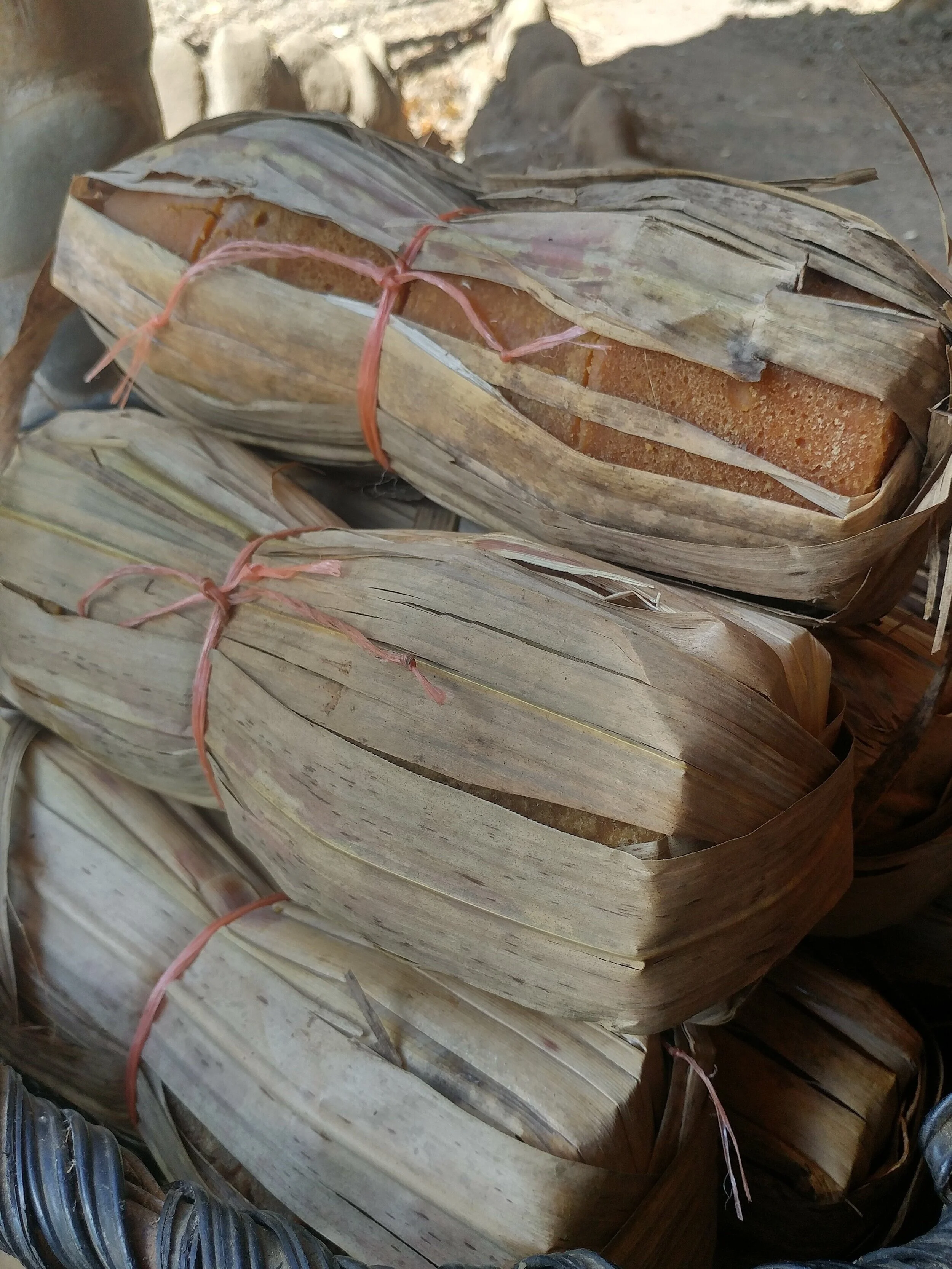
Our local sugar, tapa dulce

Sacks and baskets used to store food
Permaculture Principle #8 - Design from Pattern to Detail

Students in our annual PDC learning to use the A-frame

Nice lines of trees on contour
One of the biggest challenges in tropical climates is the huge amount of rainfall we receive, seeing the pattern of deforestation and eroded landscapes on our property we countered this by reforesting land using diverse perennial tree crops, which mimic the forest stratas, protecting the soil and producing food for us to eat. We dig swales & retention ponds, plant on contour and use deep rooted species, mulch heavily all to help slow down the flow of water and build healthier more productive soils.

Lydia, an apprentice, planting and properly mulching this new fruit tree
Permaculture Principle #9 - Integrate rather than segregate
One of the ways we do this is by integrating different species known as guilds. These plant guilds help support one another and diversify your site making them less prone to diseases and providing shade, fertility and structure. We grow our black pepper vines on a living post. This post produces some shade and the living post is also a nitrogen fixing tree. Nearby we have more nitrogen fixing trees and bananas to provide more shade, food and mulch to the black pepper. Stay tuned for our next blog on the Life of Spice: Black Pepper.

Permaculture Principle #10 - Use Small Slow Solutions
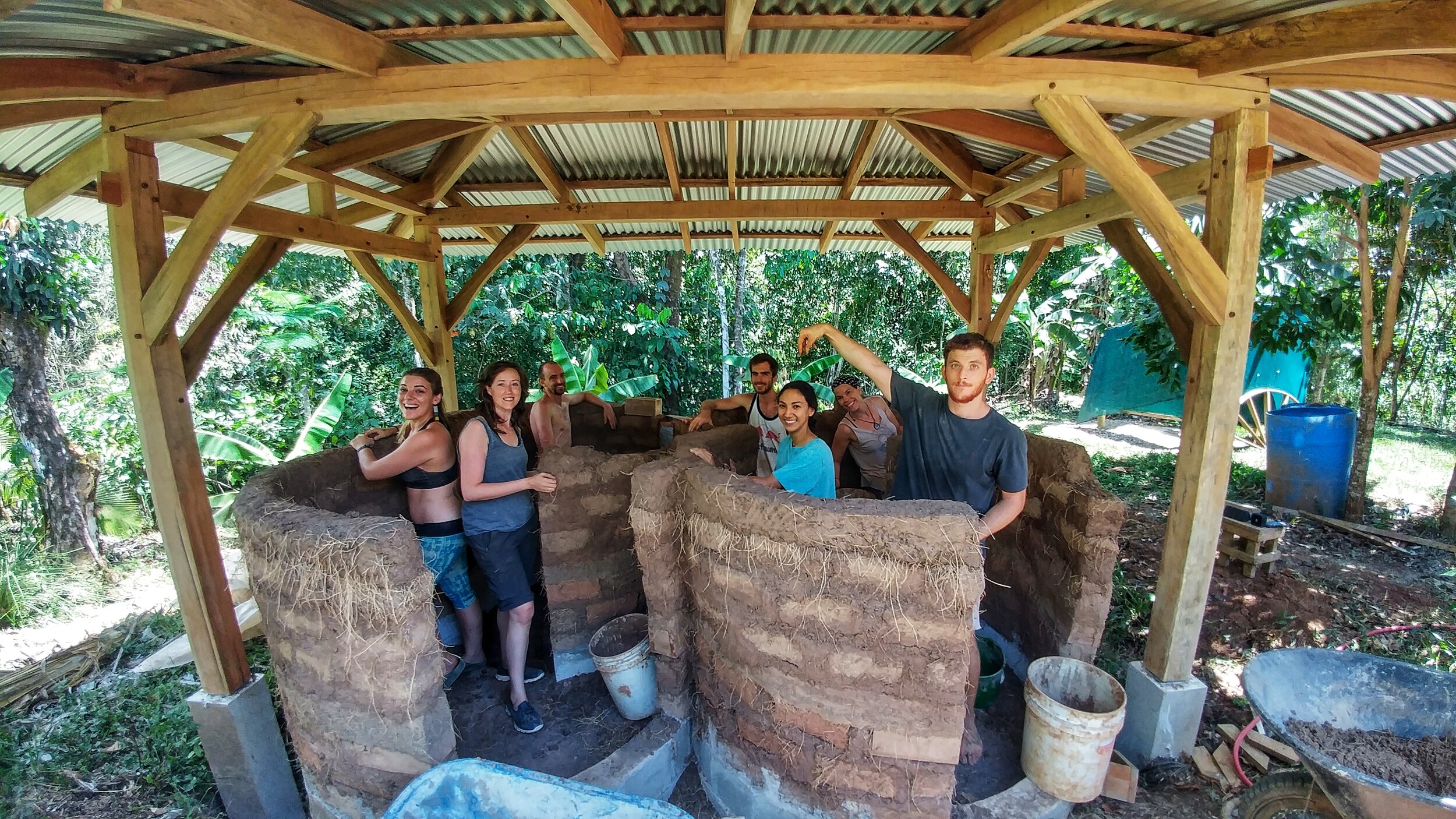
Apprentices building an adobe brick walled shower that’s under a timber framed structure
Everything that we build at the Ranch is by hand. People always ask us how long it takes to build things and it takes a long time to be honest. Our goals are to give people educational opportunities in the building process not just to make something as quickly as possible. We see the value in taking it slow and not using a lot of machinery to streamline our building process. We use our buildings to create beautiful healthy homes that are not only using local resources but help us make connections with people and build community. Check out this article on how we built this Tadelakt shower

Permaculture Principle #11 - Use & Value Diversity

Don Chepo winnowing his harvest of beans
For many people the idea of becoming self-sufficient is an appealing one. We look at things in a different way by using and valuing diversity we aim to create regional food security and value the food we grow equally to the food we can obtain from local farmers. By supporting our neighbors and friends we build community, financially support local farmers and get to eat fresh local produce everyday! Beans from Don Chepo, Tapa Dulce from Don Gerardo, Eggs from Doña Flor and Coffee from Jose Luis are just some examples.

Don Gerardo using his ox to press the sugar cane

Dona Flor feeding her chickens
Permaculture Principle #12 - Use Edges & Value the Marginal

Homemade banana vinegar
As we said before we love vinegar and fermentation at the Ranch. One of the simplest vinegar recipes we use is valuing the marginal, fruit scraps and peels make an excellent vinegar. We pack them into a bucket add water and let the natural yeasts convert the sugars into alcohol and then into vinegar. What is commonly treated as a waste product has now been converted into a sugar source for a vinegar which we can use to spice up some of our fresh garden salads! Read our latest blog on farm to table, homemade banana vinegar.

A variety of aging homemade vinegars
These are just some of the many examples of the way we implement the 12 permaculture principles here at the Ranch.
If you are interested in permaculture design and it’s principles join us for our annual 2 week, life changing Permaculture Design Course.

How Can We Make a Change in the World
Everything seems to have been created by a higher intelligence that has designed this universe in mysterious ways for us to live off. We live in a perfect symbiosis with nature. Everything seems to have a purpose which co-exists with all that is around us yet we don’t have an explanation to all this perfection.
by Diana Dagash, Apprentice 2019
Everything seems to have been created by a higher intelligence that has designed this universe in mysterious ways for us to live off. We live in a perfect symbiosis with nature. Everything seems to have a purpose which co-exists with all that is around us yet we don’t have an explanation to all this perfection.
What if we had the access to tap in to the secrets of nature, would it be possible to live a healthier and more sustainable way?
How does our connection and understanding of nature relate back to ourselves?
What if the way we treat our own bodies reflects on the way we treat Mother Earth?
If we look at the patterns in nature we can see that Earth is a macrocosm reflection of our own organisms. Earth is our body, the trees our lungs, plants our hair. The waters, seas are our fluids, that are in sync with the moon and the planets. The stages of the moon reflect on our emotional, energetical and physical states. The new moon represents a new cycle for growth, setting intentions, regeneration and with the full moon we reach peak of our energy as the tides of the sea rise, the winds get stronger, nature is at its highest strength. It is a good time to harvest what we’ve sown.
When the body is ill and weak it struggles to regulate its own temperature the, extremes of hot and cold temperatures resemble the behavior of our planet. Observing today’s climate change and natural disasters reflect on how we’ve been treating this planet. We already see the consequences of our actions. We have abused and exploited the forests and waters.
Mother Earth is patient and compassionate, she embraces us , provides us with all our needs , we are her children. She needs our cooperation , our understanding of the messages she sends to us, for us all to survive and thrive. We have forgotten our origin, where our food comes from, what allows us to coexist.
We are trying to live against the cycle of life by suppressing our illness symptoms just as we are manipulating the weather to cover the climate change that we have caused. Society has surrounded itself with comfort, trying to protect itself from nature and to change its power dynamics .We came out of sync and communication with Mother Earth. We are already paying the price of destruction, exploitation of natural resources and struggle to live in abundance.
The amount of food wasted that could feed the whole world if we stopped and reevaluated our needs and priorities in life. The individualism and race to accumulate more that we could every possible need! The greediness has blinded many of us from love and care to ourselves , to one another and to the planet we live on. The industrialism has left very little space for small farmers to survive. The food grown is mass produced and poisoned in interest to earn money as well as pharmaceutical companies wants us to always come back.
Our heads have been turned to the other side. Our education has not introduced us to our connection with nature and the healing powers within us and around us. We have not been taught to peacefully communicate with one another, nor how to explore our inner world that provides us with intuition and peaceful mind.
It has been said already “ The whole world is within you.” If we focused ourselves within, maybe we could find the answers to our problems and create a peaceful world we there is no war?
“You cannot solve a problem with the same way of thinking that create it “
I believe that if we integrate education on sustainable living into schools, children growing up with have more much awareness on the importance of sustainable living and the change we can make to a healthier life.
I strongly believe that if we want a change education would be at the base of it all.
How I believe we can make a change:
1. Proper education on sustainable living for example : permaculture, agroforestry, natural building, carpentry, homesteading , making your own biodegradable body and cleaning products, culinary skills.
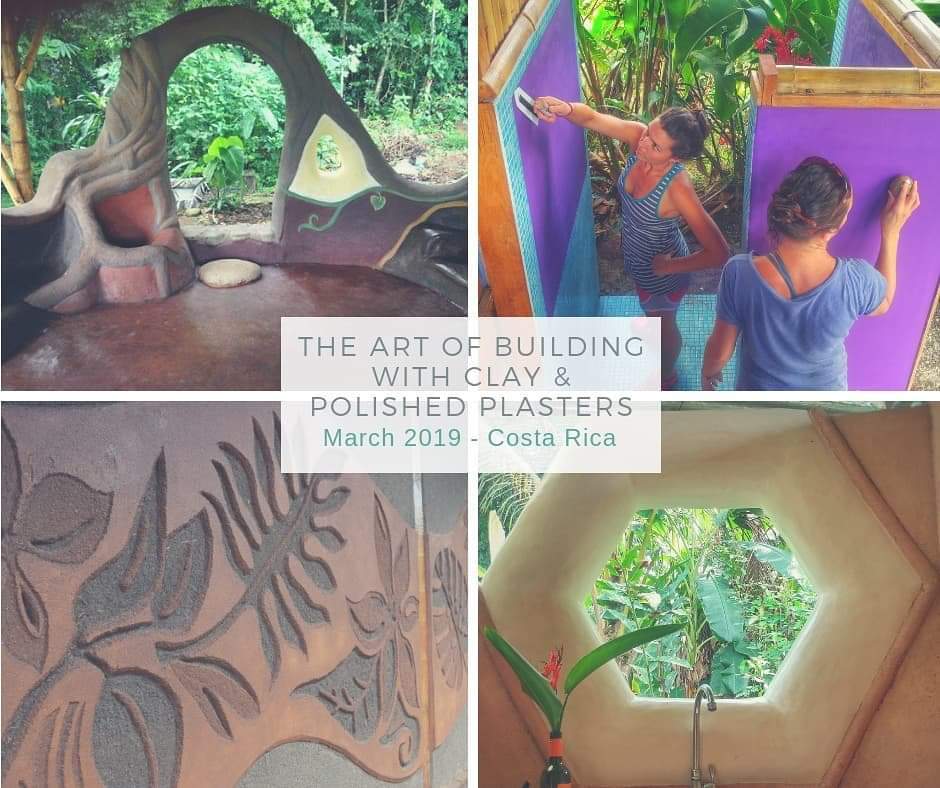
Workshops to inspire and empower you to change
2. Taking responsibility for our actions, the consequences of consumerism and how to stop mass waste production. For example – grow your own food.

Planting seedlings for food production
3. Self-development, healing the micro and macrocosm. Bringing awareness within, practices that pro mote introspection and self-reflection like meditation , learn to peacefully interact with others. Some great book references for this are the following :
The Power of Now by Eckhart Tolle
Non-Violent Communication Dr. Rosenberg
The 4 agreements Don Miguel Ruiz
4. Learn life skills that are beneficial to your environment.

Bamboo building at Rancho Mastatal, a sustainable building material
5. Choosing the possibility to live at your highest path , to stand for righteous actions and lifestyle.
6. Gain knowledge of medicinal plants in your area, get familiar with natural medicine, self-healing and maintain a preventative holistic lifestyle.
7. Make space for self-exploration , discover your interests and passions that you heart calls, surely they will benefit the world.
For me it is a priority to dedicate my life to create a greener healthier world, to learn how to be self-sufficient , build my own house , grow my own food, live harmlessly in nature, educate and promote that lifestyle and provide a good future for future generations .
Currently I live in Costa Rica doing a year long apprenticeship on sustainable educational farm that focuses on those matters and has created a heavenly community of loving , caring people that come together to learn and make a change.
I like to visualize a world that lives in abundance and has everyone’s basic needs met. A planet with clean air and water, where we would have food forests all around and houses surrounded with edible greens and herbs. It inspires me to think of what’s possible and focus my energy onto creating it.
Together we can change the world, so let’s take action, create ripples that will spread across the world. The power is within us to create the world we want to live in.
I wish you to pursue your purpose in life and discover your highest path for living.
I warmly invite you to visit farm that teach about sustainability such as Rancho Mastatal, learn about self-sufficiency, minimizing industrialism and harm to the ecology
Seeing all the movements rising to save our Earth I have faith and am excited to see the good changes happening in our society.
There is a rise in consciousness around the globe, let’s all be part of it!
Blessings to all
Diana
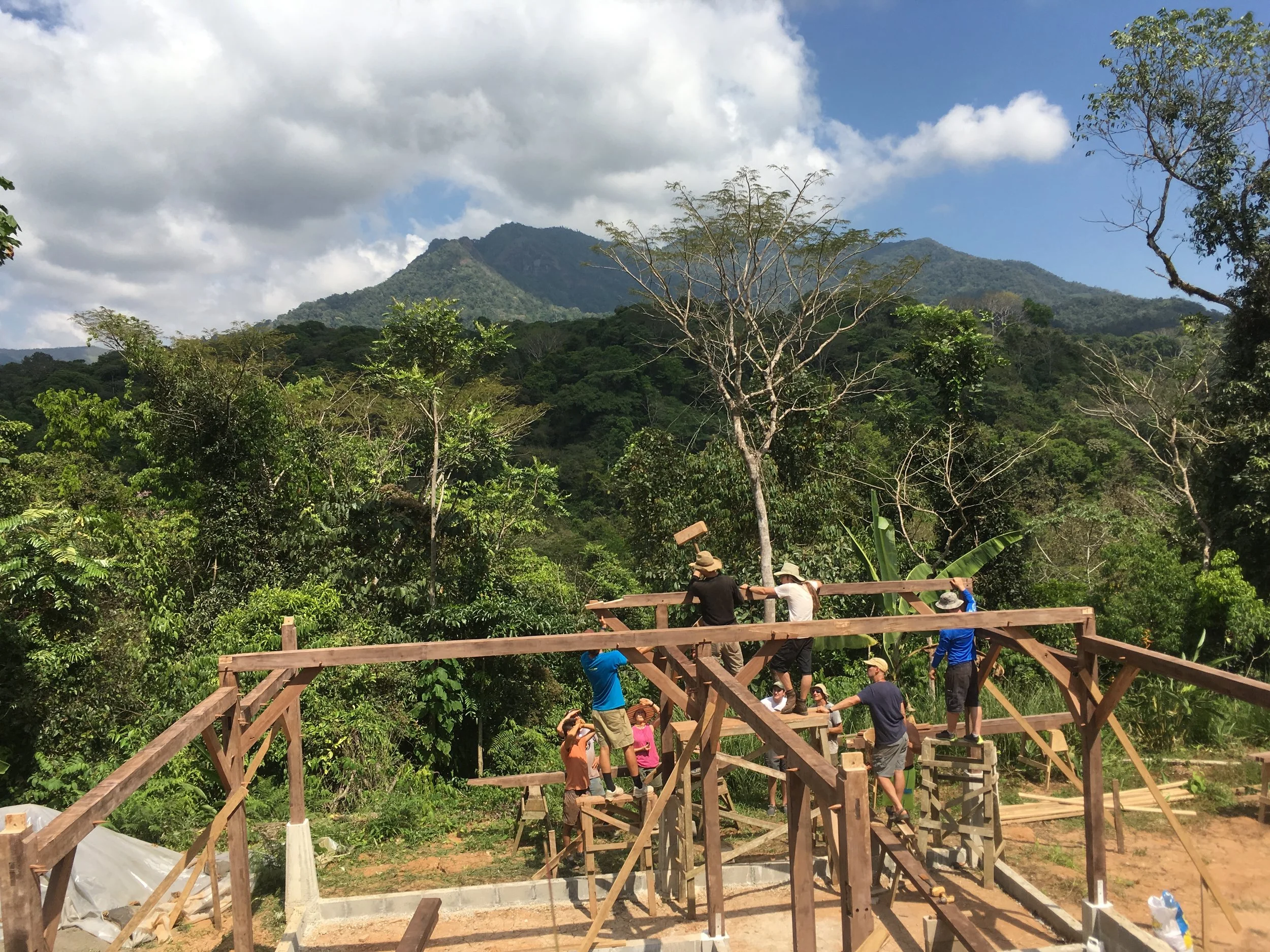
Timber Framing in the Tropics
The rainforests of Central America might not be the first place that you think of when you hear the term “timber frame construction”, but with initiatives in Monteverde and Mastatal, Costa Rica is starting to make a name for itself in the region for this post and beam building technique. We started to build the infrastructure of Rancho Mastatal Sustainability Education Center in the small rural community of Mastatal, Costa Rica in 2001.
By Tim O'Hara

The rainforests of Central America might not be the first place that you think of when you hear the term “timber frame construction”, but with initiatives in Monteverde and Mastatal, Costa Rica is starting to make a name for itself in the region for this post and beam building technique. We started to build the infrastructure of Rancho Mastatal Sustainability Education Center in the small rural community of Mastatal, Costa Rica in 2001. At that time, we did not seriously contemplate this age-old technique of joining large timbers using mortise and tenon joinery. There were no local, established wood mills in the area in 2001 nor had we ever built anything in this manner. In addition, the portable Alaskan mills used by local sawyers are not up to the task of producing a 6'x6'x12' member straight enough to work using the square rule method that we would eventually be introduced to.

The possibility of building a timber frame structure on the Ranch's campus began to gain traction after our introduction to SKIP DEWHIRST and LIZABETH MONIZ in 2003 when these two Vermont-based builders came to Rancho Mastatal to teach a natural building workshop at our site offered through Yestermorow Design/Build School. After a successful first workshop, they began coming down every year to teach courses, though with a non-timber frame focus. Skip, a seasoned timber framer, eventually started to inquire about the possibility of sourcing long, straight, large timbers so that we could begin to incorporate this type of building into our natural building education programming and our infrastructure. During a conversation in 2006, we decided together to give it a try and started planning a 2007 workshop that would focus on the construction of a 10'x15' cabin on the edge of the rainforest. We would in due course call it La Casucha, meaning little rustic house in Spanish. We set about trying to source the cut list for the design that Skip had come up with. When we finally received the wood delivery for the class, banano was the first term I heard uttered by our talented and local worker ALEX HERNANDEZ. Banano in Spanish, as you can probably figure out, means banana in English and is not an endearing term when referring to a piece of wood to be used for the construction of a rectilinear home. It took us more time to plane the timbers to ready them for laying out the joinery than it did to actually cut the joinery with our chisels and mallets. Banano has since worked its way into our building lexicon and is uttered a bit more frequently than we'd like. But that's life in the rural tropics.

For those of you reading this in the comforts of your first world home, we do not have access to a lumber yard or a box store for our building needs. Nor at that time did we have easy access to a bandsaw mill. Almost all of the wood that we used for building purposes had to be straightened, planed and cut before even thinking about a layout. Fortunately for us and others interested in sourcing local wood, in 2010, a local man named CARLOS SOTO set up a portable bandsaw mill about a ½ mile from our town center. From that point forward we were able to more consistently obtain reasonably straight timbers and our foray into timber framing has not waned since. We now have a combined total of 9 timber frame buildings at the Ranch and in our small community. The practice has revolutionized the infrastructure of our organization and how we look at wood as a building material in our timber-rich ecosystem.
We have access to and have used many different species of wood for our projects and continue to learn about the different qualities that each have. There is much less written about the characteristics of the tropical woods that we use than the commonly used temperate species in North America. Much of our learning has happened through trial and error. Pilon, or bull's blood, is a heavy, resistant hardwood that we expected would be good for pegs until we realized how short-grained it was. Melina, a resistant softwood species originally imported from India, is a decent candidate for frames though the wood can be tricky to work with due to inconsistent grain patterns. Teak, another non-native wood increasingly common in Costa Rica, has a tendency to be knotty from some local suppliers and prone to termite damage if harvested too young, as is commonly done in our area. For most of the species that we've used, sourcing wood from older trees, keeping your chisel razor sharp and making sure that your stock of patience is full are all keys to a successful and strong frame.
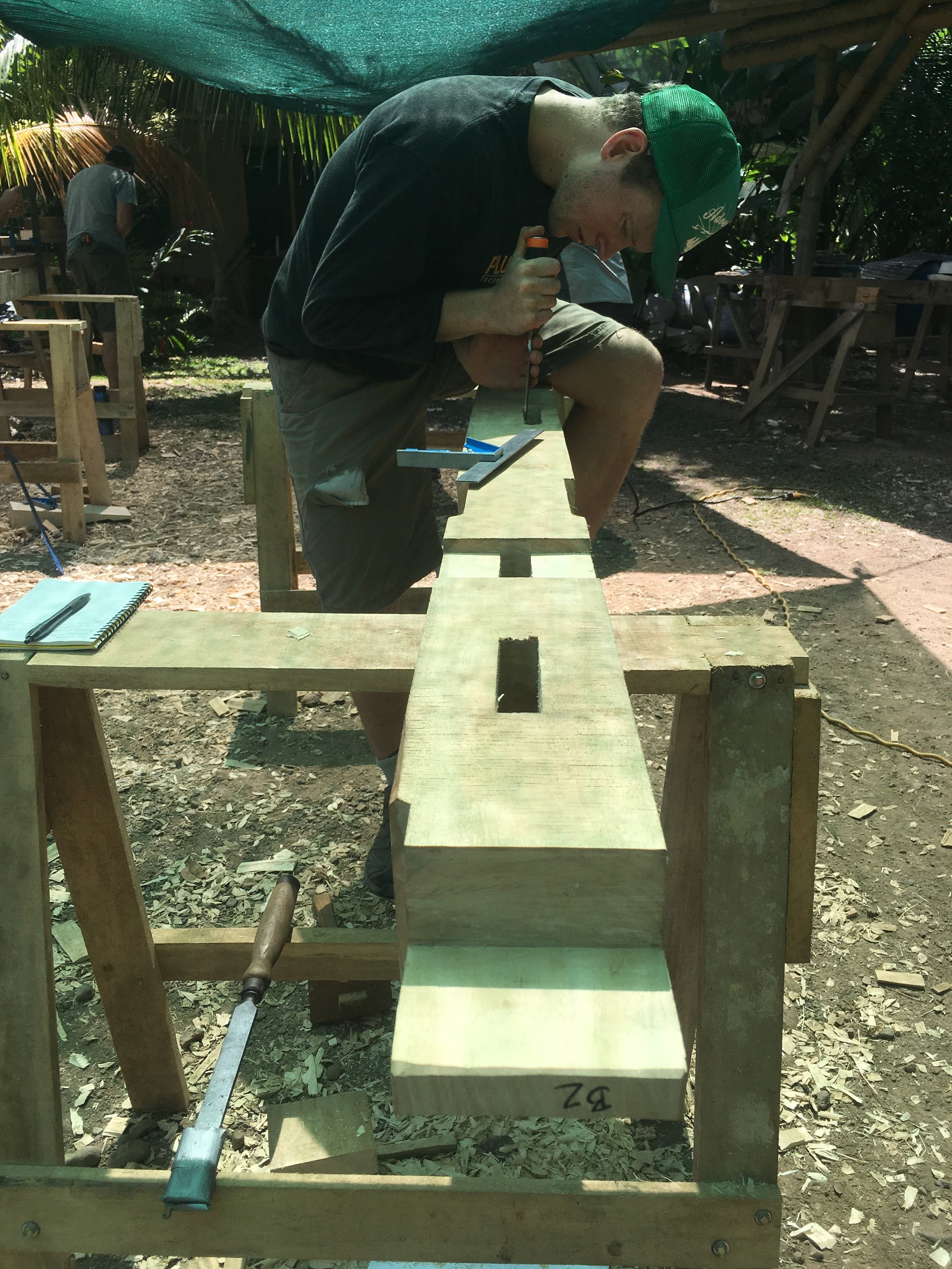
Since opening our doors in 2001, natural building has been one of our focuses. Our site is considered by some to be a leader in the relatively small natural building movement in Central America. All of our buildings are small, simple and nice on the eye with a focus on using materials that we can source in our region. To do this requires a lot of work, an abundance of persistence, and the willingness to slow down the building process. As our campus has organically grown, so has our network of people working in and interested in natural building. We've had the honor of working with and befriending a number of leaders in the sector including BILL, BENITO and ATHENA STEEN, RYAN CHIVERS, LIZ JOHNDROW, MATTS MYHRMAN, CHRIS MAGWOOD, SKIP and LIZABETH and others. We've also had the privilege of experimenting with other wonderful natural building resources such as clay, bamboo and lime that are so rich in our region. It's been a wild ride full of successes and failures but increasingly our infrastructure is starting to catch the eyes and fill the hearts of many a natural building lover with timber frame construction the crux of our building world. Even though this building technique has a shorter history in Central American compared to other parts of the world, our experience has shown that it's a relevant choice for our environ. We plan on continuing our experiments with timber frame construction and invite you to come and join us on our ride to discovering the beauty of building in the tropics. Hope to see you in Mastatal soon!
OPPORTUNITIES AT THE RANCH, IN THE REGION AND BEYOND
Japanese Natural Plastering
Interested in natural plasters? Join us in March, 2018 for a unique experience learning about Japanese Plastering at Rancho Mastatal.
Aerie Backcountry Medicine Semester in Wilderness Medicine
Join Aerie for its Semester in Wilderness Medicine at Ranch Mastatal and Montana this winter and spring. The field portion of this course runs January 31 through April 15th. The Semester offers 15 upper-division UM credits, EMT, Wilderness EMT, Swiftwater Rescue and Avalanche Rescue certifications, as well as training in LNT, wilderness survival and wilderness navigation. Students will live for a month at the Ranch, will help organize and run a free health clinic in Zapaton and will complete rotations in the Emergency Room as well as on an advanced life support ambulance. The cost for UM students, including room, board and all certifications, is approximately the same as in-state tuition at UM, and students can use their AmeriCorps awards as well as their financial aid.
Japanese Cooking at Rancho Mastatal
Love Japanese Food? Join us March 20-23 for a fantastic culinary immersion in Japanese cuisine during our Japanese Permaculture Cooking: An Introduction to Japanese Cooking and Permaculture
We hope to hear from some of you with your updates and stories! Thanks to all of you out there that make the Ranch community so strong and special.
Abrazos,
The Ranch Crew
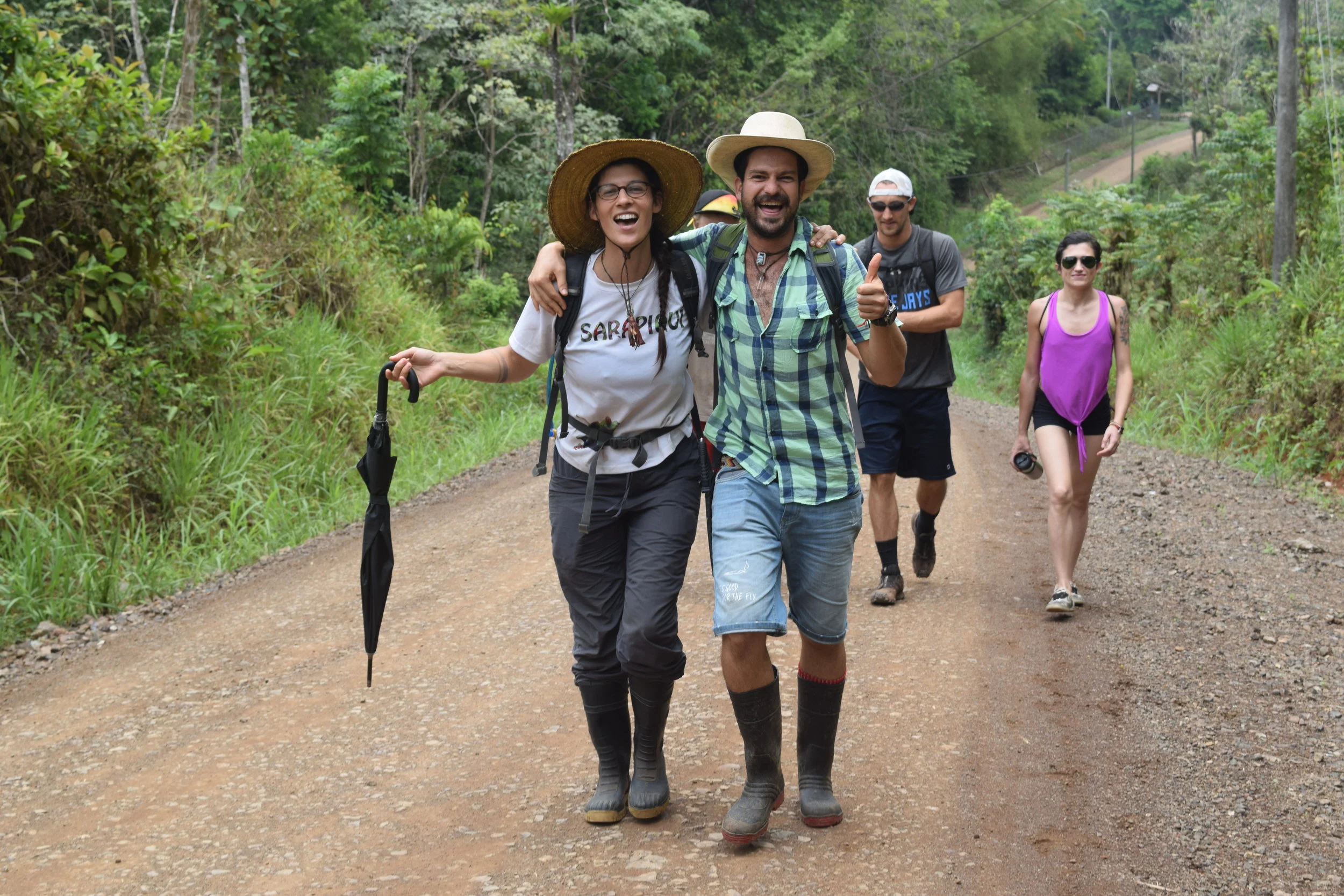
Rancho Mastatal Voices
The Ranch Core Team has been featured on a number of blogs, podcasts, and news-sites over the last few months. So for everyone absent from the Ranch here are a few different ways to hear our voices.

Rancho Mastatal Voices
The Ranch Core Team has been featured on a number of blogs, podcasts, and news-sites over the last few months. So for everyone absent from the Ranch here are a few different ways to hear our voices.
Abundant Edge Podcast
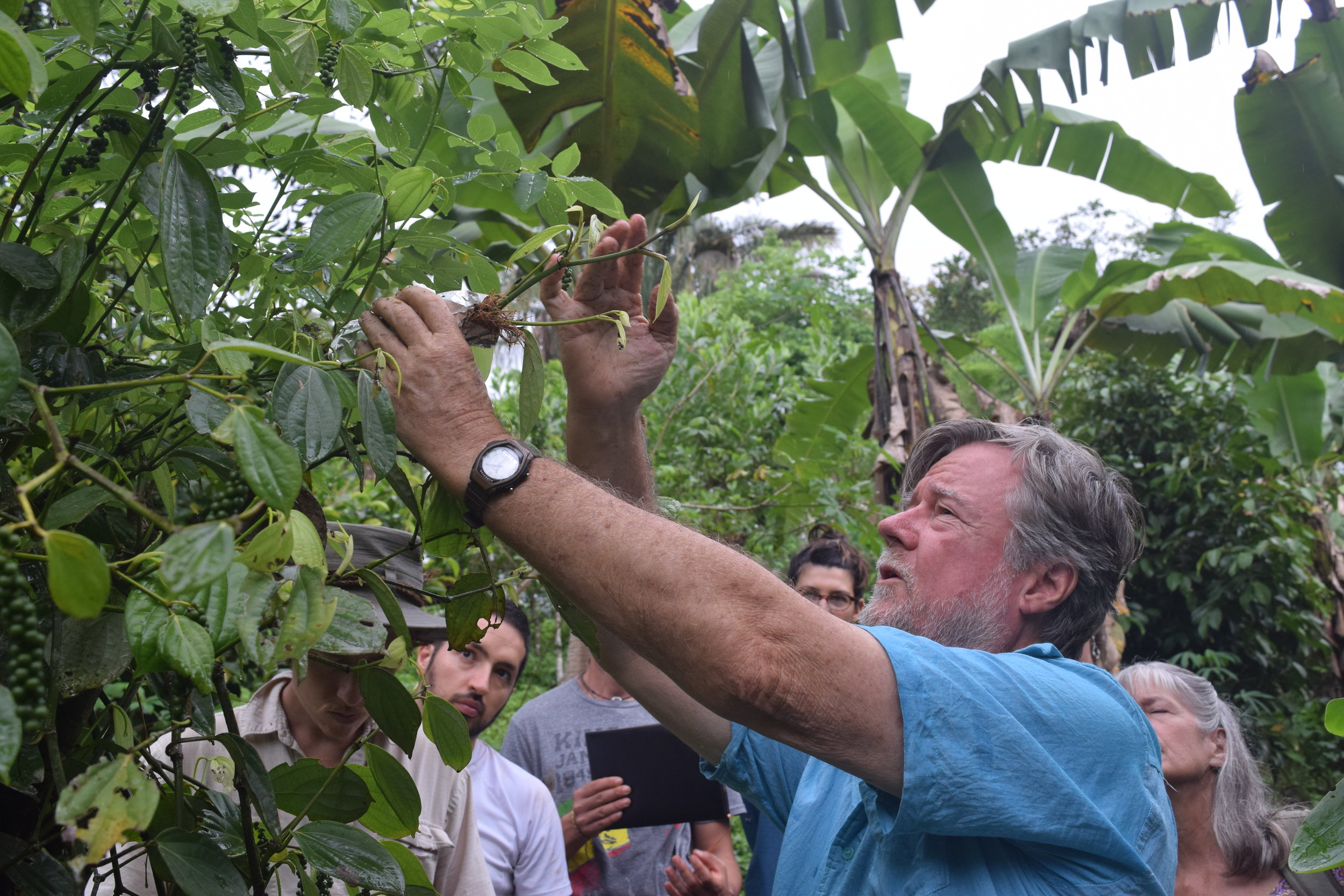
Tico Times
Laura has been writing for Costa Rica's largest English language newspaper the Tico Times. You can read about her recent articles on Ginger Beer and Costa Rica food cultures here.
USDA Inside Agroforestry Blog
Scott was recently featured in the USDA's Inside Agroforestry blog on New and Beginning Farmers. You can read the whole blog here.
2018 Workshop Calendar
Our team has been busy putting together another year of life changing workshops and short courses for our community. From Japanese Cooking to Bamboo Construction, from Permaculture Design to Medicinal Plants, 2018 is going to be a good year to skill up at the Ranch. Please help us spread the word!
Abrazos
The Ranch Crew

Our Natural Building World
In the natural building world at Rancho Mastatal there is no lack of projects to be done. I think as a team we have collected a list that will take us past 2020. And we already have been building our infrastructure for the past 16 years. One could say we are natural building addicts!

In the natural building world at Rancho Mastatal there is no lack of projects to be done. I think as a team we have collected a list that will take us past 2020. And we already have been building our infrastructure for the past 16 years. One could say we are natural building addicts!
But as Rancho Mastatal grows as a community, education center, and business our building list keeps getting bigger to accommodate our many needs. Although the upfront cost of building infrastructures is high in the long run the benefits should pay back plenty.
Taking stock of the different building projects that started and finished in the last year amazed me. Up until then I hadn’t thought about all that was accomplished. It is good to step back and look at the full picture, to feel satisfaction for what you have achieved. Especially in those times when you have been working on the same project for what seems like decades.
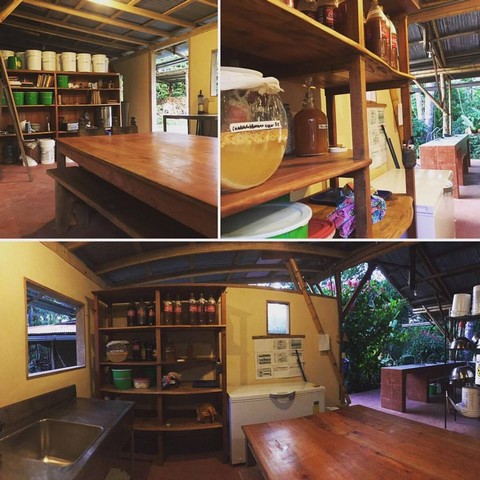
Here is a brief rundown of what was started or finished in the natural building world at Rancho Mastatal in the past year. With the help and hard work of our core team, apprentice crew, and our local staff we are proud to have accomplished so much!
We began our season with building and completing a timber framed compost toilet for our dorm room. We realized that it was finally time to have two toilets to a house that fits 20! This has definitely paid off!

Then we gave the two bedrooms at the Casucha a face lift. After removing the old plaster, we brightened the place up with a natural lime plaster finish inside and outside. Then we installed a beautiful hardwood floor.
We were honored to have Benito Steen, an amazing natural builder and plasterer, come down to live and work with us for six weeks. In that time, he taught us many new methods for building and plastering. Including a new, lighter earthen mixture for wattle and daub that has revolutionized our wall building; recipes and methods for Japanese clay, lime, tamped earthen floors; a bomber clay, lime, straw plaster; and just his overall skills in the entire building world! Along with all that, Benito helped us finish the floors and walls at the Honey Hut shower.
After a year of construction, in which nearly every group that came through our doors contributed to building the walls; we were delighted to finish the food processing kitchen wattle and daub walls and apply a beautiful burnished lime plaster. The entire food processing kitchen is coming together nicely and providing an area to productively accommodate the many needs surrounding food for our community.

Even with all the building we still seem to have a lack of space. With the hope to have 6-7 apprentices each year, and our current apprentice house only fitting 5, we decided to renovate our old goat barn into apprentice quarters. This structure was started in the Natural Building Course, and will be finished by our current year long apprentices. In the course, students learn to build various different walls systems including: wattle and daub, adobe brick, and cob. We are imagining this as a good cabina for a couple or two single apprentices.
While this was all happening, we also started the foundations and timber frame for our new 800 sq. foot guest cabin called Bernie’s Bungalow. By mid-season we raised the timber frame structure and began to frame the walls for the wattle and daub. We started the wattle and daub walls with our apprentices and then pushed them forward with a Natural Building Practicum which proved very successful. We are excited to finally be done with the walls for our guest cabin and beginning the process of plastering, making the earthen floors, furniture, and everything else to make this a cozy tropical space.
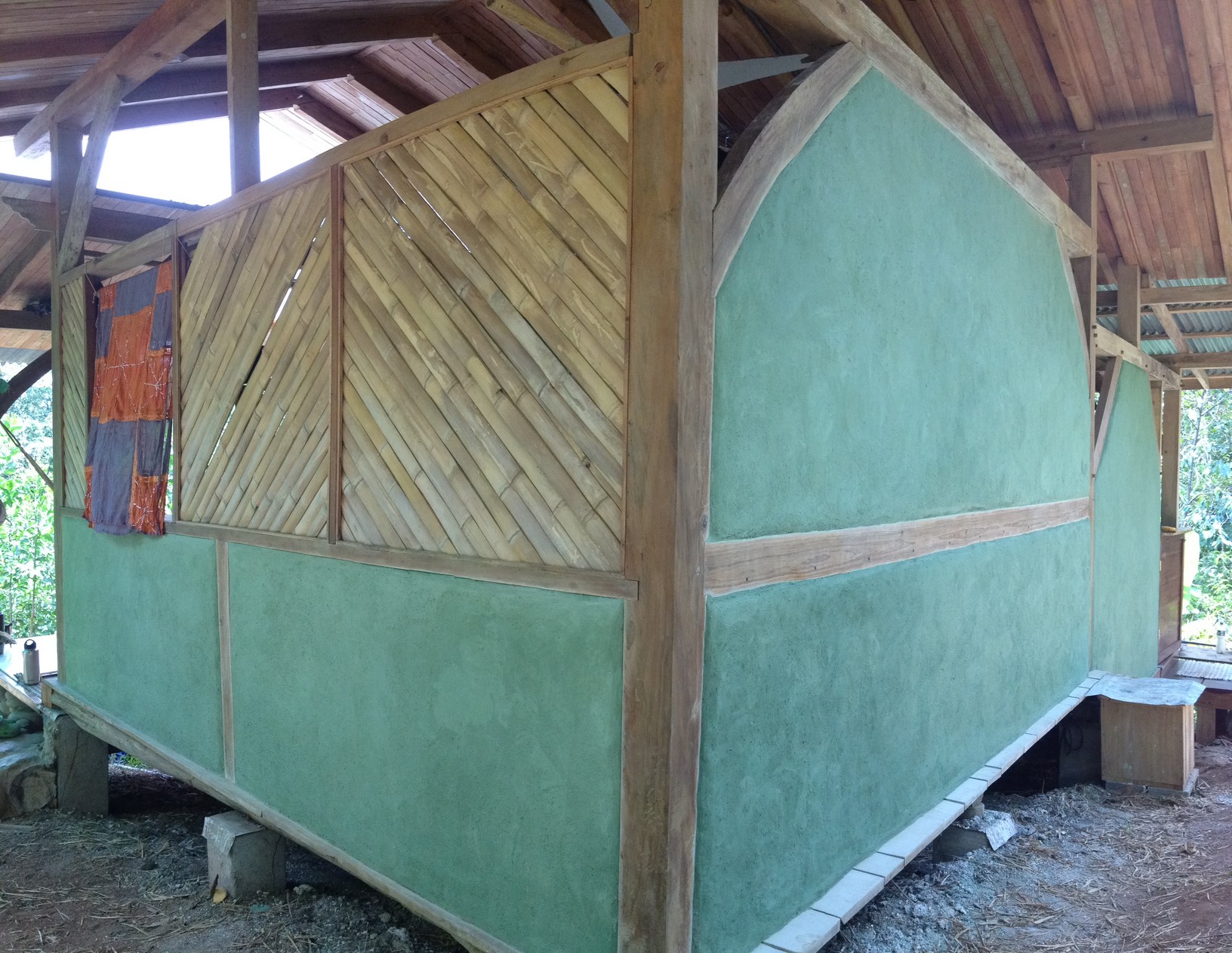
Finally, somewhere in the mix of all this natural building being done throughout the Ranch. We ran a ten-day Timber Framing Course with our good friends Skip and Lizbeth. In this course, we cut and rose the frame for Nic and Ali’s house. We are running a seven-day Natural Building Practicum from May 24th-30th. In this practicum, we hope to be able to start and finish all the wattle and daub walls for this house. It will be a big task, but we think we can make it happen! Participants pay a nominal fee that covers the cost of their food and we spend a focused week long period working on the walls. This allows much faster progress not just because of the focused time but because you can see the walls going up so fast it keeps you motivated, excited and learning. This is a great opportunity for anyone who would like to get some experience of building with earth, work with skilled professionals and come and visit the Ranch for a very affordable “working holiday” or break.
There it is; a recap of our past year's natural building season. Not too shabby of a list. In the process, we have learned a lot, discovered new methods, and bad methods, and everything in between. Even after all these years of natural building at the Ranch there is always something new to learn. We are thankful for all those natural builders that have and will come through Rancho Mastatal.
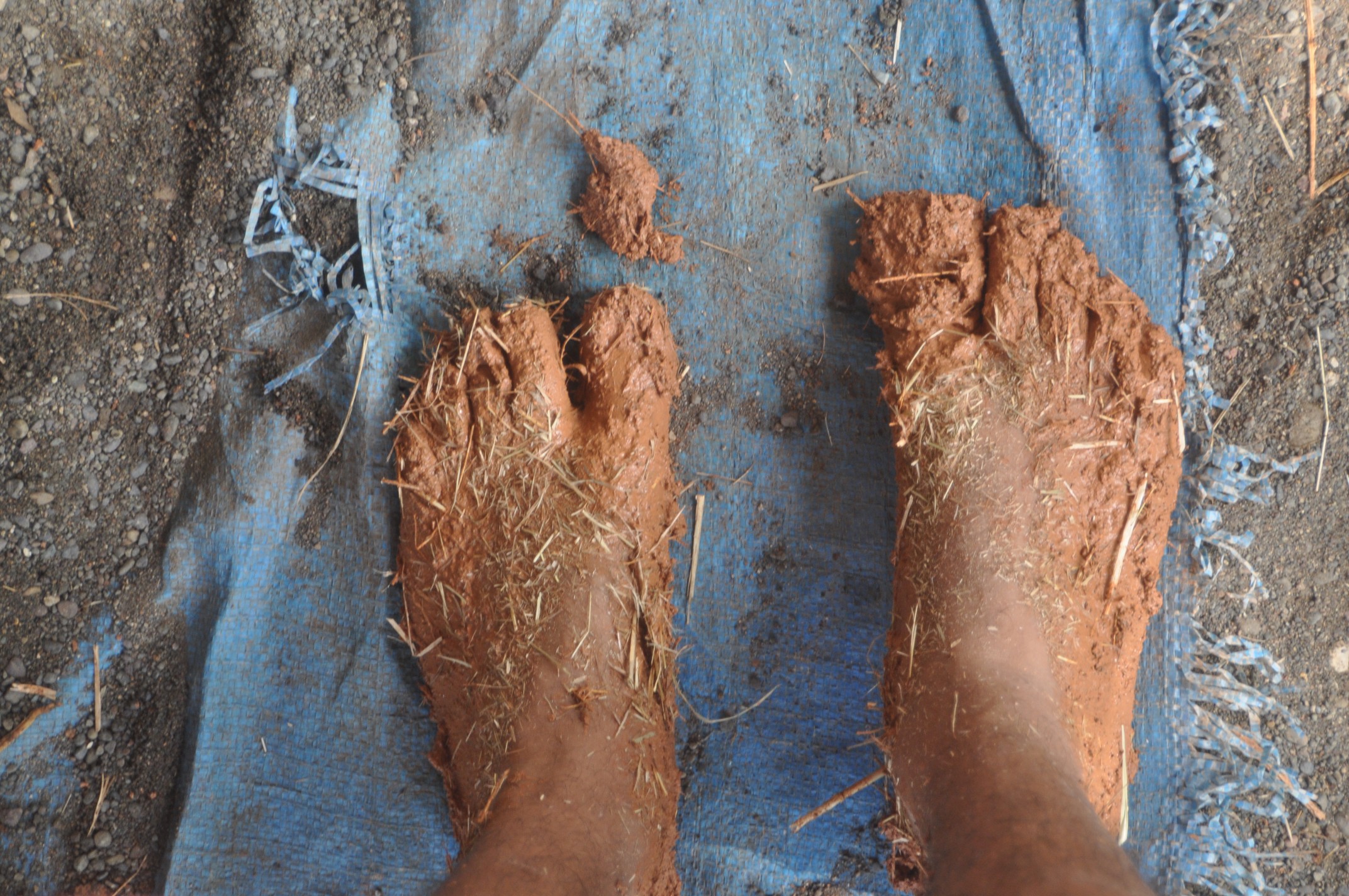
Cheers to muddy feet!
Across the Permaculture Universe
We still have space in a few upcoming workshops:
- The Art and Practice of Live Culture Fermentation
- Plants as Medicine: Reclaiming the Art of the Home Apothecary
- Agroforestry Skills Inspired by the Forest
Help us spread the word and fill them up!
We are also starting to interview and accept 2018 apprentices. If you know anyone who is seeking a life-changing experience please send them our way.
Abrazos
The Ranch Crew

Getting Inspired About Natural Building
Over the years of natural building at Rancho Mastatal my feelings on the process have gone through many stages. From the initial excitement of- wow, how cool you can build a house from the materials on your land, and all it takes is time, practice, and anyone can do this! To over time, after building many walls, an understanding of how long it takes to build a natural home and all the work that it entails.

Over the years of natural building at Rancho Mastatal my feelings on the process have gone through many stages. From the initial excitement of- wow, how cool you can build a house from the materials on your land, and all it takes is time, practice, and anyone can do this! To over time, after building many walls, an understanding of how long it takes to build a natural home and all the work that it entails.
The style we use at the Ranch for many buildings is a timber framed structure with wattle and daub walls. This is a faster and more effective method of building a natural home than say a pure cob house, which requires much more materials and time. Although, wattle and daub is a faster method, it still takes a fair amount of time and labor. Over the years my excitement for building wattle and daub walls has decreased as I’ve experienced the long, slow, drawn out process of it. Until this year when my hope for natural building was born again!
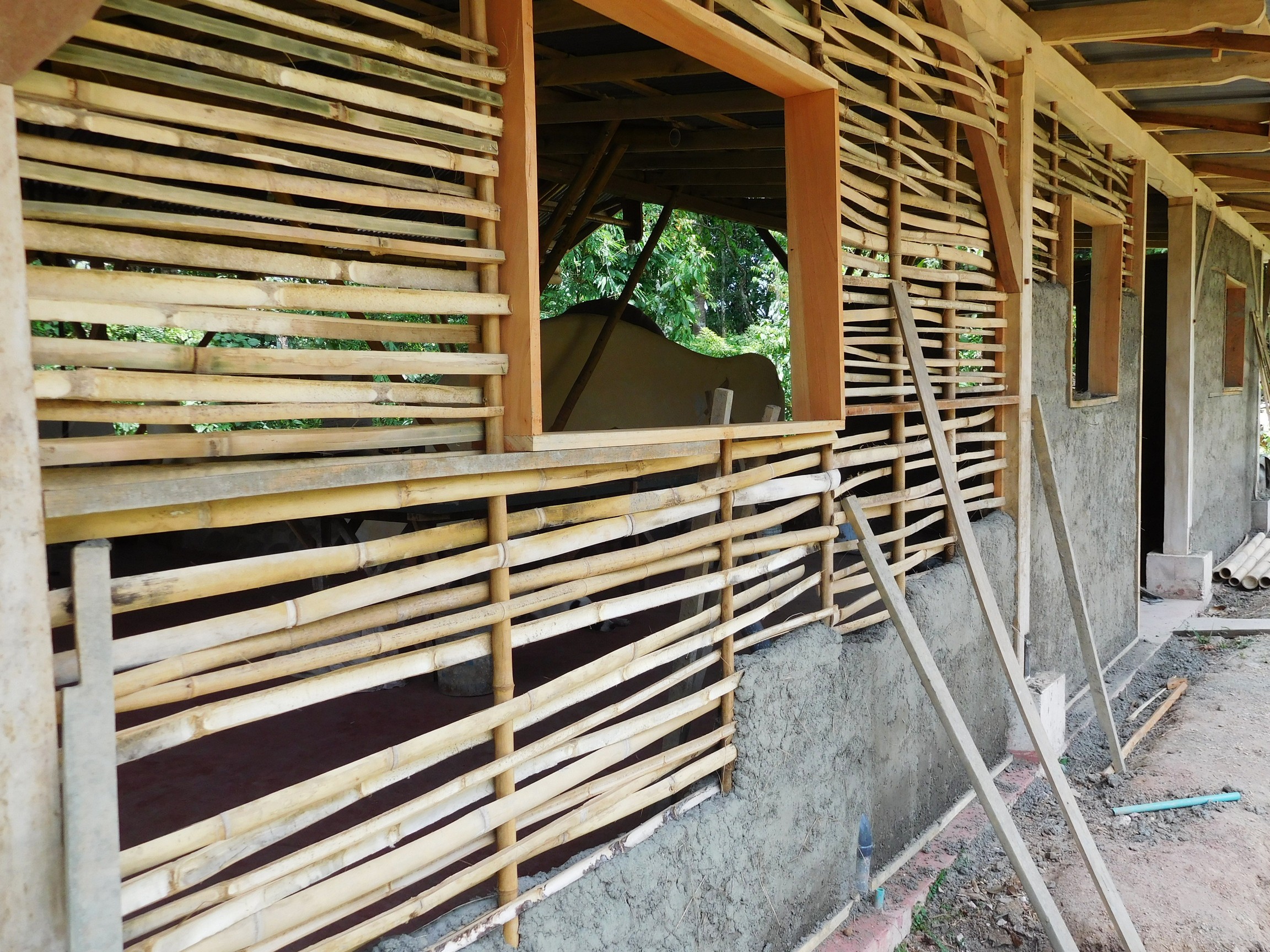
In the past years, we have purposefully left building projects for our educational groups, in order to give them the experience of natural building. Last year it was the walls for the Food Smithery, the year before that was the walls for the Honey Hut shower, the list goes on and on. This year we decided to try a different method in order to move our new guest cabin, Bernie’s Bungalow, forward faster.
Every year we host a Natural Building Course. This course is 10-14 days long and is an intensive break down of many different styles and methods of natural building. This course is more expensive because we bring down well known natural builders from around the world, the students get a diverse exposure to different topics, and hands on experiences with natural building. In these courses the students work on different structures and move projects forward around the Ranch, but finishing a project isn’t the goal for this course because of the wide range of topics covered. So, we decided to trial a Natural Building Practicum. A week-long program that was affordable, but more labor intensive. With the goal of finishing as many wattle and daub walls in the guest cabin as possible.
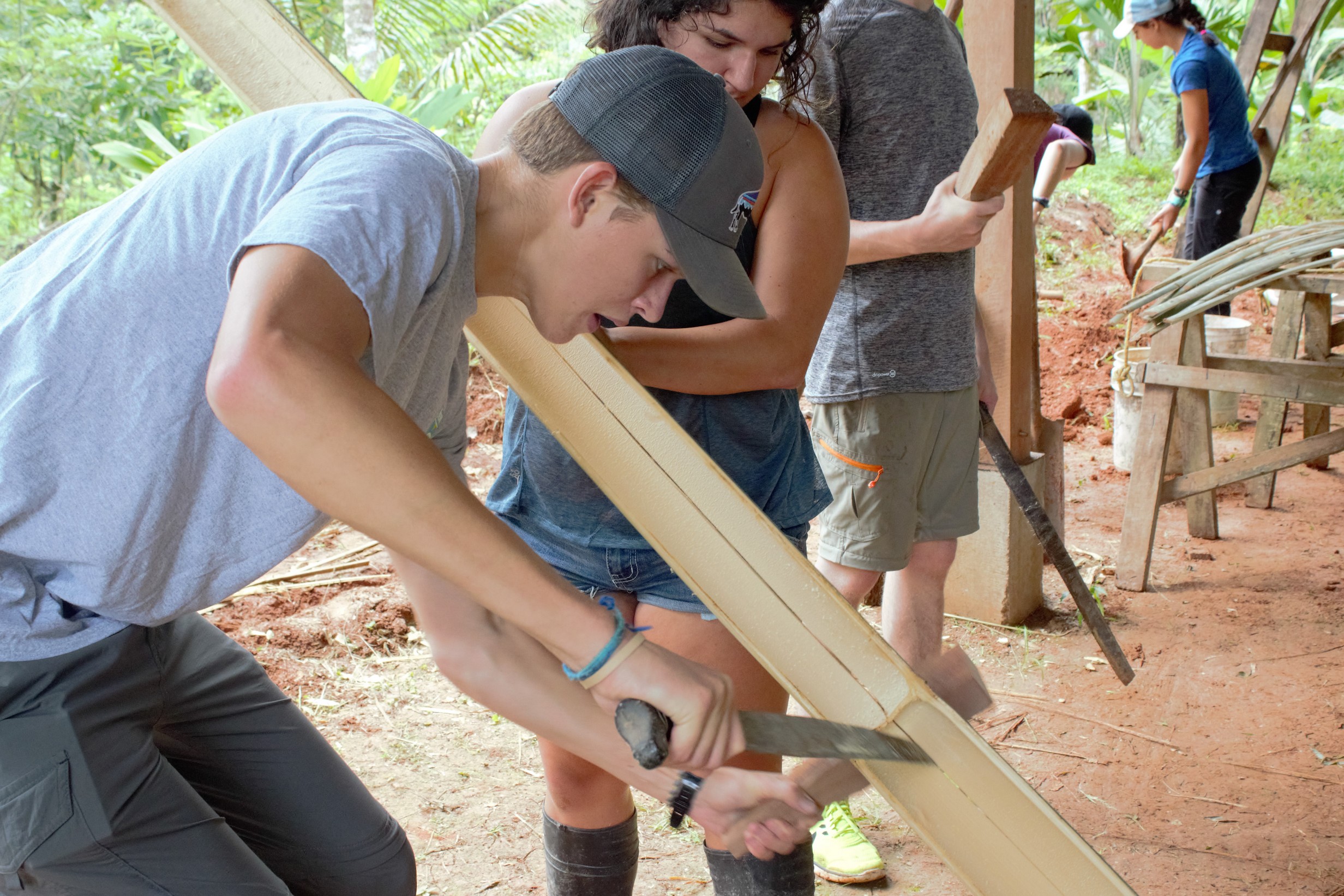
In December we received eleven sign ups, from people from all over the world that wanted to have a hands-on experience with natural building and an affordable way to visit the Ranch. Our first Practicum was under way!
The experience was amazing for myself and I believe the group. We watched every day our progress get better and better and the walls get higher and higher. We worked every day from 9am-5pm for a week. We developed a good system for rotating through the different stages: sifting clay, hauling sand, making mix, and applying to the walls. There were no lectures, power points, or hand outs to this practicum, but there was a general overview of wattle and daub, lots of teachable moments, and many questions from the students as we worked. It was a long and exhausting week, but with that many hands it made the walls fly up!

This made a world of difference to my opinion on natural building. Instead of slowly watching a building get put together over a years’ time, and never really feeling like you accomplished a good amount of wall building in a session. This practicum made it feel like natural building didn’t have to be such a long burden. It gave me satisfaction to see what many hands, working hard for a short period of time can accomplish. I don’t want to sound like natural building is a huge burden and that no one should take on a project, and of course buildings can be built over time with just a few people. But when you have as many buildings on the list as we do it really makes a difference to the moral if they can get pushed forward at a reasonable speed.
We will be offering another Natural Building Practicum from May 24th-30th, 2017 (cost $120 for 7 days). The structure that we will be working on will be much smaller than the guest cabin and we hope to be able to start and finish the entire wall system with the group! So if you’re interested in coming down to stay at the Ranch at a very affordable rate, get a little dirty in the mud, and probably sweat a lot then sign on up and we will see you in May!
Across the Permaculture Universe
Our friends at Black Sheep are promoting a new model of regenerative resource management in Costa Rica. For the last few years they have been finding vulnerable properties in the Puriscal region and bringing together investors to purchase the land and plant timber trees and cash crops. They have once again hired Scott and Rachel to complete the permaculture master plan of a 300 acre property. We are excited to partner up with so many great local change-agents on another great project.
Speaking of permaculture master planning, we want to give a shout out to our friend Zach Weiss of Elemental Ecosystem. Zach is Sepp Holzer's protege and a young permaculture designer you should be paying attention to, especially if you are interested in water management!
And for anyone feeling generous, long time Ranch friend Eileen Richardson is part of the Rocky Mountain Land Library which is on the last leg of a Kickstarter campaign. They are hoping to transform an old cattle ranch into a home for writers and artist. Please support!
Abrazos
The Ranch Crew

Help Improve Workshop Access for Central Americans
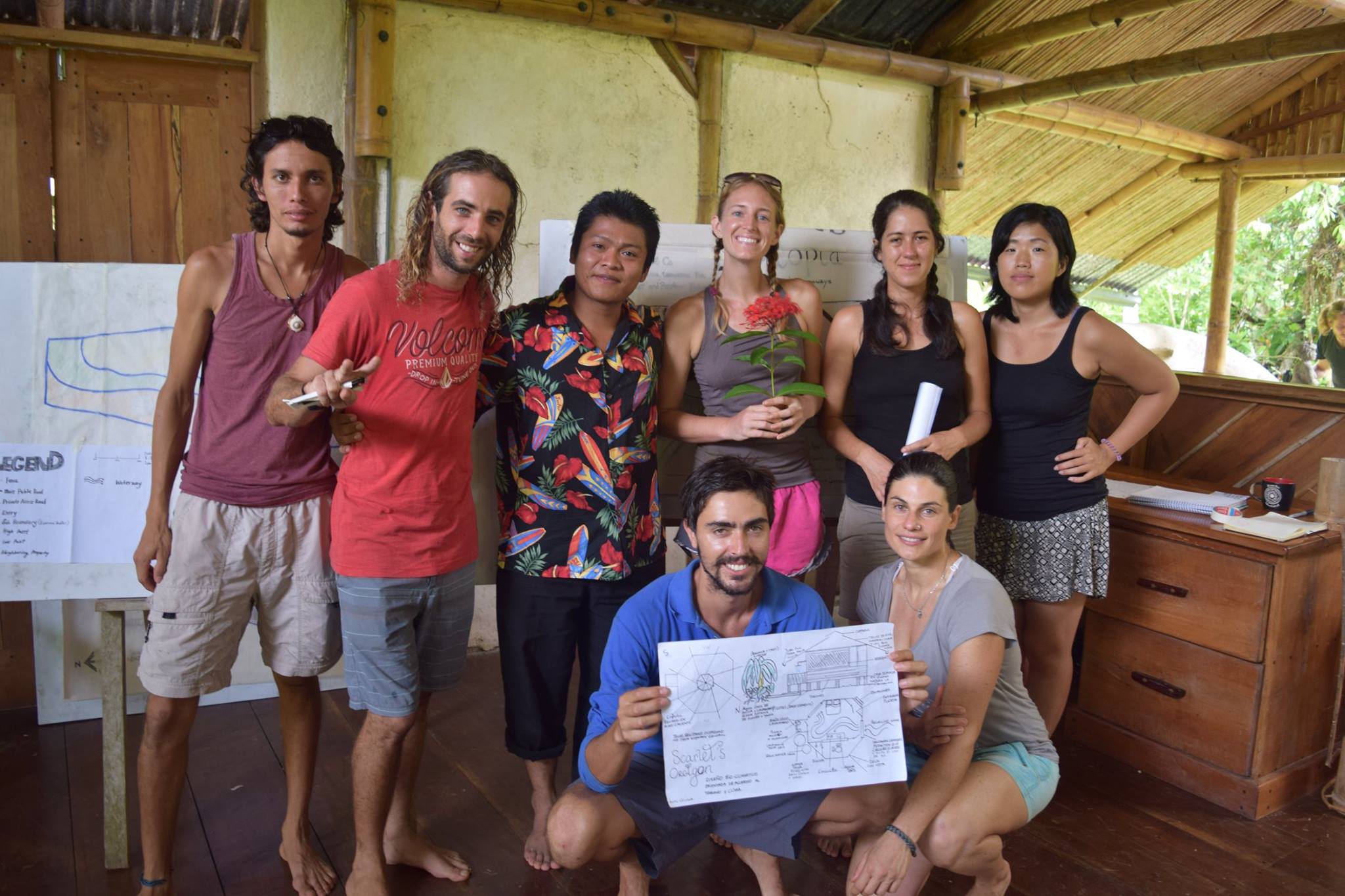
Workshops, one of many forms of education, are expensive to organize, risky to run, and an immense amount of work to pull off and host well. They can also be transformational and inspirational for the participants and provide them with an amazing educational experience. We have been offering life-changing courses and classes in a vast array of areas related to sustainability for over 15 years
By Tim O'Hara
Workshops, one of many forms of education, are expensive to organize, risky to run, and an immense amount of work to pull off and host well. They can also be transformational and inspirational for the participants and provide them with an amazing educational experience. We have been offering life-changing courses and classes in a vast array of areas related to sustainability for over 15 years. During this time our core team has reflected on how to assure that our offerings are accessible to as many people as possible, especially low-income and future leaders in our region, without running our business into the red. It’s been a fine line to walk and one that we’ve commonly fallen on the wrong side of.
In 2015 we began a discussion about how to provide Central Americans with options to apply for economic assistance to attend permaculture, natural building and other sustainability related courses in our region. It is not uncommon for regional workshops to cost working Central Americans months of pay or more. Moreover, workshop students commonly lose income and make other sacrifices while away from their obligations at home. It’s a difficult situation that leaves these opportunities out of reach to the majority of people that are interested in them. From our observations, there are a growing number of people in our area that have a strong desire to participate in courses which will expand their horizons, expose them to valuable networking opportunities, and provide them with hard skills that they can take back to their communities. With all of this in mind, the idea of a scholarship fund began to emerge and make increasing sense.

Mastate Charitable Foundation (MCF), a small non-profit under the umbrella of the Marion Institute, achieved some important fundraising successes in 2015-16 that allowed them to create a Central American Scholarship Fund Program that provided seven partial scholarships to our Permaculture Design and Wilderness First Responder Certification courses and 2017 Apprenticeship in Sustainable Living.
Based on these favorable developments and the associated positive experiences participants had, we have been encouraged to look for ways to expand this program so as to meet the growing demand for these types of opportunities in the future.
Rancho Mastatal has already received over 20 scholarship applications for classes taking place in 2017. We believe that there are few better investments than supporting meaningful and empowering education for leaders rooted in their communities. In too many cases, populations worldwide have suffered the degradation of their communal structures from years of neglect and shrinking budgets, brain drain, worsening economic situations, and environmental atrocities that make living in certain areas of the world less viable. To rebuild will require courageous leadership, hard work and resources.
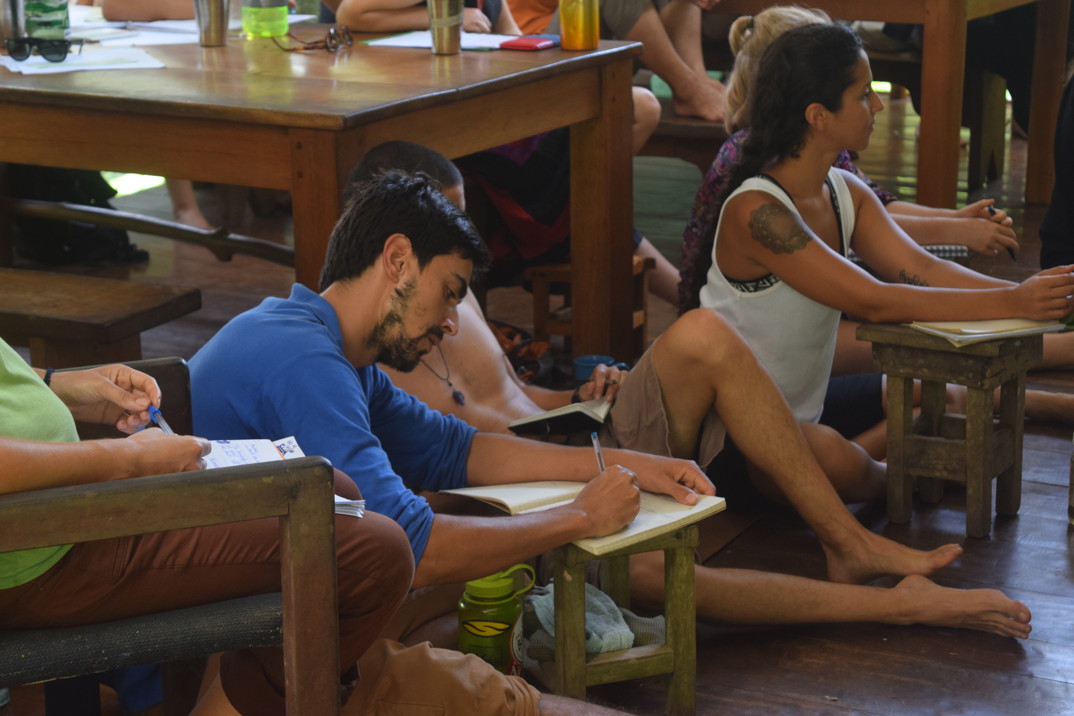
If you or someone you know would like to sponsor one or more scholarships during the upcoming calendar year please learn more about MCFs charitable work here. Tax deductible donations for the Central American Scholarship Fund can be made here. General donations can also be made on the MCF website here. The opportunities provided by your assistance can change the trajectory of not only a scholarship recipient but of their entire community. Help us to support a more sustainable future for Central America.
NEWS FROM AROUND THE PERMACULTURE COMMUNITY
We love food preservation at the Ranch, usually by means of fermentation. One of our challenges is finding good supplies, e.g. food grade, appropriate scale, etc., here in Costa Rica. But for you all in the States, you might check out Pantry Paratus for a great selection of supplies.
As our team at the Ranch looks toward the future, we've found much inspiration in the recent writings on commoning by David Bollier. We highly recommend the article Commoning as a Transformative Social Paradigm. You may also want to check out the workshop Reinventing the Commons: Social Ecosystems for Local Stewardship & Planetary Survival.
Abrazos,
The Ranch Crew
Categories
Topics
- Agriculture 6
- Agroforestry 21
- Animals 2
- Apprenticeship 19
- Appropriate Technology 6
- Backpacking 1
- Bananas 1
- Basic Pantry 4
- Biochar 1
- Books 3
- Build Your Own Home 1
- Central America 5
- Chiles 1
- Cinnamon 1
- Clay Carving 1
- Climate 2
- Climate Change 1
- Cob oven 1
- Communication 5
- Community 24
- Compost 2
- Composting Toilets 2
- Condiments 1
- Conservation 2
- Cooking 4
- Costa Rica 18
- Design 10
- Earthen Construction 10
- Eat Local 2
- Ecohome 1
- Education 9
- Environment 3
- Ethics 4
- Farm to Table 12
- Fasting 1
- Fermentation 14
- Food 22
- Food Choices 8
- Food Forest 8
- Food Processing 15
- Food Systems 12
- Gap Year 1
- Gardening 5
- Ginger Beer 1
- Harvest 2
- Health 12
- Healthy living 5
- Homemade 2
- Homestead 8
- Internet 2