

BLOG
Stories, articles, and updates from the Ranch community.
A Collection of Songs from a Wandering Misfit
If one just stops for a moment, some of the myriad interwoven patterns of the natural world begin to make themselves known, and new ideas can start unfolding.
By apprentice Leo Dib
I sit here in rural Costa Rica, in a regenerative living educational center with all my basic needs met, surrounded by beauty and harvesting fresh fruit from the abundant agroforestry spaces that we get to reap the sweet nectar from.
Thanks to the many hands that have had a hand in bringing this place to life—after having been scarred by the products of Costa Rica's bovine and agro-industry—we now have a haven for wildlife and all manner of plant species, as well as an educational center for those seeking to develop more skills pertaining to the regeneration of the biosphere through permaculture, homesteading, natural building, agroforestry, and, importantly, interpersonal dynamics and all the joys and tests that are inherent to them.
If one just stops for a moment, some of the myriad interwoven patterns of the natural world begin to make themselves known, and new ideas can start unfolding.
It's interesting to see the different perspectives we each bring to the fold.
Over the past couple of weeks, I've been tasked with writing a blog pertaining to a subject that I hold dear or simply feel drawn to explore.
The interesting thing is, though I would describe myself as a curious person, for some reason, nothing I've written about seems to have stuck as meaningful or been able to translate an inkling of my experience—except perhaps the songs I've been working on.
It's interesting how my mind has been affected by being here, but the way it makes itself known maybe isn't very straightforward as of now.
So what I have is somewhat unorthodox, perhaps ill-suited to the task at hand, but also honest.
Every place has its music, and this place has inspired me to write these three songs, which I am sharing here.
Perhaps someone, someday, will find their own melodies to move these words.
And if not, I will have deeply enjoyed them during my time here.
Thanks to the living beings and elements that have moved me to put pen to paper and put voice to song.
The Fruit
Verse
There's a fruit, over in the tree
I outstretch my hand, reach out and grab it
Now the fear's gonna bring me down, down, down
Chorus
Calling to the river man,
Can you see where I stand
Out on that reach,
Where the ocean meets the sand?
And in the night I lie in wait,
For the dawn to sing her song,
To sing along,
To sing a song at dawn.
Verse
Memories of the fall,
I don't even know this place.
Live to see another day,
Now the sun is on the way.
And the shadows on the wall,
Let the light down in the cave.
Midnight on the horizon,
There's a fire in the cave.
I see a change is on the way,
I can see it clear as day.
I think we got our signals crossed,
Got a little lost, but that's okay.
Chorus
Calling to the river man,
Can you see where I stand
Out on that reach,
Where the ocean meets the sand?
And in the night I lie in wait,
For the dawn to sing her song,
To sing along,
To sing a song at dawn.
The River
Verse 1
Down in the river I see you,
Come when you call my name.
Smile when I see your wings grow,
Nothing's gonna be the same.
Verse 2
Why did the bird come see you?
What do you think he said?
Something 'bout the changing seasons,
Nothing ever stays the same.
Chorus
Broken, you see, but the song is sung.
Tired, you know, my time has come.
There's fire in the dream and the wave has come.
World on the move, the old one's done.
World on the move, the new one's come.
Verse 3
Don't you ever stop to wonder,
Where do the waters go?
Something 'bout the breath down yonder,
Nothing ever stays the same.
Verse 4
I heard of a world of thunder,
A world that grows deep below.
How does the sun shine down there?
Nothing really seems the same.
Chorus
Broken, you see, but the song is sung.
Tired, you know, my time has come.
There's fire in the dream and the wave has come.
World on the move, the old one's done.
World on the move, the new one's come.
Verse 5
Why did the bird come see you?
What do you think he said?
Something 'bout the changing seasons,
Nothing ever stays the same.
Out Beyond the Sun
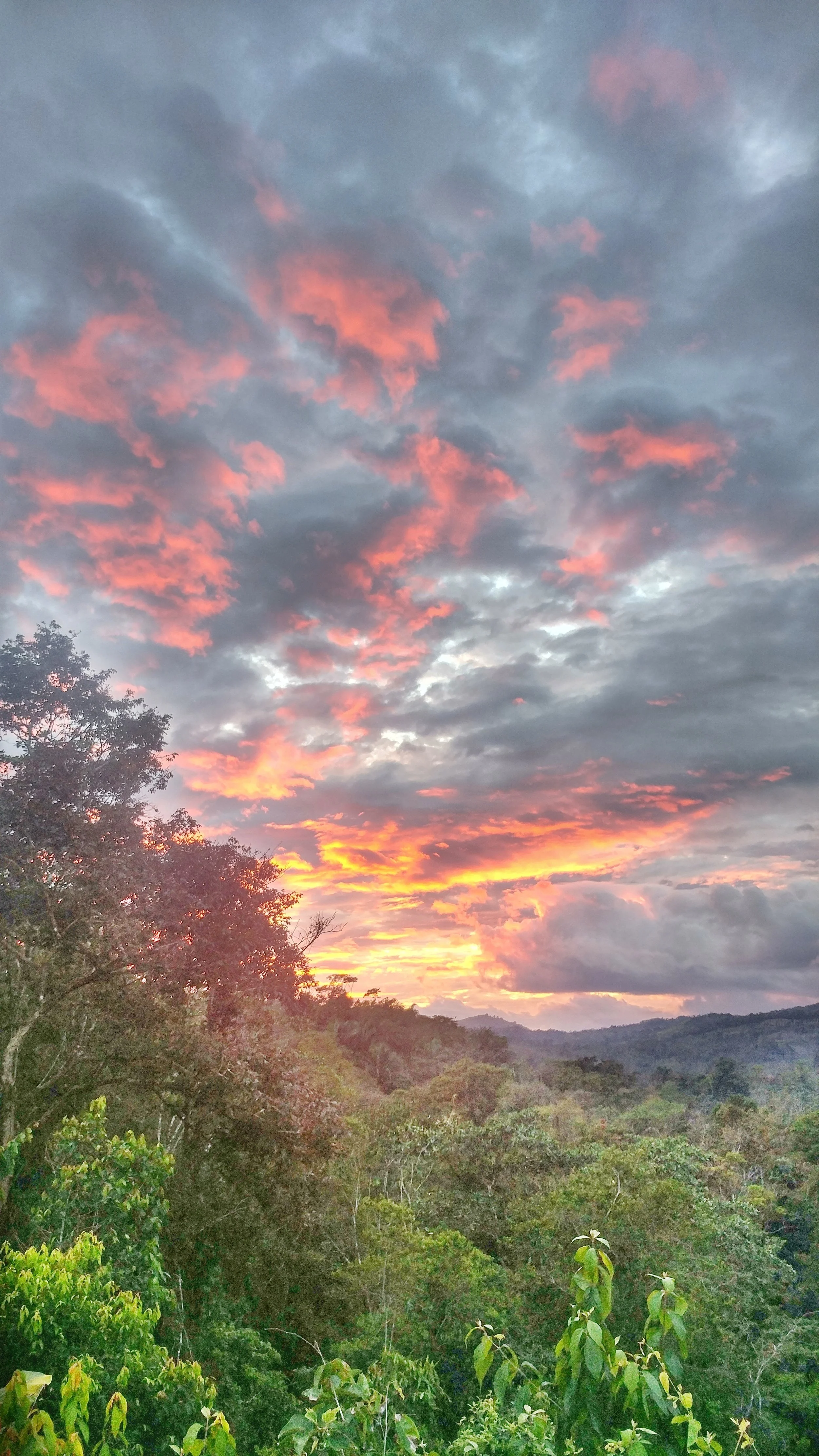
Verse 1
Oh, darlin', you called,
Said you needed love,
And I said, "Go take a walk."
Probably should've listened.
Probably should've shut my mouth.
Chorus 1
Down by the water where the creek runs heavy,
Down in the meadow where the creek runs low.
Verse 2
Wish I could write you a song,
Wish I had a golden tongue.
But my words, they came out wrong.
Forgive me, I'm just riffing.
Thought I could make you strong.
Chorus 1
Down by the water where the creek runs heavy,
Down in the meadow where the creek runs low.
Chorus 2
Thank you for your time,
Please come again.
Let me walk out on the trail.
I'll find you in the space out beyond the sun.
Let me walk alone.
Let me walk alone.
Let me walk alone just for a while.
Find me when the call for home has come.

Universal Language: Stories as an Apprentice at Rancho Mastatal
There is something I like to call universal language — a way of connecting that goes beyond words, grammar rules, or Google Translate. It’s the kind of language that lives in gestures, in shared experiences, in energy.
By 2025 apprentice Aquino
It’s been three months now since I started living as an apprentice at Rancho Mastatal, a remote sustainability education center tucked away in the jungle of Costa Rica.
I was born and raised in Belgium, so Dutch (or Flemish) is my mother tongue. I speak English as a second language — good enough to get around, but still feeling limited sometimes, especially after calling home or when my girlfriend came to visit and we naturally fell back into Dutch. It reminded me how words in your native language can feel like a warm blanket — comfortable, familiar, effortless.
But here at the Ranch, I’ve started to feel at home in a different way. My fellow apprentices and the core team are becoming like family. Walking through the tiny center of Mastatal, I now recognize familiar faces. I’m starting to joke around with the local Tico crew — despite my far-from-fluent Spanish.
And that’s where I realized: language is not just about words.
“There is something I like to call universal language — a way of connecting that goes beyond words, grammar rules, or Google Translate. It’s the kind of language that lives in gestures, in shared experiences, in energy.”

Love — My Favorite Universal Language
It all starts with love. Or at least, with kindness and an open heart.
The other day we wrote a little birthday card for Lorena, one of Rancho’s beloved cooks. Even though my Spanish vocabulary is still embarrassingly limited, a handwritten card or a genuine smile crosses all language barriers. Small gestures like that create a safe and open space where people feel seen. And where connection can start to grow — even without a shared language.

Sports — The Great Icebreaker
And then, of course, there’s football. In Mastatal (like in the rest of Costa Rica... and let’s be honest, the rest of the world), football is the universal language.
Playing a game at the local field is probably the best way to connect with the local youth. No need for complicated sentences — just pass the ball, make a good run, celebrate a goal. That’s enough to make your first Tico friends.
Personally, ultimate frisbee was another icebreaker for me here at the Ranch. Throwing a disc around with the core team during my first weeks felt way easier than small talk in broken Spanish or shy English. And later on, during workshops, playing a game or two was often my favorite way to connect with visitors — without draining my social battery (I’m speaking for myself here).
Stacking Functions — The Ping Pong Table
Speaking of games — let me tell you about our ping pong table.
In permaculture, there’s a principle called stacking functions. It basically means: if you design a system (or an object), make sure it serves more than one purpose. Think of a chicken — it lays eggs, eats food scraps, provides fertilizer, and keeps your compost aerated. Multi-functional genius.
Well, our ping pong table in the Foodsmithy is a beautiful example of that principle.
By day, it’s a working surface for preparing food. But remove the cutting boards and veggies, and suddenly it becomes a place for play, laughter, and a healthy dose of competition. It’s a space where strangers become teammates (or rivals), where jokes are exchanged without needing words, where connection happens through movement and fun.
That’s stacking functions. It’s not just a table. It’s a kitchen counter, a game arena, a meeting place, a (universal) language lesson, and sometimes even a little therapy session.

Food — Connection on a Plate
Cooking together is another universal language I’ve come to appreciate deeply here.
My girlfriend Mari visited me at the Ranch for a while. As an outsider entering a tight-knit community, it wasn’t always easy for her to integrate. But the kitchen — a place where she finds confidence — that’s where she found her way in.
Peeling and shredding yuca together. Making gnocchi from scratch. Laughing, observing and interacting over attempts. Sitting down at a shared table to enjoy the fruits of your labor. Food has this magical way of creating connection — without needing many words.
In fact, on weekends we have kitchen shifts with the Tico team, which is basically the perfect Spanish classroom. What better way to learn a language than while chopping onions and asking for "más sal o no?”
So What Is Universal Language?
For me, universal language is about the human ways we connect — beyond cultural differences or spoken words. It’s about finding shared joy, shared struggles, and shared passions.
Some examples?
* Music — Feeling the same rhythm, dancing to the same beat.
* Body Language — A smile, a handshake, eye contact.
* Art & Symbols — Recognizing shared patterns and stories in creative expression.
* Mathematics & Science — The logic of numbers, true everywhere.
* Spirituality — The language of inner worlds and shared rituals.
* Food — Chopping, cooking, tasting, sharing.
And probably many more.
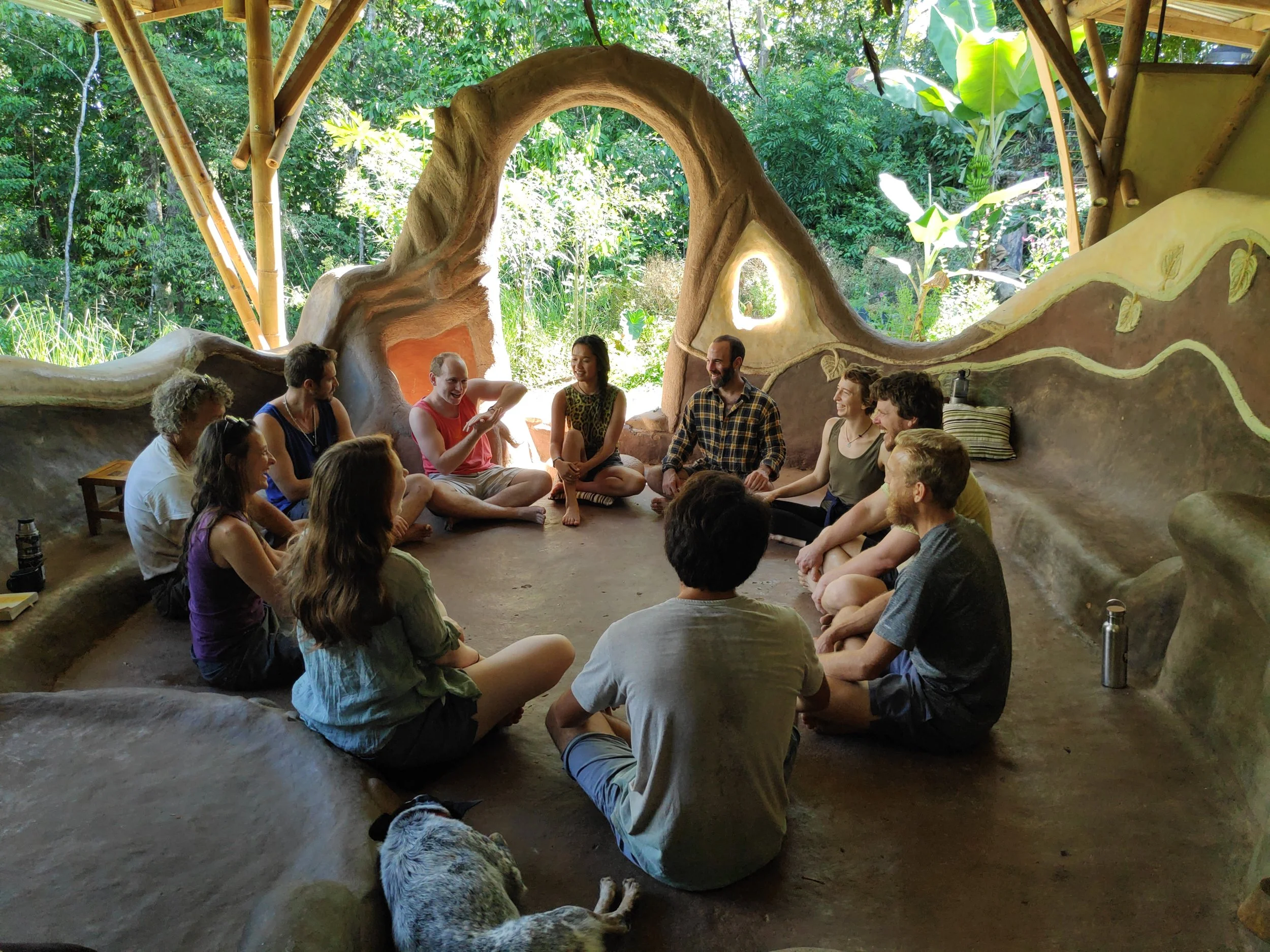
What they all have in common is this: behind every language lives a culture. And within every culture, there are patterns of connection waiting to be found. Universal language is the exercise of finding those patterns — and tying them together with joy, curiosity, and presence.



Final Thoughts
It makes me wonder sometimes: in a utopian future where everyone speaks the same language (like the constructed language Esperanto once dreamed of), would we lose this beautiful exercise of connecting beyond words?
Maybe. Maybe not.
Because even then, there will always be a smile, a game of football, and a table to share food around. And as long as there’s diversity in culture, there will be universal language.


Disconnecting to Reconnect: The Effects of Not Having Constant Internet Access
The physical separation of internet access from our daily living and work spaces significantly shifts the way we engage with technology.
By 2025 apprentice Brendan
One of the most profound lessons I’ve learned from living at Rancho Mastatal as an apprentice is just how out of balance my relationship with technology has been. I can only speak from my own experience, but this realization seems to be a common theme among those who spend time at the ranch. The physical separation of internet access from our daily living and work spaces significantly shifts the way we engage with technology.

Technology and Internet Access in Modern SocietY
In almost every modern city or suburb, 24/7 internet access isn’t just available, but it’s expected. It’s seen as a basic necessity, woven into nearly every part of daily life. To be fair, constant connection is essential for many people, especially for work, safety, and communication. It’s also an incredible tool when used intentionally, but I believe there’s a lot to be gained by taking a step back and re-evaluating our relationship with it.
Technology and Internet in MastataL
In the small town of Mastatal, Costa Rica, the fastest connection you’ll find without a Starlink setup is 3G and that is spotty all across town. On the ranch, there is pretty much no service anywhere on the property. The only place with reliable high-speed internet is the local Internet café, powered by Starlink.
At first, this felt like a major adjustment, but now I see it as a privilege. The extra effort it takes to get online has completely reshaped how I use the internet. Instead of mindlessly reaching for my phone, I have to be intentional and ask myself “Why am I going online? What do I actually need to do?” That mental shift has reframed the internet from something that constantly pulls at my attention, back to a powerful tool when used consciously.
The Effects on People and Community
This disconnection from constant access has a deeply positive impact on how people interact. In communal spaces, it’s incredibly rare and refreshing to see people gather without anyone distracted by their phones. Conversations flow more freely and everyone feels more present. It creates a sense of connection that feels increasingly rare in our world.
I feel incredibly grateful to have experienced and contributed to a space like this. It reminds me how much we benefit from environments that foster real, undistracted human connection. I think creating and protecting spaces like this is something we could all benefit from.


Invisible Structures
Just as strong buildings require a solid foundation to build upon, successful dynamics are also supported by invisible structures, or mutual understanding of needs, roles and beliefs.
By 2024 apprentice Yalan
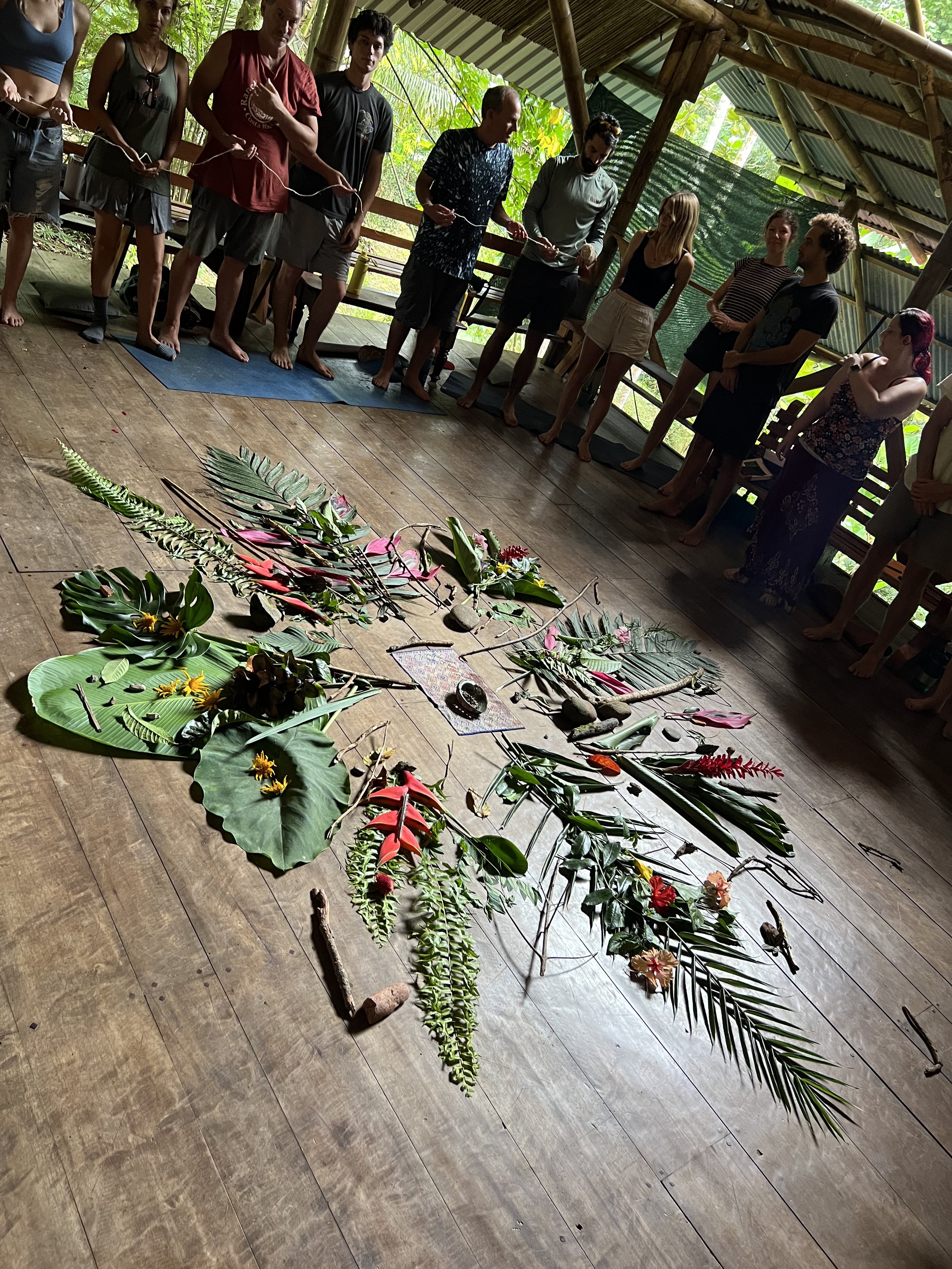
For every building to unfold, a detailed plan must be laid. A build for housing people, is not something we make up along the way. Just as strong buildings require a solid foundation to build upon, successful dynamics are also supported by invisible structures, or mutual understanding of needs, roles and beliefs. Invisible structures are the foundation to any successful team, community, or entity. Without invisible structures, these dynamics can fall into a downward spiral of misunderstandings, expectations and disappointment, as well as miscommunication and misplaced intentions. By being consistent in meetings, transparency, and inclusion, invisible structures have been attributed to the longevity of the Ranch.
Many a time, invisible structures can be assumed or implied. Our needs, roles, and beliefs can be some what difficult to share. Having consistent meetings can give us the space to discuss what we each find important. Life can get busy and the idea of committing to consistent communion whether its daily, weekly, or monthly can feel daunting, especially when its with more than one person.
Setting at least ten minutes aside to reorient and connect with those in your immediate environment not only helps organize the day ahead, but can shift your perspective and even values. For example, everyday at the ranch, the possibility of playing sports is discussed. Now, it’s not everyday that sports are played, however everyday is open for people to get in some cardio as well as participate in team building. If meetings are not established to discuss agenda, needs, etc. any dynamic can lose balance. I recall a community I was a part of where there was a lead who would ramble about what he wanted to see each person contribute individually. Instead of seating us together to express expectations collectively, he would pull us each aside to comment on what he saw our contribution being. This created confusion about our roles amongst each other and our purpose there. Expectations and needs on both sides weren’t expressed clearly, nor did they have the space to be expressed. For a community meeting to be successful, needs and values, are expressed and equally received from all parties.
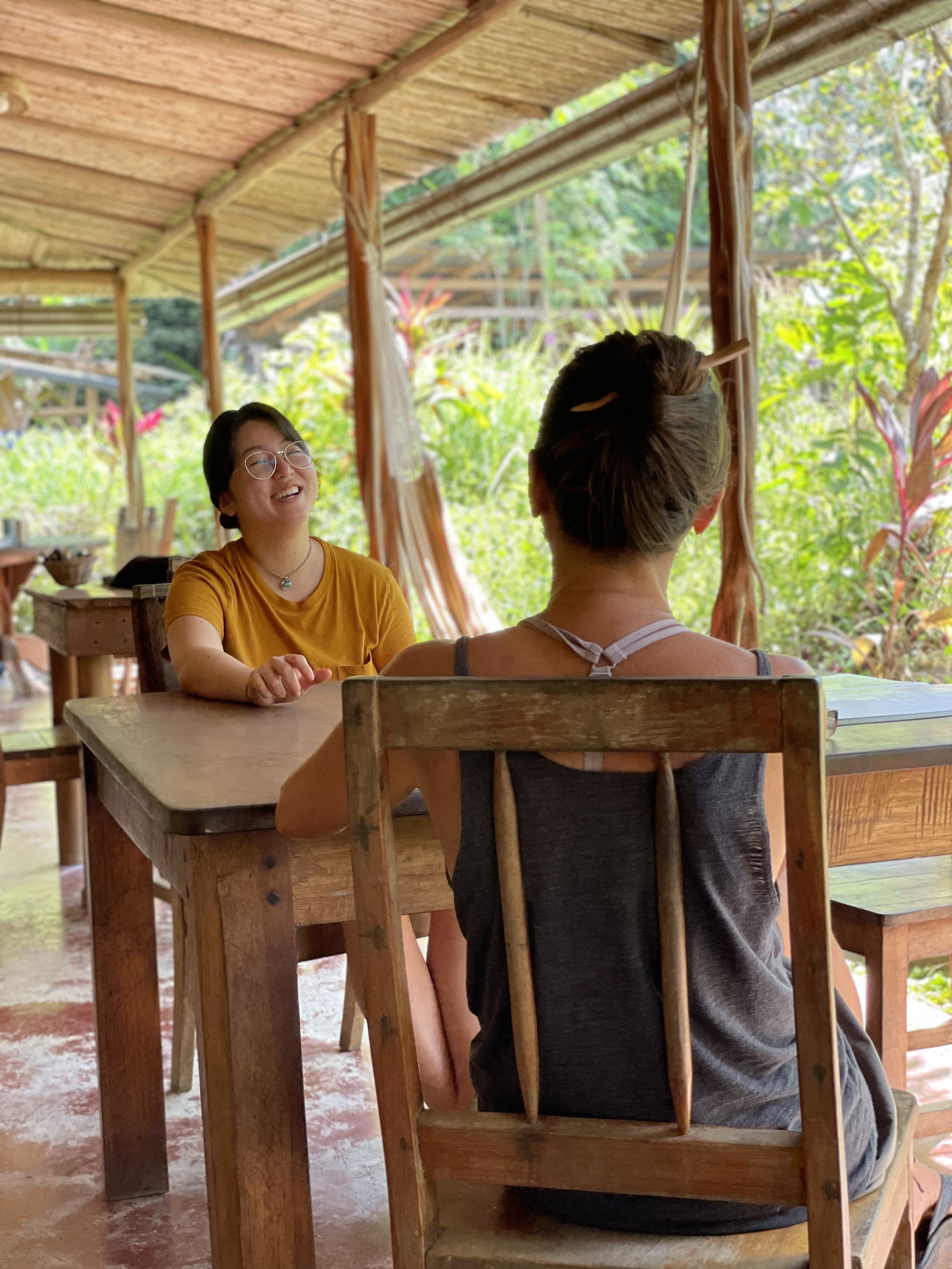
For meetings to be successful, one needs a sense of safety and vulnerability
With these conditions comes transparency, allowing ourselves to be seen and communicating our “internal weather report” allows for others in the community to take initiative. Responding appropriately to a need or role that needs fulfilling. However when being transparent, a level of delegation and discernment must be present to successfully have that need met. Problems are not solved by acting as if they are not there, or by going on about business as usual. Problems are solved by engaging, by observing and interacting with the problem until a solution is met. Again, meetings exist to generate a platform for transparency to exist. We must cultivate space to allow for things to become apparent. For example, if a role is placed on you or there is an expectation you cannot meet, you can suck it up and do your duty, or you can be vulnerable and say, “This does not work with me, are there any other places my energy would be useful?” We want to help one another, we want to play a role in the relieving of each other’s pain. We cannot do this if light is not shed on their struggles. If we cannot share our faults and struggles, we take on more than we can handle and resentment can develop. Allowing ourselves to be transparent with our faults and struggles gives rise to generosity and altruistic action. Once being vulnerable is established as safe, we can then bring people into our lives to be in sync with our rhythm.

From here we move from transparency to inclusion
Not just being open with our lives but actively involving others in our daily experience. By including others into our lives, we learn to delegate the weight we carry. There’s an expression, “many hands make light work.” I recall an open mic I hosted back in Los Angeles. I was transparent in my struggle setting up for the evening, huffing and puffing as I set up lights. Though I felt under pressure, many hands were available to assist me. I was not taking time to assess what was needed of me, so I could not delegate. By not including others in my tasks for the evening, I was suffocating under my own pressure. Needless to say it was a successful evening, however I could have relieved myself of struggle by involving others. My mind could have had more space to enjoy the evening rather than being hyper focused in providing a pleasant experience. While there is a pride to be experienced on the other side of accomplishing a task all on your own, there is a potential in connecting with others that is void when doing so. Expressing oneself as, “I could use ______ right now” or “I am in need of _______ at the moment” or “If you have a moment could you ______?” Are all examples of letting people into our lives. For the sake of connection and relieving our own pressure, let us open up to those in our immediate environment, and include them in our daily experience.
All in all living in community isn’t for everyone, it takes open hearts and open minds to communicate as fluidly as what is needed to live amongst peers. There are infinite ways to live in community and meetings, transparency, and inclusion are just a few examples of what’s needed to build solid invisible structures.
Learn More
Want to learn more about social permaculture, community living, and systems to create a healthy communal environment? Join us for our yearly Permaculture Design Course, where we will experience all this together in a two week, life-changing experience.
Check out these related blogs
Social Permaculture: The Secrets to a Successful Community
Foundations for Success: 10 Considerations to Create a Healthy Project
Enriching Community Soil: 5 Simple Strategies That Support Sustainable Relationships
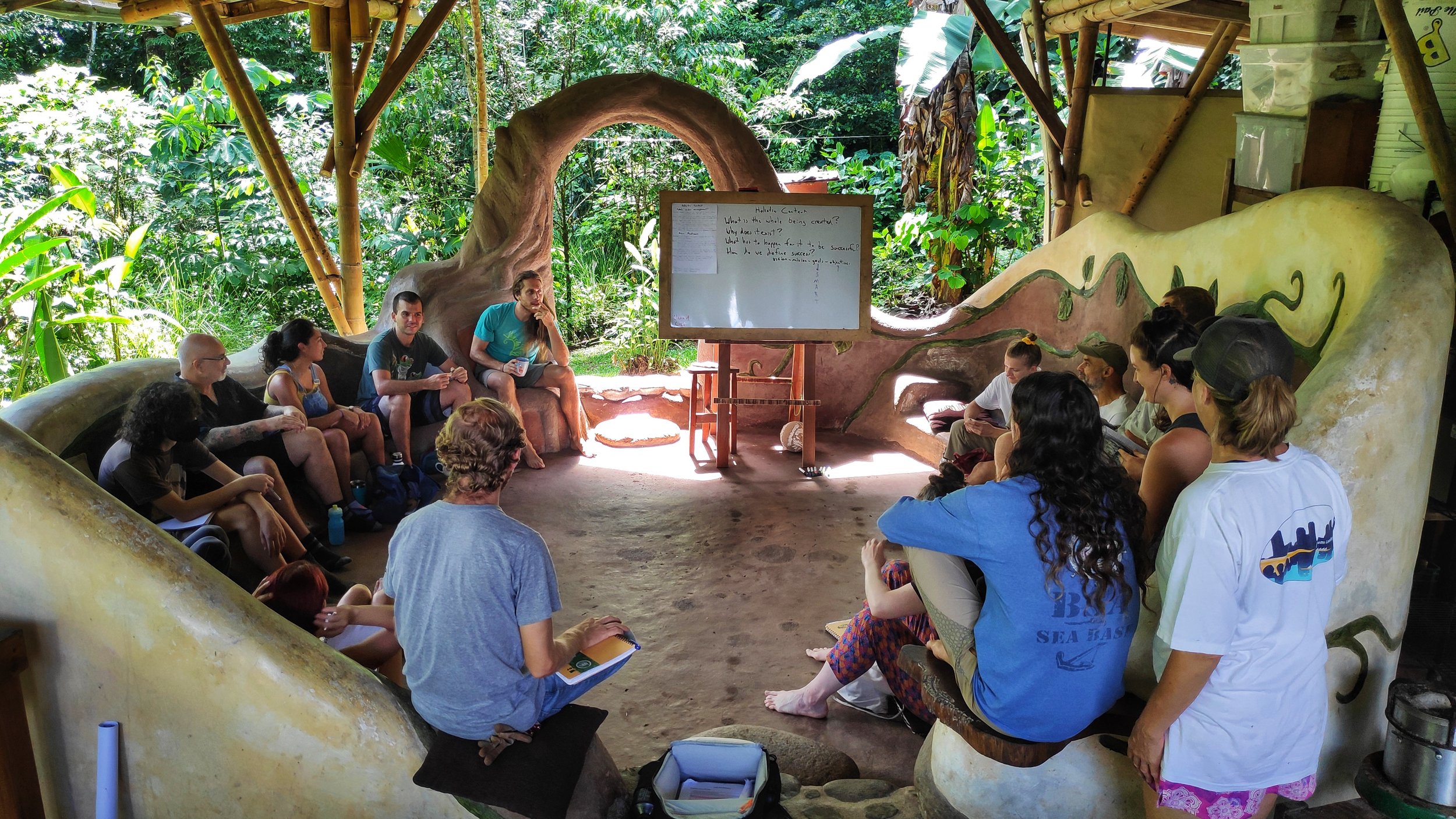

Team Sports as a Bridge Between Expats and Local Community
I am watching something pretty remarkable taking place almost every day here in Mastatal, Costa Rica, and that is the magic of team sports.
Written by 2024 apprentice Brooklyn
In my personal experience with international travel, I have time and time again come across the phenomenon of “Expat” communities separated both geographically and relationally from “Native” or “Natural Citizen” communities. We travel and migrate, often with the intention of immersing ourselves in a new culture, but remain “outsiders” “foreigners” etc. It can be challenging to integrate ourselves into our new homes and communities; to make friends, to really feel like a part of our new home. This is true even if we are collaborating with the locals in our work. This begs the question, how do we build real relationships with our new neighbors, colleagues, community?
I may not have a complete answer to this question yet, but I am watching something pretty remarkable taking place almost every day here in Mastatal, Costa Rica, and that is the magic of team sports.
In general, there are many benefits to participating in Team Sports – everything from morale, team building and physical fitness to self-esteem and mental health gains – but for the sake of this article, I will be looking at some of the benefits specific to blended native / expat communities.

Creating Common Ground
At first glance, we may not think we have a lot in common with the members of our new community, and/or maybe they feel that way about us. We come from different places, have totally different backgrounds and life experiences, maybe different religious and spiritual beliefs, different skillsets, different hobbies, likely different first languages- it can be challenging to know where to start in building relationships. The Campo here in Mastatal, from what I have seen so far, feels like the common thread that invites everyone together; puts us all on an even playing field, so to speak. It not only brings everyone to a central location, but also gives us something in common. Something to get excited about, to bond over.
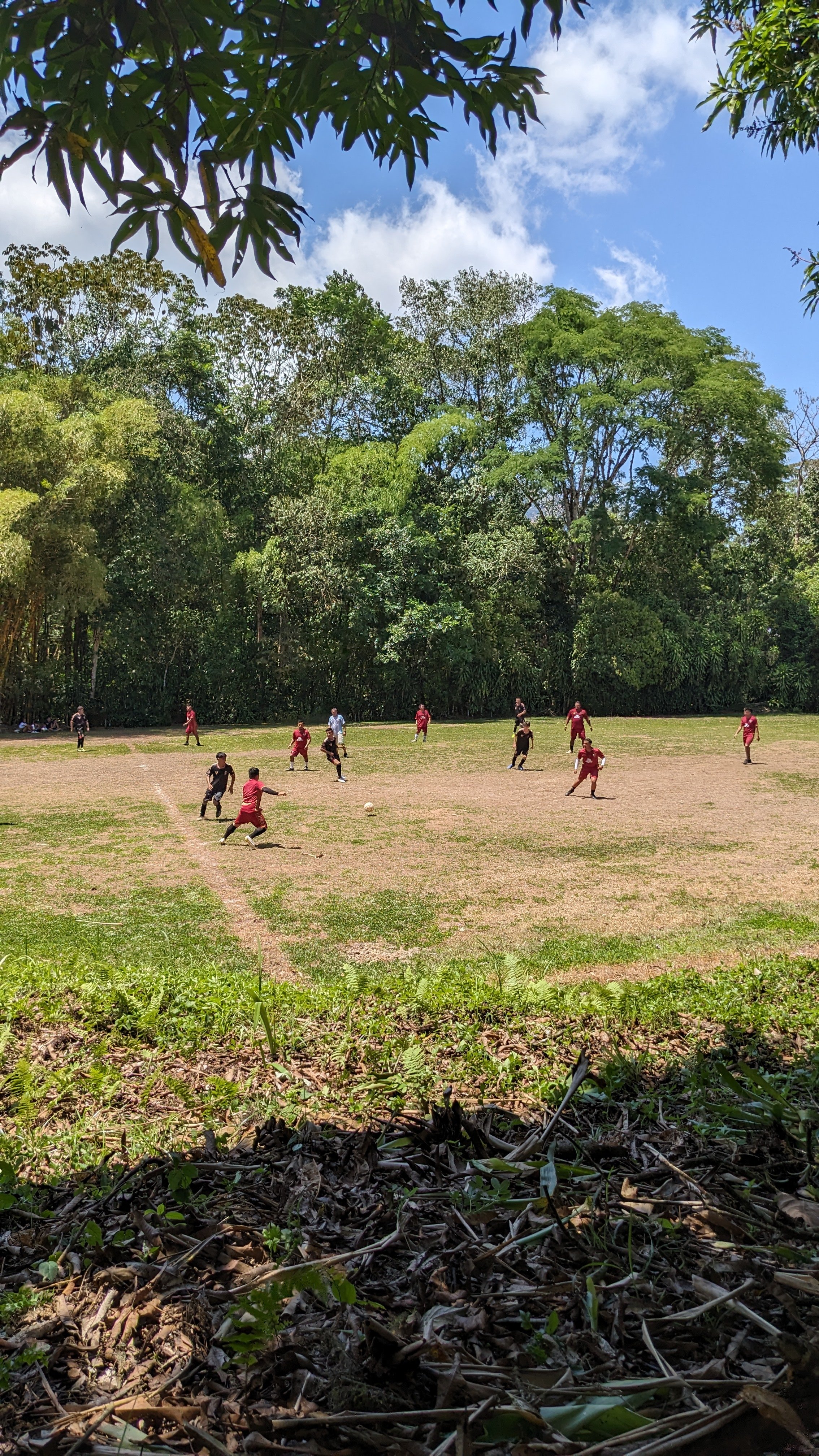
Teamwork / Comradery
There are 3 main sports we play here: Volleyball, Ultimate Frisbee, and Soccer. There is a near-fixed schedule that repeats weekly (Monday, Wednesday, Friday – Ultimate Frisbee; Tuesday, Thursday, Saturday – Volleyball; Sundays are left open for whatever people are interested in playing, with some sort of pick-up soccer happening most days). Sports are scheduled for 4 pm every day, which around here means everyone shows up around 4:20-4:30 and we play until around 5:45-6 pm. No matter which day or which sport you join, everyone is invited and whoever shows up is split into teams as evenly as possible. You may or may not already know the members of your new team. They may be locals, longtime residents, new residents, long term guests or students, passers-through, you name it; it doesn’t matter. You are now working together to take your team to victory (in a friendly competition kind of spirit, of course). We get hyped together, we cheer each other on, we score, we drop passes, we win, we lose, we do it all as a team and it is an incredibly fast way to connect and bond with new friends.
**one caveat – that note about the friendly competitive spirit is CRUCIAL to this being a bonding experience. Egos and taking the game too seriously need to be left off the field. We try HARD around here, but there is no arguing over technicalities, or anything for that matter. Remember, we’re doing this for fun!**
Moves Relationships Beyond Work-Life
Speaking specifically of what I witness here at El Rancho Mastatal, participation in team sports makes a huge impact on working relationships. The Core Team at the ranch has cooperative working relationships with many locals. At this moment, we have a large structure being built on the property and it is a collective effort of our natural building team with local builders. The sheer size and scope of the project is grounds for accumulating tension. However, multiple times per week, everyone involved in the project makes their way to the field, runs hard, plays hard, laughs together, and lets off steam in a healthy way; and it shows in team morale and how well everyone continues to work together and stay on track.

Overcoming Language Barriers
We have a wide range of English / Spanish skill levels in this community. Spanish-only, Spanish / English, English only and every level in between. In sports here, you may be on a team with someone you aren’t able to have a proper conversation with, but you’re still able to work together toward a common goal, laugh together at mistakes and mishaps, and have a great time. It’s a starting point to making real connections.
Encouraging Intergenerational Bonds
Something I really felt was lacking in the communities I was familiar with back in the states is the connection between generations. There has been a loss of the passing down of wisdom and just generally spending time with people of different age groups. Here on el campo, there may be players who are 14 (occasionally even younger) and players in their 60s in the same game. Every age, gender, skill level, etc. is welcomed and encouraged to join. Everyone gets to play to the best of their ability and have an awesome experience.
Last Thoughts
I have written this article very much from a “new eyes” perspective. I am both new to Mastatal and pretty new to team sports in general. I didn’t even plan on getting involved in team sports before I came here. However, from what I can see, team sports are a powerful force here in this community. Joining in on the games has quickly become one of the aspects of living here that I value the most and has made me feel so much more connected to everyone around me.

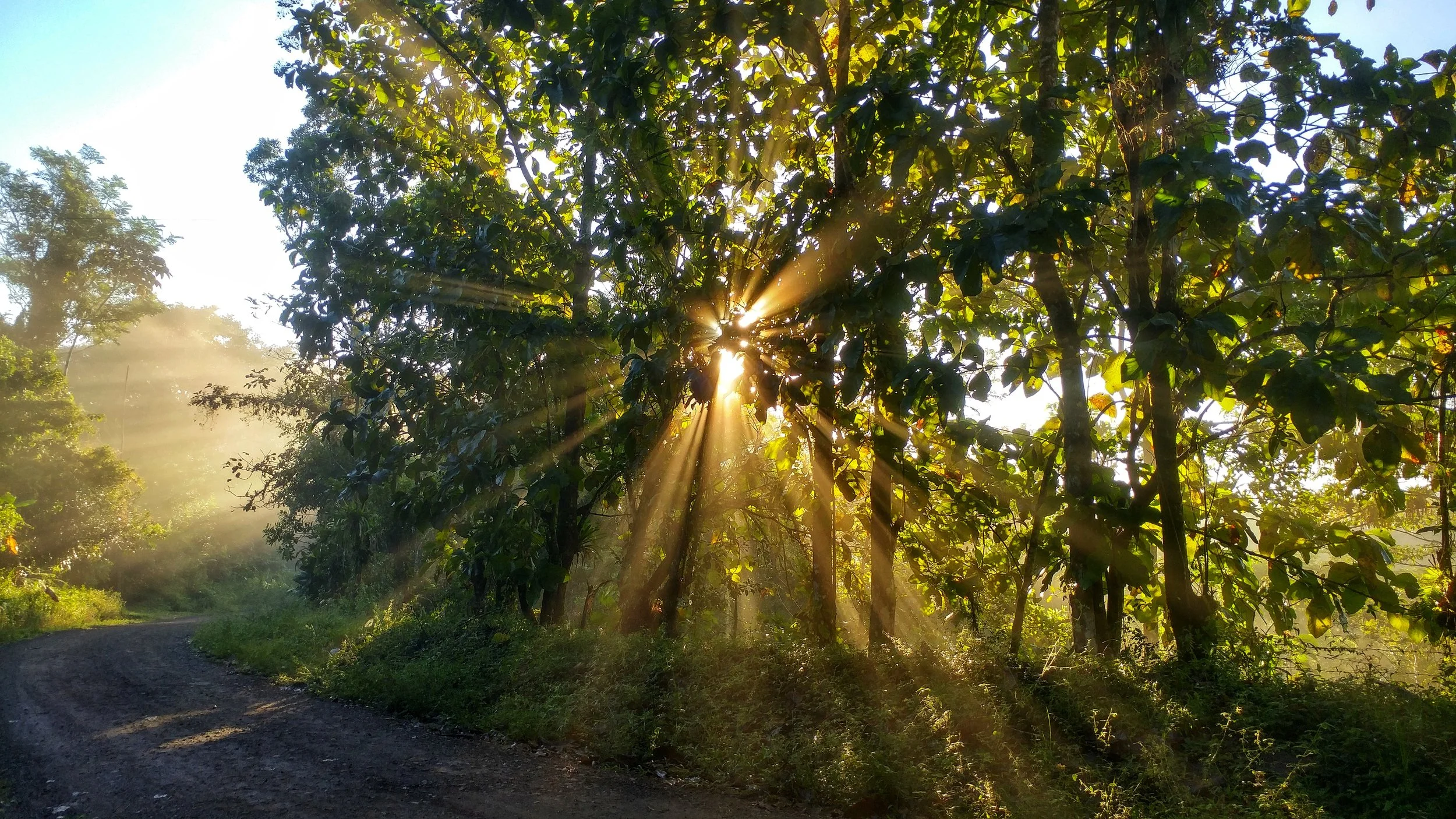
The Art of Simplicity
If we intend to design a culture where the permaculture ethic "fair share" is embodied - where the needs of all beings are met- it is necessary to learn to live simply, taking only what we need and distributing the surplus fairly- the abundance that nature so graciously lavishes upon us.
By 2024 apprentice Julia Holer
If we intend to design a culture where the permaculture ethic "fair share" is embodied - where the needs of all beings are met- it is necessary to learn to live simply, taking only what we need and distributing the surplus fairly- the abundance that nature so graciously lavishes upon us. We have to (re)learn and practice the art of simplicity -a way of life many of us seem to have forgotten.
Living simply is living lightly on this earth. The complexity of modern life is weighing us down - in the material realm as well as the mental realm. Human made materials have already outweighed the earth's natural biomass.
We tend to look at people who do subsistence farming as "backwards," but considering the world's state isn't it more "backwards" to go to the gym and work out on exercise bikes while using fossil fuels to go grocery shopping? Modern life has created a lot of complexities - physically and mentally. Too much or too little of anything creates complexity. For example drinking water. If you drink too little your body dries up - If you drink too much you are bloated. Burn Out - Working yourself to the brink of exhaustion instead of having a balance between moving, challenging and nourishing yourself - is a symptom of the complexity of modern life. So is our consumerist culture - accumulating more and more stuff, distractions and stimuli of all sorts lead to polluted minds, stagnant creativity and a lack of focus and awareness.
Countermovement like the minimalist trend, pick up on the complexities modern living has created and embrace a simpler, decluttered lifestyle, following the quote by William Morris:

“Have nothing in your house
that you do not know to be useful
or believe to be beautiful.”
Learning to live with fewer and simpler things, fewer expenses brings us greater freedom and makes us less vulnerable to social and economic crisis. We worry less about loss and spend less time protecting what we have. Simple living is less exploitative and also requires less effort to maintain.
When we live in complexity our needs (energy, material goods...) increase and we live at the expense of others. The simpler our lives the more possible it becomes to contribute in proportion to what we use.
A handmade life
If you want to invite more simplicity into your life - learn and practice a craft - any craft (knitting, carving, drawing, weaving, cooking,...) where you have to use both head and hands. Crafting things with your hands brings you into a space of inner calmness and gives you confidence in your ability to create, expanding your creative potential as well as your wellbeing and contributes to the enrichment of the design and quality of the things surrounding us - which in consequence simplifies our lives - we own less things, but the things we have, we truly appreciate. There is a few things more satisfying than using items you have made yourself.
Living in intentional community
Living in intentional community can simplify our lives greatly - sharing tasks, tools, cooking and cleaning shifts, spaces and ideas is a beautiful way to consume less and live life in a more meaningful way. In a community where creativity is fostered the focus shifts from having things to making them, as a result they become a source of great satisfaction and pleasure.
Designing simplicity
Design in its essence is the analysis of a problem and seeking the best solution - in order to create more efficiency, solutions have to be simple (and slow). Using locally available materials reduces transport distances and carbon emissions. Using the output of one element of our system for another element’s input is diminishing the need for outside inputs, thus simplifiying the system as a whole. Appropriate technology needs to be fitted to human needs as well as the needs of our ecosystems. Thoughtful and conscious choices that might not seem like the "as little as possible" option at first but save energy, time or labor (power tools, using cement for certain structures, using washing machines,...) might also contribute to more simplicity if used with intention. Permaculture Design looks at all these factors - designing systems that simplify our lives while not creating more complexity for other (eco)systems.
Inner simplicity
Inner noise and turmoil is one of the symptoms of modern societies and can manifest in the form of stress, burn-out and mental illnesses. The times we spend in silence, meditation, prayer, contemplation or other spiritual/mindful practices helps us to remove inner clutter.
There lies immeasurable worth in treating our bodies and spirits as temples and gardens- entering barefoot and in quietness, watering and caring for them, tending them to grow, being diligent in discerning what we allow to enter in or let linger in these sacred spaces.
The clearing of inner spaces helps us to interact with the outside word in more simple and gracious ways - we are growing in our ability to communicate clearly, precisely and to the point - discerning when to be silent and practice active listening.
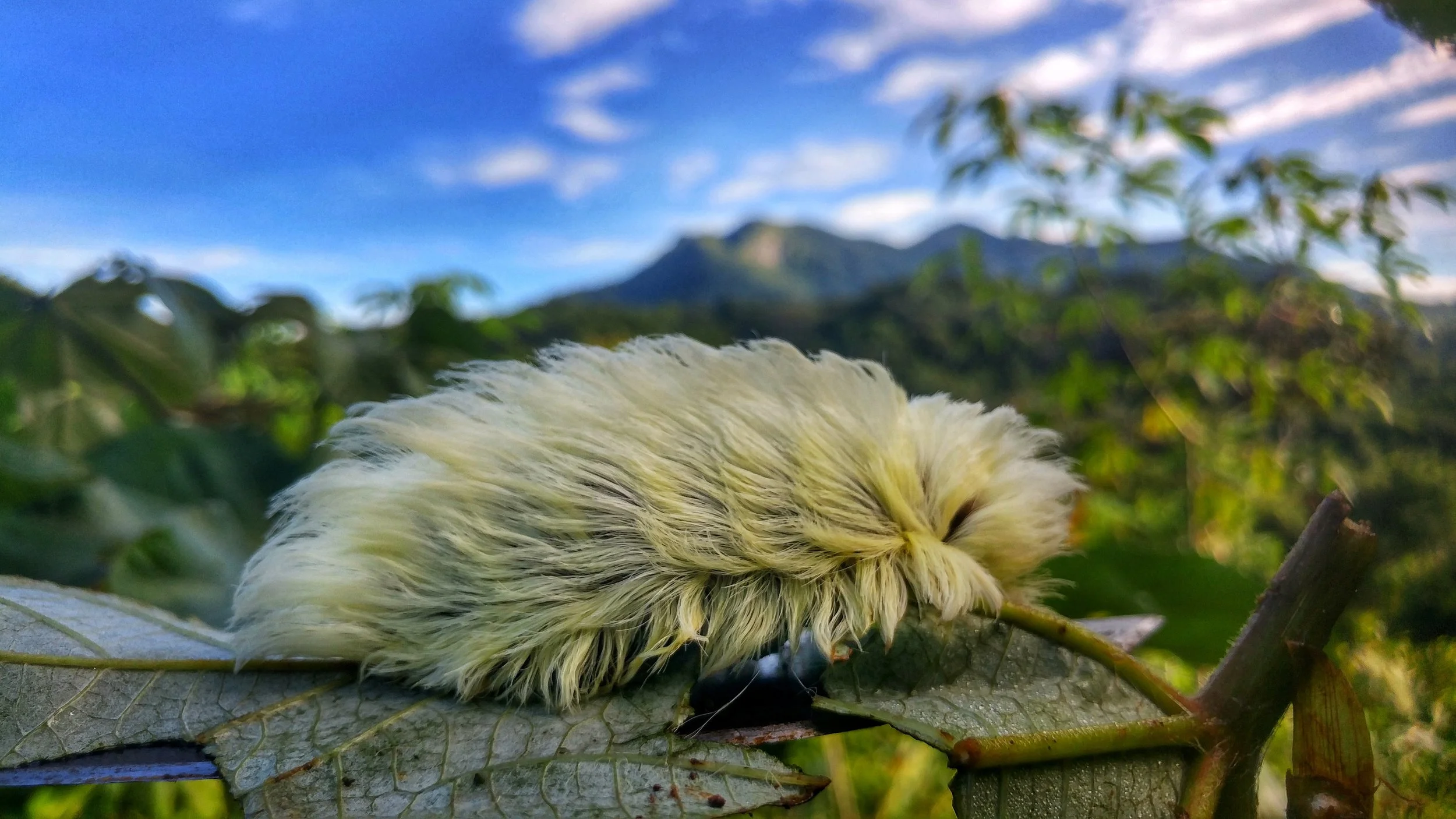
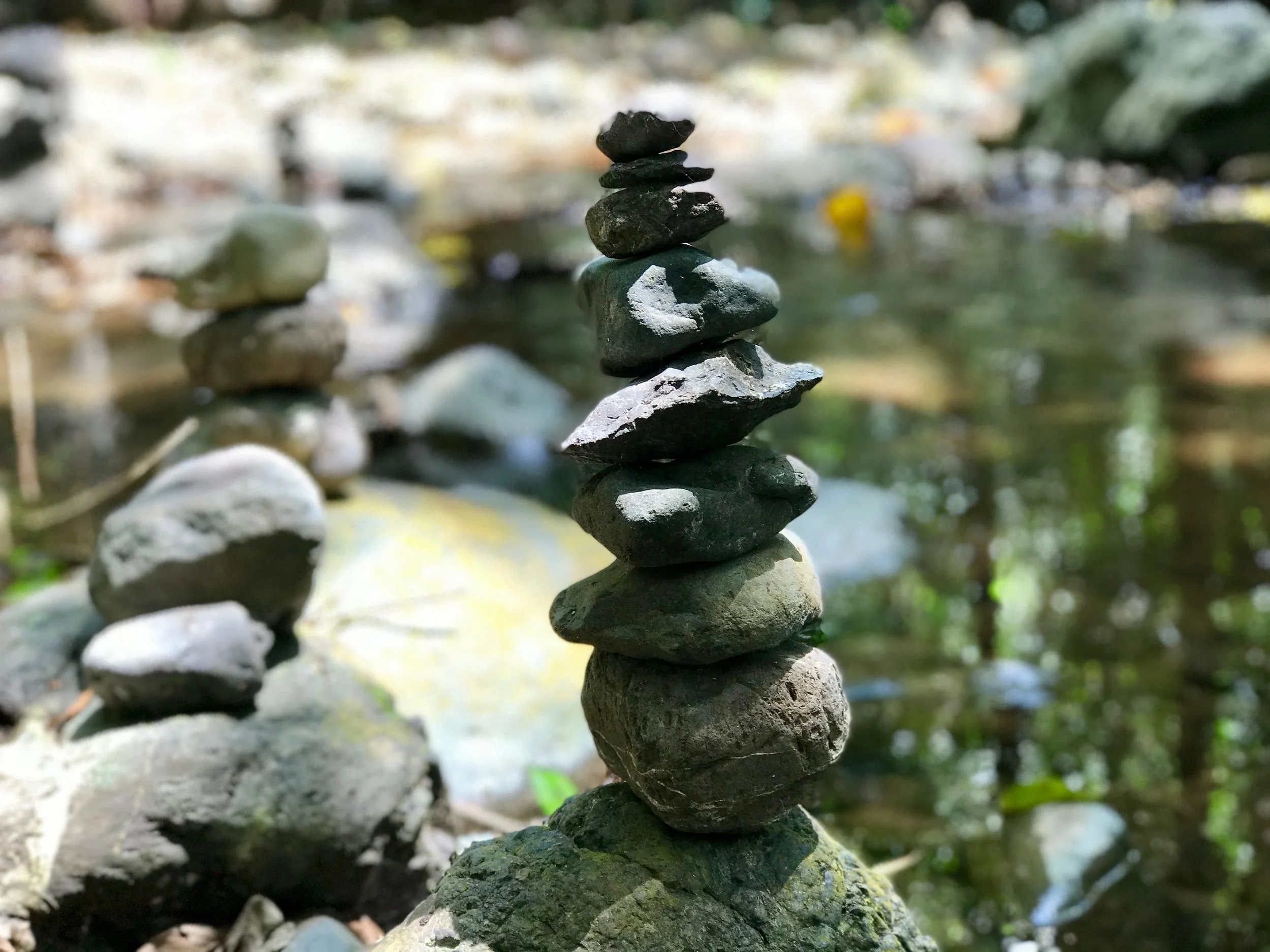
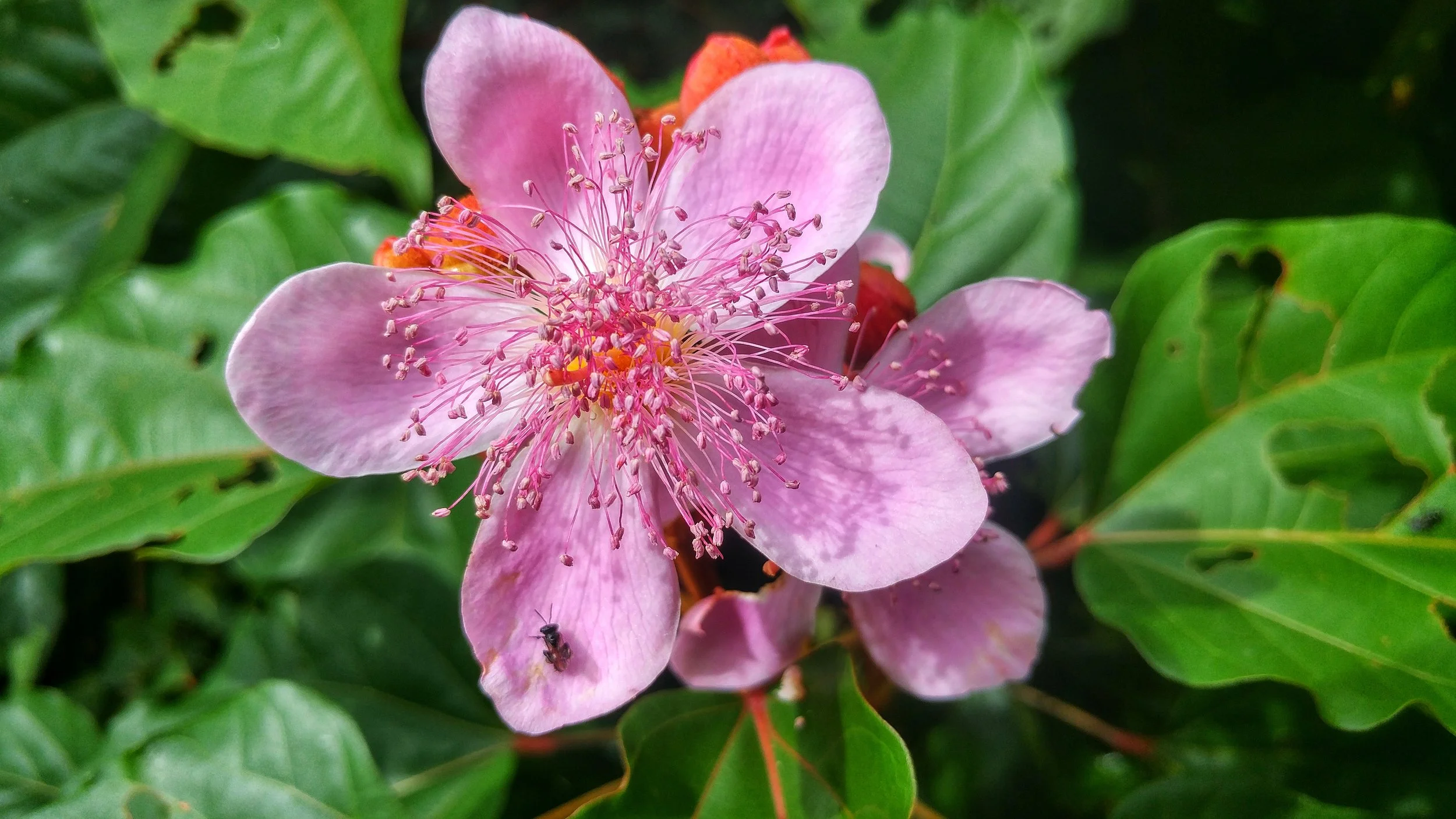

Coming here to Rancho Mastatal for the apprenticeship was the much needed fulfillment of a deep longing for more simplicity in my life. Complex life in the city required a lot of effort to stay energetically balanced and grounded. Being emmersed in nature, eating well, doing physical work, being surrounded and inspired by kindred spirits has simplified and at the same time enriched my life in so many ways.
Every day I feel more grounded, content and grateful for a simple, intentional and balanced life - which of course doesn't just happen randomly - at Rancho Mastatal you can find the well designed and continuously adjusted workspaces, living areas and agricultural spaces - as well as the beautiful weavings of invisible structures - community building through meetings, check-ins, team-sports and so much more that keeps this place working well, and simplifying while at the same time enhancing all of our lives here.
In the process of thinking about the art of simplicity the following questions came up that I want to share with you as a prompt to invite more simplicity into your own life:
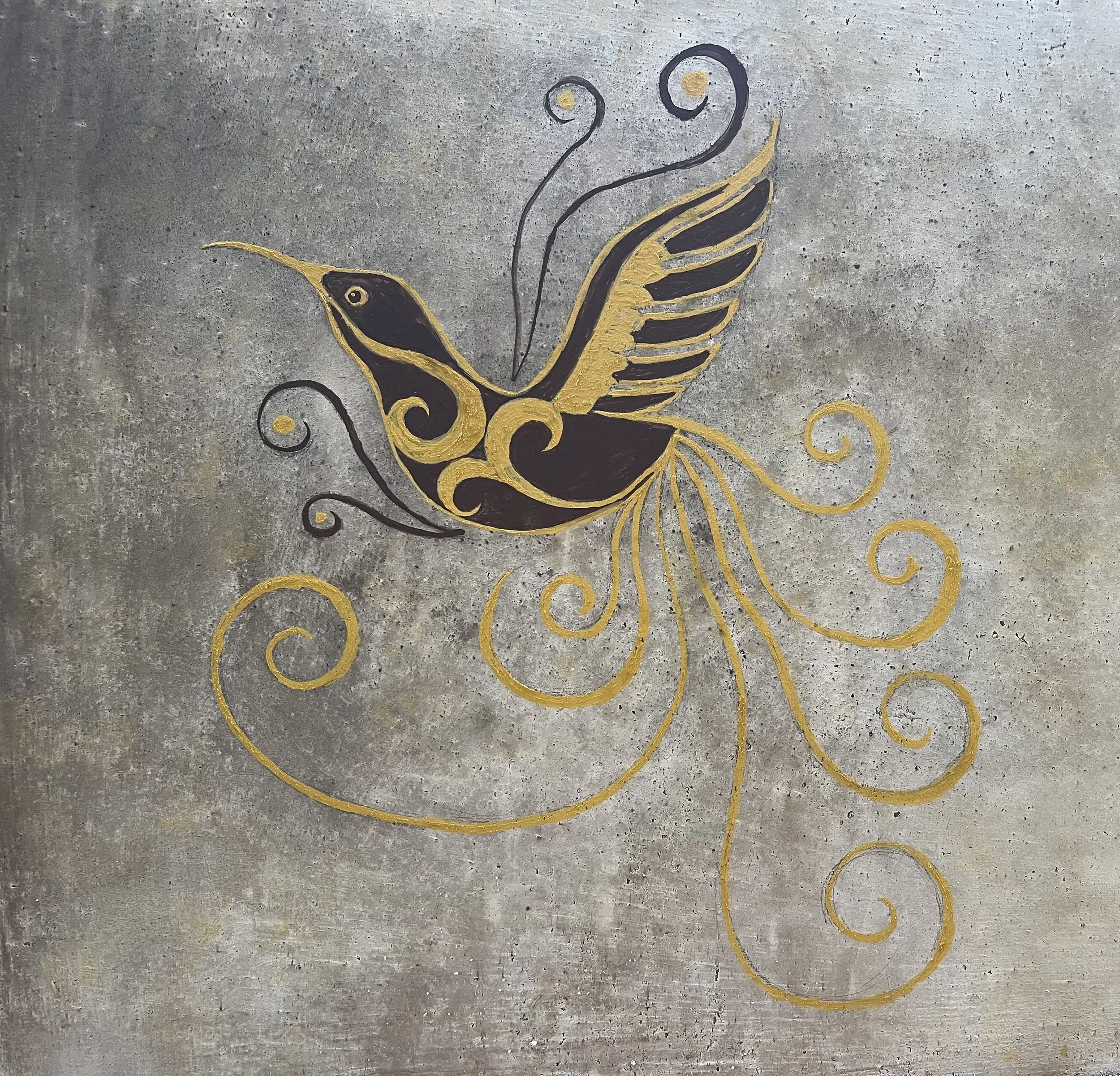
How do I use my energy?
Am I aware of my needs?
What's the simplest solution you can think of to meet your needs?
Where can I do with less?
Where do I have too much clutter in my life -inside and outside?
Are the things I own useful or do they bring me joy?
How can I invite more simplicity and efficiency into my life - without creating complexity for others?
Contemplating simplicity and taking appropriate steps, designing your life with intention is contributing to the betterment of our world as a whole - ending with the words of Elizabeth Seton:
“Live simply - so that others may simply live.”

Finding Home in Permaculture
There is a word I once heard called Solistalgia. It’s meaning is similar to nostalgia, but it is for a place you are already in. It is feeling lost and missing even when you are “home.”
By 2024 apprentice Allura
“Stand Still. The trees ahead and bushes beside you are not lost. Wherever you are is called Here, and you must treat it as a powerful stranger, must ask permission to know it and be known. The forest breathes. Listen. It answers, I have made this place around you. If you leave it you may come back again, saying Here. No two trees are the same to Raven. No two branches are the same to Wren. If what a tree or a bush does is lost on you, you are surely lost. Stand still. The forest knows where you are. You must let it find you.” - David Wagoner
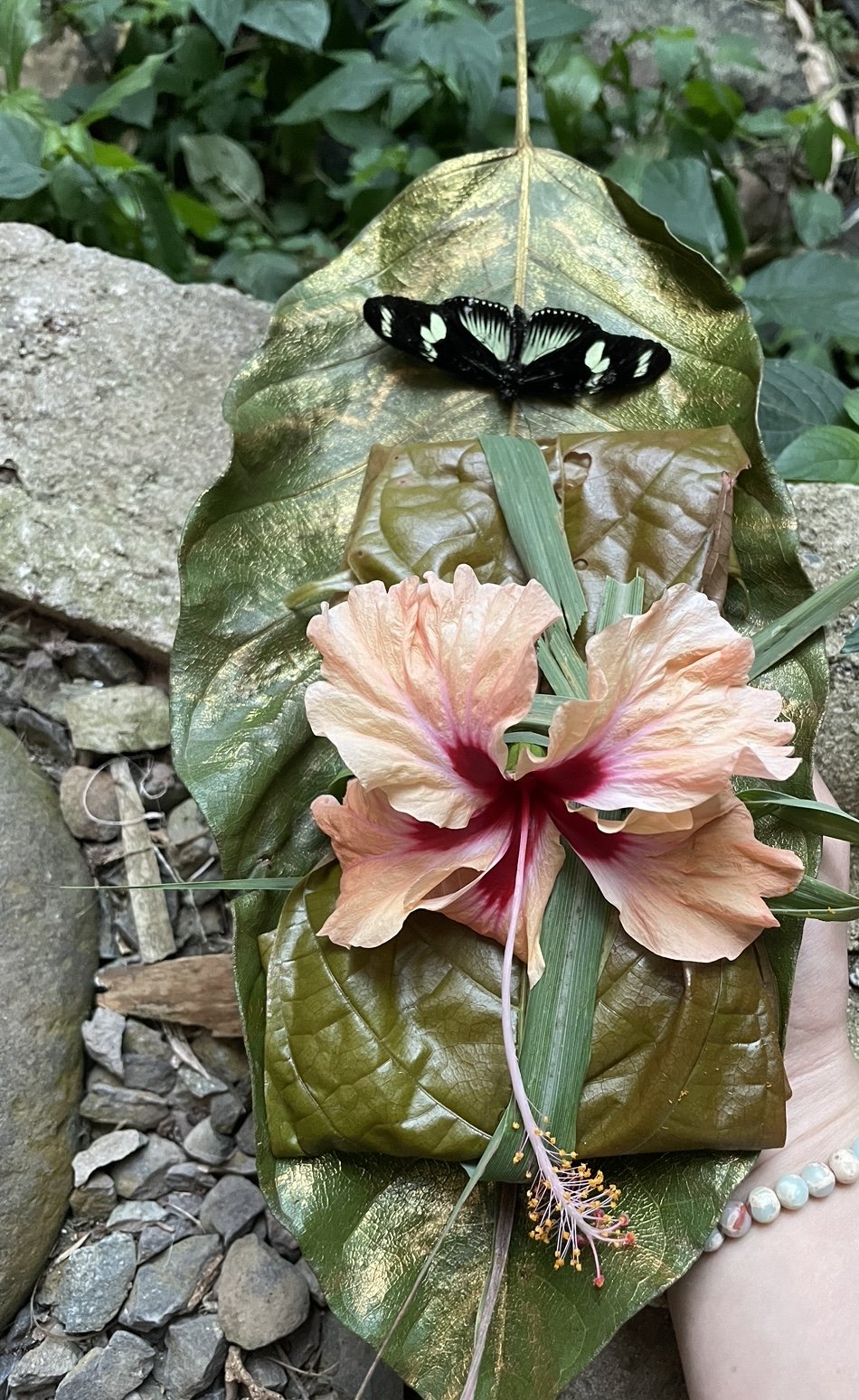
There is a word I once heard called Solistalgia. It’s meaning is similar to nostalgia, but it is for a place you are already in. It is feeling lost and missing even when you are “home.” It was brought up at a discussion I attended by an indigenous elder, so too was the quote above, recited with strength and invitation. She said it is a collective occurrence, “for the forest to be lost on us”. For us to be disconnected from the land in which we dwell, for nowhere to feel quite like home and to be searching for it everywhere. To remain in a state of longing. But then a sense of gladness washed over her form, and she spoke again with an antidote: ‘let the forest find you. let the plants identify you instead of you trying to identify them. That is how we come home’ This wisdom is an upside down concept for many of us when we’ve been taught that we are the only observers when “alone” within the trees. Yet I also think it is quite simple and innate, to remember the awareness that surrounds us. It is a practice of receptivity and reconnection, one that seems so natural within children. Simply opening ourselves up to pay attention to the wonders and mystery of life as adults may at first seem like an intangible act but I truly believe it is just a practice of nurturing and reawakening one of our many organs of perception. One of my greatest guides to relearning these perceptions has been through the study of Permaculture, a culture that merges ancient wisdom and new through a system of principles and designs, bringing humans back into harmony with the earth. And it is the first principle, to Observe and Interact, that grounds me with roots deep and unwavering into my sense of ‘Here’ wherever my feet kiss the ground.
When we are children, it is instinctual to observe the mystery and wonder of life through interacting with nature. When we are small and physically closer to the earth it's as if we can hear her better and we naturally want to play, explore and relish in the awe of it all. I believe Observing and Interacting is the first principle to practice in permaculture because it drops us into the beginner's mind reminding us that we need to return to this way of observation and truly learn how to be with the land before anything else. This seems simple but it takes time. This principle goes against the reading or looking up of information on the internet with motivations of speeding up the process. David Holmgren, co-founder of Permaculture, says in his book “Although I recognize the value of formal education and training and communications media, they are also part of the problem preventing us from a more direct connection with, and experience of, the natural world through observation and experience.” Relearning how to be present and open is a fundamental prerequisite to reigniting our connection to the earth in order to work with her again. It is as if only the soft whisper in the trees can sing us a song to enchant us with her magic- ‘do you remember how to be with me?’ she asks. When coming to the first principle of permaculture, we must take the time to get to know our unique ways of observing and interacting with the earth.

So I am learning how to join the dance of being one with the heartbeat of the earth again, a rhythm that I realize I knew quite well when I was young. Some ways I choose to interact with the land is by falling to my knees in her beauty, before the silent mountains or at dawn in the long grass that holds the morning dew. Falling in love with Earth, I consider an interaction too, with the sounds of the jungle’s midnight symphony lulling me into my dreams, or with the seedling in the nursery that sprouts strongly towards the long time sun. Sometimes I do interact with reading, about the plants or out loud to them. I merge my sense of play and devotion by encircling trees with offerings. Sometimes that is by clearing the space around them and surrounding their trunk in leaves and compost for nourishing support. Other times it is an altar of flowers and dark chocolate in honor of their beating spirit. I dare my quiet and shaky voice to talk with the plants too, asking questions and for guidance or by offering words of my own love. I am learning that I am interacting when I am in the forest and being, just being or singing, laughing or crying, dancing or resting, and loving. These are the ways I know to Interact. And I observe with my breath in reverent stillness of my mind. Sitting with a plant and breathing in, gratitude for their life and the air they feed me, I breathe out- this exhalation is for them. I believe these ways of observing and interacting with the land relays a message to the earth that I am ‘Here’, that I am listening and I am paying attention. I think it is not about what we do when we “Observe and Interact” but the intention behind it that forms a language of patience, appreciation and awe with the earth. The ways in which we each do this are unique to each person but in essence I think it is all within the same song. I hope this song can be heard, but in truth, I don’t know if I can prove to you that it is. I decide to carry on and do it anyway because after all, this is a process of being found rather than of finding.

“By observation we usually mean using our eyes, but this reflects how visually dominated modern people are, raised in a literate and now graphical world. All of our senses have great potential to provide valuable information.” David Holmgren
I believe it is possible to reconnect to the wonder and mystery of life by opening our senses to observe and interact, as the first principle of permaculture suggests. And when we can learn/remember how to connect with the wondrous earth that holds us, maybe within our sense of longing we can feel her longing for us too. Longing for us to remember that she is home and our ‘Here’ no matter where we wander off to in this wild world. How can we feel her closeness? There have been studies that show us the mycelium mat under the soil, which acts as the sentient mind of the forest connecting all trees, is able to sense when someone walks inside. It is becoming common academic knowledge that individual trees have the ability to hear, feel, see, recognize rhythm, store memory and the ability to communicate what they know amongst other trees. We already know the earth is identifying us. The unraveling knowledge becoming apparent is pure magic and can provide some reassurance to this process. But must we read it to believe it? Or can we simply join the dance and awaken our perception to believe and know it deep in our bones. ‘Stand still, the forest knows where you are.’ It has certainly found me.
“Thus the thinking and design revolution, of which permaculture is a part, only makes sense when it reconnects us to the wonder and mystery of life” David Holmgren


Social Permaculture: The Secret to a Successful Community
The people part of our work is arguably the trickiest. Even though it takes experience, know-how and intelligence to design and install orchards, build buildings, and manage water, I’d say that they all pale in comparison to the work that’s required to create a holistic and healthy human environment in which to live.
By Core Team Member Tim O’Hara
The people part of our work is arguably the trickiest. Even though it takes experience, know-how and intelligence to design and install orchards, design and build infrastructure, and manage water, I’d say that they all pale in comparison to the work that’s required to create a holistic and healthy human environment in which to live.

The aspects of our work that fall into this category can be referred to as “Social Permaculture.” How do we organize ourselves? Make decisions? Compensate ourselves? Resolve conflict? Balance work and play? Handle mental health concerns when they arise? Take care of people adequately when they’re sick? Raise a child in the same space where we work? Interact with the local population in a way that’s authentic, caring and positive?

The structures that we’ve attempted to put into place that address these questions and their subsequent success are critical to the prosperity of this place and the people that work, live and visit here.
We’ve spent a significant amount of energy in recent years developing systems that allow us to better respond to the issues that inevitably arise within our human ecosystem. It’s a work in progress, and it requires a lot of patience and perseverance when building a community from the bottom up.
The crux of this complex piece of our lives sits firmly in the art of creating clear agreements and transparent expectations. In the incipient years of our community and project, in what was perhaps a demonstration of “anti-capitalism”, we foolishly eschewed good documentation, written accords, and good financial planning. This led to what could have, and perhaps should have, been the demise of our idealistic notions of a sustainable and well-meaning business.
Through first-hand experience, insistence from team members, and at times shear desperation, we began to slowly put the pieces into place to shore up the systems that helped to create a fair, fun, equitable and economically successful workplace. The exercise was at times painful, tedious and uninspiring. And it took years, and continues to challenge our community through to today. It is always a work in progress, and is constantly informed by who is living and working at the Ranch.
We are open to sharing both our triumphs and failures with those interested in learning from us. We have 23 years of them under our belt now, and we aspire to match that number again in the future. If we succeed, it will be a result of taking care of the people that take care of this place. There could be nothing more important than fairly treating the people that are impacted by your project, and that’s not something we’ve always done well, nor is it simply achieved just by saying that it’s important. It takes practice, education, trial and error and compassion, and along the way egos can be bruised and friendships disfigured. But it’s worth the hard work, and is a critical piece of any project or community to keep at its core, if it expects to get through and beyond the honeymoon phase.


Healing in Community
I’ve come to understand that although we all start from different places in life with a diversity of opportunities, we tend to have common pitfalls which lead us towards ill health and/or expression of pain.
By 2023 apprentice Grant Munro
“The art of healing comes from nature, not the physician. Therefore the physician should start from nature, with an open mind.”
Paracelsus
The health and wellness industry has taken on massive growth over the last ten years – probably in part due to the introduction and wide spread use of social media and unrestricted access to the internet. No longer do people have to rely on the chance discovery and passing around of old copies of The Alchemist, The Celestine Prophecy or The Prophet to name but a few. Nowadays it´s easy to scroll the page on our personal screens and come across cherry picked quotes, soundbites and memes and it’s clear to see from their popularity that people are yearning to be heard, felt and understood.
What leads us to pain
I’ve dedicated the last 14 years of life to learning to try to understand and coach others on how we can grow towards the expression of greater physical, emotional, mental and spiritual health. From working with thousands of people I’ve come to understand that although we all start from different places in life with a diversity of opportunities, we tend to have common pitfalls which lead us towards ill health and/or expression of pain.
On the whole, we tend not to move enough as humans were initially intended to, we have a habit of disconnecting from and avoiding our feeling bodies, we engage in repeated unhelpful thinking habits (such as catastrophizing, making assumptions and taking things personally), and we have had our connection to something greater than ourselves eroded over time – be that nature, a higher spiritual power or community.
A chink in the fullest expression in any of these four areas has an effect on the others to greater or lesser degrees. The acknowledgement of all aspects are essential to growth and restoring the adaptability to all life throws at us.
Using Permaculture Principles to Heal Social Issues
Permaculture’s design and problem-solving framework - at it’s core holding there are a set of twelve principles and four ethics – that can be utilized to address issues of almost any nature. It´s easy to see how principles such as observe and interact, apply self-regulation and accept feedback, integrate rather than segregate, and use value and diversity can be used to come up with solutions to some of the social issues we have in our relating circles and wider society.
When we look to the four ethics we could argue that the success in implementing earth care and fair share don’t really stand a chance until we reclaim our connection to all aspects of self, the people around us and understand what it is to be human . Until we reach this, we can’t accomplish the change that is being called for to create a healthy society and a healthy earth as a group of individuals.

Community Living and the importance of communication
As far back as the ancient Greeks (and undoubtedly further) we have understood that a strong connection to our community is essential for human health. Like many others of my generation, I don’t feel I have ever really experienced what it means to live as part of a community - so arriving in the jungle five months ago for the year long apprenticeship was an opportunity to truly lean in to the practices I felt I had been cultivating over the last seven years for my own healing/growth journey.
It’s been an, at times, a wild ride of ups and downs internally, and the number one practical thing I feel I’ve taken from it is: it’s important to have that difficult conversation in a timely manner. Feelings through miscommunications and misunderstandings can fester and be felt as an undertone by many in the group and can lead to what feels like fragmented energy. The stress of it can slowly eat us up and create a filter which can colour our whole experience. When something arises, ask clarifying questions, lead with what you are feeling but without blaming the other person. Perhaps describe what you are feeling in your body without naming an emotion can be helpful, too. Listen to the other person and accept responsibility for your part (there’s generally always a part we’ve played!). Sometimes it’s helpful to come back to a conversation a day or two later. Have compassion – we all have our own filters, biases and past experiences we are often living on autopilot from.
It has been well established now in the scientific literature that the brain doesn’t greatly differ in its response to an actual threat and a perceived threat – such as a repeating thought or judgement. Just thinking about a stressful event causes a discharge in stress hormones which our systems are not evolutionarily adapted to deal with for extended periods of time. Just as our physical body can bleed out from a thousand tiny cuts, we can look at these things that we are not facing as tiny cuts in our energy systems. Chronic overactivation of our stress response is implicated in almost all chronic disease.
It still blows my mind to this day how the impact of committing to practices of self-regulation can have a ripple effect throughout a community. When working in London we were measuring how after a relatively short period of time chiropractic was objectively helping people regulate their nervous systems more effectively than at the beginning of care. Subjectively, these clients would routinely mention how their relationships to their kids, spouses, friends, work and recreational acquaintances would improve.
Similarly, I’ve noticed at the Ranch that from one conversation between two people the whole group feels like it relaxes – not to mention the perception of my whole personal experience can flip 180 degrees in a matter of minutes. In reality, the conversations are very rarely as terrible as we build them up to be once we initiate them. That conversation may only be with one person, but the pent up energy can be liberated in you both, to ripple through time and space, in ways in which we may not be able to yet fully comprehend.
“We never know how far reaching something we think say or do today will affect the lives of millions tomorrow.”
B.J Palmer

Check Out these past blogs about community living
Enriching Community Soil: 5 Simple Strategies That Support Sustainable Relationships
Foundations for Success: 10 Considerations to Create a Healthy Project
Learn More
Learn more about community living and social permaculture in our annual Permaculture Design Course.
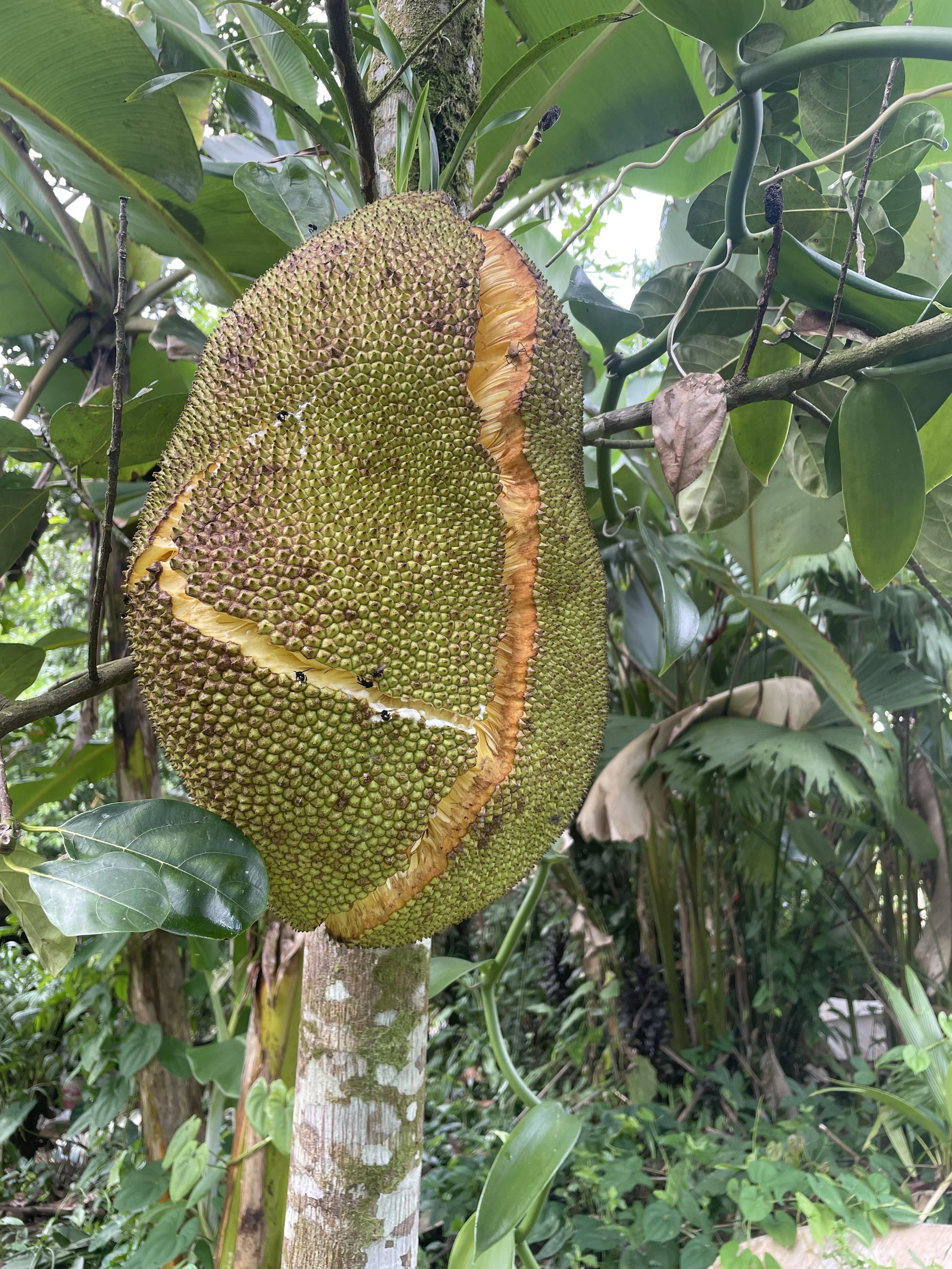
The Fear of Splitting Open, and no, I’m not talking About Jackfruit
The most transformational aspect of this experience, hands down, is the intensity of self-reflection and personal growth that is a natural biproduct of our new social living conditions.
By 2023 apprentice Elya Justina Mech
Living in community as an apprentice at Rancho Mastatal has stirred many changes within me, perhaps more so than the hotter climate, the ever present bugs and stinging things, the new work which challenges my body and mind. The most transformational aspect of this experience, hands down, is the intensity of self-reflection and personal growth that is a natural biproduct of our new social living conditions.

Who am I?
I thought I knew who I was before coming here, having been through many seasons of inner work and change, of death and rebirth. And of course one does not ‘arrive’, finding themselves in a place where the work is complete and the Self ceases to evolve. But there is a unique, accelerating factor of community that hastens this process and perhaps probes a little deeper than ‘regular life’.
Who am I in community?
In the earlier days of my arrival, I was surprised at how my personality took to hiding behind short, congenial answers, shy mouthfuls of food, and letting someone else do the talking. I was afraid to be vulnerable with my new group of apprentices and the core team, let alone the groups of guests who were arriving and departing every week or two and visitors who may join us for just a few days. I had considered myself to be outgoing, silly, confident and eager to speak of matters of the heart. Where did I go?
I recently read a passage of a book that said our personalities develop out of our survival of childhood – we are who we are to continue to receive love and affection. So perhaps unconsciously aware, I was craving such acceptance by my new group of friends/fellow students/housemates/teachers/mentors, and yet was afraid.
What parts of myself am I willing to share? What parts of myself am I willing to be rejected? Or misunderstood? Which of my shadows are being exposed against my attempts to conceal them, the bad habits I know I need to work on, the ones I’d rather not have to face right now? And who am I becoming, in this environment of everything new, who is this new me?

One aspect that has been particularly contrasted for me was the sharing of my artwork and poetry. Before coming to the Ranch, it was my usual habit to share these expressions of myself online or within an already established artist community. I have sold paintings at street markets, posted poetry online, and shared photos of projects I’ve been working on. Sharing bits of yourself to ‘’the whole world’’ although somewhat anonymously, hidden behind a profile is quite different to sitting in the presence of another while you open a part of your soul, vulnerable to their opinion whether spoken or simply felt. I had been meaning to attend an open mic night back home to read some of my writing aloud but I never worked up the courage and continued to find excuses not to get on stage.
But here at the Ranch, I felt a new opportunity stir within me, to be brave enough to share some of my poems that were closest to my heart. Firstly, at our evening Hankey hangouts by fairy lights (‘’The Hankey’’ is one of the natural buildings here which houses up to five of the apprentices at a time), and later at our dinnertime circles at the main house.

Thank you for letting me be brave in this community
I was further inspired by a solo traveller who was kind enough to gift me with a pocket sized watercolour set after our conversations regarding art and writing. I had packed my brushes and a pad of paper but neglected to bring along a vital set of paints. I have enjoyed many afternoons either in my ‘’Annex’’ bedroom (an extension of the Hankey that seems to float among the trees), down at the river or perched in the old honey bee shed among the jackfruit trees and bamboo. Thank you sweet friend.
I’m also grateful for the kind guest and new friend who spent time harvesting fruit with me several afternoons, speaking of our philosophies of life and talking about poetry, favourite books and humble living. I was encouraged to continue working on my books and art and it reaffirmed my desire to live as close to the creative process and Source of creation as possible, that being my true joy.

Thank you for letting me be me in this community
Another new interpersonal experience for me has been learning how to have a bad day around others. No longer being able to retreat fully from the world when I’m feeling out of sorts, I am discovering how to be myself and not put on a mask which is easy to do in conventional living. When someone here asks you how you’re doing, you don’t get away with a simple ‘’fine’’ or ‘’good’’ ;)
Conversely, I have also been learning how to let others have a bad day as well, offering concern and a listening ear but giving space, the understanding when perhaps they are short-tempered with you and being available later for smoothing things over if egos were bruised.

Thank you for letting me be imperfect in this community
At this point, after nearly five months of jungle community living, I’m forgetting what ‘normal’ is, what endless concrete feels like to look at, why billboards exist. The thought of eating dinner alone seems preposterous and I have grown quite used to living with no walls and only a curtain to provide me most of my privacy. (A hummingbird just flew into my bedroom as I write this, so, you can understand the trade-off). I’m still learning how to show up as my best self, allowing the lessons coming my way to be integrated gracefully.
So what profound conclusion can I leave you with? Just one that is not my own and has been said time and time again. Despite the truth in this song I’ve been listening to lately
‘’perhaps the fear of splitting open, showing some parts of yourself that you don’t even really want to –‘’
Be yourself. Bravely, your imperfect self and see what new things unfold.

Rancho Mastatal - A Paradigm Shifter
To be able to initiate changes that may someday become radically transformative it needs places starting with small, reformist changes. Rancho Mastatal has proven itself over more than 20 years to be one of those places.
By 2023 Apprentice, Sebastian Wittwer
The current paradigm
PROGRESS, DEVELOPMENT, FREE TRADE. The western world runs on an inexplorable logic, replacing people with machines, creating local interdependences with global markets and excluding ancient knowledge preserved by native tribes. With an ultimate sense of righteousness, this industrial model is being spread around the globe, reducing the worlds diversity to a monoculture in a literal sense. This monoculture is only possible since freedom based on individualism is pushed as one of the “culture’s” main achievements. This freedom means also freedom from traditional community values which can lead to a loss of all sense of importance. Consumerism doesn’t express freedom, but slavery to purely material values. Everyone living in the same kind of buildings, wearing the same kind of clothes, working for the same reasons is not individuality but rather the homogenization of all people. True individuality depends on community. We have been taught to live in a culture of alienation, separation, and blocked initiatives rather than in practices of commitment. Freedom from responsibility for others is equally a loss of assurance that others are ready to be supportive of. To be able to obtain a rich diversity in culture around the globe and on the search for a renewed sense of community, it seems necessary to develop concepts of self that are very different from that with which we have been indoctrinated. Therefore we have to rethink the way we want to live in the modern world.
The significance of rooted teachers

Emme (Apprentice 2023) leading the daily meeting – the communal way of communication
Rancho Mastatal is living and teaching prime examples of what it actually means to loosen up these seemingly “set in stone” structures by returning to a communal oriented life.
Against sacrificing local production, local economic stability and communal security to transient efficiencies and the quick profits of distant businessmen/women through electronic communication and teaching, Rancho Mastatal provides educators willing to live where they work and to work where they live. A class of educators that cultivate a sense of place and that is therefore able to distinguish between local and universal, particular and general, concrete and abstract. Not only does this push their educational standard over most western universities’, it also helps building a strong local community by including native tribes and their knowledge, by creating local wealth and social security, and by emphasizing real and honest relationships towards everyone around.

Core team member Ali, hands on teaching clay plastering – one of the many skills she owns and can give instant feedback on
The importance of building onto the local economy
Through an orientation of their agriculture towards local needs, local possibilities, and local limits, Rancho Mastatal also supports the health of the land, the people, and their democratic liberties.
By switching their priority from the global to the local economy, they reduce the outflow of capital to distant corporations and capital then circulates within the local economy. Instead of trying to live as self-sufficient as possible, a sense of relying on their community has proven itself as the way to be. Instead of isolation, incorporation of the local community has proven itself as more community friendly, more efficient and a more sustainable way to be. This expresses itself especially through the food they eat (mostly locally grown rice, beans, eggs, veggies like yuca and malanga), which goes against the culture of food from where the majority of the core team comes from.

Typical brunch meal: Gallo Pinto, fried eggs, malanga patties, leftover frittata, fruit, salad, kimchi, salad dressing – mostly locally sourced, in parts even self-grown
By building this local food economy (which is at this point as much local as possible, though not free of regional, national and international products), one might even call it a local foodshed as they add a lot of value to the community. First it overall improves the quality of the food itself. Second they increase consumer influence over production which makes each and every consumer a participatory member in their own food economy and helps to ensure a sustainable dependable supply of food at the same time. Farming practices are immensely improved and last but not least the costs associated with long supply chains (locking at packaging, transportation and advertising) are reduced, reducing the cost of food in general while increasing income to local growers, creating a positive feedback loop within their community.
A constant moral compass
Through their degree of popularity, Rancho Mastatal could totally start emphasizing monetary profits and capitalize of the place a lot more, which would most probably induce a decrease in their ability to stick to the permaculture ethics (people care, earth care, fair share, transition). Against this common western path, this place and its people stay true to their moral compass even though they wouldn’t have to. Instead of going ever bigger and bigger while trying to maximize profits, they are using their resources to give back to their community in any and every way possible.
Courses held in Spanish that only cover the costs during its time or simply sending people over to the local soda to get extra/different food are minor examples of what is described above as measures of their established paradigm against the monocultural life of the west.
To be able to initiate changes that may someday become radically transformative it needs places starting with small, reformist changes. Rancho Mastatal has proven itself over more than 20 years to be one of those places.

Locally produced chocolate by La Iguana Chocolate sold by Juan Luis - Good business during the dry season with all the guests, course attendees and friends visiting the Ranch and therefore one way of bringing more capital into the community as a whole

Why Rootedness Matters
Rootedness can create compassion and understanding for the place where we are, know, and love. I have seen the benefits firsthand from some of amazing people that were born in Mastatal and continue to call this place home. They anchor the business and environmental communities here.
By Core Team Member Tim O’Hara
Costa Rica is a popular destination for North American and European families looking to resettle in a place where life appears more promising. These desires may come from the need to escape a bad situation or a wish to find a better life. It’s a phenomenon that dates back thousands of years. We are a species that suffers from what I refer to as the “grass is greener syndrome”. We commonly dream of finding our Shangri-La somewhere different from where we were raised.
I grew up developing relatively deep roots in my hometown in upstate New York. But as a result of societal pressures, I moved away for college and never went back to my hometown to live full-time. These non-provincial experiences have been fruitful, transformational, and important to me to develop a more well-rounded view of the world. They also helped to nurture a tolerance and understanding for how others live. Nevertheless, they pushed against the societal benefits of growing deeper roots in the towns where we are born. With so many people uprooted, due to climate catastrophe, war, persecution, the desire to see the world or economic pressures, I fear that like a plant ripped up from the ground, this type of restless movement can result in community erosion, family disintegration, and a loss of geographical literacy. There are always tradeoffs, but I think that we should, when appropriate and possible, put more effort into encouraging humans to stay closer to home to do the good work that’s needed in every community around the world. Wealth continues to congregate in the “best” cities, leaving small towns and rural areas bereft of intellectual and physical stamina. I say this having left my home 30 years ago, so admittedly my perspective might come across as “curious.”
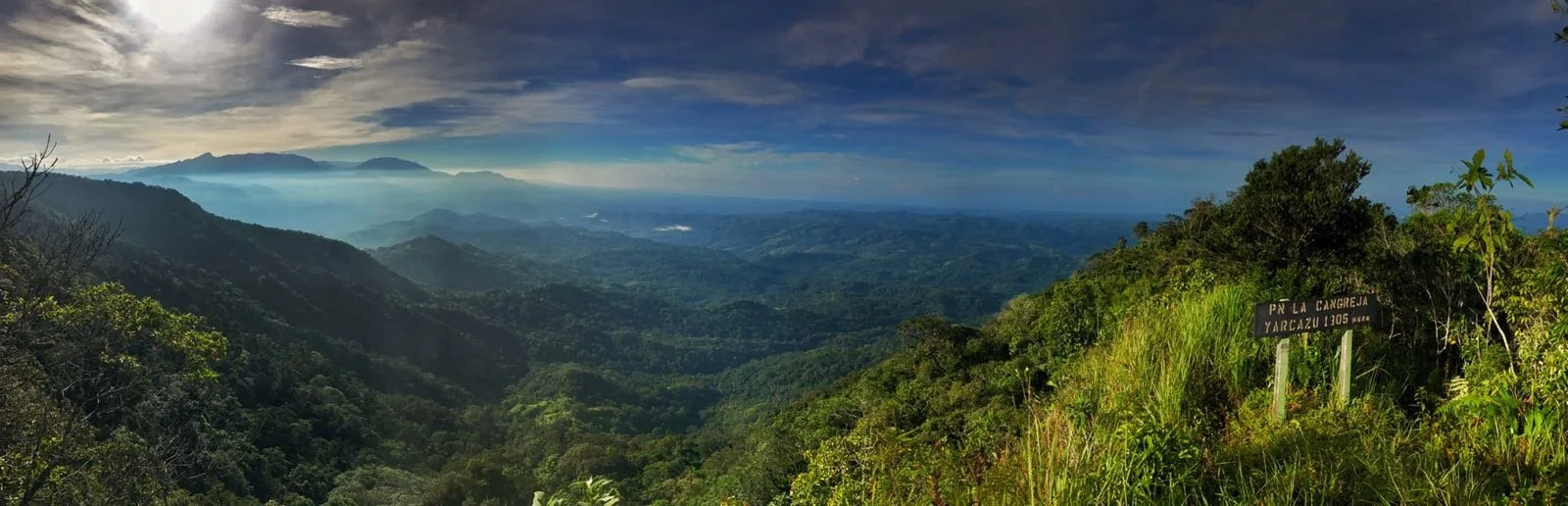
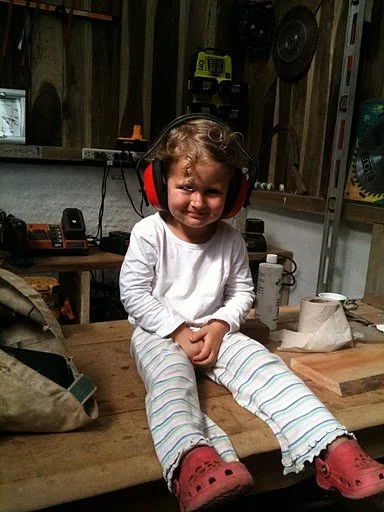
Robin and I started this business in 2000. We moved to rural Costa Rica in 2001 and in 2008 started a family with the arrival of our daughter Sole. Mastatal has been a challenging and amazing place to run an enterprise and raise a little girl. Sole has had what many people would consider a non-traditional upbringing. She grew up without diapers, went to an elementary school with 1 teacher and 10 students, and goes to a high school with 25. She plays unorganized soccer just about everyday and hikes to a nearby waterfall multiple days a week where she jumps off cliffs and catches freshwater shrimp and crabs. She watches out for snakes on her nightly trips home to an earthen house overlooking La Cangreja and has had to survive her early teenage years with horrible internet. She cooks for our entire community and is by far the best baker in town. We are so thankful for the environment that she has spent her first 15 years in, though it has been far from perfect.
Upon our arrival to Mastatal, we were definitive outsiders who had moved from afar into a small, quiet, depopulating village without much happening. There were no phones, terrible road access, and no formal businesses. Our first years here required a lot of energy to begin developing relationships and friendships with the people of our adopted village. It was some of the hardest but most rewarding work that we did and continue to do. To feel at home anywhere requires a certain level of acceptance and connection, and this only comes with intention, compassion, understanding, sharing, and an acceptance of vulnerability. And it usually takes time. It was not an easy or fast path for us, but one that gradually crept into our lives quietly. It led to the rootedness that community strength is built on, and a vested interest in the future of what has become our home.
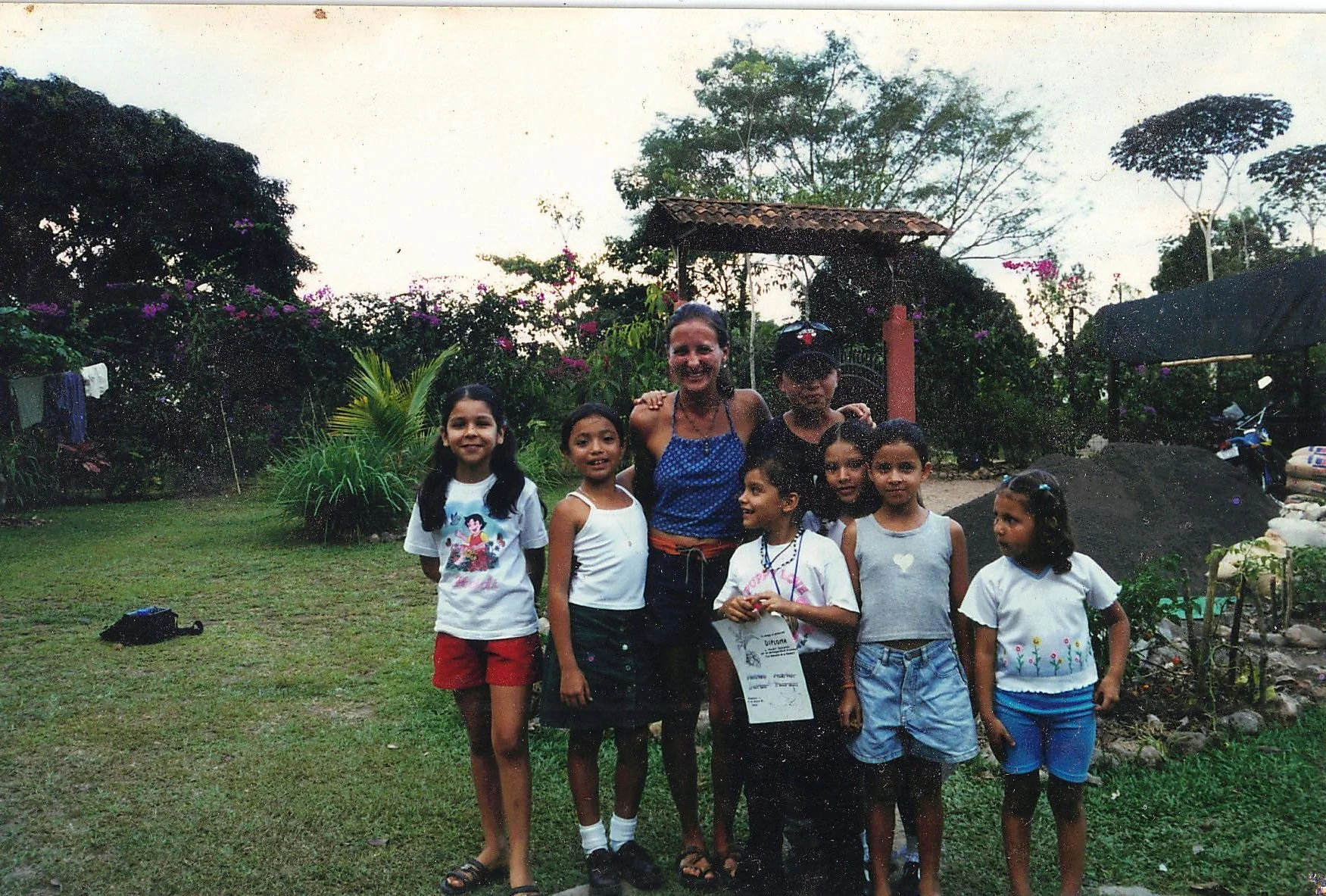
This lifestyle choice has come with its sacrifices. For me the largest of these has been 2 precious decades geographically distant from the people that I hold nearest and dearest to my heart. It has not been a minor loss. We have missed important family gatherings, weddings, births, deaths and precious time with kin. Our lives are full of compromises, and this choice, although it has brought great joy and happiness, has a sad component that is part of being a human living on this earth at this time. We have to pick our battles, and being able to go through a well-thought out decision making process when contemplating a move like we did is important. I would suggest not running for the hills with each passing doom and gloom story that you hear about on the news. Our problems at home are oftentimes universal, and the battles should sometimes be fought at home, where we can garner the most support, and perhaps have the greatest positive impact. This might seem strange advice from a transplant who has carved out a nice life abroad, but I think that rootedness is an important consideration for many people striving to attain meaning and happiness in their lives.

Rootedness can create compassion and understanding for the place where we are, know, and love. I have seen the benefits firsthand from some of amazing people that were born in Mastatal and continue to call this place home. They anchor the business and environmental communities here. They are smart, savvy, entrepreneurial, caring and vested. They are raising their families here, inheriting their family farms, planting food, and against all odds bringing about the revitalization of a small rural community. They are selling organic chocolate, offering amazing natural history and birding tours, preserving forests, planting trees, and running our local government. And after 22 years I do finally feel rooted here, but it took time, energy and resources that I could’ve also dedicated to the town that gave me so much as a youth, and I think that’s worth looking into a bit deeper for everyone contemplating where to call home.

Post-Rancho Thoughts
If there's something to take away, it is that we need to tap into, develop, and release the inherent potential of every human being to live in ways that make meaningful contributions to the world and society.
By 2023 apprentice, Michelle Häuptli
"Throughout history, the really fundamental changes in society have come not from dictates of governments and the results of battles but through vast numbers of people changing their minds - sometimes by only a little bit... by deliberately changing the internal images of reality, people can change the world." - Willis Harmon
After 12 weeks at the Rancho, evaluation and re-evaluation have become an ever present part in day-to-day living. Pre-Rancho-life in a busy financial town of Switzerland is becoming a fading shade of a time that seems to be years in the past. The days are long but the weeks short and questions about post-Rancho life are stirring in the back of our heads. What happens after we leave this safe spot in the sweet, warm jungle? Where do we go to spread our wings? Where can we go to save the day?
The process of learning and implementation goes beyond the "heroic" and "do-good" models. If there's something to take away, it is that we need to tap into, develop, and release the inherent potential of every human being to live in ways that make meaningful contributions to the world and society.
According to Joseph Campbell, the mythic Hero's journey is always in service to and supported by a community. It is intended to achieve some larger beneficial effect. The hero returns with a treasure that will alter the community's role within its world. Ultimately there is no independent heroic ego, only the collective work of sustaining and evolving life by reshaping between the community and it's larger context.
Being part...

...of the bigger picture
We don't need to be heroes to have an impact on the world. However we must learn how to live our lives and play our roles in ways that are designed to create change. It is a slow, steady, cumulative and powerful process - like water shaping rock.
Lao Tzu wrote: "water is fluid, soft, and yielding. But water will wear away rock, which is rigid and cannot yield. As a rule, whatever is fluid, soft, and yielding will overcome whatever is rigid and hard... A paradox: what is soft is strong."

Leaf cutter ants working away
Any work we are doing can play a critical role within society. Our effects can be direct, through the influence we have on social institutions, or indirect, by preparing others to play their roles. Work is where we put our life energy and we tend to define our work in terms of career. But we have the option instead to think of ourselves as pursuing particular goals in society, goals that are meant to improve and transform the communities and industries we are part of. In the best case scenario we do this by enhancing the ability of living beings to eco-evolve, so that our planet can continue to express its potential for diversity, complexity and creativity. Whatever one believes, it is evident that every one of our critical planetary support systems - oceans, forests, soils, atmosphere, biodiversity etc. - is in decline. But with elegance and power, our human minds can create products of the same evolutionary flow and change as every other living system. Nature is also our nature.
At the Rancho we learn, live and teach these roles by following Permaculture principles and ethics. That can either be in consciously designing landscapes by respecting natural waterflows, rebuilding community structures together by using natural and local building materials or inviting the young generation to partake in an agroforestry class and simply interact by sharing each others visions.
The concept of being a part....

...of the whole!

In the end, we will all have to develop the capacity to hold the complexity and the not-knowing and the in-between as we move from the old ways to the even older regenerative ways that we have forgotten.
To close I would like to reference two books that assisted me to verbalize these ideas: "The regenerative life" by Carol Sandford and "Regenerative Development and Design" by Pamela Mang, Ben Haggard and Regenesis.
Check Out These Past Blog Articles
Enriching Community Soil: 5 Simple Strategies That Support Sustainable Relationships

Unexpected Aspects of Permacultural Communal Living
A grand year is made up of many aspects, mundane and beautiful. Things expected and shocking are sure to come. It is most of what I (we!) can do to approach it with grace, and let come what may.
By 2023 apprentice
Community living has been a positive experience for me so far. I have felt its benefits in my opportunities for quiet time away, knowing daily tasks can still be completed while individuals have time for rest. I have felt its benefits during our largest social nights, when incredible food, conversation, games, music, and travellers can all be found under the same roof. During times in between, I am discovering new benefits all the time; some are to be expected when living around others, and others come out of the blue! Let's look.

My fellow apprentices getting ready to learn about plastering!
To be clear, life as an apprentice at Rancho Mastatal is my first experience in community living beyond living in a private home within a neighborhood, or in an apartment with a few others. The former has not felt like existence as a true community to me - I led a private life among others who did the same. We interacted in a friendly manner, but beyond my childhood friendships I rarely felt a deep involvement in my neighbors' lives. The latter was more communal: shared facilities, responsibilities of cleaning and organization, and public space meant a deeper level of involvement in my roommates' lives. Being introduced to a preexisting community as a new contributing member was a shock, but thus far has been a positive one.

The Hankey House, where the apprentices live, viewed from the Goat Barn
One of the first aspects of community living that I had to adapt to was a new standard of privacy: The seven of us share a toilet and two showers. The Hankey House houses five apprentices with hardly a single solid wall in the building, and most public spaces in the Ranch are wide open to the jungle air and to passing observers. In fact, our group's level of privacy is apparently less than that of previous apprentice groups: a massive cluster of bamboo and surrounding vegetation between our two livings spaces was felled at the end of 2022, providing a very clear line of sight between the main area of the Hankey House and the porch of the Goat Barn. My partner and I occupy the Barn while the five others each have space in the Hankey -- if any of the seven of us spend time in our respective "living rooms," we are clearly visible to each other. In addition, some unfortunate hedge maintanance next to the Barn has left the bathroom and showers almost entirely visible from our porch (it seemed best not to show this in photographic form...) -- thus, we find opportunities to respect each others' privacy frequently!

Viewed from the top floor of the Hankey, the Goat Barn (left) and showers and bathroom (right). Also note the bright green bush in the bottom-center, which is what remains of the felled bamboo cluster from last year!
It would be easy to critique this living situation - its drawbacks can be detrimental if the users of the facilities are made uncomfortable. However, we are here for the year! We are seven new people in a permacultural education facility that hosts dozens at a time. We have been welcomed with open arms by the team here, fed and housed and accomodated for: how could we complain in a space of such blessings? We avert our gaze from showering neighbors, and chuckle together later. Changing clothes on your porch is a risk, but one with no lasting consequences. If a mutually friendly space can be created, the lack of immediate privacy can be much more of a goof than a discomfort.

The inside of the Hankey House! There are five bedrooms total, and you can *kind of* see two from here. A very beautiful communal space, built with as many aspects of permaculture as possible in mind!
Another aspect of a permacultural lifestyle which I hadn't a clear idea of was the allottment of our daily tasks; of course, coming in we all knew that there would be a plethora of work to go around for those living on a Ranch. I suppose what I didn't have a clear idea of was how organized it would be, and so apparently evenly distributed. The apprentices are allotted "Community Contribution skills," or CC skills, and are designed to switch every six weeks. We focus on these every morning, aiming to have finished our daily tasks by 7:15, granting us a little spare time before our first work party of the day. With this system seven individual tasks, each with its own dynamic system and set of moving parts, are completed every day in a short amount of time -- if one person or a duo were made to do all of these, it would take all morning or longer! The efficiency of this system speaks a lot to the amount of time the Ranch has had to design and refine it. A constant process of design, analysis, and redesign is integral to the permacultural approach to life! Just by the nature of the design and implementation process, it wouldn't be a shock to see this system change within the course of this year, even with the time it has had beforehand to establish itself.

The methane bio-digester, where manure is converted to rich compost and cooking gas

A pathway surrounded by greens used in our salads every day!
To be true we have only been here a short amount of time -- much more time than we have yet spent still awaits us. It is an exciting prospect. Many people will come and go, and here we will be! Helping each other out when we can, switching chores, trading shifts in the kitchen. A grand year is made up of many aspects, mundane and beautiful. Things expected and shocking are sure to come. It is most of what I (we!) can do to approach it with grace, and let come what may. The same can be said for all folk; you don't have to be living on a Ranch to let the principles of a collaborative community enrich you. Enjoy yourself! Help your neighbor plant, or rake, or daydream! Community binds us, and the pieces of it which you don't expect may very well become the most dear to you.

Beautiful space in between facilities used by the community every day. The building pictured is the Food Smithy, where harvested goods go for processing and loads of fermentation occurs. Behind me is a permaculture-design herb and veggie garden.
Read these past blogs about community living
How to Run a Permaculture Internship
Living Without Walls- A Year of Jungle Community Living
Enriching Community Soil: 5 Simple Strategies That Support Sustainable Relationships

Wealth Exists Not in Having Great Possessions, But in Having Few Wants
There’s no escaping from the fact that we are in the midst of a social, economic, physical and mental health crisis. We have been waking up to this fact at an increasing pace and the majority of people can see that a change is essential if we don’t want to enter another mass extinction of our own doing.
By 2023 apprentice, Grant Munro
There’s no escaping from the fact that we are in the midst of a social, economic, physical and mental health crisis. We have been waking up to this fact at an increasing pace and the majority of people can see that a change is essential if we don’t want to enter another mass extinction of our own doing. The abundance of information out there can be confusing and can leave us feeling stuck in the mud, unsure of where to direct our efforts. Additionally, the typical modern lifestyle leaves most of us feeling far removed from the essence of what it is to be human. I can imagine that I’m not the only one who has felt overwhelmed, not knowing which way to turn to make an impact. Studying permaculture over the last 3 months at the Ranch has shown me the potential that the principles of permaculture have to help us with these problems.

Having spent the last 14 years of study and practice as a chiropractor, I’ve come to understand and witness that, most times, what makes us healthy or sick comes down to the stories and concepts we hold about our health, the world and our place in it. We could call this our world view, or cosmology. We align our behaviours to what we have been taught by our family traditions, trauma, our now archaic colonial educational institutions and cultural narratives shaped by the media. These behaviours either lead us towards health or towards chronic stress and ultimately disease. An example would be that my Grandad had back pain, my Dad has back pain, I have back pain therefore I must have back pain because it’s genetic. There has never been a gene found for expressing simple low back pain, what’s been passed down is a concept. When we shift the story, we shift the expression.
The recipe for shifting towards the expression of health looks to be simple and repeatable for those who truly desire to and have a driving reason to get well. In practice I have found we must create a healing image based upon logical truth to move towards health, and not away from disease. For example, we can logically argue that the human being is designed to be healthy, not sick. When we remove interference/irritations, establish new, simple behaviours aligned to human values and commit over time, people start to transition and get well. Irritations include intrusive thoughts, residual traumas and accumulation of toxins. The body naturally expresses health when we address these alongside the addition of gentle exercise, proper breathing, daily time in nature, a strong connection to community and nourishing food and water. However, Big Pharma’s marketing experts will have you believe it’s way more complicated than that, ensuring they rack up huge profits year on year whilst somehow we get sicker and sicker.
It’s easy to see how this draws parallels to climate catastrophe. Big Ag and other Big Industry see Earth as a giant dead rock for sale, extracting resources at an alarming rate in the name of profit and wealth accumulation for the few. Their marketing campaigns, execs and the media do a great job of spinning why we should sacrifice our lives and happiness for their cause. The stories they tell us are woven in to our very way of being and the behaviours we are coerced in to are impacting how we view and impact Earth.
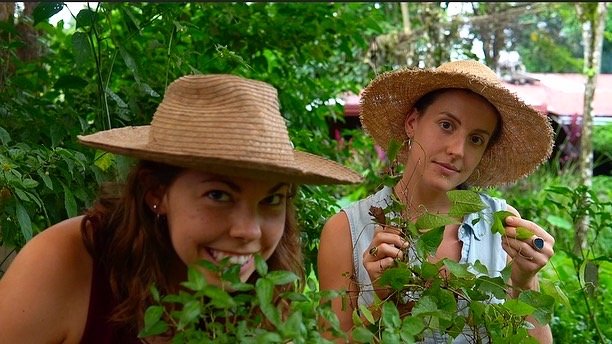
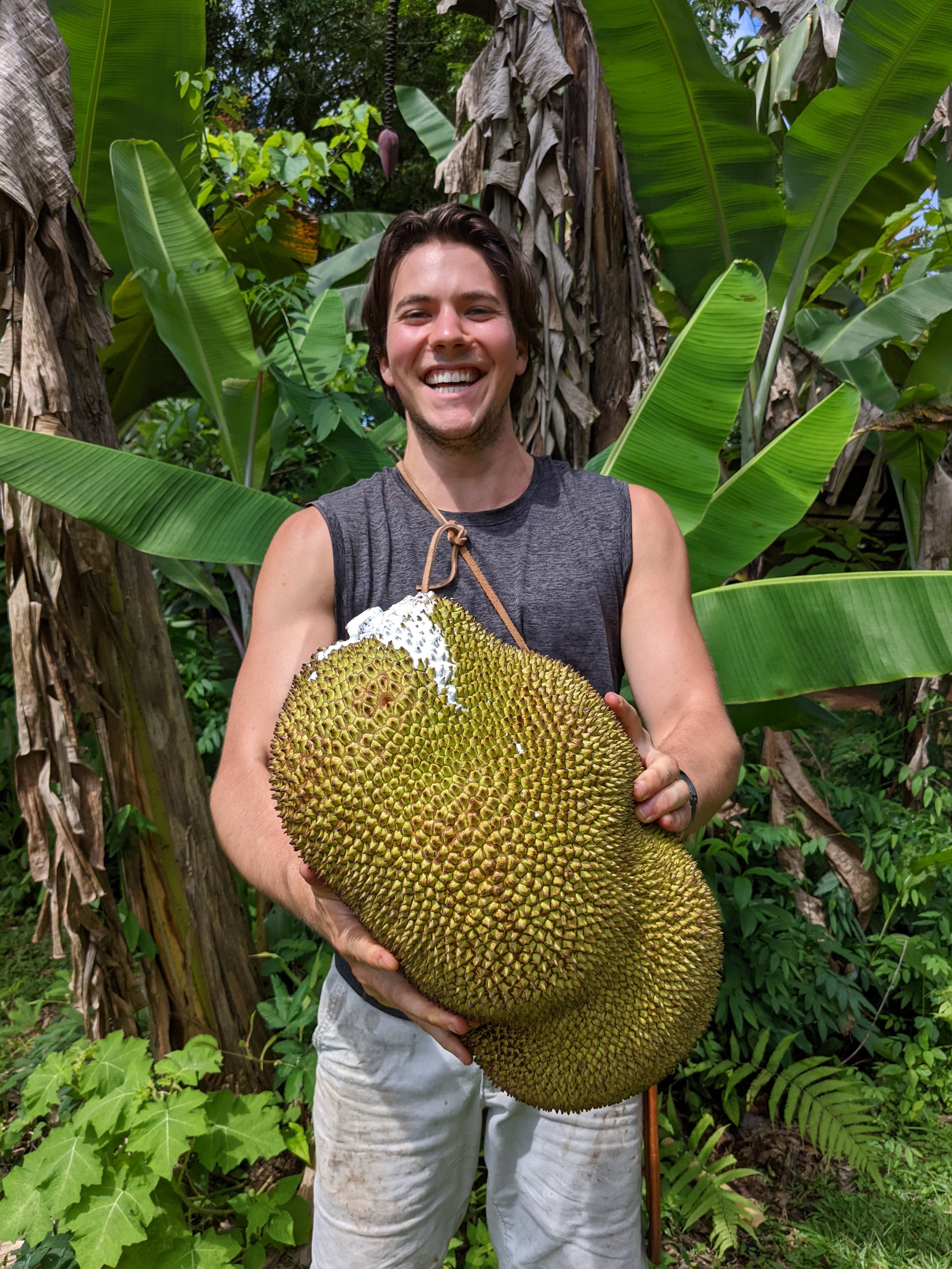
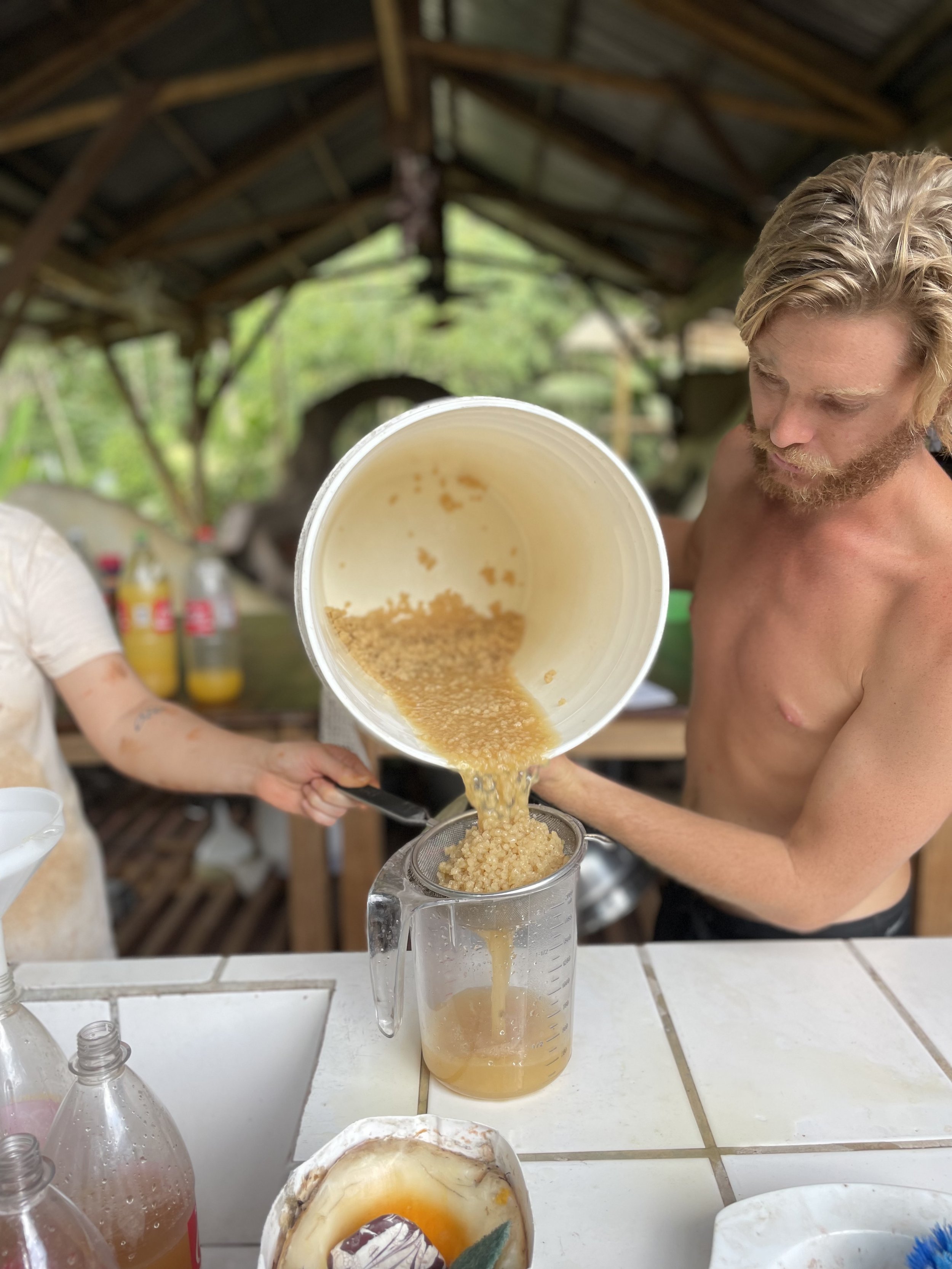
In his book, ‘Change the Story’ Change the Future’ David C. Korten goes in to more detail about our psychology and how we make purpose in our lives. He describes the current paradigm as The Sacred Money and Markets Story; essentially we sacrifice ourselves to serve the Money God who is never happy. We can flip that story to one that is more consistent with living heart-centred and to the traditional values and needs of humans. It’s an easy and thought-provoking read which I assure will create a shift in your confidence in making change.
We have the responsibility to educate ourselves in order to educate our children. If we don’t do it, Big Industry will continue to do so through our educational systems and the current story will continue. We have sleepwalked in to this mess and it is going to take intentionality, commitment and consistency to rewrite the potential of the future. The ethics of permaculture are Earth Care, People Care, Fair Share and Transition. The act of transitioning is where the movement for change starts to take place.
Transition takes time. No one can expect to go from sick to healthy in a day. And we can’t expect to shift the health of the planet in a day or even a year. But change happens with commitment to small and consistent repeated inputs. Just finding a way to shift our energy balance from extraction to regeneration can be as simple as taking a moment to find out where your coffee comes from and give thanks to the Earth and people who grew it – creating ritual rather than chugging it down. Or it can be as grand as selling everything you own and moving to a countryside and starting a farm/community/education centre.
The truth is that most of us are going to be somewhere in between. Commit to what’s just uncomfortable enough for it to be meaningful. A Permaculture Design Course is a great place to start.
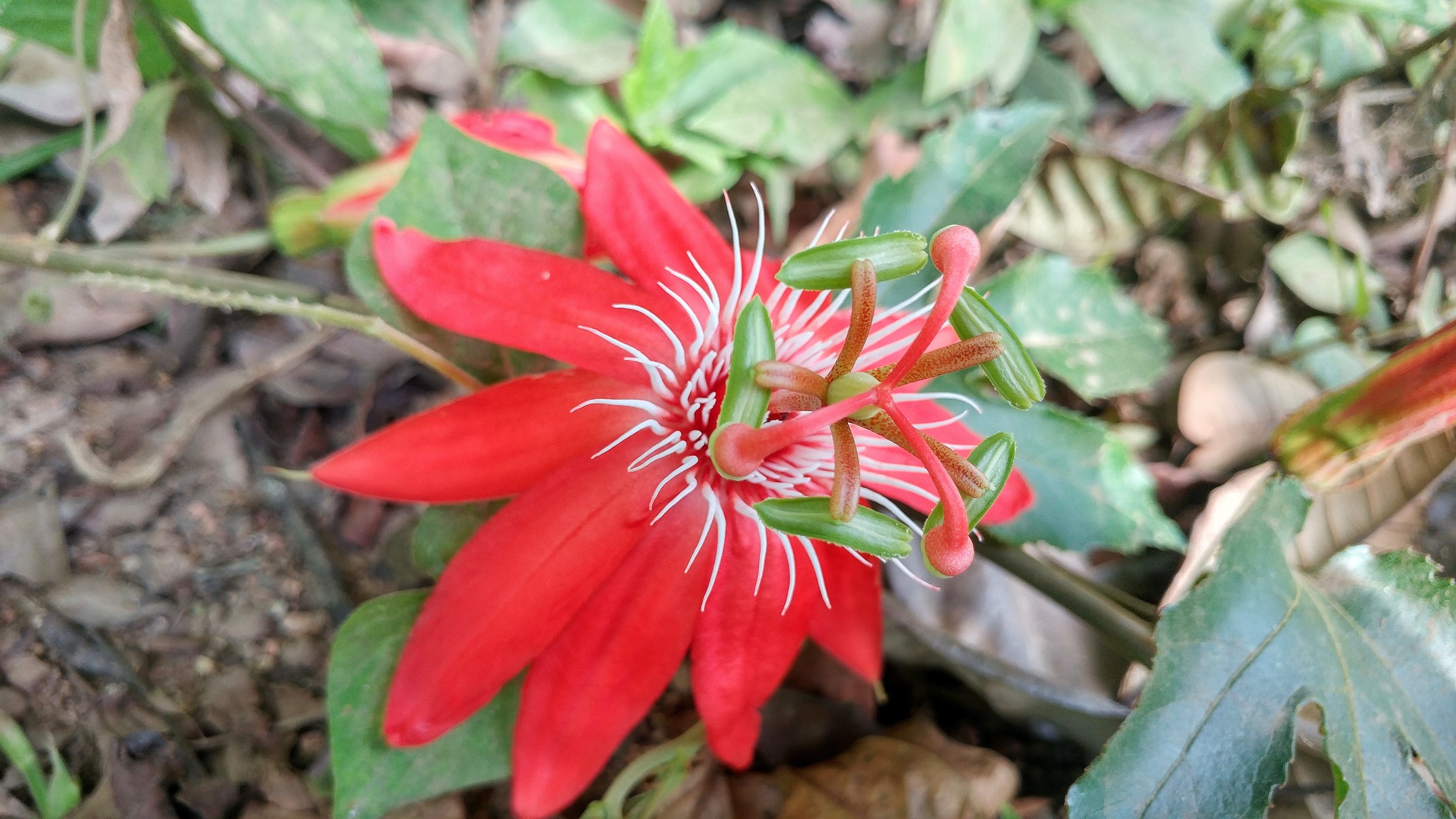
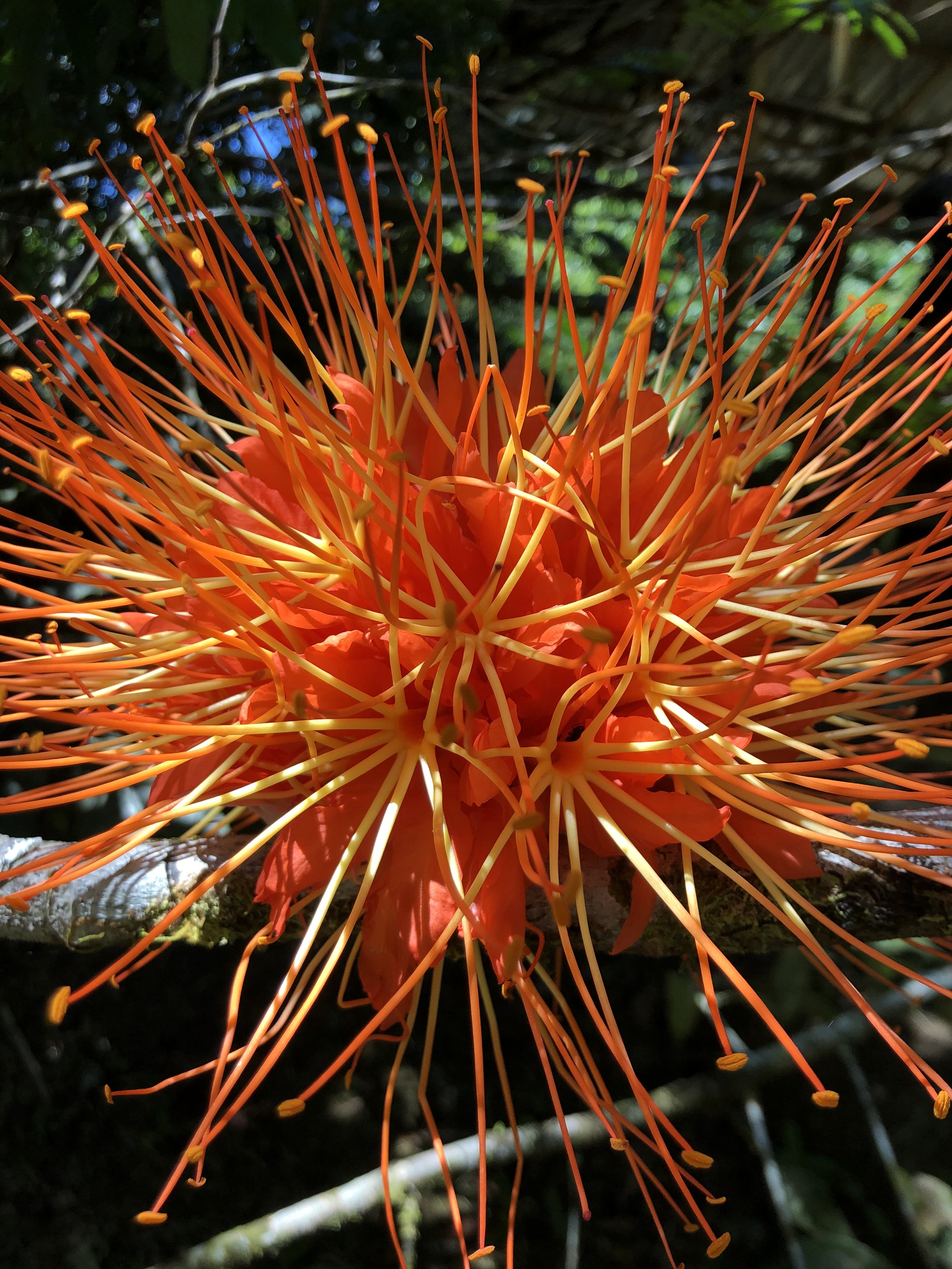

An Interwoven Life
As you pass through the gates at Rancho Mastatal, you step into another world. A place where perhaps the hands you hold at evening circle are the very ones who built the structure you'll sleep in that night.
By 2023 apprentice Elya Justina Mech
As you pass through the gates at Rancho Mastatal, you step into another world. A place where perhaps the hands you hold at evening circle are the very ones who built the structure you'll sleep in that night. Where your salad greens come from the garden you walked through that morning with your coffee, and the cows down the road have not only given the kitchen milk to make dairy kefir, but manure to fuel the bio-digester cooking system. The connections here are endless; its permaculture life you can see and touch.
As apprentices we are learning the principles of permaculture - not just in the classroom but also in our morning community contribution skills, during meal prep, on our walks through the agroforestry system, and as we assist with the daily function of the Ranch's infrastructure.
Its easy to understand why this way of life makes so much sense. We can see our regenerative influence on the natural environment, and feel a deep satisfaction from knowing how the components of your day are interwoven.
And at the Ranch it's very clear to see that you are also nature, you belong here, and you can have a healing impact on the earth.
Here are some more examples of ways in which our daily life is interconnected:
Water Kefir or "Balm" that we enjoy at our meals is a probiotic-rich, fermented drink made from yeast, local raw cane sugar with a base of fruits, spices and herbs from our gardens and orchards.
Eggs from Dona Flor, a chicken farmer in Mastatal who provides us with a large supply of our daily protein. Our beautiful brunches feature frittata or scrambled eggs. We also make homemade mayonnaise and use the eggs in baking for special occaisions.
Composting toilets allow us to drastically reduce our water consumption compared to conventional toilets. They also create nutrient-rich humanure to be used in our orchard spaces.
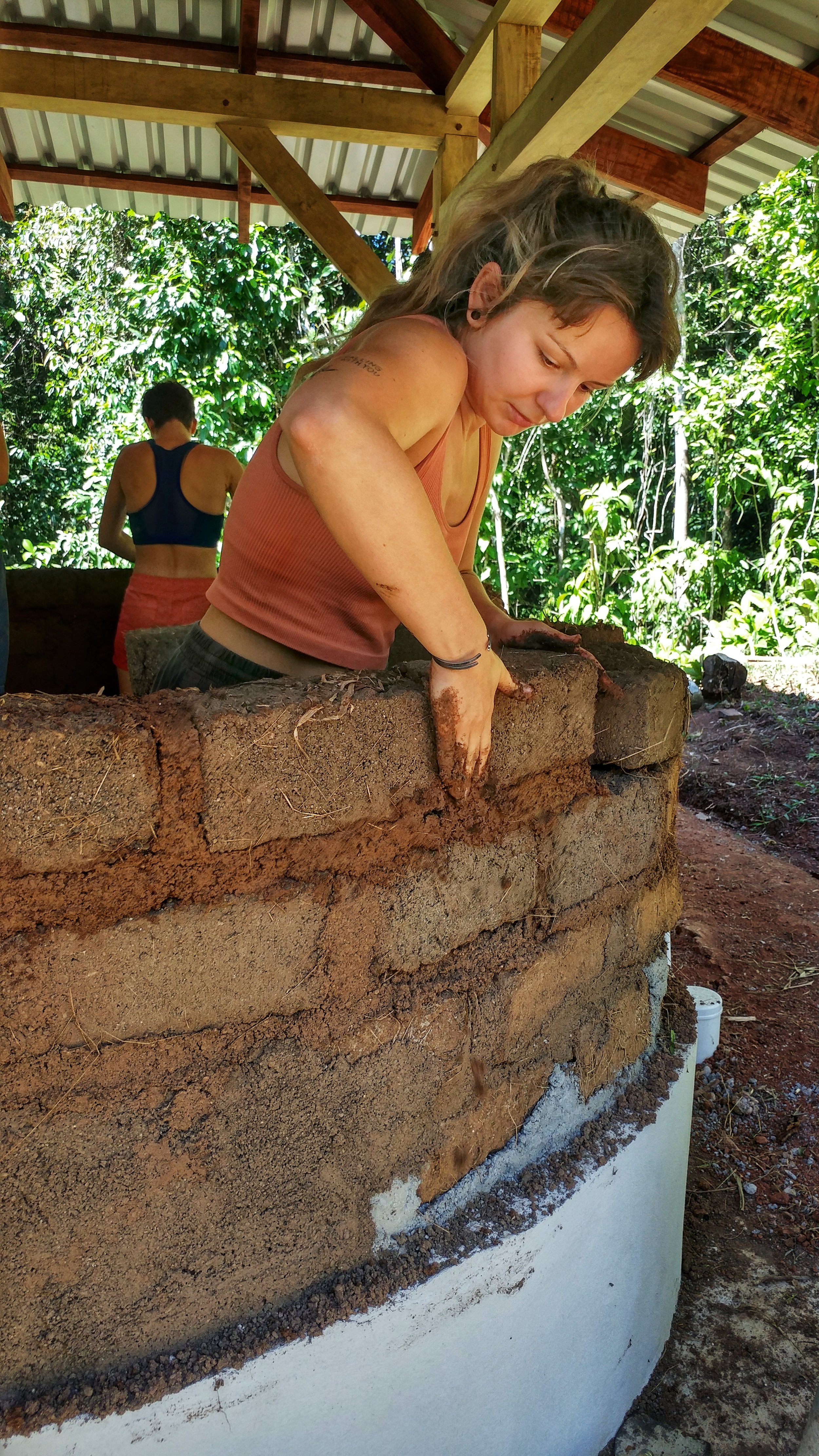
Meeting our energetic, nutritional, and social needs in symbiosis with nature brings such a joy and satisfaction to all those who live, work and visit Rancho Mastatal. Its inspiring to see how we can live in way that is kinder to the Earth and healthier for our bodies and minds.
Thinking back to life before the Ranch, its easy to see how many components of my daily life came from far off places and how my needs were often met by people whom I did not know and came from sources I was unfamiliar with. Without that integration I felt disconnected and there was a part of my spirit which was searching for more.
When we think about all the aspects of our daily lives - what we eat, how we process our waste, how we spend our time, and the spaces we occupy, we can ask ourselves 'how interconnected are these elements'?
Part of the magic of the Ranch is how its inspiring others to bring back these values and ideas to wherever they're from and share a new way of living with their family and community. You don't have to be living in a rural town in the tropical rainforest of Costa Rica to have a life that is interwoven, regenerative, and full of meaning.
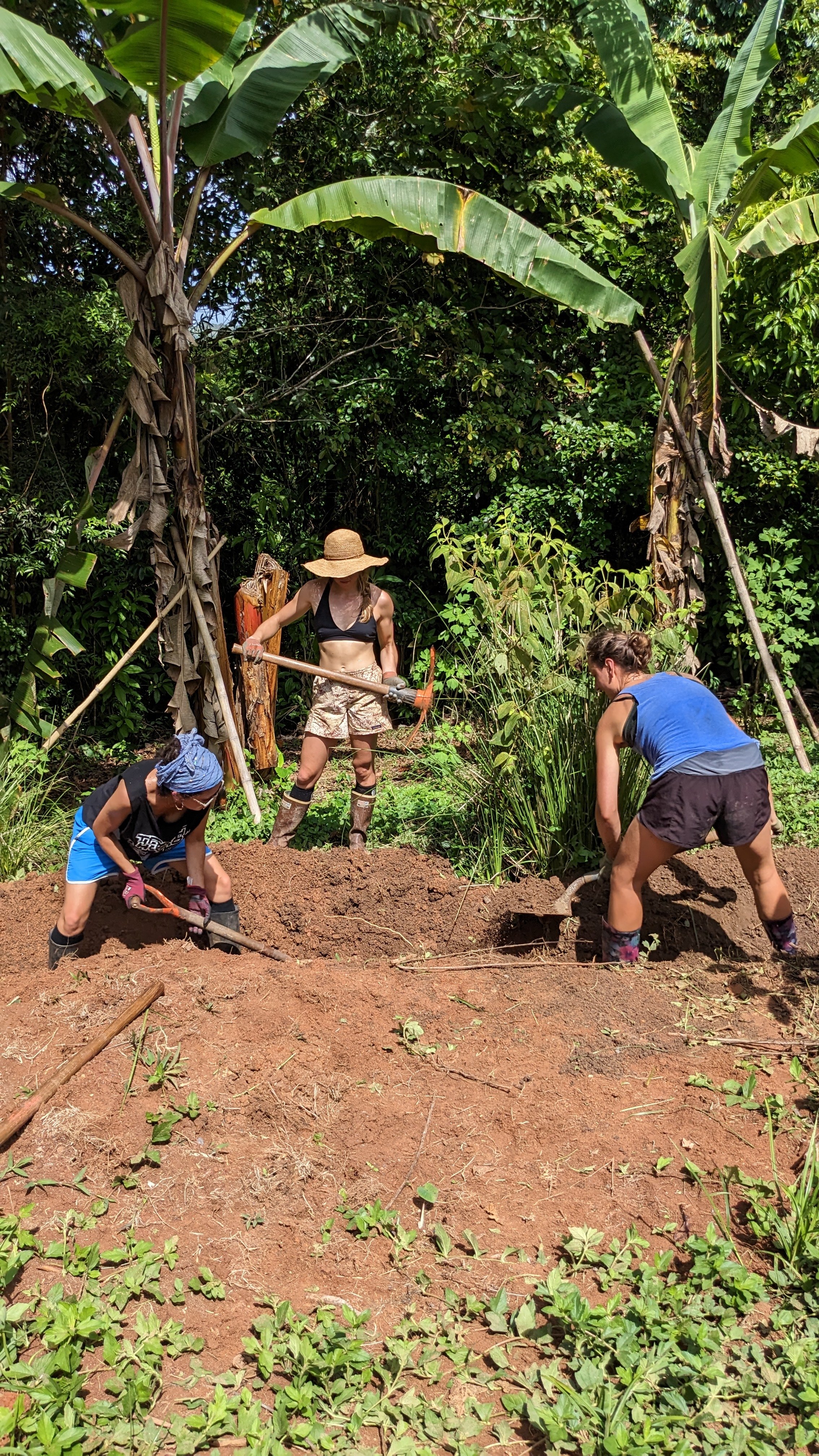
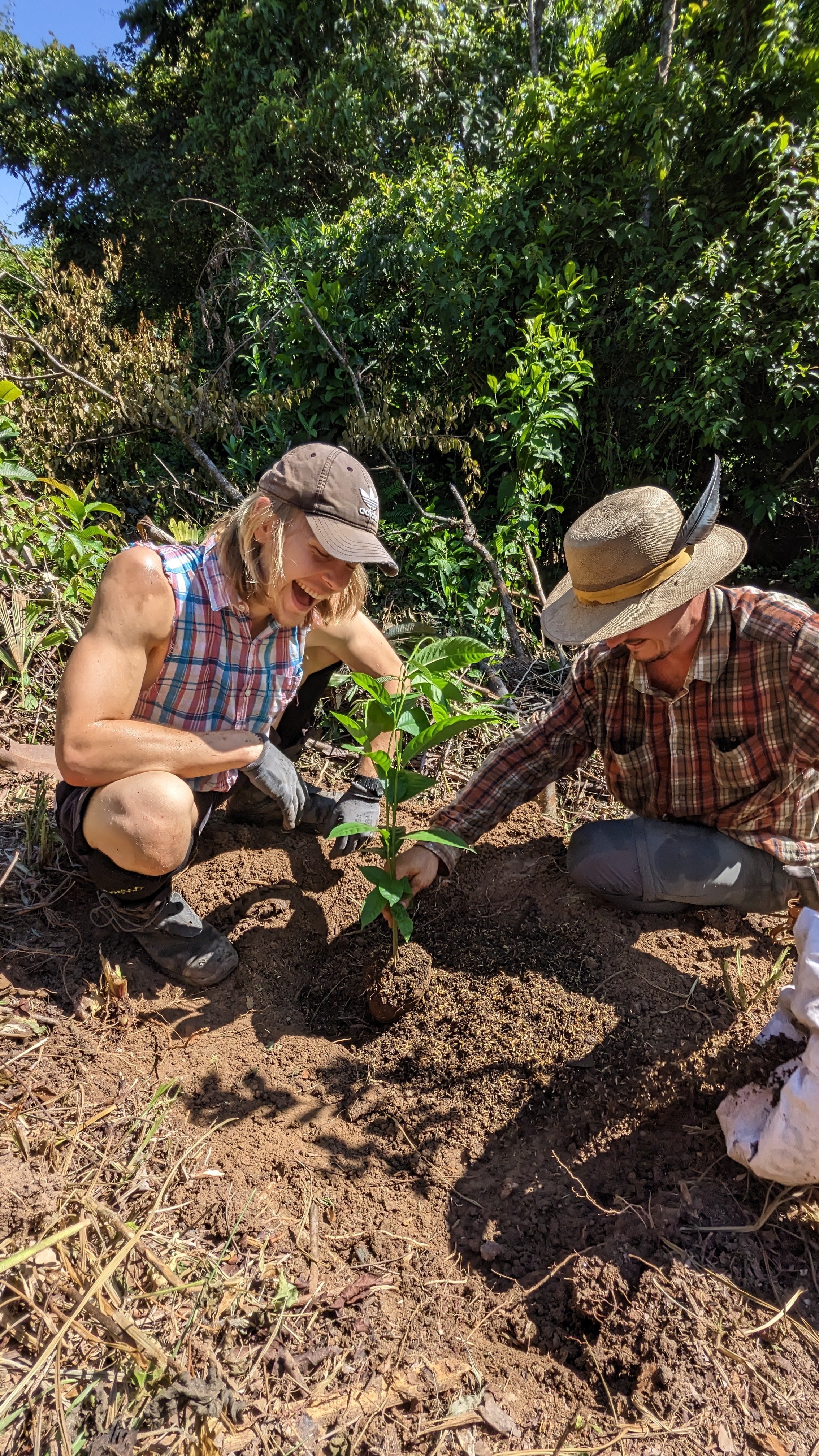
Perhaps you can start by growing some herbs or veggies in your own backyard or by finding a farmer's market to visit each week. How about hosting a monthly dinner with your neighbours and inviting everyone to bring a homemade dish? Which local businesses in your city can you become a patron of?
Maybe you are already living on a piece of land you'd like to develop into a community project. There could be a nearby seed saving bank to help you get started on growing heirloom varieties of vegetables or neighbours to borrow tools from and donate building materials. Often times there are school groups looking for volunteer opportunities and gardening clubs who have years worth of knowledge to share. The farmers in your area will also be a valuable resource to connect with, having insight into growing seasons and weather patterns. If you are looking to raise animals, they may be willing to help you get started and even sell animals to you.
Permaculture is all about creating a thriving and regenerative world for us to live in and enjoy. We can use smart and slow solutions right where we are to improve the way we meet our needs and the needs of others.
As I spend another beautiful day at Rancho Mastatal I am filled with gratitude to be able to learn these lessons in the heart of a thriving community. With each meal, every visit to the garden and orchardsand spending time in structures that have been lovingly made from the land, I realize how this interwoven life has enriched me and changed the way I will live from now on.

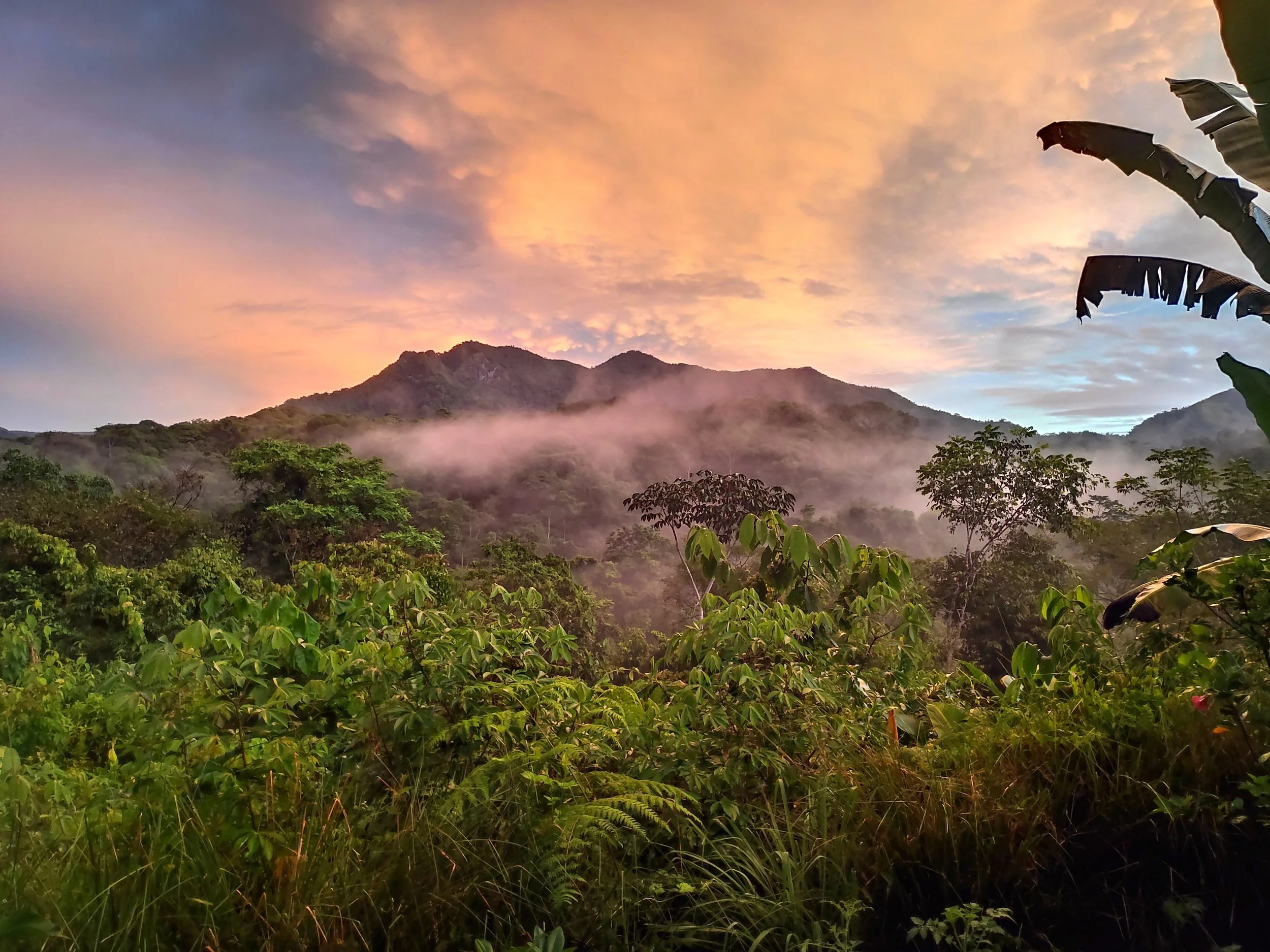
If You Practice Yoga, Practice Permaculture
Yoga. Permaculture. Two seemingly disparate systems of knowledge and practices. What does a morning vinyasa flow class have to do with a plant guild?
By 2022 apprentice Lucas
Yoga.* Permaculture. Two seemingly disparate systems of knowledge and practices. What does a morning vinyasa flow class have to do with a plant guild? What does a contour line have to do with downward facing dog? Sit back, find your beginner’s mind, and read on.
Here are 5 reasons to practice both yoga and permaculture:

#1 Ahimsa and permaculture ethics
Ahimsa is the first yama (observance) of yoga ethics. Ahimsa is non-violence, or translated affirmatively, it is compassionate living and celebrating the inherent sacredness of all life.
The three ethics of permaculture are earth care, people care, and fair share; there’s also arguably a fourth - transition.
Earth and human care are outward expressions of ahimsa. This is what grounds a skillful permaculturist AND a skillful yogi aspirant. An active practice of love is caring for the earth and caring for each other. All of permaculture and yoga is built on this.

#2 Prana and prosperity
Skillful permaculture yields prosperity and abundance of: food, fuel, diversity, resilience, and interconnection. By harnessing natural forces and energy (prana) like rainfall and sunlight, permaculture produces more life-serving outputs like food or wildlife habitat, with less energy invested.
By working with our breath in yoga, we cultivate prana, mastering our life force from within. This yields more steadiness and ease even in challenging physical movements, poses, or expressions. Many yoga sequences are based off of optimally activating the nadis (energy channels) in the body to rebalance and revitalize us. We hold downward dog after opening our hearts in cobra. On a landscape, we plant vegetation on contour to catch and store water and minimize erosion.
With permaculture, we breathe life into a landscape, channeling prana along the nadis, and the result is prosperity.

#3 Observe and interact
Observe and interact is the first principle of the permaculture design methodology.
When observing nature and the land from a permaculture paradigm, I notice how much sunlight a particular area gets, what the microclimate is, the qualities of the soil, and the wildlife present. I devote especially close attention to an orchard slope and make a mental note of which plants need pruning and which need more support. I prune, I apply some nitrogen rich compost, and I come back in a few days to observe again. I learn from my observations and I learn from my actions.
Observation is a cornerstone of yoga. We observe our breath. We observe our body. We bring conscious attention to our thoughts and allow them to pass through our awareness like leaves floating down a river. By observing closely we build our awareness.
We then engage the breath, mind, and body in various exercises and movements. The interactions lead to new observations in perfect interdependent co-arising. We feel greater well-being, samadhi, or connection to the divine.

#4 Sangha and community
Well-being is supported in community (sangha). In spite of a toxic dominant culture that tries its best to separate us and 2+ years of the covid experience, people found ways to connect and continue to create community. Yoga centers offered classes online, outdoors, or utilized other larger community spaces to accommodate mats being farther apart. The act of practicing together creates bonds between all beings present. The possibility of harmony emerges.
Mutual support is an essential aspect of successful permaculture communities and landscapes. From a permaculture perspective, we create the conditions needed for mutual support. We create a greywater system to disperse water to plants that need the water, plants who then filter the water to be clean enough to continue on in the water cycle. We create a salt-water brine to submerge green papaya in order to support the growth of Lactobacillus bacteria, who then ferment our raw papaya into tasty kimchi that improves the fortitude of our gut microbiome. We exist on this earth in a community of life.
Inclusive yoga spaces where people come together to practice creates communities of mutual support just like a plant guild of wild hops (nitrogen fixer and mulch), caña india (contour stabilizer), vetiver (erosion control), and pineapple (food crop). Thich Nhat Hahn said that the next Buddha will be a Sangha, a community. Perhaps that is a yoga community, or the permaculture community, or a synthesis of many communities.

#5 Skill in action
Yoga is skill in action. Permaculture is skill in action. Yoga is reunion. Permaculture is reunion in this 3D material reality.
What does social and environmental justice look like? What does healing look like? What does a healthy community and landscape look like? Drab concrete, hazy air, industrially processed food, and the pounding sound of heavy machinery? Or green spaces, fresh air, abundant fruit hanging off trees, and the song of birds and lively human conversation?
Both permaculture and yoga reckon with cultural appropriation, privilege, and the intersectional systemic injustice of our day. Both are attempting to bring forth ancient wisdom that differs from current societal norms. Both have immense potential to heal: individuals, communities, and the biosphere. Both are vehicles of transformation.
Stale, sterilized yoga practice in commercialized studios of the capitalistic west is not enough. Reunite with the divine AND local water, food, energy, and educational sovereignty. Activate your chakras AND your connection to the community of life. Put your head in the clouds AND your hands in the earth.
If you practice yoga, practice permaculture
All the “reasons” above are really all the same. A personal yoga practice can feed and nourish oneself to devote even greater energy into permaculture practices out in the world. An applied permaculture approach to one’s home and community creates opportunities for healing out in the world. The co-founder of the yoga studio I completed my yoga teacher training at often speaks about how important it is to take our yoga practice with us off of the mat. Bringing yoga into our everyday lives. I don’t know of a better systemized way to do that than through permaculture. If you practice yoga, practice permaculture.

Sources and notes:
1. Bhagavad-Gita
2. Skill in Action (Michelle Cassandra Johnson)
*Yoga means many things to many people. The yoga I’m writing about is the yoga I practice and study. Mostly Hatha-Raja yoga, with lineage through Lindsay and Bart of Global Breath in Durham, NC and their teacher Dharma Mittra in NYC
Want to Learn More About Permaculture?
Join us for one of our yearly Permaculture Design Certifications.
Check Out these past blog articles about permaculture
Why the World Would be a Better Place if Everyone Took a Permaculture Design Certification
Why you Should Take a Permaculture Design Certification course at Rancho Mastatal, Costa Rica
The Problem with Permaculture – Understanding Elements and Functions

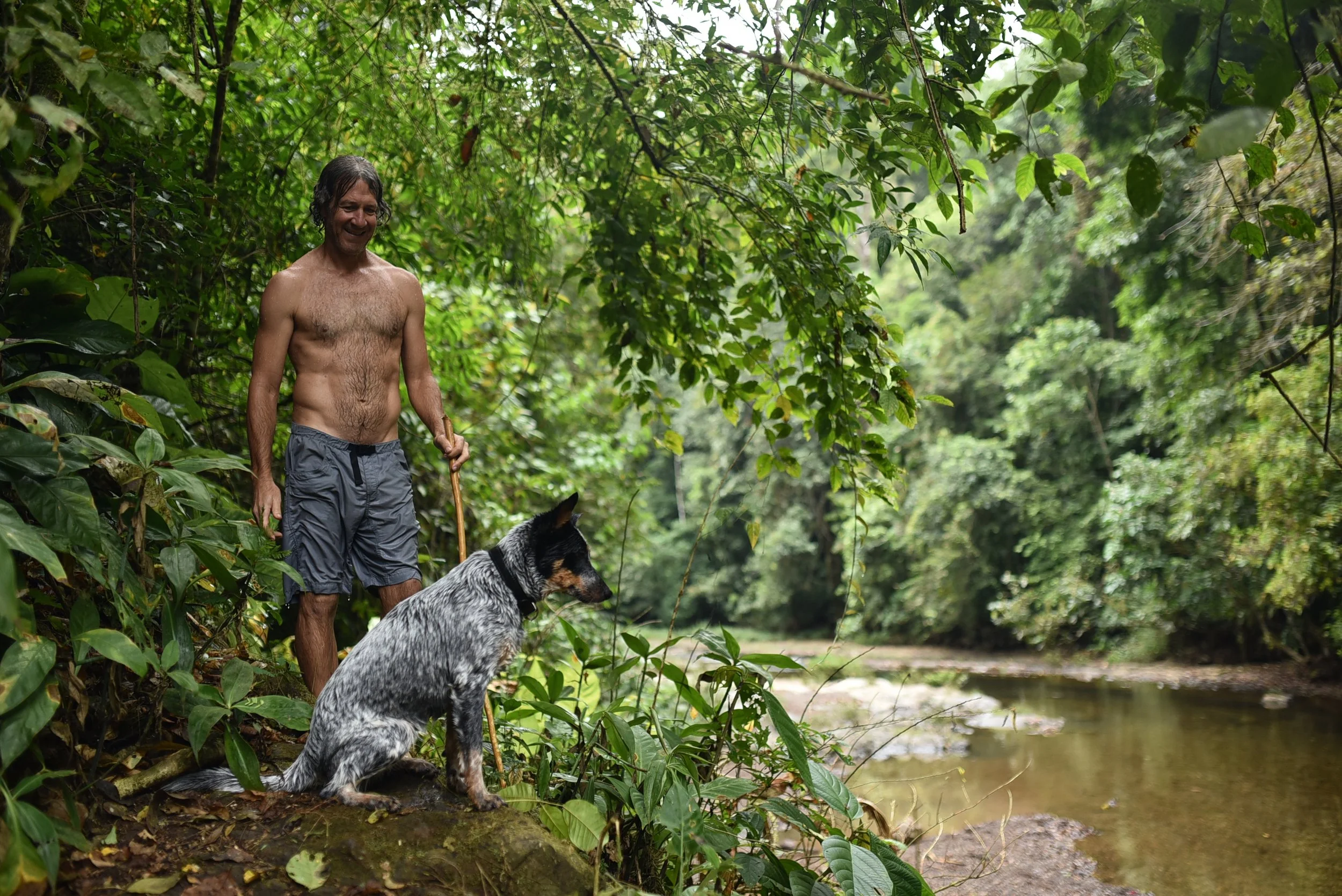
Permaculture Design & The Importance of Recreation and Team-Oriented Thinking
Once you begin to think about it, the way we spend our “free time” will define the sustainability of the entire system.
By 2022 Apprentice AJ Nolan

Playing volleyball down at the local field. All ages welcome!
Permaculture thinking moves us towards finding solutions that can serve multiple functions. This can be known as stacking functions with the goal to develop more “free time”. Simply put and maybe more traditionally put, “killing two birds with one stone”. How you spend that free time is something that really gets very little attention in the permaculture community and one that I am particularly interested in. Once you begin to think about it, the way we spend our “free time” will define the sustainability of the entire system. If we choose to pack in more projects and more tasks, in the short term we may benefit from our added productivity, but is this sustainable in the long term? In this article I am going to talk about how we design our lives using permaculture based thinking to create sustainable patterns for not just our farm but for our lives. Bill Mollinson once asked, “How can we maximize hammock time?”. Whilst I agree with the sentiment, I prefer to run around in my free time!
We aim to create balance between the needs of the farm (which has endless lists of projects that could be done) and the needs of us as individuals to relax, recreate, unwind and decompress. The benefit of playing team sports together helps build team morale, a sense of togetherness and comradery that is vitally important to the fluid functioning of our community.
Think back to your childhood days. What were you spending most of your time doing? If you said playing video games, I can’t relate, but if you responded with getting dirty and running around outside, I recommend you keep reading.
The first day I arrived at the Ranch for my year-long apprenticeship, everyone was involved in a heated game of volleyball. I joined in and after brief introductions, I shared the field with myriad new faces, and we worked together toward a common goal for the next hour. I couldn’t have asked for a better initiation into Ranch life than that first volleyball game.
As a child, playing outside is instinctive and it’s how we begin to understand the physics of the natural world. In school there are scheduled times to play outside. Where I’m from, it’s called recess. When I was growing up, we were given three different times throughout the day to release our pent-up energy and run rampant through the school yard. As I got older and school years passed, the allotted recess time slowly disappeared and was replaced with longer class times.

Many community members take daily trips to our waterfall
Recreation is an important aspect of life that we begin to lose as we age. It’s the hardest part of life to hold onto because it’s no longer allotted for us. Western society has deemed it unimportant and prioritizes work and time spent at a desk. Here at the Ranch, we have designed in ample opportunities to recreate. Pitching in to clean up brunch, taking a trip to the waterfall, practicing yoga, and reading a good book are all forms of recreation. We have scheduled in plenty of downtime and we have made a conscious decision to start the work day early in order to end our work day earlier to allow more time for afternoon team recreation. The inspiration for this blog post comes from what I like to call 16:00 Mass (a.k.a sports time).
Here at the Ranch we schedule our free time. That’s how serious we are about it. We are currently in the dry season, so the “cancha” (sports field) gets a lot of use by the Mastatal community this time of year. Every town in Costa Rica is given a church, an elementary school, a community center, and a sports field. Our main forms of team recreation are frisbee and volleyball. Every day I trot down to the field at 15:50, tired from a full workday at the Ranch. I’ve got a frisbee, volleyball, and a bunch of bright orange cones in my hand. As I step out onto the field, I look at everyone’s tired eyes and I smile because I know that it’s all about to change. We split up into teams and the game begins. I begin to move into my body and out of my head. Before I’m aware of my actions, I stop to catch my breath and realize how much energy I have. I sweat not only from running around but from the intensity of the game. Coupled with teamwork, this form of exercise alters my thought pattern and I find myself in a state of euphoria and limitless energy. For the next hour I’m on Cloud 9 and I don’t want the excitement to end. When the game does end, my bare feet thank me for stopping and I find myself in high spirits with an overwhelming feeling of accomplishment and grit. Everyone is talking of food now and my stomach rumbles in anticipation for a Ranch dinner.
I’ve always placed great importance on exercise in my life, but I mainly participated in individual sports like swimming or tennis. Working in teams at the Ranch is paramount to our success here and it’s no different on the field. Playing a team sport changes my mood and puts me in a flow state. No longer am I thinking of the past or the future. I am right there on the field in the present moment. If my mind strays away, my teammates are sure to let me know. I can no longer only think of myself - I must take other people’s needs and wants into account. Playing a team sport necessitates quick thinking and sound decision making. These qualities allow for a dynamic community and encourages the development of well-rounded individuals. Whenever I’m having an off day, I feel a sense of balance and grounding after running around on the field with my peers.
Enjoying the refreshing swims in the river
I am extremely lucky to be living in a community that prioritizes recreation and down-time. The world would be a much happier place if a higher value was placed on these activities. It’s a privilege to have free-time and I encourage others to do the same. Play outside with your kids, join a local soccer league, take a yoga class, or pick up that book you’ve been wanting to read forever. Whatever your preferred form of recreation is, it will dramatically alter your mental state and contribute to your happiness and overall well-being.
One thing that has been learnt over the years at the Ranch though, is that recreation time must be planned in. If we leave it to chance it becomes difficult for us to find space for it with all the other tasks and activities going on. Although Permaculture Design tends to focus on the design of your land based project, food forest or garden systems, I think it is also very important to place a large emphasis on planning our social lives, activities and recreation times. Collectively we have found that just like planning a garden and selecting the best place to plant your favourite perennial salad crop, it is vitally important to plan your daily activities and make sure to plan in recreation time.
How you choose to spend your recreation time is up to you but if you need me, I’ll be down at the “cancha”.
Other Community and Permaculture Related Blogs
How to Run a Permaculture Internship
Enriching Community Soil: 5 Simple Strategies that Support Sustainable Relationships

View of the sports field and La Cangreja National Park
Rancho Spa-Statal: Finding Balance and Pleasure in a Life on the Farm
A day here can be very physically demanding: cutting bamboo, hauling bananas, and moving piles of sand and clay. I have learned that building a community and living in alignment with the Earth require sweat and persistence. But the Ranch has also taught me that finding healthy ways to relax and have fun is equally important for finding balance. If a community is going to last, you have to find ways to laugh and spark joy in any situation.
By Abbey Cmiel, apprentice 2021
Over the last few weeks, we’ve coined the term “Rancho Spa-statal” for any time we find a beauty hack while working on the farm.
The phrase is a bit of an oxymoron, as the Rancho team has a reputation of being the “hard-working, sports-playing,” hippie type. A day here can be very physically demanding: cutting bamboo, hauling bananas, and moving piles of sand and clay. I have learned that building a community and living in alignment with the Earth require sweat and persistence. But the Ranch has also taught me that finding healthy ways to relax and have fun is equally important for finding balance. If a community is going to last, you have to find ways to laugh and spark joy in any situation.
Forever looking for ways to “stack functions”, here are some of our top tips and tricks for turning any activity into a spa day.
The Cob and Daub Pedicure
Every Monday and Thursday, the apprentices have Natural Building work parties where they learn about Wattle and Daub, Cob, Adobe, and Bamboo building skills. These days consist primarily of sifting clay, hauling materials, tamping down gravel, laying bricks, learning to plaster and work with natural materials, and, most excitingly, mixing up earthen mixes with our feet.
Making these mixes resembles a combination between jumping on a moon-bounce and doing “the twist” as we dance around each other on a spread out tarp. There’s no better feeling than squishing clay between your toes, and I’d be willing to bet the health benefits are multi-fold.
Unlike modern construction techniques, building with locally sourced materials such as clay, sand and straw ensure your spa day, and your life in general, will have far fewer toxins. One part clay, one part sand, one part straw: the most effective way to buff your heels and leave your nails shining in no time.
You can read more about natural building at Rancho HERE.

Stompin that earth mix
Bananager’s Conditioner
Each month, we apprentices rotate “Community Contribution Skills” (aka chores) which help keep the Ranch running smoothly. For my first month and a half, I served as the highly esteemed “bananger”, which includes the rigorous task of making sure the immense bunches of bananas are consumed. Sometimes, even after banana smoothies, beer, bread, and dried snacks are made, a surplus remains- and that is when we get creative.
Learn some interesting banana facts from Moanna’s blog 10 Things You Didn’t Know About the Banana

Consti brings in a mega harvest of bananas
Ali, a member of the Core Team and Spa-statal Extraordinaire, invented this banana deep-conditioning treatment for guaranteed more shiny, luxurious hair, with no chemicals or waste involved.
Banana Hair Mask Recipe:
4 bananas
1 egg
½ cup of dairy kefir (learn how to make your own probiotic dairy kefir here)
A splash of vinegar (for bonus banana points, learn how to make banana vinegar here)
Blend until nice and smooth and lather in your hair (hair should be wet). Leave the conditioner in for about 30 minutes and while you’re at it, consider reading your favorite permaculture book (here are a few of our recommendations) or putting on a natural face mask (continue reading!)
SCOBY Facemask
Wednesdays at the Ranch are all things food preparation. We’ve learned about the importance of eating a diverse diet of fresh and fermented fruits and vegetables for maintaining healthy gut flora and work with many cultures of microbiota to preserve our food. Our gut microbiomes twirl with delight as they see us preparing kimchi, sauerkraut, pickles, natural beers, water kefir sodas, vinegar, and more. These fermentations often produce an abundance of SCOBYs (Symbiotic Colonies of Bacteria and Yeast), otherwise known as “mothers” or “that-thick-alien-looking-layer-on-top-of-your-kombucha”). Turns out, those cultures also have detoxifying and toning properties to make your face glow.
You can find a recipe for homemade vinegar HERE and when your SCOBY outgrows its container, you can try it out as a face mask. Peel off a few of the oldest layers while brewing a new batch, sit back, relax, and plop it on your face. The vinegar can be a bit intense on sensitive skin, so be sure to test on your arm first and leave the SCOBY on your face for no more than 10 minutes.
While you’re at it, grab a glass of your homemade hooch or balm (recipes found HERE) and enjoy.

SCOBY facemask
Rancho Spastatal: A way of life
For anyone interested in living in or creating a community, do not underestimate the importance of self care. Taking moments to relax, play, and be silly allows everyone involved to show up for the most challenging conversations, decisions, or work days. When we invest in our individual and collective health, we are also more able to care for the environment around us and for one another. So find your version of Rancho Spa-statal wherever you call home and use the ingredients you find in abundance to turn the mundane into the magical.
Life Lessons From Moving Piles
There are piles of sand and clay ready to be formed into adobe bricks or wattle and daub mix, piles of starfruit and lemons waiting to be fermented, stacks of bamboo waiting for the next bamboo construction workshop, piles of green papaya anticipating its second life as kimchi, piles and piles of knowledge held in peoples brains, piles of books filling up the library waiting for the next curious mind, piles of manure, compost piles, worm piles, piles and piles of piles.
By Matthew Raybon, apprentice 2021

Treated bamboo drying and ready to move
If you were to visit Rancho Mastatal at any time of year, something you can count on seeing is the ever present pile. At first glance you may overlook them, but as the mystery of the Ranch unfolds in front of you, the seemingly insignificant pile of dirt reveals itself as a central piece of what makes everything at the Ranch happen. There are piles of sand and clay ready to be formed into adobe bricks or wattle and daub mix, piles of starfruit and lemons waiting to be fermented, stacks of bamboo waiting for the next bamboo construction workshop, piles of green papaya anticipating its second life as kimchi, piles and piles of knowledge held in peoples brains, piles of books filling up the library waiting for the next curious mind, piles of manure, compost piles, worm piles, piles and piles of piles.
It’s safe to say that piles and the movement of piles is an integral part of living in community at Rancho Mastatal.
LET ME PAINT YOU A PICTURE OF PILES
It’s one week into the 2021 apprenticeship program. So far we’ve spent our time getting acquainted with one another and our new home and taking a deep dive into the wealth of knowledge and experience Rancho has to offer. Up until now this has mostly involved talking and reading. Brain work rather than body work. Myself along with the other apprentices are ready to jump into the active work of building, fermenting, cooking, and caring for the land.
Monday of the second week rolls around and it’s time for our morning natural building work party. Amazing! For our first task we will be working with adobe bricks to construct the shower and toilet walls at a residential structure on the property called the Casucha. We all gather at the wood shop in the morning for a quick chat before breaking into teams to tackle the day’s tasks. “Alright,” Nic says, “first things first, we need to move some piles of sand from the road to the Casucha for our adobe mix. Let’s split into two groups. . . Two people grab shovels and go with Ali in the truck to haul sand from the road to here. The rest of us will transfer sand from the truck to wheelbarrows and bring it down the ridge to the Casucha.”
There is always more sand to move somewhere!
Two hours and a handful of blisters later we had successfully moved a few truck loads of sand from the road to the Casucha using primarily our hands, shovels, wheelbarrows and some tunes to keep the camaraderie high. In doing so we had all learned a few valuable lessons in natural building and in communal living as well as in life:
A. Nothing happens until someone moves piles
B. Many friends make light work
In other words, if you find yourself lost along the way and unsure of how to begin, start with a clear and simple task... and don’t be afraid to ask for help! I have returned again and again to these lessons and found steady ground in the simple act of moving piles to guide me through the ups and downs of life at Rancho.
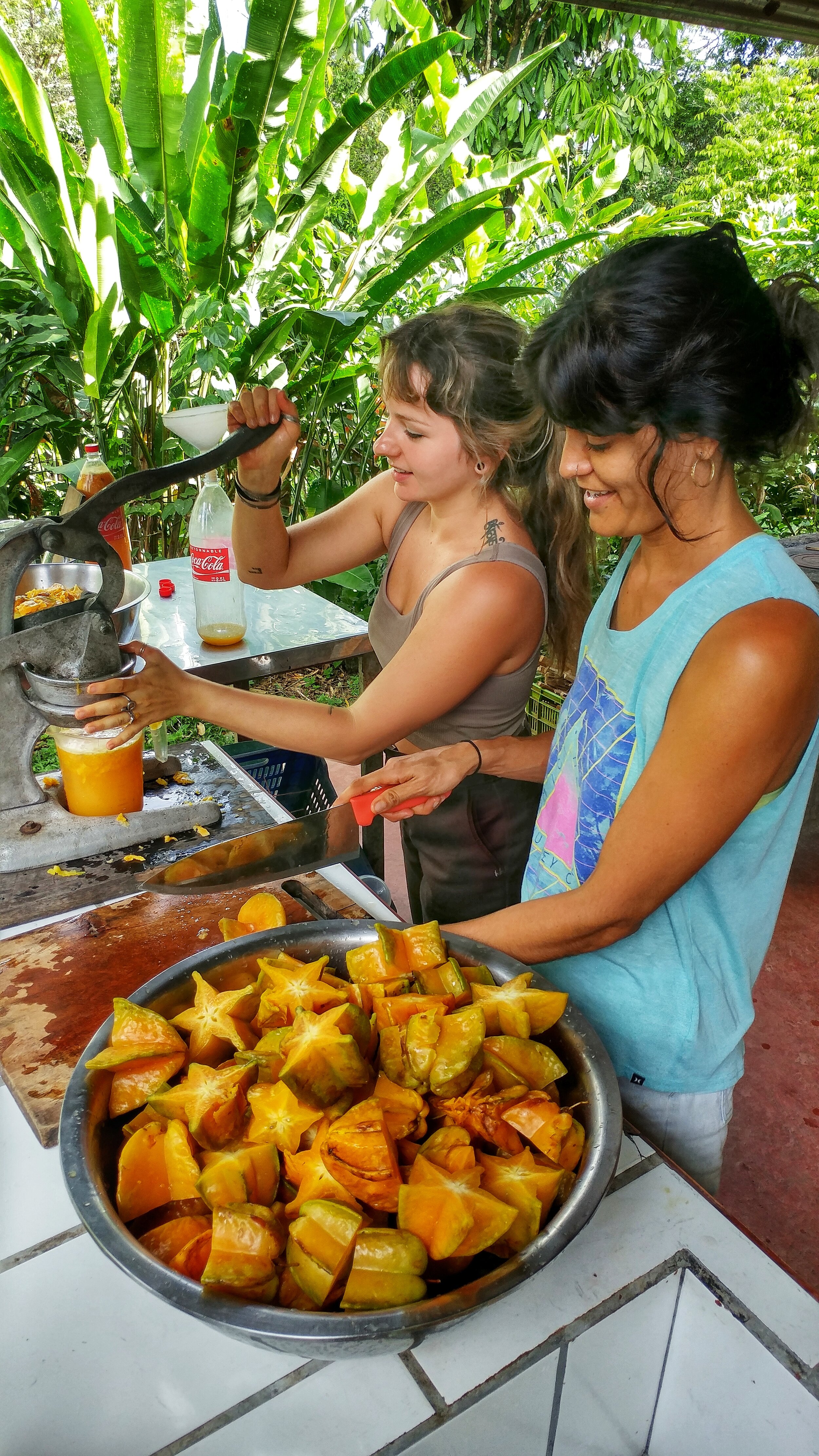
And always more food from the farm to move
When embarking on a new ambitious project it’s easy to be quickly overwhelmed and consumed by details. What flavorings do I want to add to my kimchi? Is it really kimchi if I am not using cabbage? How did I end up here? Not to worry. First, I need to harvest, cut, peel, seed and grate a ton of green papayas. In other words I need to move and transform a whole pile of green papaya (recipe here). I’ll start there with that simple task and come to the details along the way. I look at the looming papaya pile and I think, “Oh man that’s a whole lot of papaya”. But then the next thought follows, “Good thing I’ve got some friends to help me out along the way.”
Before coming to the Ranch I lived in a house, I worked as an Architect and I ate fermented foods purchased from the store. I knew in my mind that the life that I was able to live was made possible by the physical labor of many people around the world. I didn’t know with my body what exactly goes into building that house that I lived in or creating a delicious kimchi, and I didn’t know with my body the waste that those processes can create. In moving sand and mixing adobes I am learning with my body as well as my mind what it takes to build a natural home. As I peel and process baskets of green papaya, I am learning what has gone into that kimchi I bought from the store. In doing these things I am able to understand the true cost and value of the things I was previously benefiting from. Not just the cost of the product on the shelf at the store, but the environmental cost and the physical cost.
The seemingly mundane task of moving piles has transformed into something far more significant for me. It is a means to an end that serves as a guide for me as I search for the next step. It is a way of strengthening a bond between my community and myself. It is providing me with both the mind and body knowledge of what goes into creating a community and living in harmony with the environment.
As the days pass on by, I am reminded constantly that all of those piles don’t just move themselves or fall from the sky. We move them. If I don’t move them someone else does, and when we move them everything happens. Like the leaf cutter ants toiling away at building their home one tiny leafy piece at a time, we set to work making sustainable community happen by moving piles. All kinds of piles.

Grab a friend, because there is always more piles to move!
Categories
Topics
- Agriculture 6
- Agroforestry 21
- Animals 2
- Apprenticeship 19
- Appropriate Technology 6
- Backpacking 1
- Bananas 1
- Basic Pantry 4
- Biochar 1
- Books 3
- Build Your Own Home 1
- Central America 5
- Chiles 1
- Cinnamon 1
- Clay Carving 1
- Climate 2
- Climate Change 1
- Cob oven 1
- Communication 5
- Community 24
- Compost 2
- Composting Toilets 2
- Condiments 1
- Conservation 2
- Cooking 4
- Costa Rica 18
- Design 10
- Earthen Construction 10
- Eat Local 2
- Ecohome 1
- Education 9
- Environment 3
- Ethics 4
- Farm to Table 12
- Fasting 1
- Fermentation 14
- Food 22
- Food Choices 8
- Food Forest 8
- Food Processing 15
- Food Systems 12
- Gap Year 1
- Gardening 5
- Ginger Beer 1
- Harvest 2
- Health 12
- Healthy living 5
- Homemade 2
- Homestead 8
- Internet 2