
Farm to Table

At Rancho Mastatal, yuca is a staple in the kitchen and our bellies. You can find it in at least one of our meals nearly every day in one form or another.
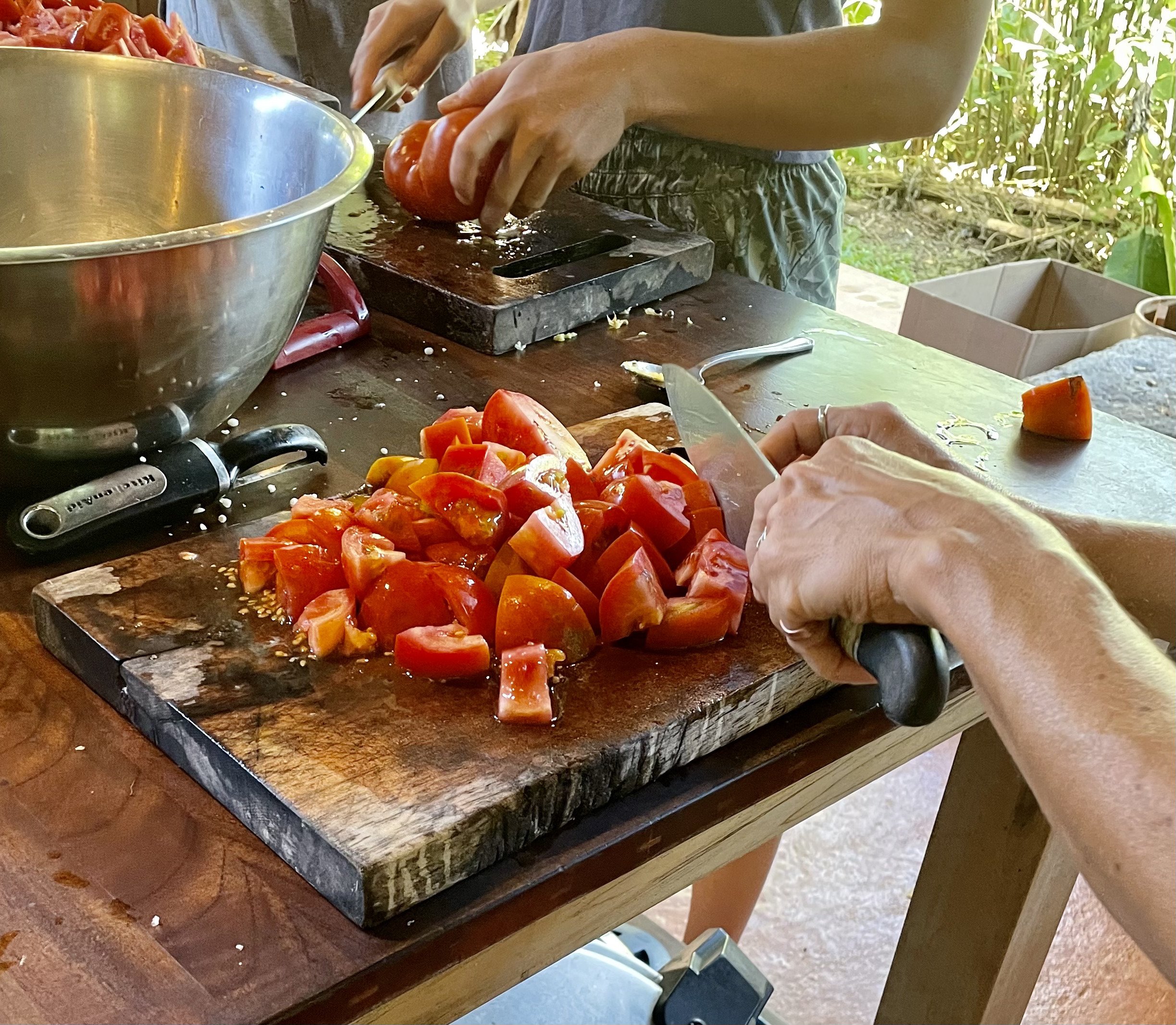
Ketchup over the years has been made in a plethora of different ways. The name originally comes from the Hokkien Chinese word ke-tsiap, meaning fermented fish sauce, and in Europe, the sauce has been recreated with mushrooms, walnuts, oysters, anchovies, and more.

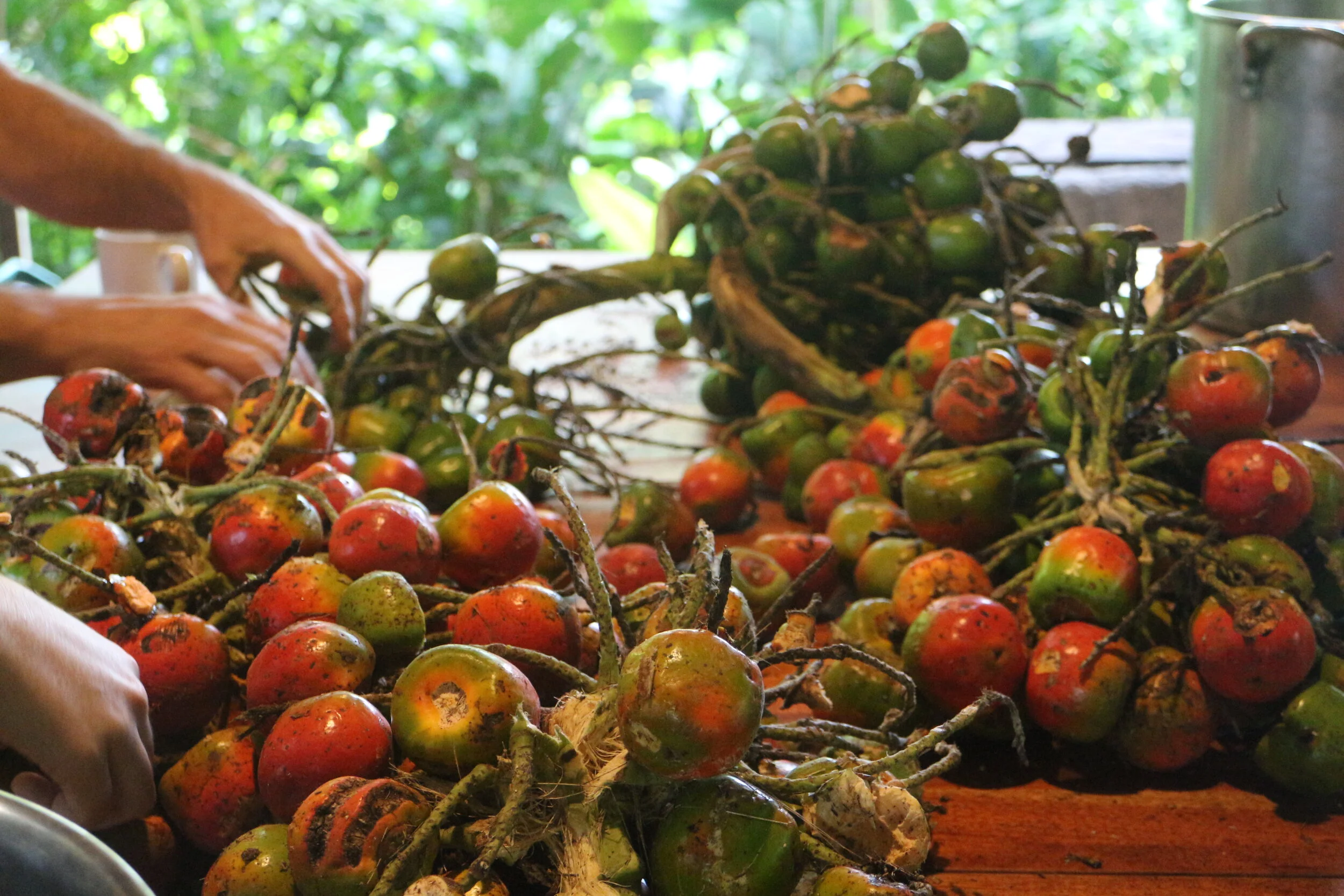
Like cacao, these trees produce a fruit filled with delicious pulp and seeds and have proven to be amazing additions to our culinary experiments. These pre-Colombian species are still grown on a relatively small scale and have retained significant genetic diversity. They provide hope for a more diverse tropical forest system and chocolate industry.

If you are able to start to restructure your thoughts around this concept, you might be begin to reach into an entirely new depth of herbs. In many other systems of healing around the world, a variety of herbs are used mildly and habitually to ensure a lifetime of health and longevity.

Ok, now everyone is confused. But please hang on a second and I will show you how compost piles, often considered to be smelly mosquito havens and high cuisine flavour profiles can live alongside each other.
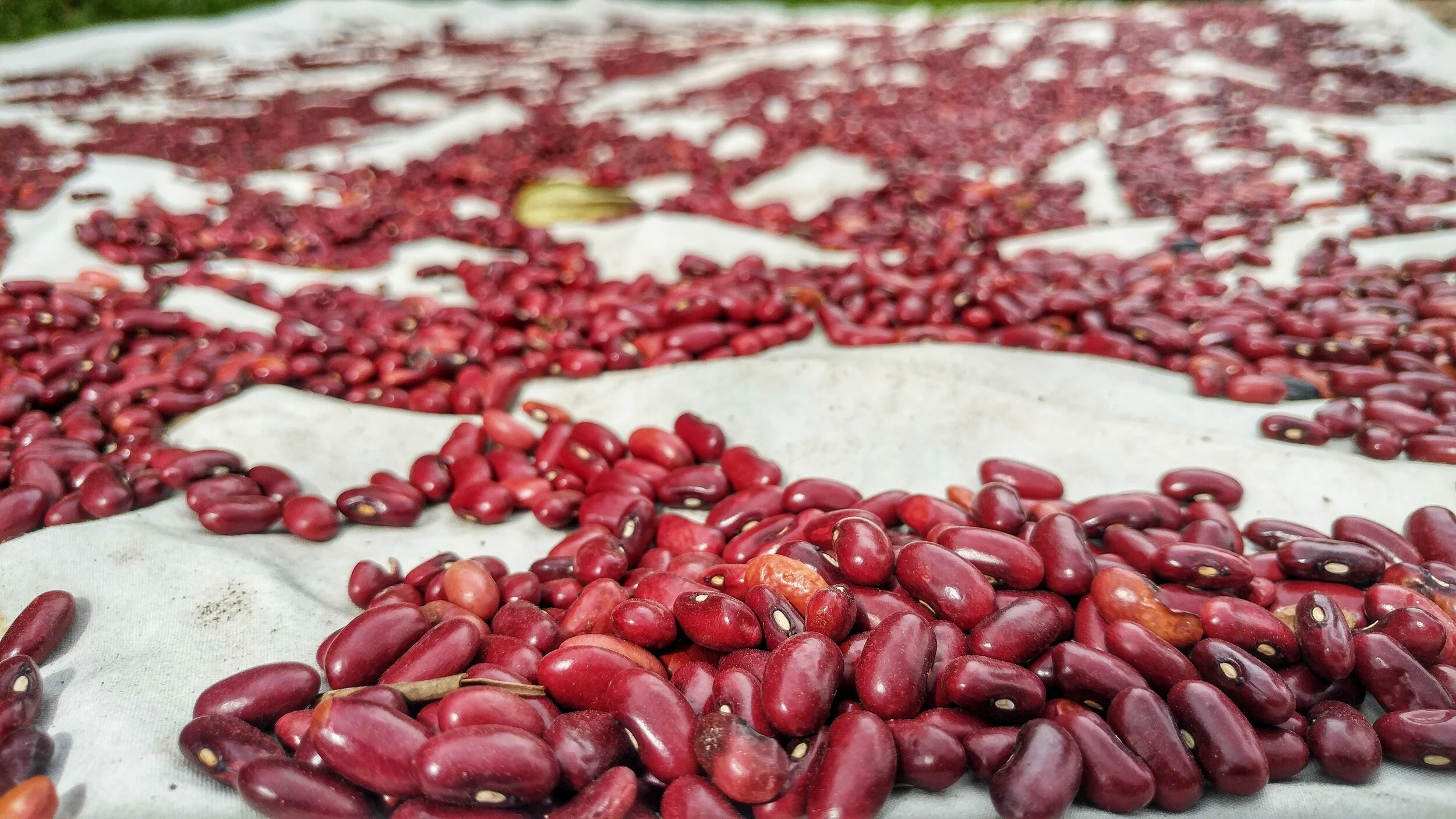
Although we love our traditional uses, we also like to get creative. A few weeks ago we decided to start experimenting with fermented black beans, inspired by our love of fermentation and quest for a homemade hoisin sauce. Yumm!

Fruit alcohol, or what we like to call hooch, is a great way to use an abundance of seasonal fruit and transform it into a tasty alcoholic treat. With a community of 15 plus people here, we can drink a fair amount of alcohol, and being able to make it ourselves allows us to know the ingredients, process, who is benefiting from it, and save a lot of money!
Fruits and vegetables have not always existed in the way we know them today. Farmers, the agriculture industry, and plant scientists have taken native plants and reshaped them into the crops we now consume in our daily diets. This has happened over time for a variety of reasons. In some cases it was to improve their palatability, in others to make them easier to grow, harvest, or eat. For better or for worse, the produce we grow in our home gardens or purchase at farmer’s markets, grocery stores, and CSA boxes have developed alongside us for centuries.

You can make fruit vinegars from all kinds of different local, seasonal fruits. Using the scraps from the fruits (i.e. the peel and extra bits) is a way to value the marginal (permaculture principle) and turn a “waste” product into something of purpose.

Before coming to the Ranch, I only knew of kefir as a tasty, sour, probiotic milk product - almost like a liquid yogurt. I loved it, and knew of it’s health benefits, but didn’t think kefir could be anything more. Turns out, kefir can refer to both milk kefir, the product I’ve known and seen in grocery stores, and water kefir, a delicious fermented soda and a staple for us here at Rancho.

Fasting is one of the strongest cleansing and healing natural methods existing. It has been used since ancient times in many cultures and religions either as a medicine or for spiritual reasons.
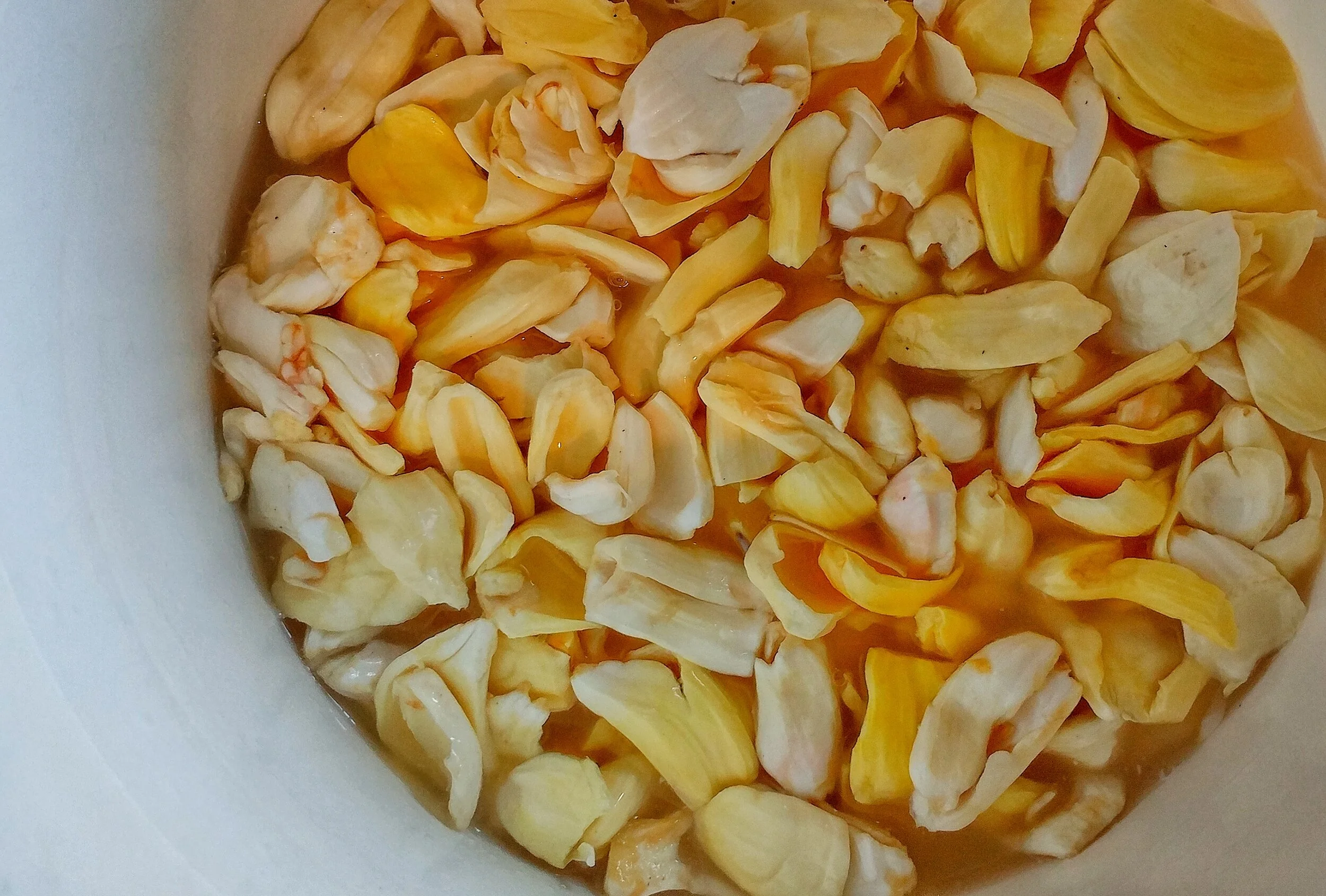
What would a traditional Korean Barbecue be without kimchi, your scrambled eggs without Tabasco and a hot, sunny afternoon without a fresh pickle? Lacto-ferments are around us every day. Often they are made into dishes that we don’t even consider as fermented.

It wasn’t long into my apprenticeship that Robin handed me a piece of a chocolate bonbon, made with raw cacao picked from the farm down the road, that I experienced something like awe; and that in the old sense of both amazement and terror. This is what chocolate is supposed to taste like?

When cooking over a fire, I often imagine that I am a witch brewing a potion. As I stirred with a big wooden spoon, the cinnamon began to sizzle, wafting its wondrous fragrance into the air and taking me to another place.
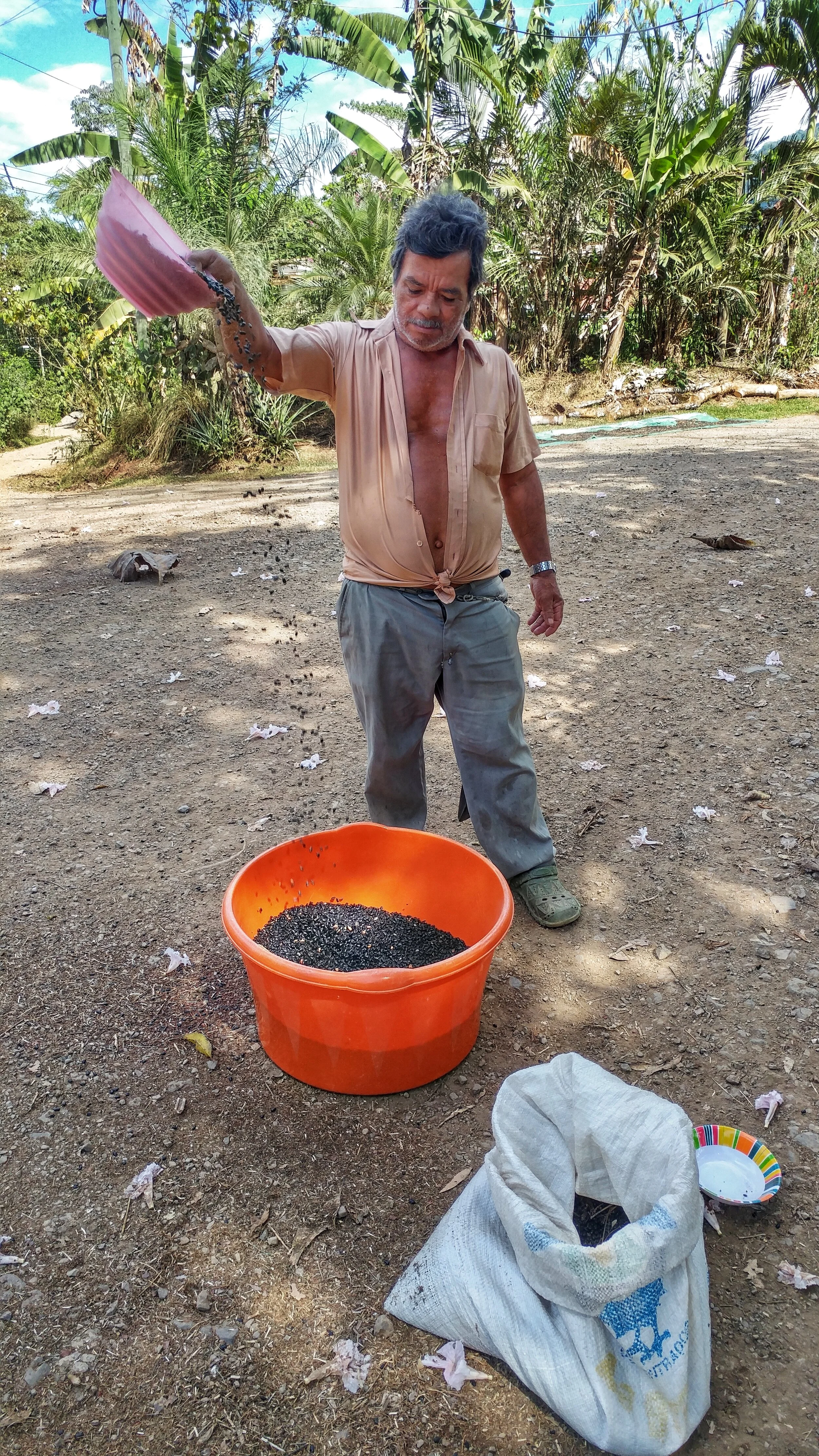
Food nourishes us and forms the heart of our community. Understanding where it comes from, how it is grown, and who has grown it helps us value our food in a way that we have lost in the modern era. We can get overwhelmed by the challenges of the modern world and food can provide us with some of the easiest and most accessible ways that we can begin to regenerate our planet.

Being a permaculture and sustainable education centre, we try to source as many of our ingredients either directly from the farm itself, or from the local community. Some parts of the pizza are easy to source locally, others not so much. This has come to pose a few challenges at times, and often we make some compromises for the sake of indulgence.

Bamboo is of huge economic value and is not only used in the building industry, but it can be used also for eating (more on this later!), as a cooking device, burnt for charcoal, woven into a fabric, made into paper, used as a musical instruments, and much more!!

Being in Latin America, rice and beans are a part of almost every meal. They make up a huge portion of many people’s diets across the globe. While I love a good Gallo Pinto, I think flatbreads and breads are better vehicles for my condiment consumption!
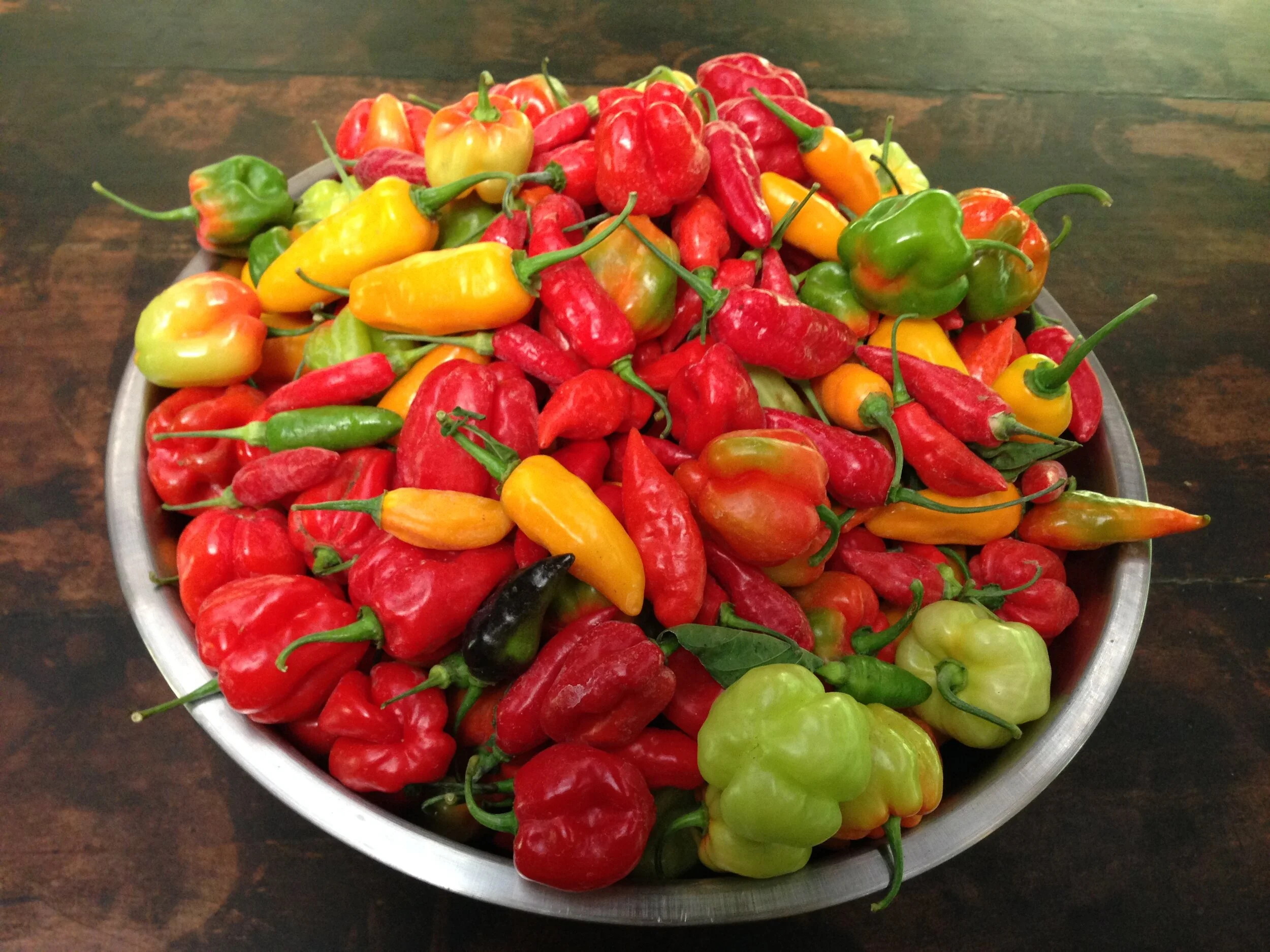
What do you do with all those chiles?!

Farm to table is an inspiring movement whose time has come. As anxiety about our environment and health increases, awareness is spreading about the impact our diet has on not just own well-being, but the well-being and future of the entire planet. Alarms are going off worldwide. Our eyes are opening. People everywhere are waking up. We’re waking up… and eating breakfast.
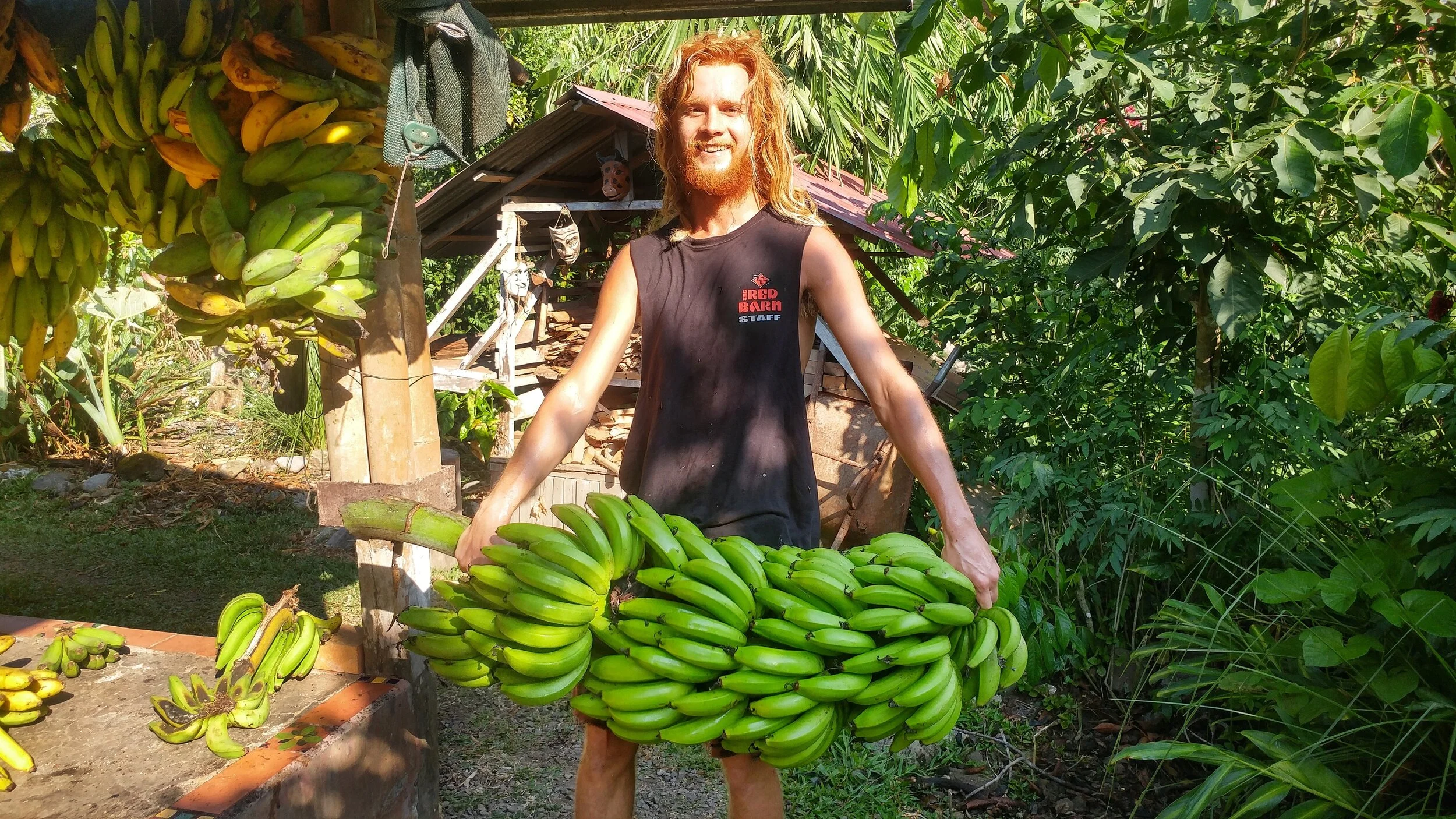
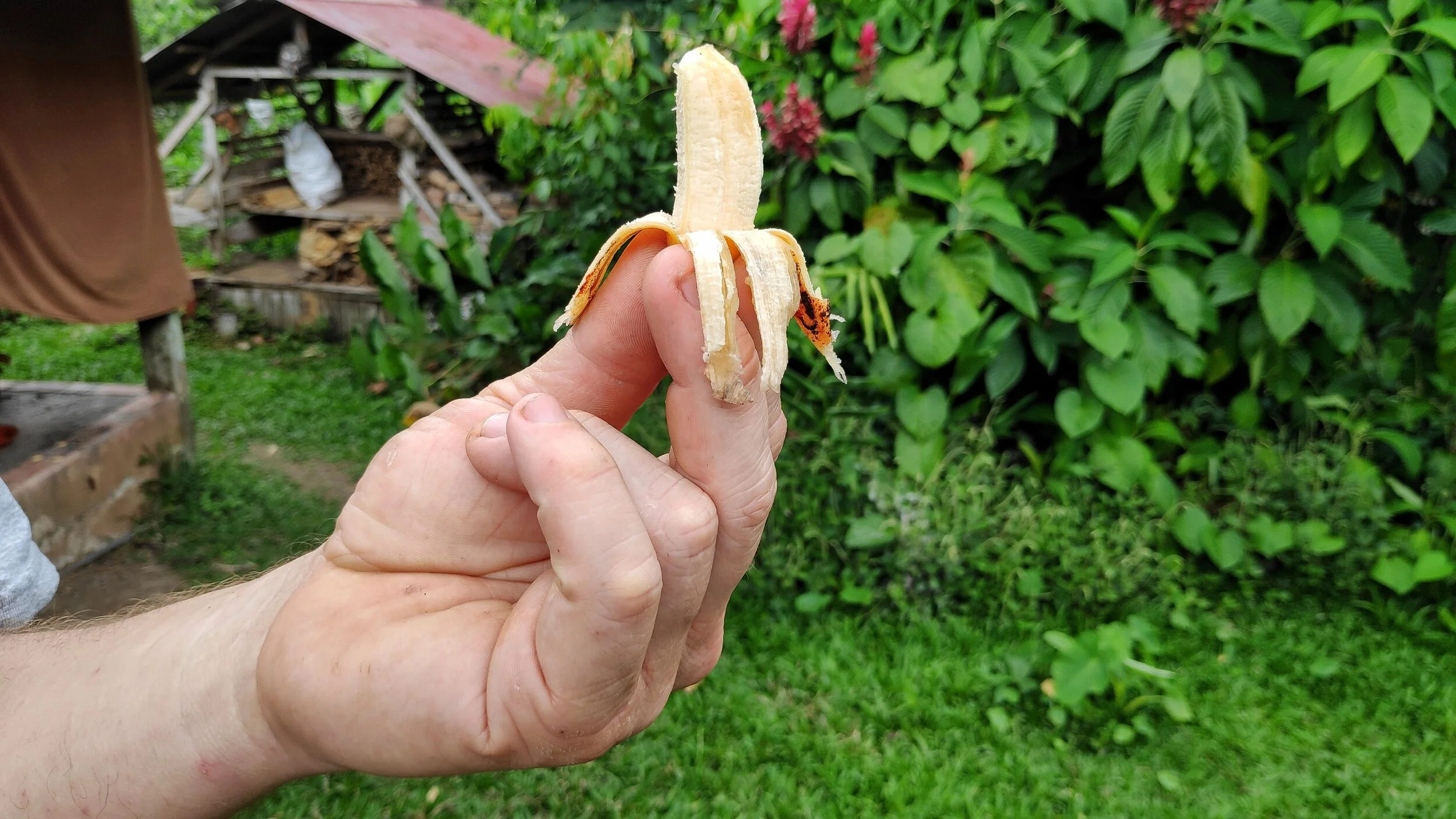
I know, it sounds like a weird flavour combo. Sour banana? Whaaat? But it works and it’s tasty. This recipe is a very accessible way of doing farm to table whilst utilizing and transforming “waste” into something productive and delicious – permaculture 101.

Vanilla is the second most expensive spice in the world. Being sold between $600-1200 per kilo, that is more expensive than silver!
What makes it so precious?

The craft brewing movement has migrated to Central America and the Caribbean. A growing number of small scale artisanal producers are building on the American Craft Brewing tradition by incorporating local spices and fruits into traditionally brewed ales. To distinguish themselves, from their temperate counterparts, they are adding a tropical flare and creating innovative flavor combinations

Dairy Kefir is so interesting to me because it embodies stacking functions - like alchemy, it's possible for 1+1 to equal 4. Milk, grains (scoby) and a days time and voila, you have a delicious base product better than the milk you started with. It's now lightly carbonated, stable in the fridge, resistant to microbial incursion, lower in lactose, tangy, creamy, probiotic and great for your gut.
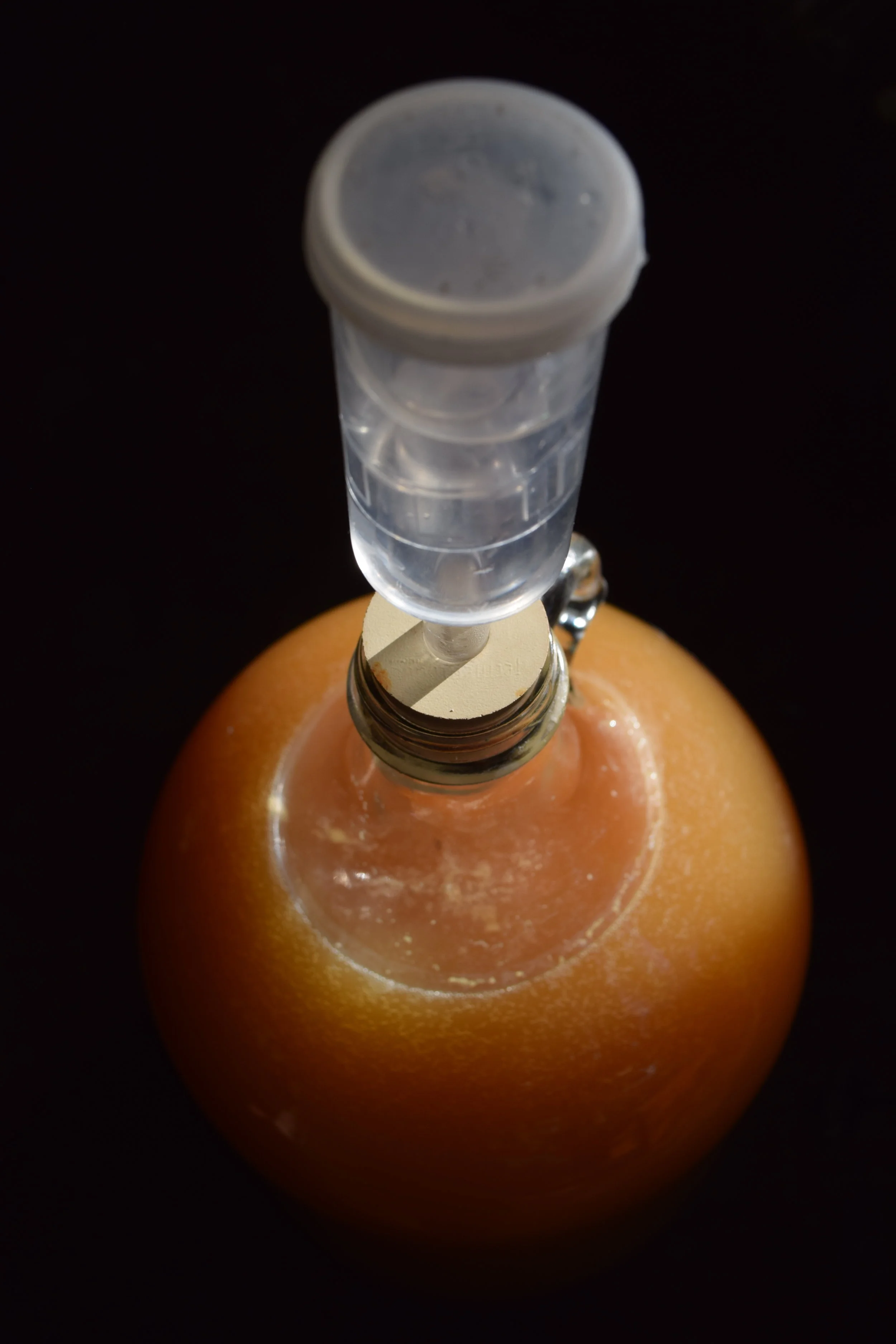
Hooch is a homemade alcoholic beverage and in this blog I’m going to explain how to make it.
For thousands of years humans have been fermenting for recreational, spiritual and medicinal uses. Fermentation allowed humans to store and use ingredients they’d harvested later in the year. Although hooch is an alcoholic beverage, it can also be brewed for medicinal purposes.
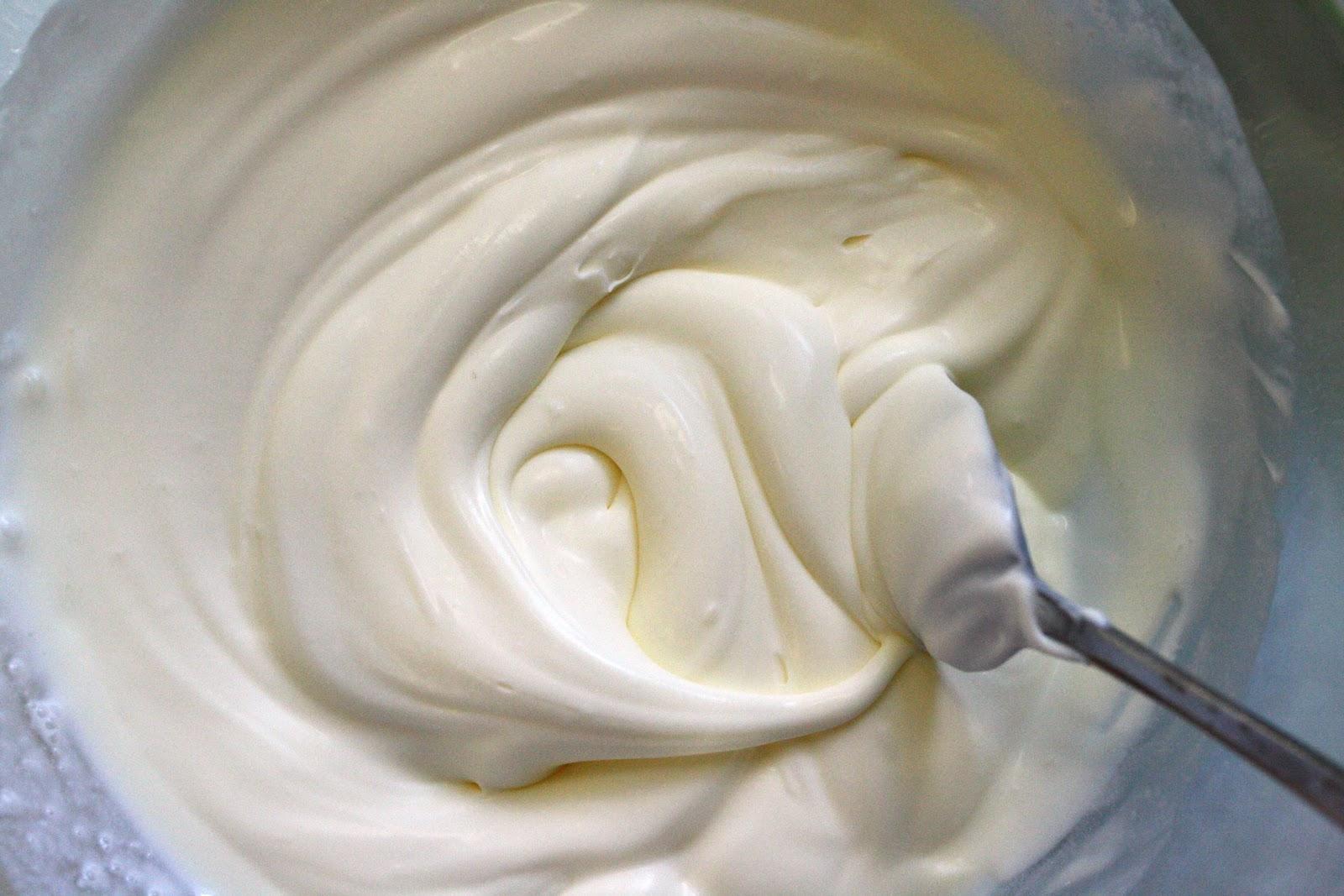
Welcome back, it's Ryan again!
In our last conversation I shared a little about dairy kefir; the history, chemistry and process for making it. This time we'll talk about an exceptional use of dairy kefir - making banana kefir creme fraiche!
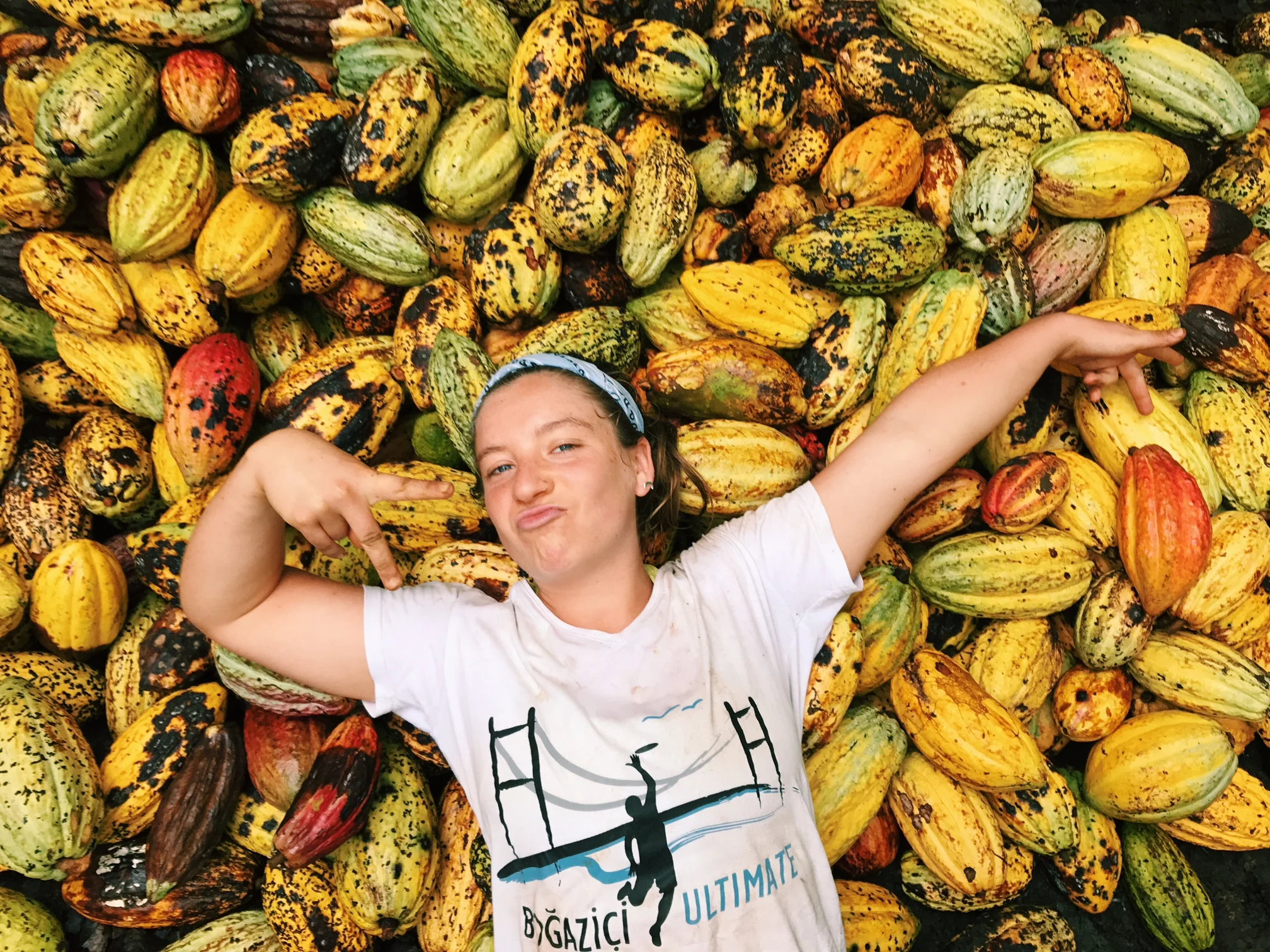
Living in the tropics I found myself surrounded by cocoa trees, which was something you’d dream about as a kid. “Chocolate trees” But like so many things we’re used to consuming we don’t have the knowledge of how to process a raw material into something we can use, within the society we live convenience has removed us from the source. A simple act of making something gives us a connection to our environment.

My name is Ryan and I'm part of the apprentice team at Rancho Mastatal for 2019. I've been navigating my lactose-intolerance since I was a child and gluten-intolerance since I identified it approximately five years ago. In this and the following installments of Dairy Diaries. I'll be exploring dairy kefir, in my personal effort to find ways to make dairy products I enjoy healthier, more digestible and more delicious.

Cuisine is diet that's unique to a physical place and a human cultural group. We can taste the patterns of modern cuisine in the melding of characteristic ingredients into characteristic forms. Wheat noodles with tomato sauce points us in the direction of Italy. Fermented spiced cabbage leads us to Korean kimchi.
Do I need more sugar? More acidic fruit? How do I get more pectin? What even is pectin? This blog will answer all your questions—and more—to help you obtain some beefier jams.