

Communal Living

Just as strong buildings require a solid foundation to build upon, successful dynamics are also supported by invisible structures, or mutual understanding of needs, roles and beliefs.
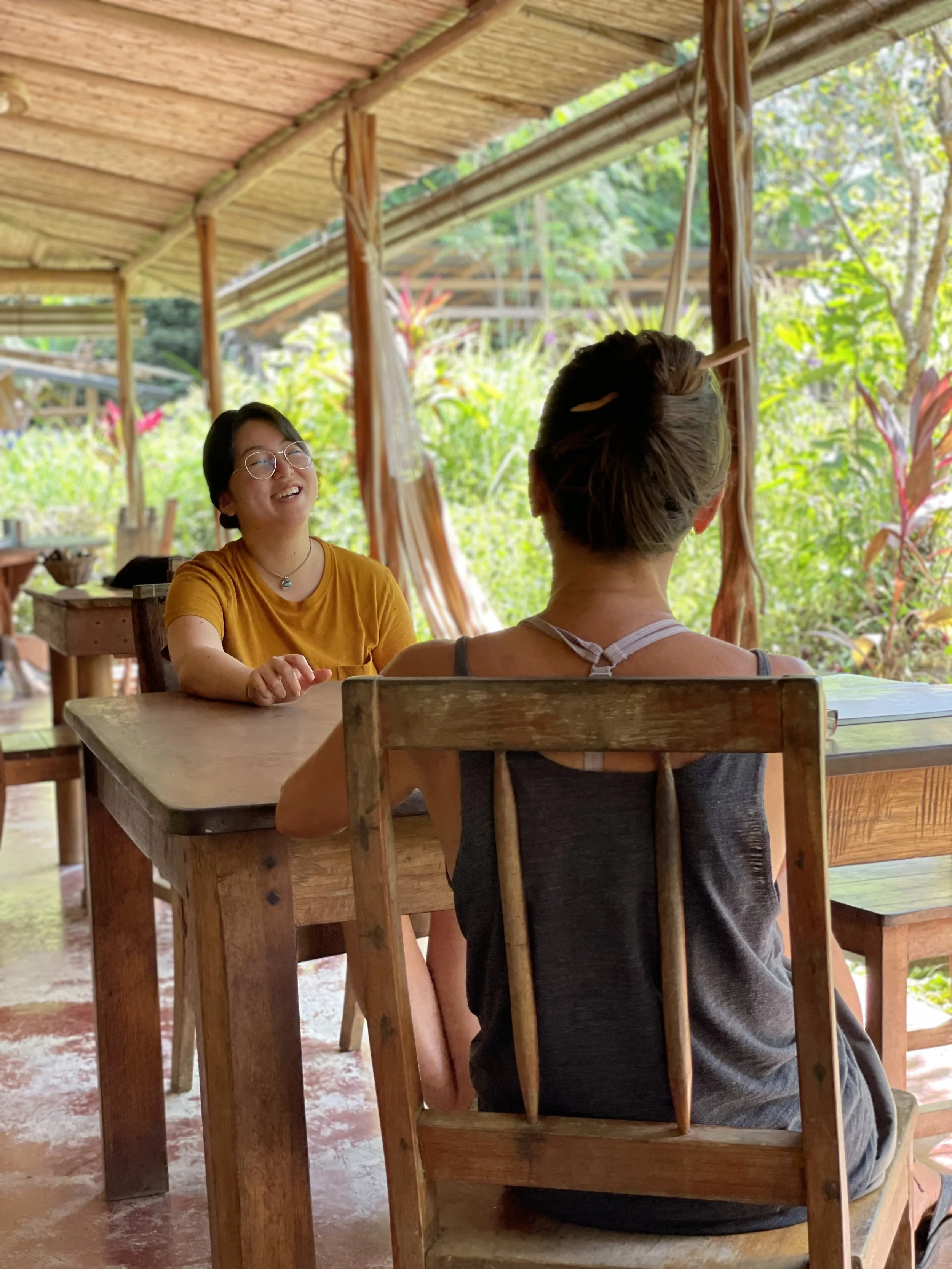
Here at the Ranch we are usually 13 people living and working together in community. Healthy communication is something we actively practice. Conflicts, disagreements and misunderstandings inevitably arise in our setting. How do we navigate these sometimes treacherous waters so that everyone's needs are met?

The people part of our work is arguably the trickiest. Even though it takes experience, know-how and intelligence to design and install orchards, build buildings, and manage water, I’d say that they all pale in comparison to the work that’s required to create a holistic and healthy human environment in which to live.

I’ve come to understand that although we all start from different places in life with a diversity of opportunities, we tend to have common pitfalls which lead us towards ill health and/or expression of pain.
The most transformational aspect of this experience, hands down, is the intensity of self-reflection and personal growth that is a natural biproduct of our new social living conditions.

After more than 20 years, we have been able to identify some trends that have led to our survival as a business and a community. The following advice is appropriate, and perhaps some of it even necessary, if you expect to live successfully in a communal work and living environment doing land-based work.

Rootedness can create compassion and understanding for the place where we are, know, and love. I have seen the benefits firsthand from some of amazing people that were born in Mastatal and continue to call this place home. They anchor the business and environmental communities here.

A grand year is made up of many aspects, mundane and beautiful. Things expected and shocking are sure to come. It is most of what I (we!) can do to approach it with grace, and let come what may.
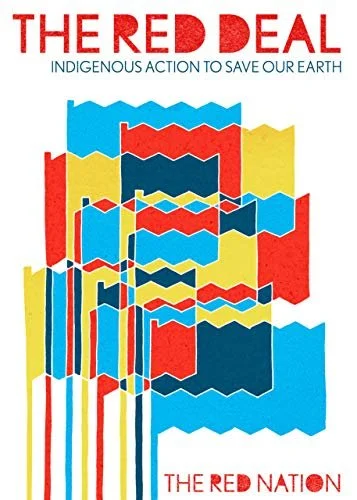
Due to the unique circumstances of the past two plus years, I never seemed to find the time to write what I hoped would be a yearly blog on the books that I read. The two times that I’ve done this in the past we were stateside visiting family, with a bit more time to dedicate to catching up on what seems to be an ever growing list of “books to read”.
Once you begin to think about it, the way we spend our “free time” will define the sustainability of the entire system.
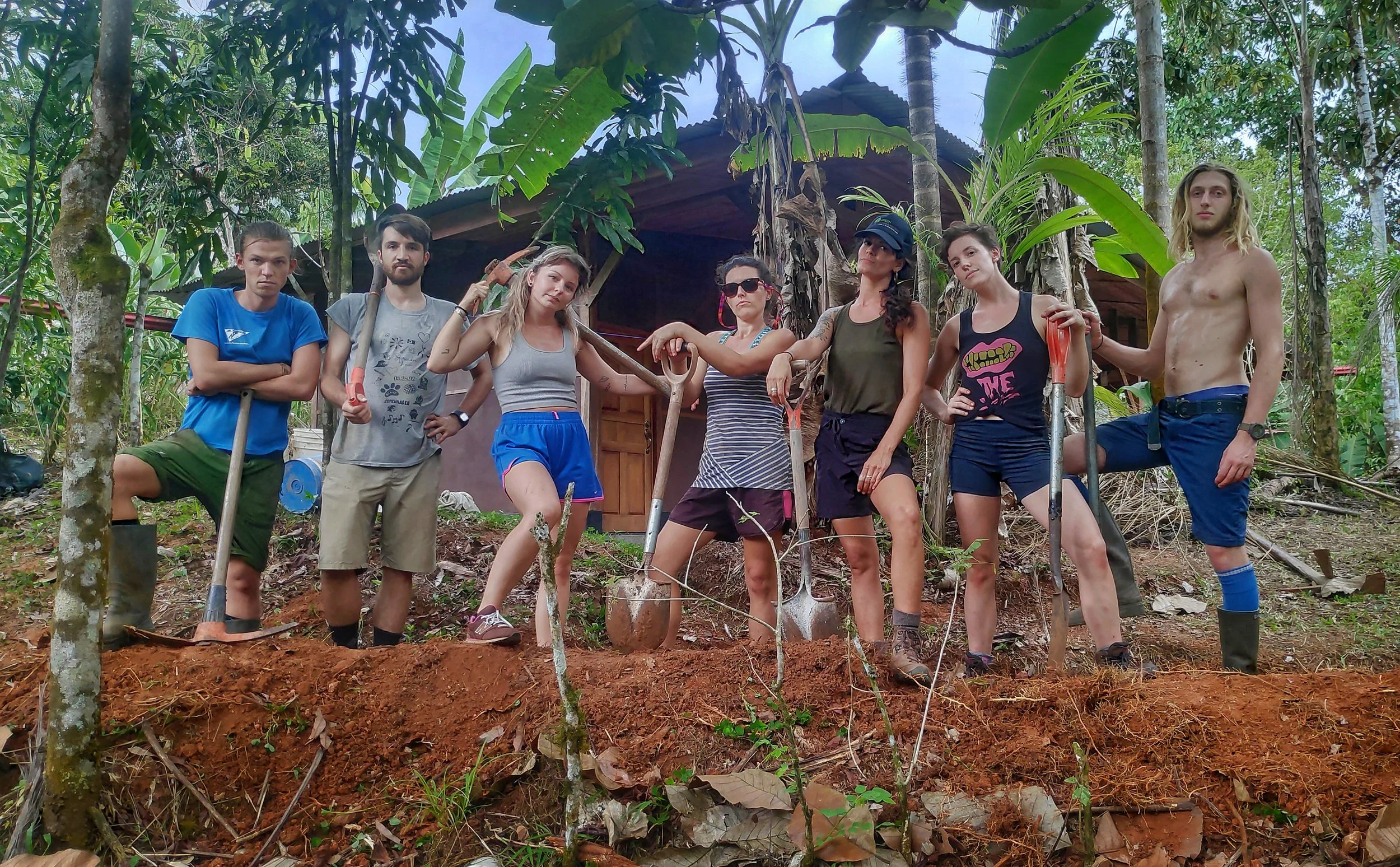
Every year, Rancho Mastatal offers a year long apprenticeship and a 2 month long internship for people interested in taking a deep dive into agroforestry, natural building, and farm to table food preparation while living in community.
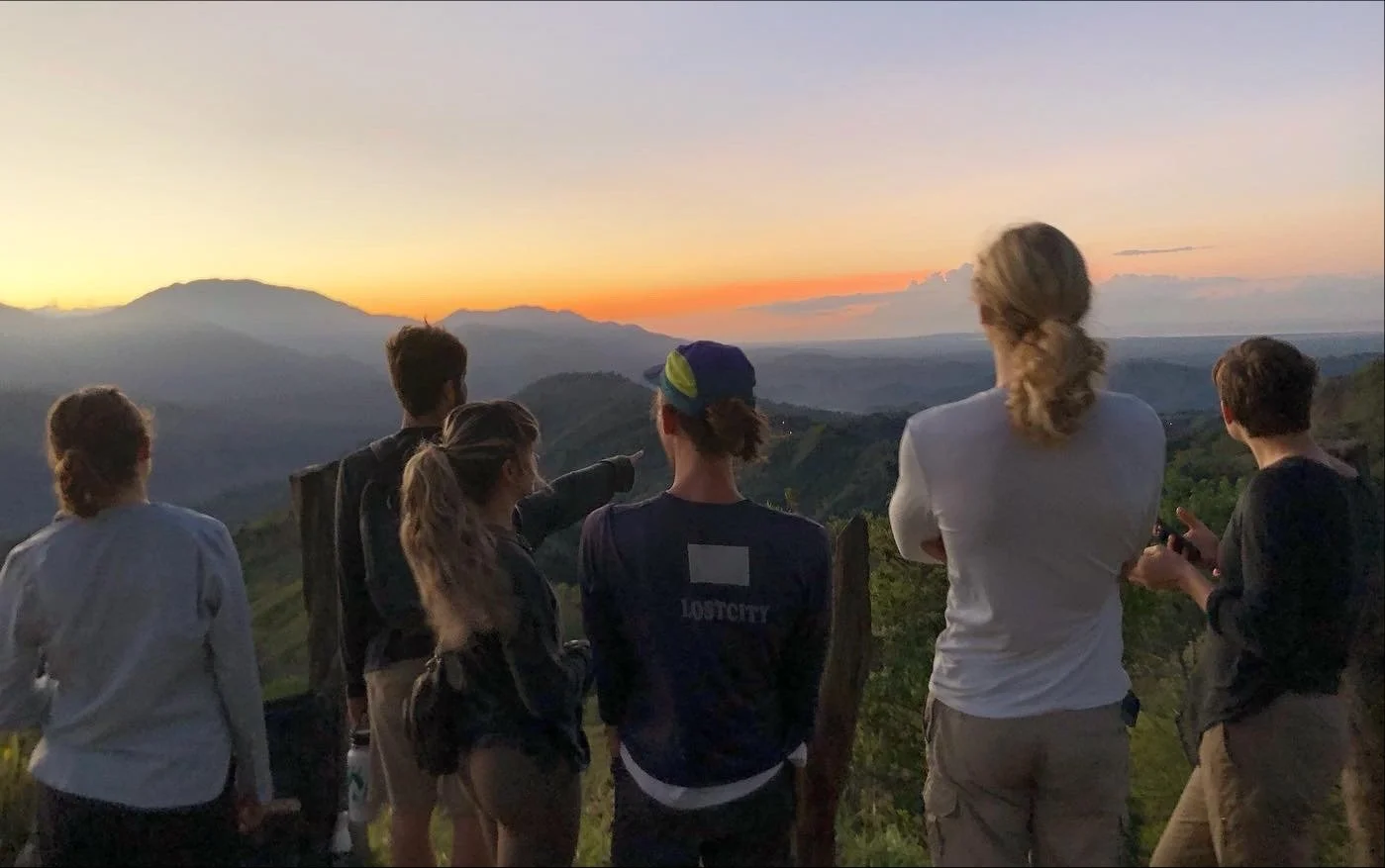
But although Pura Vida certainly alludes to living a healthy, and “pure” life, I soon learned of a more nuanced translation, something closer to “that’s pure life” or “it is what it is”.
Every day was a very present reminder that this physical barrier has created a deep division in how we perceive and interact with each other.

"Sustainable community must be based on sustainable relationships- relationships that give more than they take- that nourish, enliven & inspire us."

Arriving in the jungle was quite a shock, especially when they called the time of year of our arrival the “dry season”. Moisture seemed to pervade every orifice. Sometimes that was a good thing, but mostly I’d argue that it was not. Still, the vegetation thrived, as did the bacterial and yeast colonies that fill every niche of life in this ecosytem. As apprentices we learn how to wield these little microscopic buggers for our own benefit in a process colloquially known as “fermentation”.

Developing the physical infrastructure of our campus gets me up every morning. I don't need coffee nor an alarm clock; I'm just excited to keep building. Building the orchards and earthworks, furniture for my home, a better feeder for our chickens; these are the projects that rev my permaculture engine. They are concrete, you can see the results of your physical labor immediately, and they are often the first projects of burgeoning permaculture sites. It requires little effort to dedicate the time, space, resources and money to these projects. Yet their impact on the success of a project, despite all this dedication, pales in comparison to another type of infrastructure; the invisible infrastructure.

The sun rises in Mastatal around 5:30 am, and with the light comes a symphony of sound. Buzzing, chirping, and humming act as constant and steady instruments to the jungle orchestra. Every morning without fail they fill the Hankey with music. In the comfort of my bed, I can hear the roosters crowing and a chorus of bird songs. This natural symphony signals the dawn of a new day. But recently many of the residents of Rancho Mastatal have been unable to hear this daily symphony. Tropical ear has literally blocked the music of the jungle.
After completing a Permaculture Design Course (PDC), natural building workshop, or any other educational opportunities at a place like Rancho Mastatal, many students find themselves wondering how to turn their newfound knowledge and passion into a career. This transition from student to professional is a common challenge in the permaculture world.