

Tropical Agriculture
Learning how to prepare these ferments will not only add macronutrients to your soil system but will increase the bioavailability of preexisting nutrients in your soil. Gardening really boils down to being a soil steward, which basically means we’re ranching microorganisms.

The risks of cultivating this species are beautifully contrasted by the enjoyment and health benefits of the fruit it produces.


A nitrogen fixing plant is a common term used to describe plants that have symbiotic relationship with microorganisms on their root nodules that allow them to fix nitrogen. These are the top ones we use here at the Rancho.

Even though growing shiitake in bags of synthetic logs is more common due to labor and material costs for bigger scale production, we decided to go for the traditional natural log cultivation, as it has been grown for thousands of years. So if you’re thinking about starting mushroom cultivation, here are a few tips on how to do it:

They are funny looking, absolutely delicious and have so many gifts – here’s why everyone should go bananas for the banana.

In permaculture and agroforestry circles it’s common to hear the idea that we’re not growing plants so much as we’re cultivating rich, healthy soils in which plants will do their own growing.
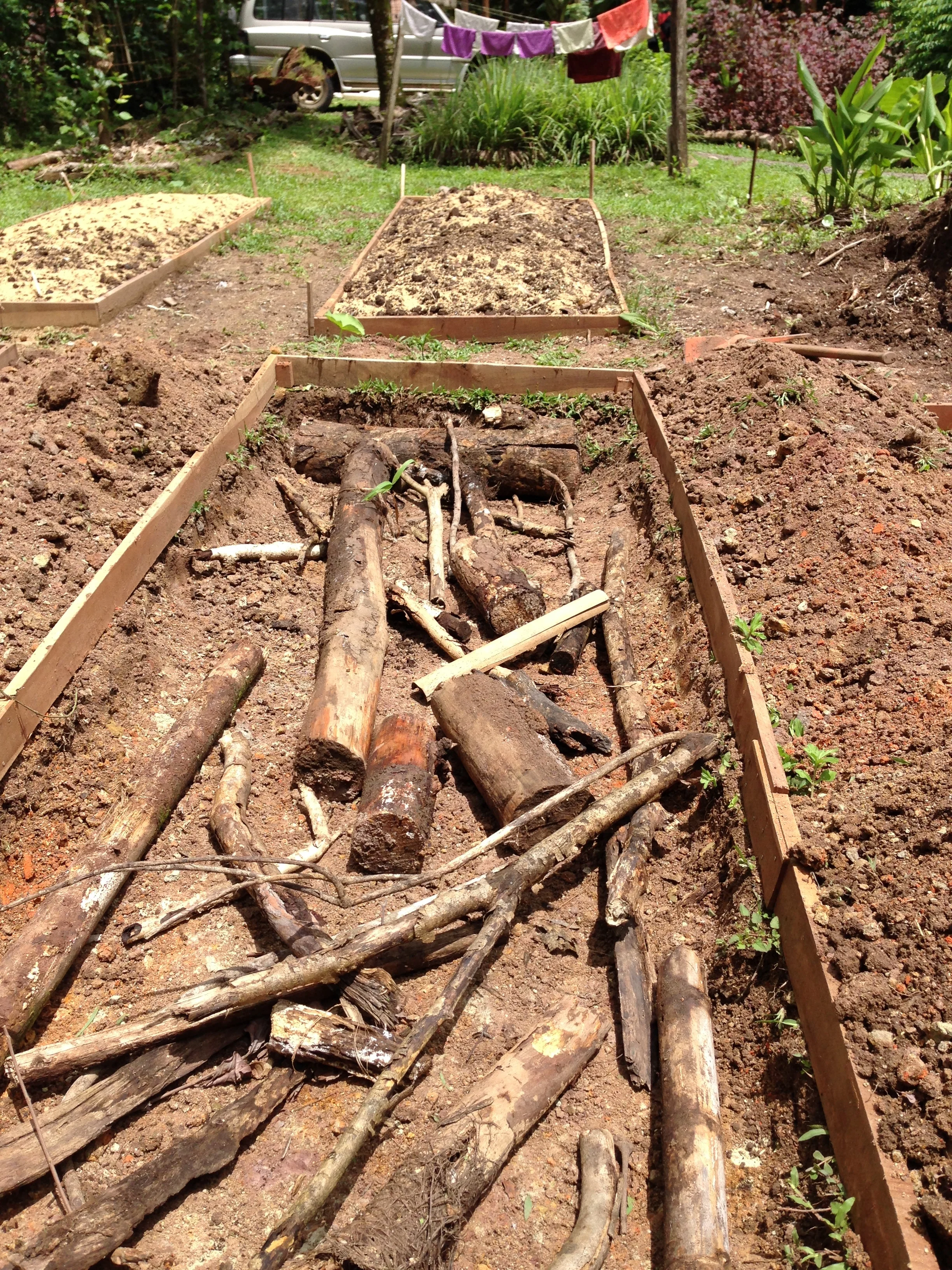
Hugelkultur means hill or mound in German combined with culture. It has been practiced in Europe for hundreds of years. Hugelkultur is a simple agricultural practice that doesn’t take much to set up and provides numerous benefits.

Here at the Ranch the year long apprentices have various roles and functions that support the Ranch community. By taking on responsibilities and managing certain areas we the chance to learn and experience those areas on a deeper level . Part of the educational model created by the ranch team is a monthly rotation of these so called life skills. Each apprentice transitions their life skill to the next apprentice, passing on all of the relevant information to their colleague in order to complete the various tasks associated with each life skill.
When the rainy season arrived, it started with a sense of relief - dry season went on longer than expected and our trees and plants were scorching in the heat. For myself the cooler air was welcome comfort, and the rains a reminder of home and getting cozy. Mornings were beautiful with the sight of the sun rising through the dewy mist.

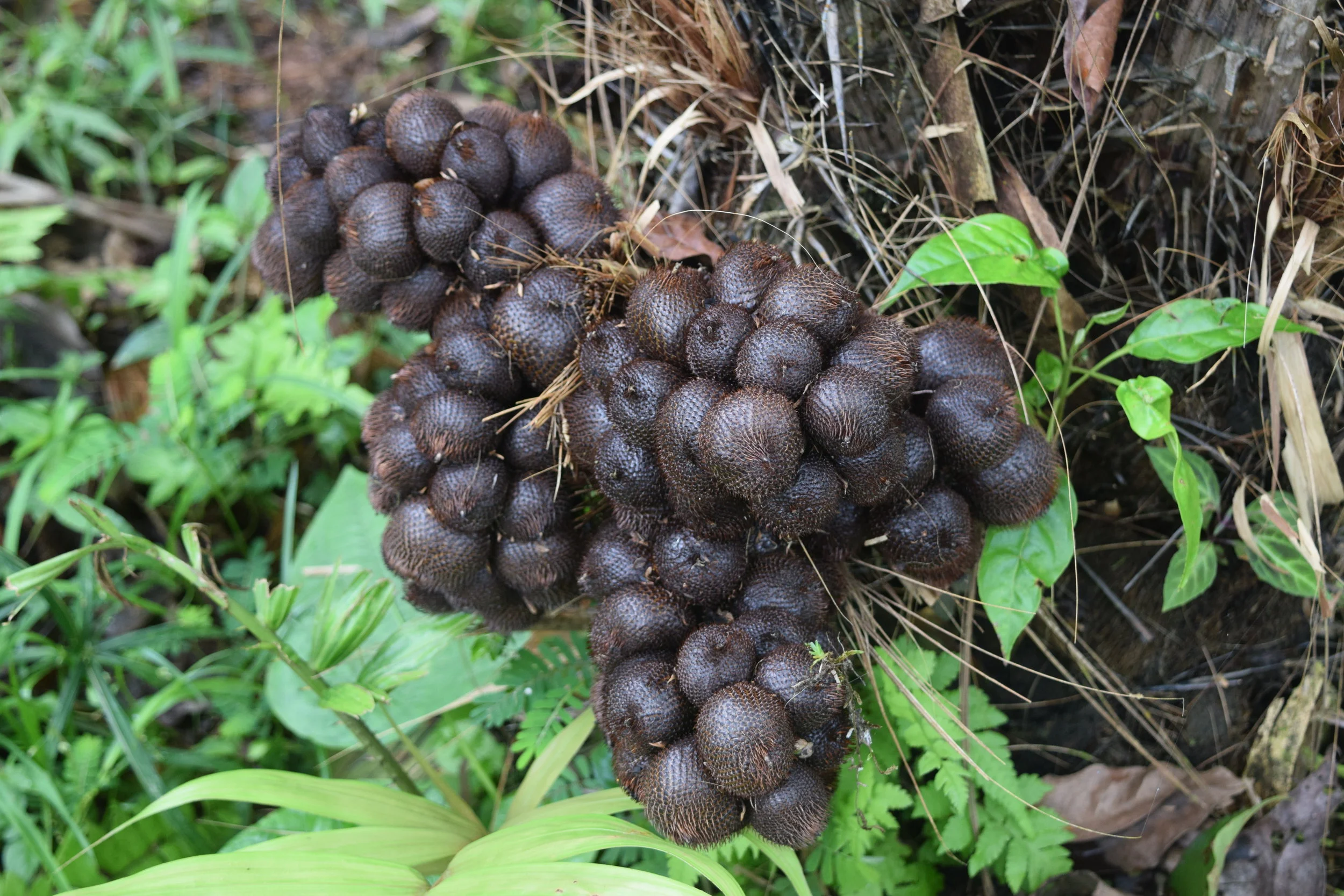
As apprentices at Rancho Mastatal, we take on a Plant Skill, where we each are responsible for a plant variety in our agroforestry system. When we began as apprentices many of us wanted to avoid the Salak palm, as it has splinter inducing spikes throughout the stem and leaves. Following my intention to dive into challenges this year, I decided to take being caretaker of the prickliest palm on the Ranch.

The need to cultivate a “living soil” that is full of microbes is something I hear frequently in the organic farming and permaculture world. As an apprentice at Rancho Mastatal this year, I have the unique opportunity to look further into the universe of these small and unseen allies. A way into this world was through the Ranch’s process of making organic fertilizer, one that harvests and inoculates the soil with Mountain Microorganisms (MM). This is similar to compost tea, where we create a fermented fertilizer with microorganisms such as manure.

Ever have a challenging time finding your favorite plant in Costa Rica? Or wonder where to get supplies for a new greenhouse? What about organic pesticides? After nearly a decade working in country, our team has compiled a comprehensive list of nurseries, seed banks, botanical gardens, and farm/garden suppliers.
This article was originally published at the Porvenir Design blog.
Salak palm or snake fruit (Salacca edulis or Salacca zalacca) is a high value understory species for tropical agroforestry plantings. Salak palm is native to southeast Asia, where it is commercially cultivated in Indonesia, Malaysia, and Java, in their wet tropical lowland climates. At higher elevations the "Bali" variety can be grown. It produces a delicious fruit, eaten out of hand, with a taste similar to strawberry with an apple-like texture. The fruit transports well and can be stored at room temperature for a week with little degradation in quality.

You’ve just purchased your dream property in tropical Costa Rica. You want to grow your own food. You are anxious to get to work now, have bought some plants from a nursery you randomly drove by, and have a shovel in hand, but...where to start?
Most of our clients fall on either side of a spectrum of project implementation. Either they experience paralysis by analysis, overthinking every step, their confidence slowly eroding, or they dive in head first without any planning. Either way they hire our team at Porvenir Design to bring them to the middle. How can we take our time and plan while simultaneously moving forward with the energy and confidence that is required to see a project to completion?
This post was originally published by the ECHO Community newsletter and was reposted from the Porvenir Design blog.
The tropical forest is constantly self-mulching. After a walk in the woods I usually return with bits of leaves and twigs caught in my hair. Lying in bed at night, my partner and I often hear branches and even whole trees tumbling toward the great soil food web below.

Organic gardeners and farmers understand the need to cultivate and protect soil microorganism life. The strategies to do this involve mulching, composting, and avoiding soil disturbance as much as possible. We know that these strategies, in addition to many others, encourage a healthy soil-food-web.
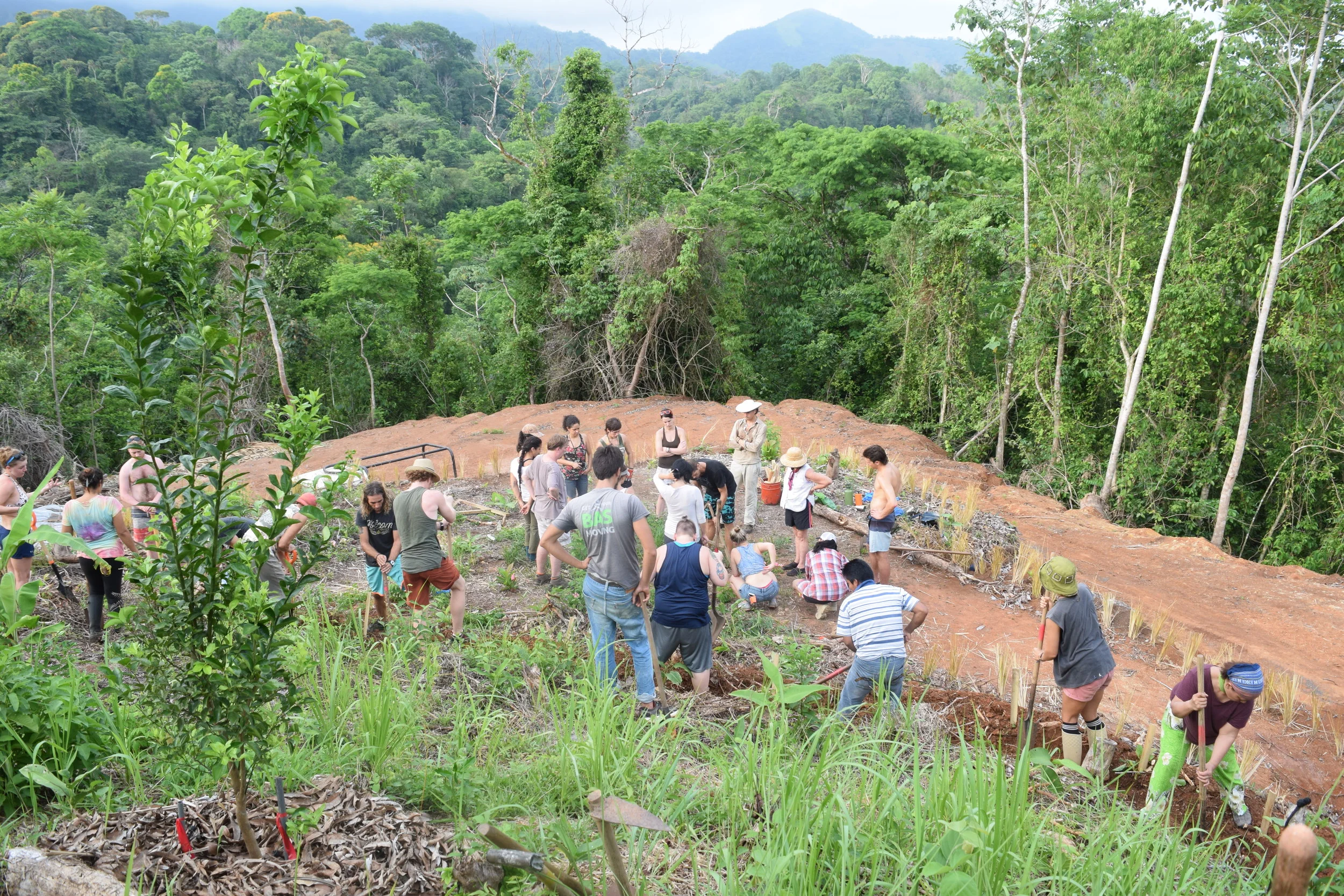
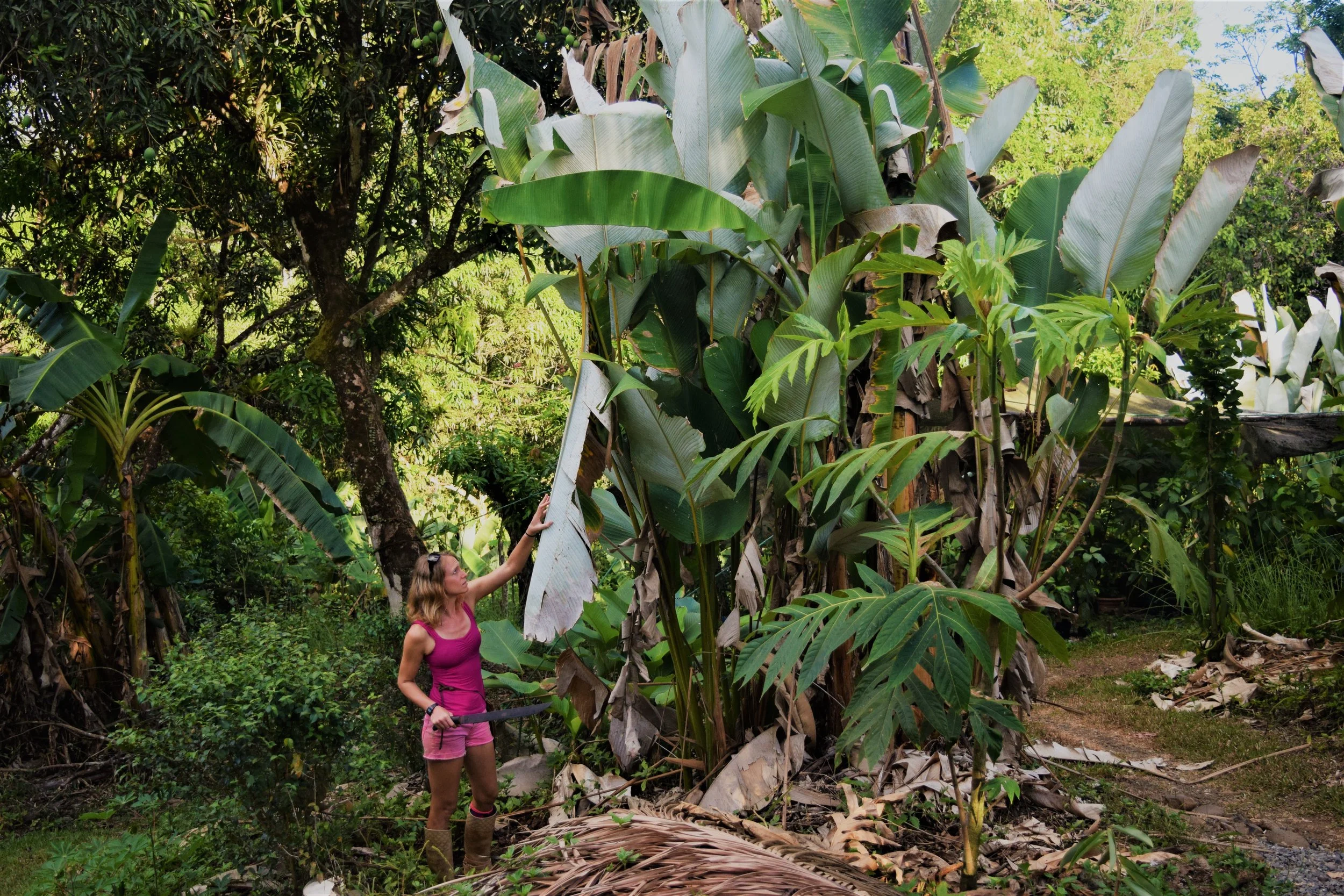
When you visit the Ranch you will not find rows of squash, tomatoes and carrots as you might associate with a temperate climate organic farm. You won't find deep layers of topsoil. You won't find tractors and their associated implements. What you will find is an agriculture that blends pleasantly into the forest. To the untrained eye it may even be challenging to tell where the forest begins and the farm ends. This is because our agriculture is based on the ecology of the place we live. And we live in a tropical monsoon forest. Our agricultural practices, often cited as agroforestry or food forests in the permaculture jargon, mimic the forest around us.

Soil, the ever fascinating topic to any garden guru or green thumb. Here at the Ranch it's all about topsoil, which is basically non-existent. The little soil that is present has a high clay content making it particularly susceptible to compaction. It is also highly acidic. The combination of the two means that without any additives it would be challenging to grow anything at all. So we've devised a number of methods to build up the topsoil, break up the clay and raise the pH throughout our orchard and garden spaces. These methods can be used anywhere in the world to improve your soil.
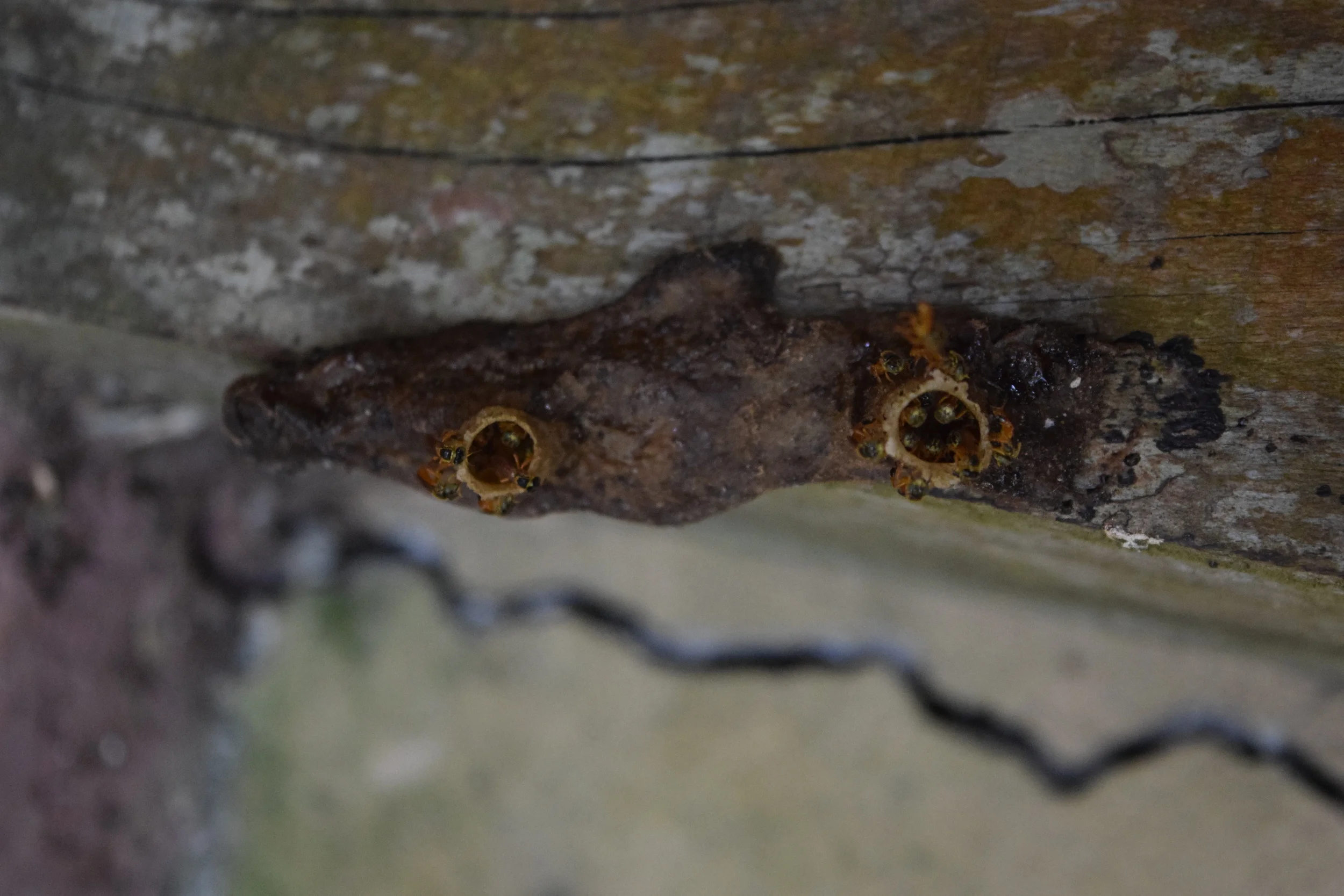
We took a handsaw and a chisel to the football field the other day. Not the most common tools, but exactly what we needed for the beekeeping job. Nestled up in the bamboo of the field shed,a low hum of busy bodies was stirring our curiosity: little bees. They have been living in that hive for quite some time, but on that day, the bees were on their way to a new home. I looked onward smugly as Esteban sawed out a piece of the public structure, because nobody in the back country of Costa Rica is going to stop you for something like that. Does it make us vandals? We jokingly called Esteban Winnie, for the Pooh Bear style honey thievery that we were getting into.
Syntropic agriculture is based on seeing evolutionary processes as driven by cooperation among members of the living system in a way that benefits the system as a whole. It aims to maximize of diversity and productivity.