

BLOG
Stories, articles, and updates from the Ranch community.
Endeavors to End Propane: Local Fuel Sources and Efficient Cooking Technologies
Cooking food can make it tastier, easier to digest and absorb nutrients, and safer and healthier to eat. Cooking at the Ranch happens multiple times a day, and on some days, pretty continuously throughout the day. We generally have a lot of hungry bellies to fill! Over the decades we have been steadily reducing our use of propane to meet our cooking needs.

Self-made rocket stove at the Ranch
By Tim O’Hara
Ranch Core Team Member
Endeavors to End Propane: Local Fuel Sources and Efficient Cooking Technologies
Cooking food can make it tastier, easier to digest and absorb nutrients, and safer and healthier to eat. Cooking at the Ranch happens multiple times a day, and on some days, pretty continuously throughout the day. We generally have a lot of hungry bellies to fill! Over the decades we have been steadily reducing our use of propane to meet our cooking needs. Propane is a refined product that comes from crude oil or natural gas. The negative environmental impact from its extraction and refinement on communities and the earth are well documented. We have lessened our dependency on this imported product (Costa Rica has few crude oil resources and a moratorium on oil drilling) through the production and use of our own biogas, the utilization of solar cookers, dehydrators, and hay boxes and perhaps most importantly by incorporating efficient wood burning stove technology into our culinary domain.

Our woodshed
Wood is renewable and abundant in and around Mastatal. That’s not to say that wood can’t and isn’t managed poorly in many parts of the world where it is used for cooking. For us, fortunately, we have a plentitude of this resource in a country that does a commendable job of taking care of its timber resources. We have almost limitless supplies of firewood coming from our woodshed, local small-scale bandsaw mills that operate in the region, and our own agroforestry systems.

Common open cook stove
According to the World Health Organization, approximately 3 billion people worldwide still cook using solid fuels such as wood and dung in open fires and on inefficient stoves. Poorly designed stoves and age-old cooking practices can produce high levels of small soot particles and other pollutants that penetrate deep into our lungs. Exposure is particularly high among women who cook indoors and their children resulting in 3.8 million premature deaths a year from pulmonary illnesses. The extensive use of wood for cooking can also contribute severely to deforestation and its associated devastating social and environmental impacts. It can also consume precious and considerable time to gather and haul.
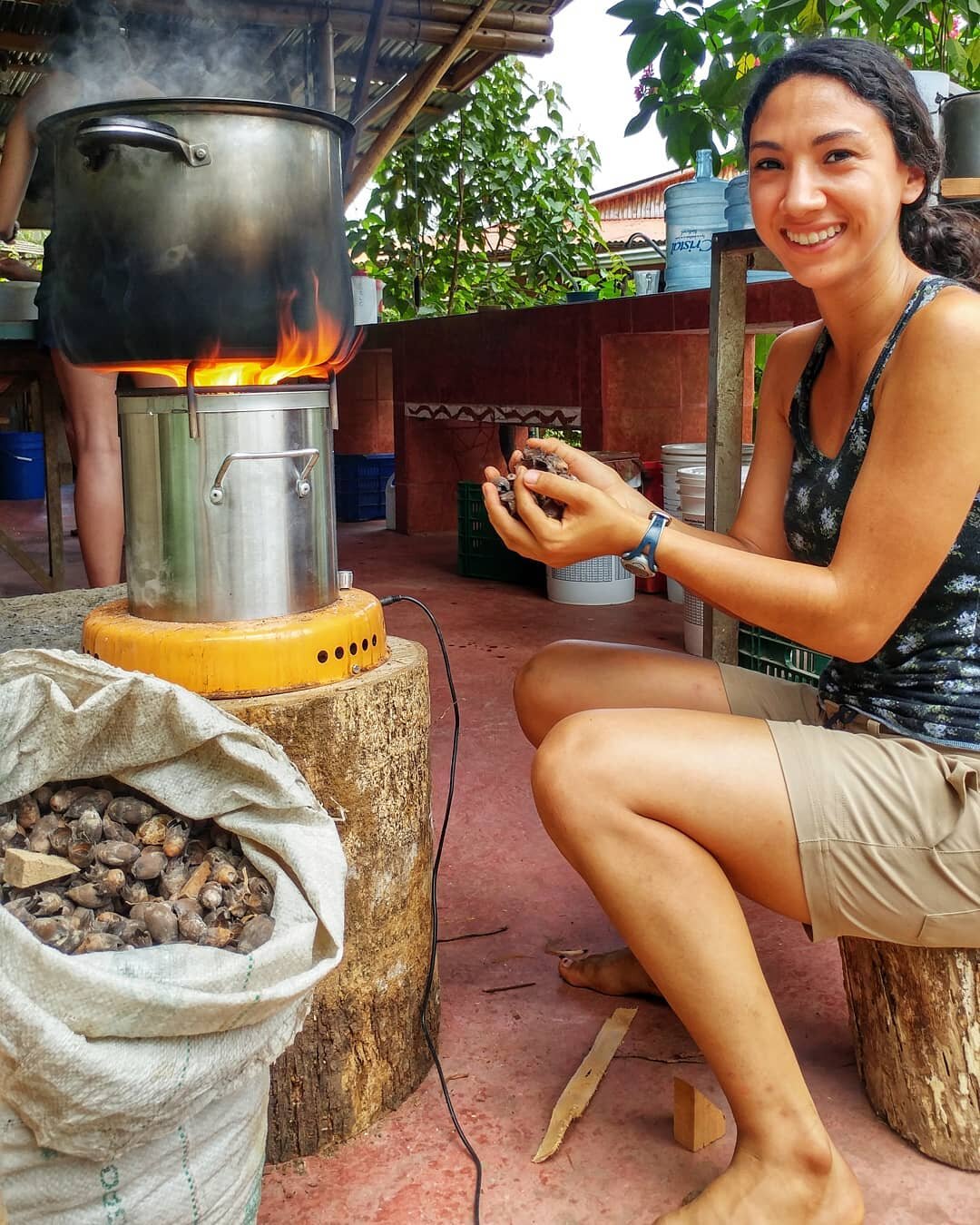
ACE One in action!
These worrisome facts have led us to build and invest in efficient wood burning technologies and food production methods that allow us to sustainably and safely use this local resource to cook with. Our alternative cooking workhorses are our 5 rocket stoves; 3 purchased ACE Ones, and two adobe/cob stoves designed and built in-house. These stoves produce little to no smoke based on a design that features an air intake or fan that produces extreme heat in the combustion chamber that ignites and “burns away” any smoke that is produced. This can be referred to as “complete combustion” and reduces or eliminates soot from the cooking process. The ACE One stoves use small pieces of wood whereas the home-built versions use slightly larger pieces of wood. These efficient stoves burn smaller quantities of wood and produce less or no smoke while retaining the many benefits of cooking with this local and accessible resource.

One of Ranch’s agroforestry systems
When possible, efficient rocket stoves can be coupled with a well-managed agroforestry system that through the extensive planting and pruning of nitrogen-fixing and food producing trees can yield a steady supply of accessible firewood and the food that will be cooked on the rocket stoves. This is yet another example of the closed-loop systems that we oftentimes strive for on our farm.

Adobe rocket stove being built at Ranch
Rocket stoves can be small or large, take many shapes, and can be made from a wide variety of materials. What’s common to all of them is the their ability to efficiently produce extremely hot combustion chambers. To improve performance, your rocket stove chamber can be insulated and your burning surface sized and designed to effectively support your favorite cooking pot. You can even buy rocket stoves for camping these days though if you’re a do-it-yourselfer or on a tight budget, we’d encourage you to design and build your own. There are plans all over the internet.

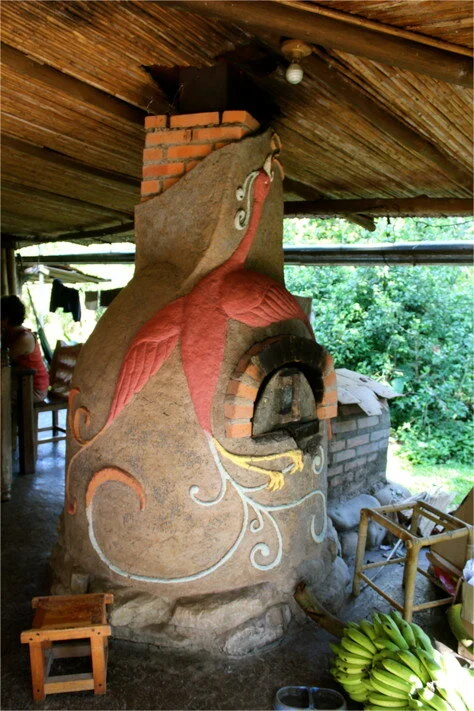
Our cob oven
In addition to our repertoire of rocket stoves, we have a self-built cob oven that we use for pizza parties and other baking endeavors, 3 Wonderbags, a solar and electric dehydrator and of course our magical biogas stove. We’ll tell you more about these in a future article but in the meantime I’d encourage those that love simple solutions to check out the wonders of the Wonderbag and see how you can help transform a family’s life in Africa while saving a considerable amount of cooking fuel.
Let us know if you have any questions and come and check out are array of alternative cooking technologies if you find yourself in our neighborhood. We love to share our experiences and hope that this has found you well well.

Simple rocket stove being built in community of Mastatal

Tropical Brewing
The craft brewing movement has migrated to Central America and the Caribbean. A growing number of small scale artisanal producers are building on the American Craft Brewing tradition by incorporating local spices and fruits into traditionally brewed ales. To distinguish themselves, from their temperate counterparts, they are adding a tropical flare and creating innovative flavor combinations
by Connor Harron
The craft brewing movement has migrated to Central America and the Caribbean. A growing number of small scale artisanal producers are building on the American Craft Brewing tradition by incorporating local spices and fruits into traditionally brewed ales. To distinguish themselves, from their temperate counterparts, they are adding a tropical flare and creating innovative flavor combinations. For example Domingo7’s Maracuyá Pale Ale (that’s Spanish for Passionfruit) in Costa Rica, Ocean Lab’s B.O.B. - Blood Orange Blonde in Puerto Rico and Lu Bru’s Maiz Azul (Blue Corn) Ale in Mexico all demonstrate how local producers are beginning to incorporate regional ingredients into local craft beer movements. This is surely a positive development and one that leads us to consider other ways we might be able to further highlight local and seasonal ingredients into craft beers.

These efforts will help to make brewing both more sustainable and position craft brewing as a vehicle for more thoroughly exploring terroir, which describes the potential for fermentation to be used as a method of expressing the unique environmental conditions of the places in which our ferments are produced. By using exclusively local ingredients as well as wild captured yeasts, we have the power to capture the unique flavors of seasons and regional differences that allow for near infinite variation and creativity to explore new combinations of flavors that are rooted in cultural tradition while simultaneously pushing the frontier of artesian brewing. As much as I love finding good craft beer in places like Mexico and Costa Rica, I constantly find myself asking if it really makes sense to be brewing beer with imported German Barley and Hops from the Pacific Northwest United States when there are such a plethora of sugar sources and bittering herbs available locally in nearly every corner of the globe. Could we instead develop beers using a hybridized process and create products that are truly local while still maintaining the key characteristics that make beer, beer?
Speaking of, have you ever asked yourself what it is that really makes a beer? It turns out, the answer really depends on who you ask and where you live. In the most general terms, beers are fermented from carbohydrate rich starches (typically grains such as barley) that first need to be enzymatically converted into simple sugars and extracted into a liquid malt before the substrate can be fermented to produce appreciable levels of alcohol. Wines and Ciders on the other hand, are fermented from fruits and simple sugars that can be fermented into alcohol with limited or no processing. In the case of beers, bittering herbs such as hops are commonly added to provide antimicrobial properties, improve shelf stability and add complex flavors to ferments. In the United States, it turns out that hops are not required in the production of beer and that there are many malt substitutes that are allowed in the production of beer, including “rice, grain of any kind, bran, glucose, sugar, and molasses (TTB Ruling, 2008).” This definition is actually quite liberating, and creates the opportunity to experiment with non-traditional malts and bittering herbs in ways that will promote creativity and improve the sustainability of the craft brewing market globally. This flexibility in malt production will be especially important given that recent climate models suggest that the regional distribution of barley production will become increasing restricted over the next 20 years (Nature, 2018).

In Costa Rica, we have been experimenting and finding repeated success using a wide range of local ingredients including banana, corn, rice, cacao beans, coffee and local cane sugar for producing malts. Corn and bananas, for example, both have long cultural traditions of being used in the creation of local beers. In Eastern Africa, Bananas have long been used to create malt for the production of banana beer (Urwaga or Mubisi as it is locally known). Bananas make for an interesting malt base because they fall into a relatively unique category of fruits that when ripe are rich in both simple sugars and complex carbohydrates that can be easily fermented into a strongly alcoholic brew while maintaining a mouthfeel that is remarkably similar to beer brewed from barley. When the ripe bananas are boiled for several hours, the sugars begin to caramelize, transforming the flavor of the malt into a sweet, neutral flavored base that remarkably, tastes very little of banana, making it an ideal substrate for mixing with bitter herbs or other local products such as coffee and chocolate that can be fermented into either an Ale or Stout like brew.

Conversely, in many parts of South America, but perhaps most notably in Peru, Maize has been used for centuries to produce a corn beer called Chicha. Unlike barley, which when sprouted produces a large concentration of Amylase Enzymes (the key types of enzymes needed to convert complex carbohydrates into fermentable sugars), to make a corn beer, these enzymes need to come from another source. The indigenous peoples of South America developed an ingenious solution to this challenge when they discovered that chewing the cooked corn would transform the starchy, carbohydrate rich grain into a sweet masa that could then be re-boiled in water and strained to create a fermentable Wort made purely from Maize. Although many foreigners cringe when they first learn about the process, for the Inca’s, it was a powerful community building practice that would bring people together to sit around the fire, alternating between sharing stories and laughter while chewing the cooked corn and then depositing all of the masa into a large pot. Although they almost assuredly could not have fully comprehended the transformations that were taking place, their solution was so ingenious because human saliva is packed full of the enzymes needed to break down the carbohydrates in corn into fermentable sugars. I experimented with the traditional process a couple years ago, and I have to admit it was a powerful community building process that for me, took the idea of collective fermentation to a whole other level. Talk about terroir!
The problem with the traditional process is that it is incredibly labor intensive. If you are lucky, like me, you might be able to convince your friends to help you chew a few pounds of corn once or twice for the novelty of the experience, but you are likely to be hard pressed to find a consistent source of labor to chew through the many pounds of corn you will need to produce even a few gallons of Peruvian style Chicha. Fortunately, today we have access to many sources of amylase besides our saliva. As it turns out, ripe bananas (and in particular, ripe banana peels), contain a very high concentration of the same amylase enzymes needed to convert the starches in Maize into fermentable sugars. If you think about it, this actually makes a lot of sense. Unripened green bananas and plantains are a very starchy staple food crop that is used culinarily in a similar fashion to potatoes. As the skin yellows and the banana ripens however, the banana naturally transforms those carbohydrates into simple sugars that make dessert bananas so pleasant to eat directly out of hand.
Due to the high concentration of amylase enzymes present in ripe banana peels, they can be dehydrated and pulverized into an enzyme rich powder that can be mixed with ground maize and water and then mashed similarly to a barley based beer between 140-160 F for 2-24 hours (depending on the ratio of corn to powdered banana peels used) before being strained and boiled to make a fermentable wort. You’ll need to taste the Mash or use iodine strips to determine when the conversion has been completed. There are actually lots of fruits and vegetables that are rich in amylase enzymes. Sweet potato, for example, has such a high concentration of these enzymes that its peel is often used in the commercial production of Amylase.
Alternatively, instead of using the enzymes present in another product, it is also possible to ferment grains with certain types of molds that consume starches and in turn naturally produce the enzymes needed to convert the grains of carbohydrates into fermentable sugars. In Japan for example, Aspergillus Oryzae (or Koji as it is better known), is a humble yet miraculous mold that has been grown on rice for millennia in order to sweeten the rice and make Sake. It is also the key ingredient for making naturally brewed Soy Sauce or fermenting Miso due to the rich diversity of enzymes Koji produces that not only sweeten carbohydrate rich foods, but also break down proteins into amino acids that are the basis for savory foods and the flavor of umami. Due to these impressive properties, koji has now made it’s way out of Japan is slowly become increasingly familiar around the globe. This is assuredly a wonderful thing, because it has now been well established that Koji can be grown on a variety of substrates and virtually any grain, including rice, barley and corn, making it an ideal candidate for assisting in the brewing process anywhere on Earth.

To further explore local flavors and novel combinations, while boiling our worts we have been experimenting with using a variety of local bittering herbs and teas to add complex flavors to our beers, including ginger, turmeric, lemongrass, vanilla and many others. During either primary or secondary fermentations, we use nylon mesh bags weighed down with boiled volcanic rocks to infuse fresh fruit from the farm such as Pineapple, Soursop, Starfruit, or freshly roasted Cacao Nibs, just to name a few examples. Finally, by fermenting our beers with mixed cultures, wild captured yeasts and/or locally adapted strains, we have been able to produce ales with several layers of harmonious flavors, which provide depth and complexity that is only possible to achieve with mixed culture fermentation.
I would not have believed what a powerful role yeast and bacteria play in the creation of complex beers and wines when I first started brewing over a decade ago. Now however, I have learned first hand just what a difference the cultures we use can make. The experience of trialing yeast captured off of different fruits and flowers has led me to encounter flavors I never would have dreamed possible. Some have certainly been on the far side of the funky extreme, including cultures that produce the dreaded odor of sweaty feet or burnt rubber. This however, is exactly the reason for small scale trials rather than placing our faith in large scale spontaneous fermentation. Once you discover the joy of fermenting a simple malt of dissolved sugar or Dry Malt Extract with wild yeast and tasting apples, pears, or other citrus fruits magically appear in the finished product, I believe that like me, you will never want to use a commercialized yeast strain on it’s own again.
I believe that by drawing from the richness of our cultural traditions around the world, we have the potential to greatly expand the breadth of our palates and to more intimately link our brews to the time and place in which they were crafted. The craft brewing revolution is still in its infancy and if I am to have a part of to play in it’s development, then Ginger Hibiscus Sake Hybrids, Banana Coffee Stouts, and Mayan Chocolate Ales will be just the tip of the iceberg.

If you would like our simple Hooch recipe, read our blog article with step by step instructions. If you want to learn more about the wild world of fermentation consider joining us for our year long apprenticeship where apprentices go deep into advanced fermentation techniques.

The Peace in Knowing Yeast: How to Brew Your Own Ginger Beer
I knew there was something wrong when the fraternity brothers put codeine in the keg, when my friends got so sick that they went splat, when thirteen year old me took a sip of every wine bottle in the house when mom and dad weren't looking and I felt like I had done something naughty. European culture is renown for serving alcoholic beverages to children, yet in the USA where I grew up, something about alcohol is taboo. The cultural history reflects just that. Alcohol in Native American early history is absent, contraband could put you behind bars or blind you, prohibition made speakeasies a mischievous and alluring excursion, and even today a cultural lag in how we enjoy alcohol still exists.
By Doro

I knew there was something wrong when the fraternity brothers put codeine in the keg, when my friends got so sick that they went splat, when thirteen year old me took a sip of every wine bottle in the house when mom and dad weren't looking and I felt like I had done something naughty. European culture is renown for serving alcoholic beverages to children, yet in the USA where I grew up, something about alcohol is taboo. The cultural history reflects just that. Alcohol in Native American early history is absent, contraband could put you behind bars or blind you, prohibition made speakeasies a mischievous and alluring excursion, and even today a cultural lag in how we enjoy alcohol still exists.
It became very apparent to me in college that with alcohol, etiquette falls flat on its face. Why? Japanese tea ceremonies, to draw a stark comparison, dedicate hours to enjoying a tablespoon of liquid in the most refined fashion, yet the common bar pumps out wasted resources, wasted fools, and wasted dreams. People may drink so much as to make themselves sick, both physically and mentally.
The Origins of Homemade Hooch
Alcohol is actually an ancient substance that has been intentionally brewed since the beginning of mankind itself. Some people even go as far to claim that alcohol IS the reason for civilization. One theory suggests that contaminated drinking water in Europe warranted humans to grow grains and ferment them to cleanse the water. In this process, humans needed to orient themselves to the earth's growing cycles, work together to organize and specialize in different tasks, then celebrate communally with a drink because clever Homo sapiens managed to retrofit their pollution problem.
Health is a major benefit to why people drink. Medicinal plants have traditionally been brewed into alcoholic beverages and can prevent or cure illnesses. In the "blue zones"- regions of the world where people have measurably longer lifespans--one of the factors is that residents enjoy moderate alcohol intake. Blue zone residents also benefit from strong social relationships, so community is a major piece of healthy alcohol enjoyment. Sharing drinks with other people also lubricates and warms a gathering. So-- yes! You can have your brew AND drink it too. Alcohol gets the psychological, physiological, and sociological stamp of approval. Where did clever man go astray?
Time is the essential difference in how we relate to a drink we make ourselves and share compared to a drink we buy commercially. Like many good things in life, it takes a lot of time to see a good brew from start to finish-- or in the grand scheme, from seed to chalice. Modern "conveniences" allow people to buy Budlight from the cornerstore, then smash a can to the forehead before thinking twice about going for more. Woah, Nelly! Lack of restrictions on consumption could cost an eye, a tooth, and a frontal lobe if you're not careful, and then what kind of Homo sapiens would that be? Anthropologists suggest that it's our frontal lobes that allows our brains to use foresight and therefore be more aligned with the process of time. My suggestion goes beyond sipping more consciously, more graciously; start from the beginning and make the whole brew yourself.
Meet your Microorganisms
Did you know that one in ten cells of your body share the same human DNA. As for the rest, they are trillions of bacteria and yeasts that live symbiotically with your body. Microorganisms are a great tool for living in your body, or they can be a great tool for brewing the brews that will satisfy your body. There are numerous strands of yeasts that eat sugar and through their metabolic processes, they create alcohol as a waste. What a life! Some of these yeasts are more effective at creating alcohols than others. For example, the yeasts that you can buy in the grocery store were grown in sanitized laboratories to ensure that a very specific strain is repeatedly created. This is an effective means for getting a brew consistency. If you live in the middle of the Costa Rican jungle and cannot access such luxuries, or if you have pride in your local yeasts as San Fransciscans have in their sour dough bread, then you can easily grow your own brewing yeast.
The Ginger Bug

A ginger bug is the first step in brewing your own alcohol. Think of it as a little pet, like a fish in a bowl that you feed everyday. You nurture your ginger bug, and your ginger bug will nurture you. This is how you can deepen your awareness for the beverage that gave rise to humanity, and could propel it forward, or send it tumbling back down to dust.
Step 1: Locate fresh ginger. We happened to dig this rhizome up in our Zone 2 garden. The fresher the better, as it means more active enzymes that ultimately will nourish your bug, and in turn your body.
Step 2: Grate the ginger to increase the surface area. You're going to want about 2 tsp of ginger for 8 oz of water, which will yield a decent size ginger bug.

Step 3: Add 2 tsp of sweetener to your bug. If you can avoid heavily processed and pasteurized sugars, then do so. Honey, maple syrup, and fruit syrups are excellent choices. For this recipe, I used our locally preferred option, tapa dulce, or sugarcane. Bleached white sugars can impose genocide on your microbial populations and are best to be avoided.
Step 4: Stir your water, sugar, and ginger "bug" gently, then cover with a cloth and rubber band. This will allow yeasts in the air to get in, but keep larger creatures out.
Step 5: Carefully observe the nature of your bug. If it starts bubbling, this is a great sign that "it's working". Carbon dioxide, like alcohol, is a process of the yeasts' respiration, and it creates a fizzy bug.
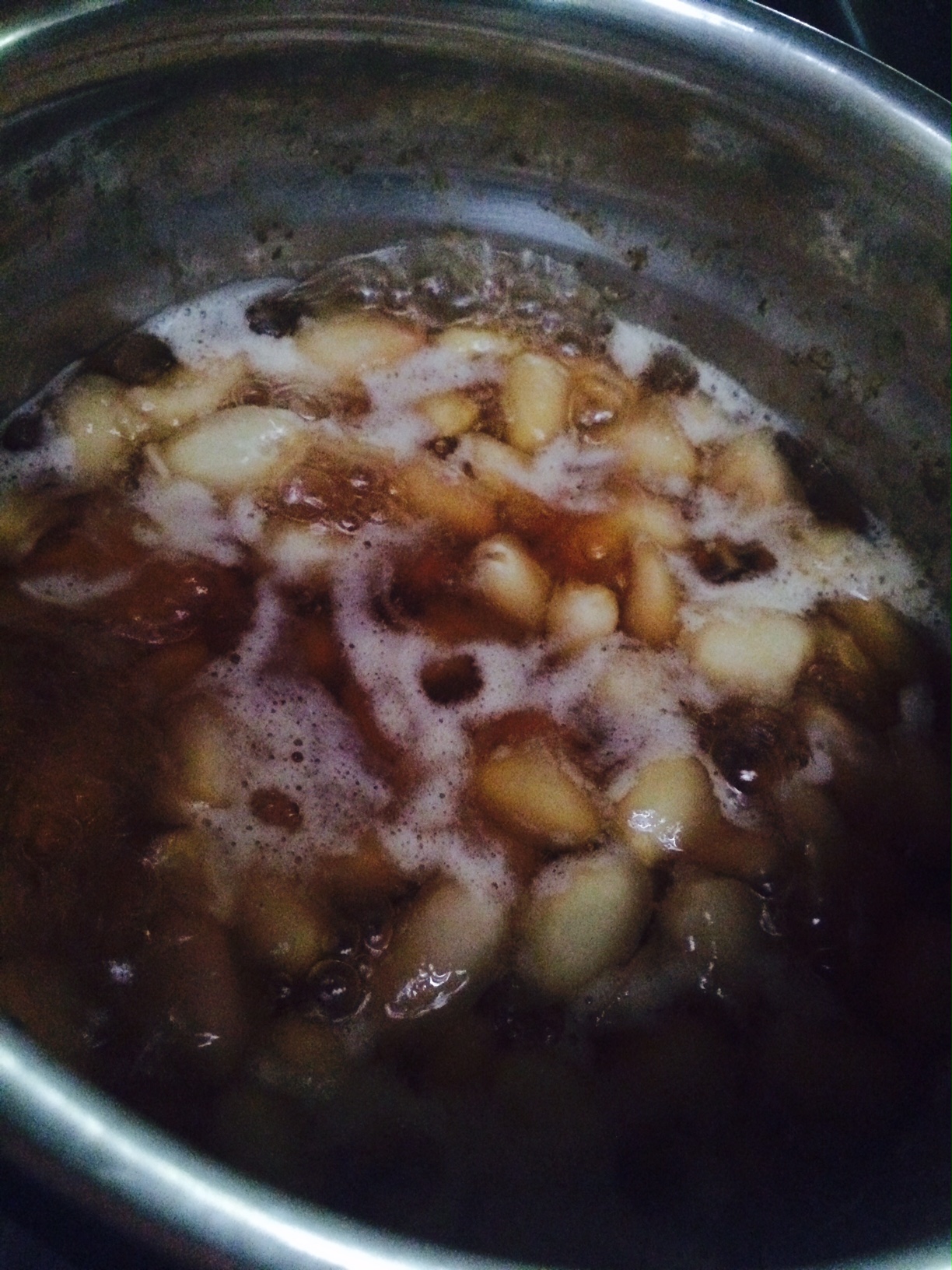
What's happening is that you are creating a mini ecosystem that allows local yeasts from the air a free place to get some lunch (sugar), hang out in a safe environment, maybe meet some cool other microbes; and if all goes well, fall in love, divide, and start a yeasty family. That's right, you are creating a yeast breeding ground, and because ginger tea is the base of the medium, the antibacterial properties of the ginger are keeping the population of "bad" microbes at bay. You can feed your ginger bug once every two days with the same ratios of sugar and ginger as before, but only if necessary. Avoid over feeding your bug and creating a viscous solution. Your bug is your pet. Know it, feed it, and it will reward you with love and affection. If your bug has some fizzy action-- congratulations!-- your pet is ready to use.
Fermentation Experimentation
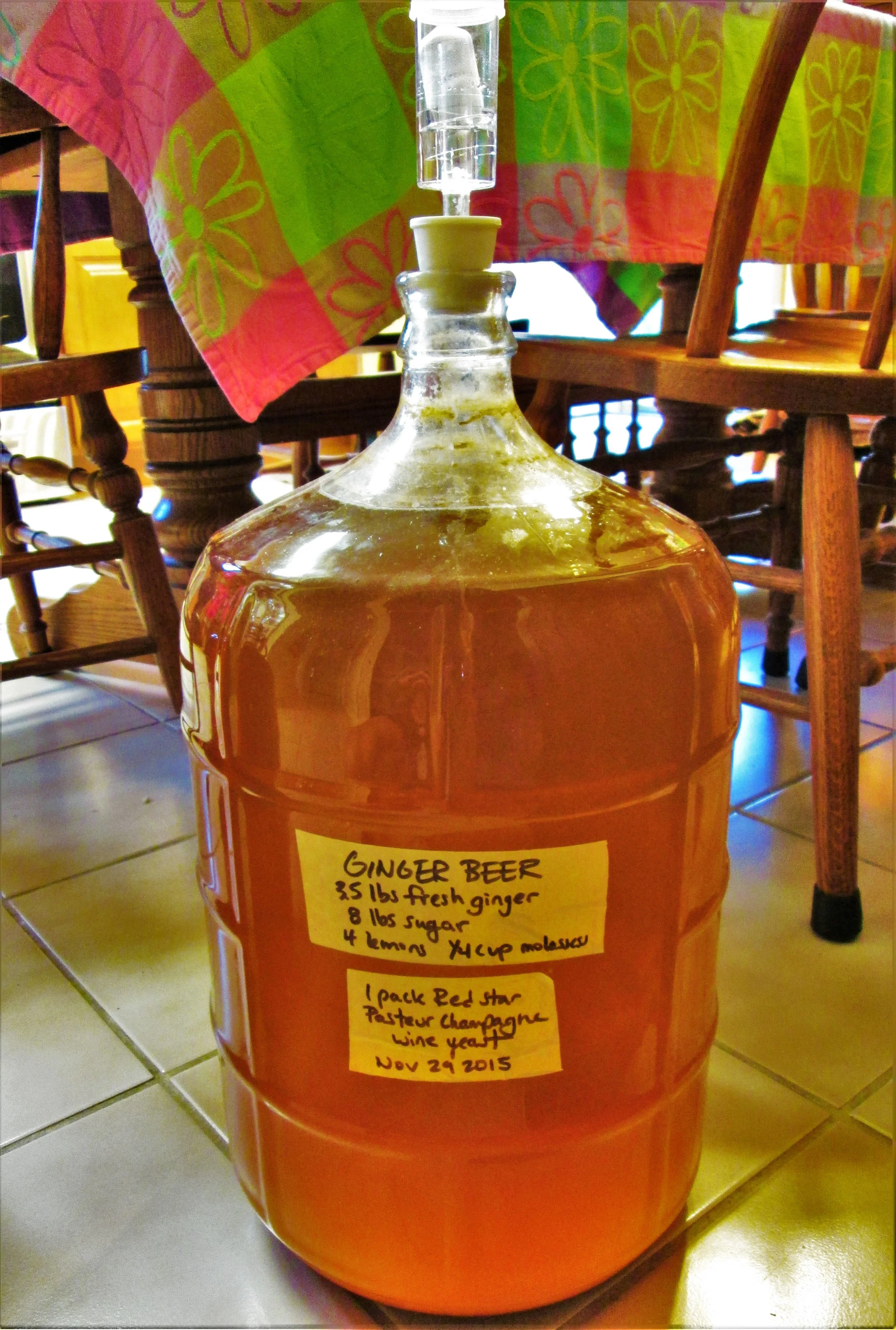
Ginger bugs are good for inoculating teas with yeasts that will allow them to ferment into alcoholic beverages. The next step in creating a brew is to find a tea recipe or make one up using locally available resources. Fruits and herbs make great tea flavors. I brewed two separate teas for this occasion. The first is a ginger sour guava tea, in which the ingredients were chopped, boiled, and strained. The second is a cacao tea that used the same process except using the fruit that bears the infamous chocolate seed.

Once the tea is prepared, add a sweetener, just as in the ginger bug process. Sugars will continue to feed the microbial populations you are brewing. Like mentioned before, the less processed the sugar the better. Sometimes sugars even carry wild yeast colonies. This will encourage your brew to ferment.
Once you have your ginger bug and sweet tea, you can use the bug's yeast to inoculate the tea. Like a small fish released from bowl to small pond, your ginger bug yeast is off to fend for itself. Ensure that it is going into a safe, clean environment, and that your tea is not too hot. Room temperature to 105 degrees F is a safe range. Since you know that the health of your yeast will ultimately intertwine with the health of your own being, you continue to monitor the brew.
Thus, you have entered the experimental phase. The ultimate flavor and quality of your brew is at fate's discretion. Proceed valiantly! Check your brew at least once a day to ensure nothing is growing inside of it except for good microbes, that the texture is liquid and not thick, and that there is enough sugar.

It may take one day, it may take ten, but you will try your home brewed alcohol and realize that all that time you spent caring for your ginger bug and your brew was very well worth it. "This is delicious!" you'll say one day, "And my gift to humanity." A successful brewer is an artist-- one who reorders the chaos of water, sugar, plants, and airborne yeasts, and transforms them into a product that brings humans together. It turns out that it was never about the buzz, or the story the morning after-- it was always about the process. As humans face the coming challenges of the environment that our culture has shaped, it is important that we remember that each of our actions continues to evolve our relationship with the natural world. Even something as simple as brewing gives proof that the things we provide care for will in turn care for us. Sit back, sip back, and celebrate the pleasure of good brew and good company. Cheers!
News and Notes from around the Permaculture World
We are scheming and dreaming about expanding our chicken program in 2017. More eggs, meat, better breeding strategies, and figuring out how to get the birds to weed our orchards has got us motivated. If any of you are trying to do the same, you should check out the Permaculture Chicken Film from the guys and gals at Permies.com.
One of Scott's past PDC students, Levi Gardner, from a course taught in Nicaragua, is doing some excellent urban farming work in Grand Rapids, Michigan. Check out this article about Urban Roots. Levi states that for him, "a big turning point was going to Nicaragua for a month last year to study permaculture. I left there going, ‘I’m not just a guy that wants to be an urban farmer anymore. I want to build something.'" We are inspired!
As you know we practice agroforestry at the Ranch and love sharing our experiences with others. The USDA Inside Agroforestry publication is full of similar experiences from the states and around the globe which we are hope to contribute to in the future. Considering signing up for their quarterly publication to up your agroforestry skills!
Abrazos
The Ranch Crew

Lard, the new Super Food?
Everything we eat at the Ranch is homemade or made from scratch as we'd say on the east coast of the United States. It takes a lot of time, and is made with a lot of love, which makes it taste even better. Since I am someone who cares a lot about what is going into my body, I became very interested in how our food is grown, where it is coming from, and how it is being cooked.
Hola! My name is Jessica, and I am one of the five apprentices of the 2016 crew. Health and food are two very important topics I hold dear to my heart and are in my everyday thoughts. Essentially these are some of the main reasons why I decided to come to Costa Rica and apply for the 11 month apprenticeship at Rancho Mastatal. Some of my many roles here as an apprentice are harvesting, processing, and creating the delicious food we serve here at the ranch.
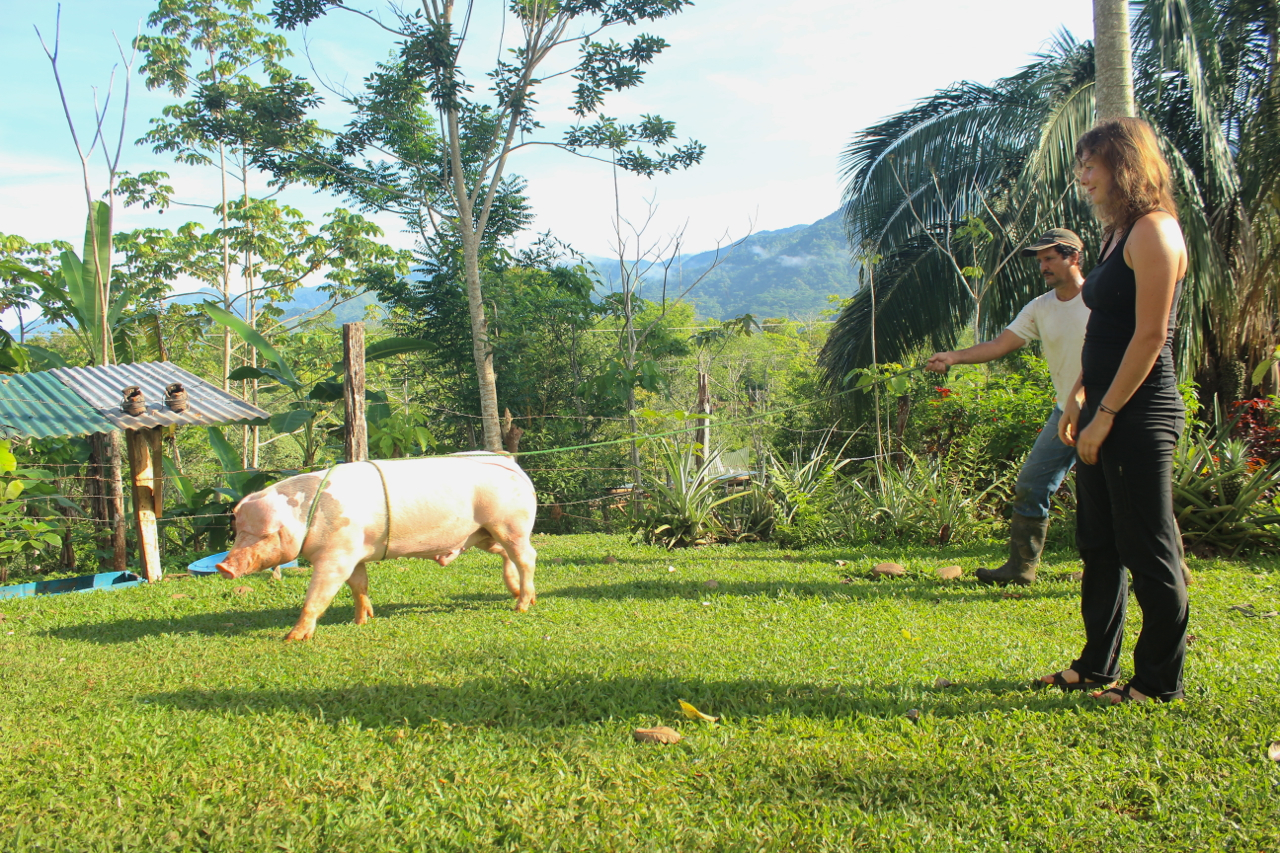
Everything we eat at the Ranch is homemade or made from scratch as we'd say on the east coast of the United States. It takes a lot of time, and is made with a lot of love, which makes it taste even better. Since I am someone who cares a lot about what is going into my body, I became very interested in how our food is grown, where it is coming from, and how it is being cooked.
During my first interview with Tim and Robin in the summer of 2014, they mentioned that the food at the Ranch is cooked in lard within the mix of all the details about the apprenticeship. After our hour long interview, the only thing that left me puzzled was the conversation on lard, and why would a sustainable center that grows such healthy food cook with lard?
What do you think about when you hear the word, Lard? Before coming to Rancho Mastatal I thought of lard as a sludgy, disgusting fat that was seemingly the most unhealthy thing you could put into your body and would make you obese. The name alone sent chills down my spine. All I could think about was a Family Guy episode where Peter chugged a whole barrel of lard and went from fit, skinny Peter back to overweight Peter. I never pictured cooking with or eating lard in my future. Tim assured me that the Ranch did their research on lard and it was the most sustainable and practical option for them. Feeling intrigued to learn more about this mysterious lard, I decided to dive into the research and see for myself. Was lard really unhealthy? Could it be a sustainable cooking oil? How does it compare to other cooking oils? These were some of the questions I set out to answer.
While conducting research using the Ranch's food cookbooks and articles about lard, I learned about the American history of lard. Did you know a hundred years ago lard was found in every household and was a big money maker within the meat packing industry? At the time, animal fats were the main use for all pan frying, until the invention of the light bulb. What does the light bulb have to do with lard?

Well, Procter & Gamble, a candle and soap making company, had all this extra oil from dropping candle sales and they needed to find a way to use the extra cotton seed oil. In 1907 a German chemist, E. C. Kayer came to Procter & Gambles' company with his invention of hydrogenated cotton seed oil. It looked and cooked like lard and it was cheaper than the American household staple. They called it Crisco. With an amazing marketing roll-out including advertisements, demonstrations, and free cookbooks promoting the use and purchase of this hydrogenated vegetable shortening, soon Crisco was all anyone was talking about. To top it off, in the 1950s, scientists claimed saturated fats, such as lard, caused heart disease which made consumers switch to the new vegetable shortening substitute.
Most of America soon ditched lard from their homes and restaurants. Today's health studies now say having a moderate consumption of saturated fat in your diet is not unhealthy. For example, coconut oil is a popular oil to cook with today and it has an 86% saturated fat level.
Given what we know now; why is lard the best choice for Rancho Mastatal and its guests? First, lard is local! We know exactly where it is coming from and it is very fresh. Secondly, we are supporting a small butcher in Puriscal, the closest town to Mastatal. The Ranch does all we can to eat only local and support small businesses. And finally, and most importantly, the taste test. The taste of a homemade falafel or yuca bammie made with pig lard is in no comparison to one cooked in sunflower seed oil. In a normal week, our meals are made with only vegetarian ingredients and the cooked dishes are sauteed in our local pig lard. We have all kinds of guests visiting the ranch for a tour or to take one of our amazing workshops, and between 5-10% of them are vegetarian or vegan. We always ask our guests if they have any dietary restrictions, some decide to opt out of trying our local based diet and instead have their food cooked in a mass produced sunflower seed oil. As a former vegetarian, I understand the reasons to not eat meat products, especially when you don't know where it is coming from.
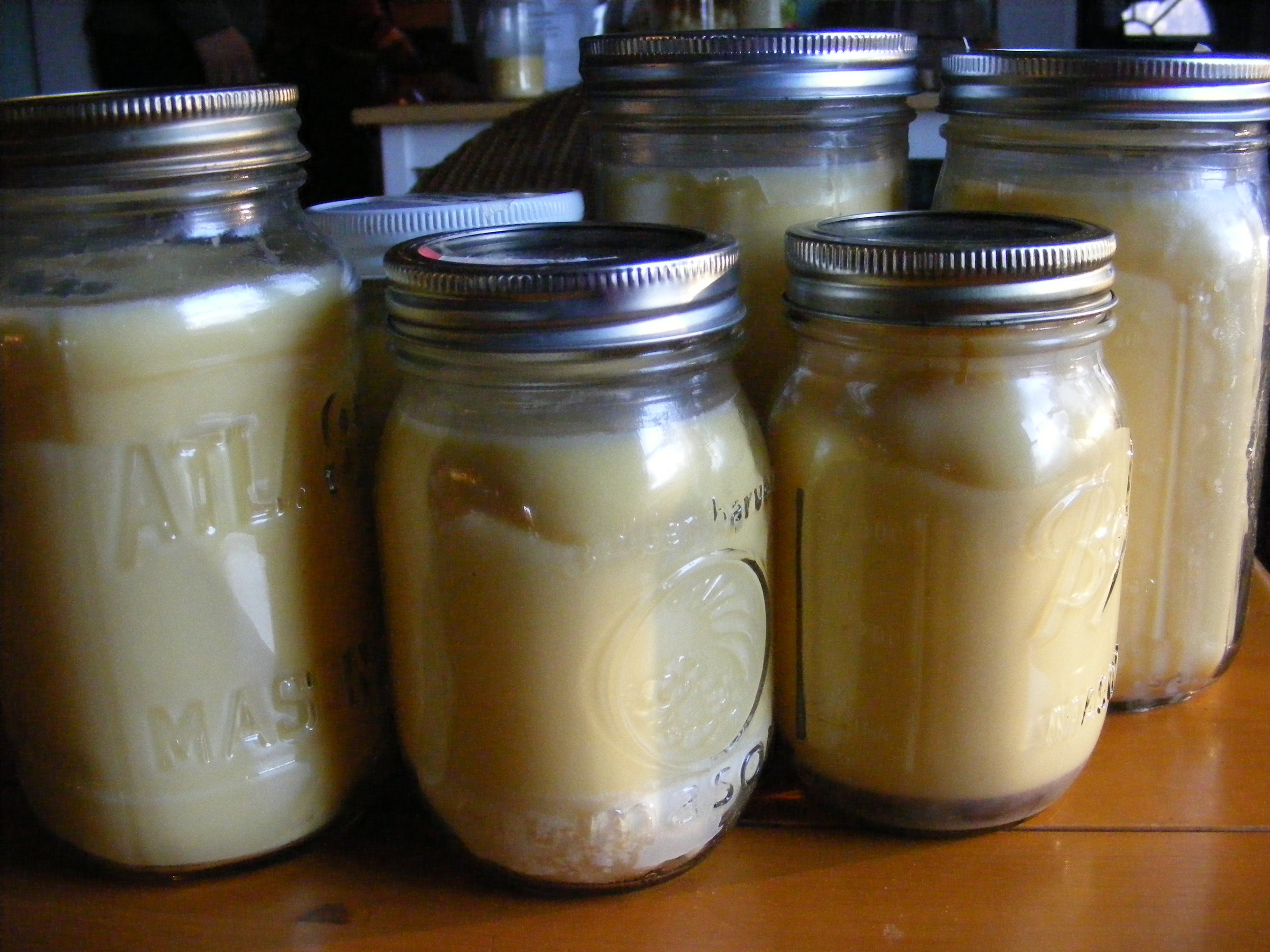
Here at the Ranch we know where everything we eat comes from and it feels good knowing we are eating as sustainable as possible. Pig lard has a respectable 40% saturated fat and 45% unsaturated fat compared to butter which has a 60% saturated fat and 23% unsaturated fat. For our vegetarian and vegan guests, we use non GMO sunflower seed oil which has 13% saturated fat, 24% unsaturated fat, and a not so well known active ingredient TBHQ- 0.02%.
TBHQ is a chemical cleaning agent and stabilizer to keep the oil from going rancid due to the low percentage of saturated fat in the vegetable oil. Most vegetable oils have low saturated fats and need to be chemically altered to preserve the oil, especially oils that are okay to use at higher cooking temperatures. Lard on the other hand can sit at a room temperature without any alterations. With limited knowledge about the mysterious TBHQ and its health risks, the decision to cook with local lard seems to be a no-brain-er.
Since the Ranch takes such pride in what we grow, source, process, cook and eat, I thought it would be only fair to bring awareness to our future guests and reveal the reasoning behind why we cook our meals with pig lard. It feels good knowing our food is always fresh, we know where it's coming from, and have the opportunity to build strong relationships with the people who grow and process the food we put on our plate. With one bite of our homemade corn empanadas cooked to a crispy perfection, you will understand our love for locally sourced lard.
Resources:
http://www.foodandwine.com/articles/lard-the-new-health-food
http://www.npr.org/blogs/money/2012/02/03/146356117/who-killed-lard
On Food and Cooking: The science and Lore of the Kitchen, Pages 799-802, Harold McGee
NEWS AND NOTES
We are planning some exciting new workshops for 2017 on plant propagation, soil re-mineralization, forestry and more. Keep an eye on the calendar for new additions. We still have space in the following workshops.
We also have a few spots left in our Sustainability Primer program. If you know anyone interested in joining us please spread the word!
Abrazos,
The Ranch Crew
Categories
Topics
- Agriculture 6
- Agroforestry 21
- Animals 2
- Apprenticeship 19
- Appropriate Technology 6
- Backpacking 1
- Bananas 1
- Basic Pantry 4
- Biochar 1
- Books 3
- Build Your Own Home 1
- Central America 5
- Chiles 1
- Cinnamon 1
- Clay Carving 1
- Climate 2
- Climate Change 1
- Cob oven 1
- Communication 5
- Community 24
- Compost 2
- Composting Toilets 2
- Condiments 1
- Conservation 2
- Cooking 4
- Costa Rica 18
- Design 10
- Earthen Construction 10
- Eat Local 2
- Ecohome 1
- Education 9
- Environment 3
- Ethics 4
- Farm to Table 12
- Fasting 1
- Fermentation 14
- Food 22
- Food Choices 8
- Food Forest 8
- Food Processing 15
- Food Systems 12
- Gap Year 1
- Gardening 5
- Ginger Beer 1
- Harvest 2
- Health 12
- Healthy living 5
- Homemade 2
- Homestead 8
- Internet 2