

BLOG
Stories, articles, and updates from the Ranch community.

Foundations for Success: 10 Considerations to Create a Healthy Project
After more than 20 years, we have been able to identify some trends that have led to our survival as a business and a community. The following advice is appropriate, and perhaps some of it even necessary, if you expect to live successfully in a communal work and living environment doing land-based work.
By Core Team Member Tim O’Hara
After more than 20 years, we have been able to identify some trends that have led to our survival as a business and a community. The following advice is appropriate, and perhaps some of it even necessary, if you expect to live successfully in a communal work and living environment doing land-based work.

Students in our annual Permaculture Design Course
Communal Continuity
It’s imperative to assemble a group of individuals that you can depend on, year after year. If the only people that are visiting your project are there for shorter or medium length stays, you will never feel as if you have a community to lean on during the harder stretches of running a project of this nature. Create realistic and concise agreements with one another and develop incentives that make everyone feel well taken care of.

Privacy
We learned the hard way that having your own private space is critical for long-term happiness. We decided to focus on building before planting in our early years. That has meant that our agroforestry spaces are a bit behind where you’d expect after 20 years of working in those spaces. But without privacy, it’s impossible to keep people around who are doing the important work in the orchards and other spaces. Create private spaces for everyone, with a focus on creating lovely, comfortable, healthy homes for your core team.
Collective Decision Making
Micromanaging is a recipe for burnout. Don’t fall into the trap. Develop trust with your partners and allow each leader to make decisions in their realm up to a certain value. Big decisions, that affect everyone, should be discussed by your entire team, but small decisions, like whether to buy 5 or 10 avocado trees, should be left to those managing the orchard spaces.

Balance and Rest
It’s imperative to figure this out before burning out. Burnout can be permanent, leading to the abandonment of your passions. Build into your day-to-day lives the time to run, breathe, nap, walk, draw, meditate and think. The work will never be done, so don’t try to do it all each day. It will be there waiting for you in the morning after a great night’s rest.

A Solid, Well-Taken Care of & Committed Core Team
We’ve got an amazing core team. But it took us longer than it should have to realize the importance of building a strong team at the center of our project. If we expect community members to stay committed, they need to have their needs met. And everyone has a unique set of needs. Create a compensation agreement that makes everyone feel valued.

Community Connection
Be an active member in your town. Demonstrate, over and over again, that your project exists to benefit everyone in your community, especially those most in need. Join your local woman’s group, offer free yoga classes once a week, develop a kids soccer camp, or create a language exchange.
Fair Share
Share what you have. It’s your easiest path to acceptance though far from the easiest practice to bring to fruition. It has taken a lot of time, energy and sacrifice to create Rancho Mastatal, and sometimes our knee-jerk reaction to “spreading the wealth” is instead to move to protect what we’ve created in the interest of stability and to prepare for future unforeseen issues. But true stability comes with sharing.

Communal Meals
This may be the hardest bit of advice to embrace for some. Sharing a meal takes more social energy, but weighed against the time you save on cleaning and cooking, it’s worth it. Communal meals encourage group debate, laughter, learning and the development of a strong social fabric. Humans have tended towards eating in front of screens or on the run. These trends lead to poor eating habits and encourage humans to disconnect from one another. To eat well today means a monumental and coordinated effort growing, processing and cooking food. Celebrate this activity each and every day and you will be rewarded in ways unexpected.
Make Time to Dream
We “talk shop” a lot around here. We love what we do and enjoy talking about what we’ve created and how we can improve it. It’s important for us to create spaces that allow for dreaming and scheming. Having the space to “zoom out” and move for a time away from the day-to-day allows for creative brainstorming that can lead to breakthroughs and new ideas that might otherwise never come to the surface. Dare to dream, and dream to create your ideal version of life.

Don’t Get in Over Your Head
This is much easier said than done. When you commit to a land based project, your to-do list immediately seems endless. There’s never enough time in the day to do everything that you need. Start small and work towards simple solutions whenever possible. Build and perfect one system at a time, as much as you can do that. Don’t add chickens, goats and fish in the same year but rather add one species and then see how that changes your life before adding another. We made the mistake of throwing too much at the wall early on in our development and when not everything stuck, it felt overwhelming picking up the pieces of many systems simultaneously.
We try to share our failures and successes frequently so that others can get to where we did in less time and with less effort. Please don’t hesitate to contact us with questions, comments, or suggestions and all the best in your journeys.
Check Out These Past Blogs About Permaculture and Community
How to Run a Permaculture Internship
Enriching Community Soil: 5 Simple Strategies That Support Sustainable Relationships

How to Make Your Own Homemade Soap
Soap and permaculture go hand in hand. Making our own soap meets our environmental and sustainable goals, and beginning to do things for ourselves instead of relying on the big companies.
By core team member Ali Ostergard
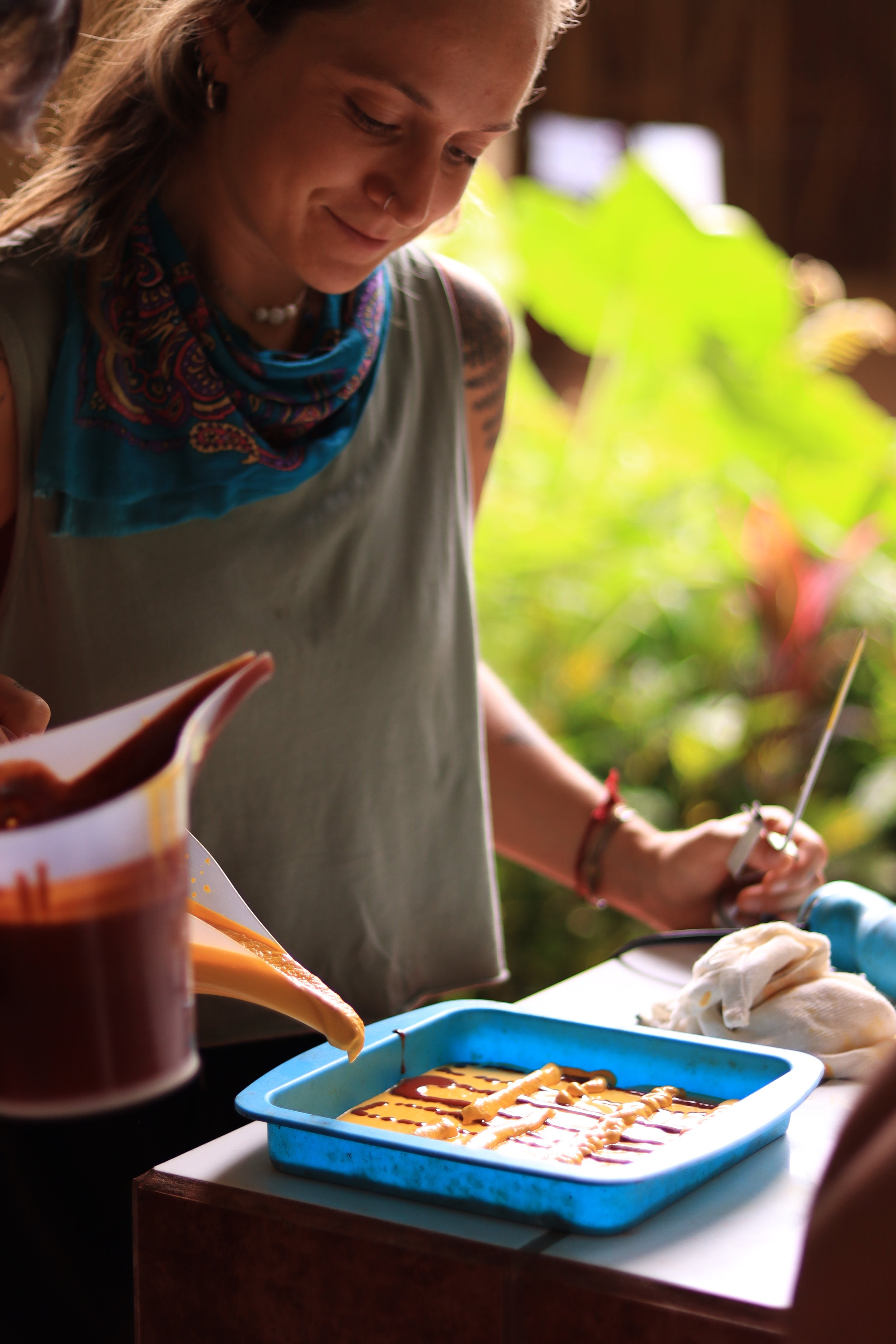
Story has it that soap was discovered by the women of Mount Sapo, Italy as they were washing in the river and noticed lathery bubbles beginning to form. These bubbles began to form after a volcanic eruption dumped ash into the river that flowed over their ceremonial location where they sacrificed animals to the gods. The combination of ash, animal fats, and water created the lather and bubbles, and what today we know as soap.
Soap, despite what you read on the back of a box of generic soap, is formed by three simple ingredients: sodium hydroxide (lye), fatty acids, and water. So for the town of Mount Sapo the volcanic eruption created ash, which contains sodium hydroxide, which fell into the waters of the river, which then flowed over the ceremonial areas that contained animal fats, the fatty acids, and once these elements all combined they reacted to create a simple soap.
Obviously as time progressed we modified and perfected this soap process and the ingredients. None the less, the process of soap making is still very simple and accessible to every household. If you use soap, which I sure hope you do, there is no reason to not be making it yourself.
WHY MAKE YOUR OWN SOAP
For us here at the Ranch we have three primary reasons for making our own soap, both body and dish.
Environmental: Creating your own soap allows you to assure it contains only biodegradable ingredients that aren’t harmful for the environment (especially important if you are using your grey-water to irrigate crops). Also, by making your own soap products you can reduce or even eliminate the packaging waste that comes along with store bought products. Think, everyone says, ‘oh I only use one shampoo bottle a year,’ times that by the millions that do, you end up with a lot of plastic bottles in landfills. Where if you make your own, you can reuse that bottle and reduce your waste.
Personal Health: Did you know that cosmetic companies and products outside the E.U. are not fully regulated by any health department? The rule is the ingredient needs to be proven harmful before it will be taken off the shelf, rather than proven safe before being put on the shelf. What company do you think is going to prove their product harmful…? When you look at the ingredients on the back of any cosmetic product, including soaps, the list is very long and full of words that can barely be pronounced. Our skin is our largest organ, and absorbs what we put on it, so does it seem healthy to be lathering up in something that contains Dimethicone 200/50, Disodium Edta, Stearoxytrimethylsilane, etc… every day? By making your own soap, you can insure the ingredients going into it are safe.
Be a Producer Not a Consumer: Not only is there immense satisfaction in making your own soap and products, but you are moving away from relying on outside sources for your basic needs. We are big believers in this here at the Ranch, not just with soap, but with building your own home, growing your own food, and if you can’t do it then supporting your neighbor that can. Check out our workshops that will help you begin learning how to do more of these basic skills.

WHAT IS SOAP
Soap as mentioned earlier, is made up of our three simple ingredients (lye, fat, water), that when combined go through a chemical reaction called saponification. There is some basic chemistry that happens here, that I’m not going to go into too much, but basically the process of saponification is the reaction that occurs when our lye water is combined with the fatty acids, and this process creates soap.
A soap molecule is made up of a hydrophobic end (water repelling) and a hydrophilic end (water loving). The hydrophobic end grabs onto the dirt and grime, and the hydrophilic end grabs onto the water and washes that dirt away.
Soap is not naturally antibacterial. It simply works by washing away the dirt, bacteria, etc off the surface. There is a lot of new studies to suggest that antibacterial soaps are causing more harm than good, and are really unnecessary outside a hospital setting. You can do your research on this topic.
MAKING YOUR OWN SOAP
Here at the Ranch we have been making our own body and dish soaps since the beginning. This skill is something we teach to our apprentices, school groups, and in our Permaculture Design Course. We truly believe it is something that everyone can do!
Equipment
Digital scale (accuracy is important)
Thermometer
Stainless steel or glass bowls
Emersion blender (you can do this by hand, but depending on the oils you use this step could take a while)
Spatula
Soap mold
Eye and hand protection (glasses and gloves)
Ingredients
Sodium Hydroxide (also known as lye)
Fatty acids (almost any oil can be used, this is where you can be creative)
Water
Additives: salt, exfoliants like oats or coffee grounds, essential oils, milk, honey, clay, pigments, dried flowers, etc…
Fatty Acids or Oils
You can use a variety of different oils to make your soap; the important thing to note is that each oil has a different amount of lye needed for saponification to happen. I’m going to give the recipes we use for our bar and dish soap using the oils we use, but if you are to use different oils, you will need to change the recipe. There are good online recipe calculators; one we use often is thesoapcalculator.com.
A quick note on the oils we use and why, because that also goes into our ethics as an organization and meeting those when making soap.
Lard: lard makes an excellent soap; it creates a lathery, creamy, and hard soap. But, we mainly use lard because it is produced locally in the next town, we get the second rounds of lard that have already been used in the restaurants, meaning we are using a byproduct that would usually just be thrown out. Some people find this gross, but I find it super amazing! You are taking a product that would be thrown out and making it into something useful again. AMAZING! Food for thought, check out our blog about lard and why we are big fans.
Palm oil: this very controversial oil is also great in soap making. Why we use it? Again it is produced locally down the road, somewhere that isn’t contributing to new deforestation. Of all the vegetable oils, palm oil is the most productive and yielding. If you are going to deem palm oil bad, I would ask yourself what about coconut oil, sunflower oil, soy oil, or any mono culture crop that is essentially grown and produced in the same way.
Coconut oil: also produced locally, we get ours from a small family operation. We don’t put this in our dish soap, as it is much more expensive to use on such a large scale (we go through a lot of soap).
We get all these oils in reusable containers that we send back to be refilled, reducing our waste.
The list of oils you can use is large, pretty much anything that is considered a fatty acid can be used. I would encourage you to find a local oil source.
Short list of oils that can be used: avocado, canola, vegetable, olive, cacao butter, shea butter…

Recipes:
Bar Soap
188 grams coconut oil
375 grams lard
188 grams palm oil
188 grams water
108 grams lye
1 tsp. salt
Dish Soap
500 grams lard
500 grams palm oil
300 grams water
137 grams lye
1 tsp. salt
Instructions
Measure out all your ingredients into separate containers.
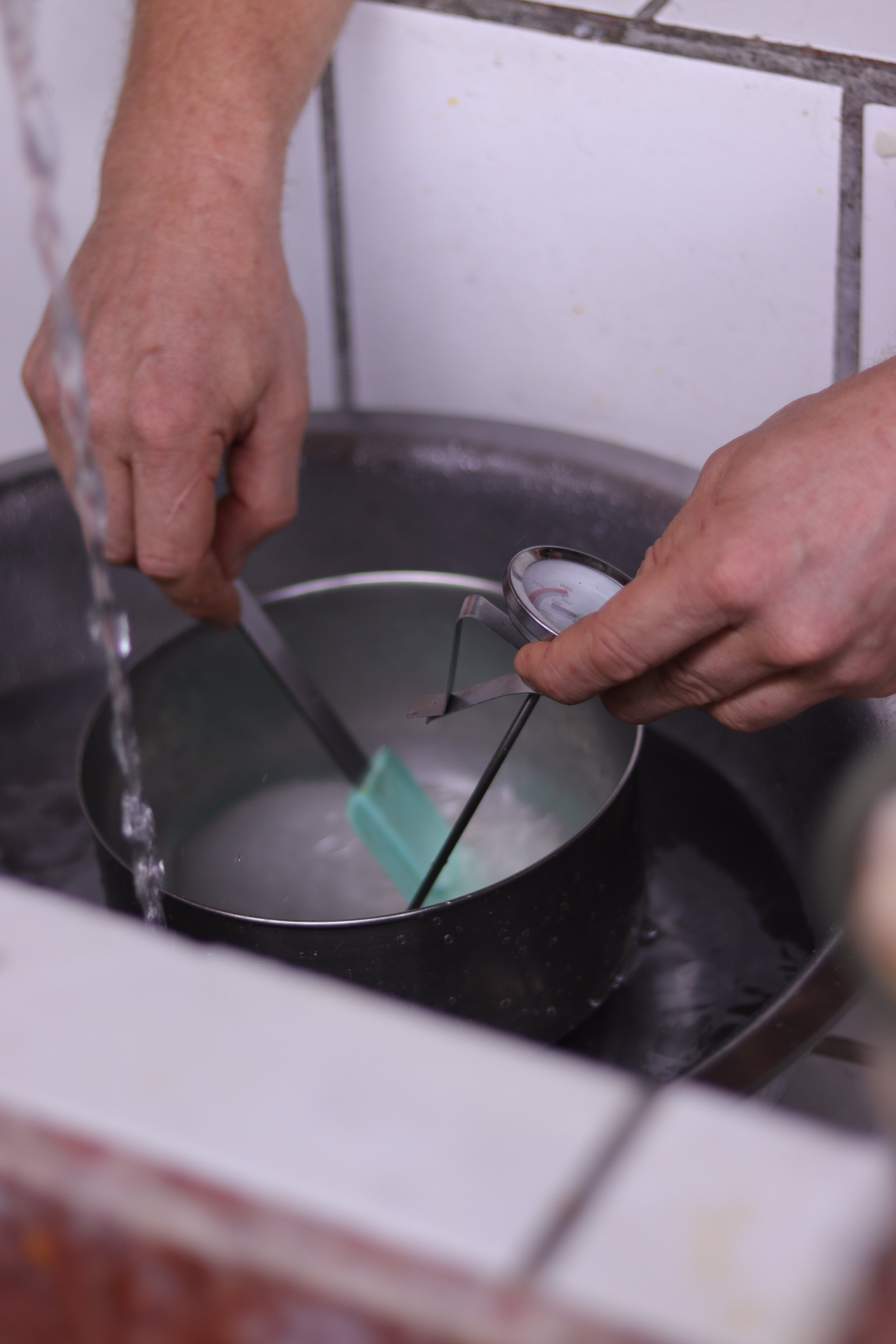
Heat your oils to between 110-130 degrees Fahrenheit.
Add the salt to the water and then add the lye to the water, stirring constantly to make sure it doesn’t stick on the bottom. Lye is very caustic and will burn if it gets on your skin. Wearing eye protection and gloves is recommended. The lye water solution will heat up quickly and begin off gassing, so keep your head away from directly over the bowl and do this in a ventilated area. You need to cool the lye water solution down to between 110-130 degrees Fahrenheit.
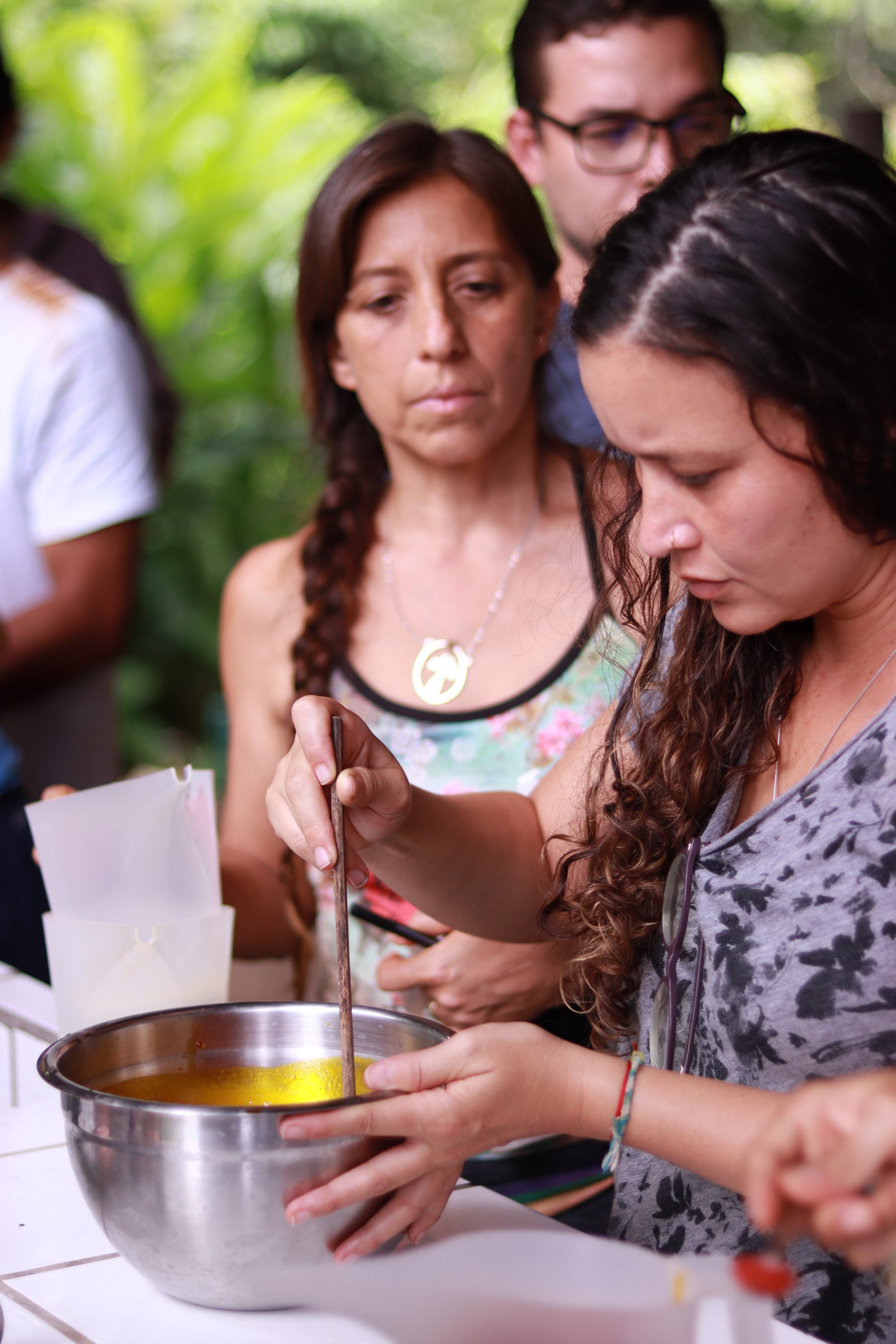
You want your oil and lye water to be at the same temperatures. Once they are both within a few degrees of each other (between 110-130 degrees Fahrenheit), pour the lye water into the oil and stir.
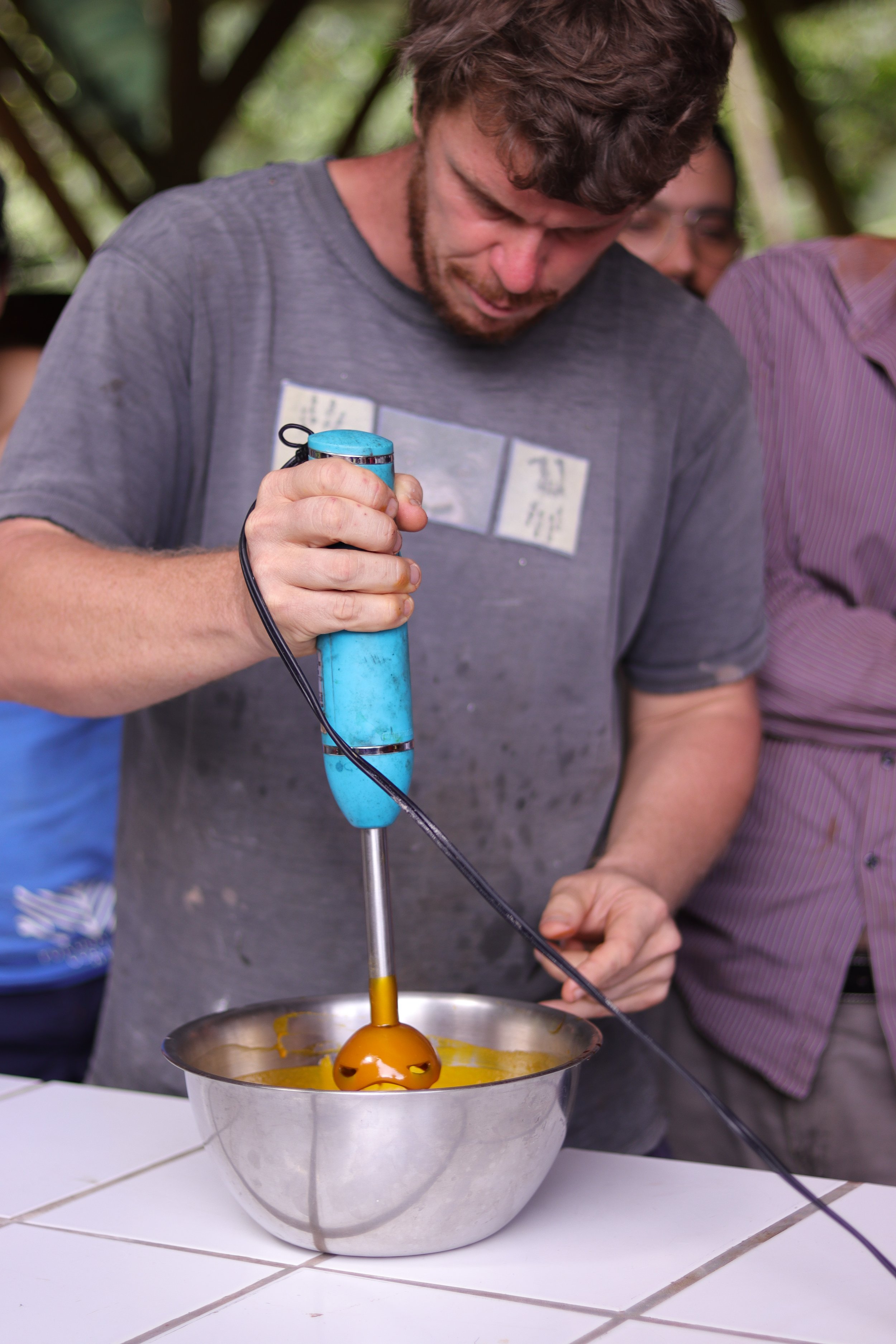
Using the emersion blender begin slowly blending this solution, being careful not to splatter the mix on your skin or in your eyes.
You are now looking to get the solution to a light trace. Meaning when you drizzle some on the surface the lines are visible on the surface.
Once you have reached a light trace you can then pour the mix into your molds.
Wait 48 hours to pop your soap out of the mold.
Place in a ventilated area and let it cure for minimum 3 weeks before using.
This version of soap making is called ‘cold process’, there is also a ‘hot process’ that involves slow cooking the ingredients which speeds up the saponification and curing time. To make liquid soap is another process and uses potassium hydroxide.

You can get super fancy and add fragrances, put in additives, and make pretty designs. I would do a couple simple batches before advancing to these. But in no time you will have perfected the process and be ready to make some gorgeous, sustainable, and luxurious soap.
Soap and permaculture go hand in hand. Making our own soap meets our environmental and sustainable goals, and beginning to do things for ourselves instead of relying on the big companies. Join us for one of our Permaculture Design Courses where we will have a class on soap making along with natural building, fermentation, soil building, and more.
Happy soap making!

Tropical Brewing
The craft brewing movement has migrated to Central America and the Caribbean. A growing number of small scale artisanal producers are building on the American Craft Brewing tradition by incorporating local spices and fruits into traditionally brewed ales. To distinguish themselves, from their temperate counterparts, they are adding a tropical flare and creating innovative flavor combinations
by Connor Harron
The craft brewing movement has migrated to Central America and the Caribbean. A growing number of small scale artisanal producers are building on the American Craft Brewing tradition by incorporating local spices and fruits into traditionally brewed ales. To distinguish themselves, from their temperate counterparts, they are adding a tropical flare and creating innovative flavor combinations. For example Domingo7’s Maracuyá Pale Ale (that’s Spanish for Passionfruit) in Costa Rica, Ocean Lab’s B.O.B. - Blood Orange Blonde in Puerto Rico and Lu Bru’s Maiz Azul (Blue Corn) Ale in Mexico all demonstrate how local producers are beginning to incorporate regional ingredients into local craft beer movements. This is surely a positive development and one that leads us to consider other ways we might be able to further highlight local and seasonal ingredients into craft beers.

These efforts will help to make brewing both more sustainable and position craft brewing as a vehicle for more thoroughly exploring terroir, which describes the potential for fermentation to be used as a method of expressing the unique environmental conditions of the places in which our ferments are produced. By using exclusively local ingredients as well as wild captured yeasts, we have the power to capture the unique flavors of seasons and regional differences that allow for near infinite variation and creativity to explore new combinations of flavors that are rooted in cultural tradition while simultaneously pushing the frontier of artesian brewing. As much as I love finding good craft beer in places like Mexico and Costa Rica, I constantly find myself asking if it really makes sense to be brewing beer with imported German Barley and Hops from the Pacific Northwest United States when there are such a plethora of sugar sources and bittering herbs available locally in nearly every corner of the globe. Could we instead develop beers using a hybridized process and create products that are truly local while still maintaining the key characteristics that make beer, beer?
Speaking of, have you ever asked yourself what it is that really makes a beer? It turns out, the answer really depends on who you ask and where you live. In the most general terms, beers are fermented from carbohydrate rich starches (typically grains such as barley) that first need to be enzymatically converted into simple sugars and extracted into a liquid malt before the substrate can be fermented to produce appreciable levels of alcohol. Wines and Ciders on the other hand, are fermented from fruits and simple sugars that can be fermented into alcohol with limited or no processing. In the case of beers, bittering herbs such as hops are commonly added to provide antimicrobial properties, improve shelf stability and add complex flavors to ferments. In the United States, it turns out that hops are not required in the production of beer and that there are many malt substitutes that are allowed in the production of beer, including “rice, grain of any kind, bran, glucose, sugar, and molasses (TTB Ruling, 2008).” This definition is actually quite liberating, and creates the opportunity to experiment with non-traditional malts and bittering herbs in ways that will promote creativity and improve the sustainability of the craft brewing market globally. This flexibility in malt production will be especially important given that recent climate models suggest that the regional distribution of barley production will become increasing restricted over the next 20 years (Nature, 2018).

In Costa Rica, we have been experimenting and finding repeated success using a wide range of local ingredients including banana, corn, rice, cacao beans, coffee and local cane sugar for producing malts. Corn and bananas, for example, both have long cultural traditions of being used in the creation of local beers. In Eastern Africa, Bananas have long been used to create malt for the production of banana beer (Urwaga or Mubisi as it is locally known). Bananas make for an interesting malt base because they fall into a relatively unique category of fruits that when ripe are rich in both simple sugars and complex carbohydrates that can be easily fermented into a strongly alcoholic brew while maintaining a mouthfeel that is remarkably similar to beer brewed from barley. When the ripe bananas are boiled for several hours, the sugars begin to caramelize, transforming the flavor of the malt into a sweet, neutral flavored base that remarkably, tastes very little of banana, making it an ideal substrate for mixing with bitter herbs or other local products such as coffee and chocolate that can be fermented into either an Ale or Stout like brew.

Conversely, in many parts of South America, but perhaps most notably in Peru, Maize has been used for centuries to produce a corn beer called Chicha. Unlike barley, which when sprouted produces a large concentration of Amylase Enzymes (the key types of enzymes needed to convert complex carbohydrates into fermentable sugars), to make a corn beer, these enzymes need to come from another source. The indigenous peoples of South America developed an ingenious solution to this challenge when they discovered that chewing the cooked corn would transform the starchy, carbohydrate rich grain into a sweet masa that could then be re-boiled in water and strained to create a fermentable Wort made purely from Maize. Although many foreigners cringe when they first learn about the process, for the Inca’s, it was a powerful community building practice that would bring people together to sit around the fire, alternating between sharing stories and laughter while chewing the cooked corn and then depositing all of the masa into a large pot. Although they almost assuredly could not have fully comprehended the transformations that were taking place, their solution was so ingenious because human saliva is packed full of the enzymes needed to break down the carbohydrates in corn into fermentable sugars. I experimented with the traditional process a couple years ago, and I have to admit it was a powerful community building process that for me, took the idea of collective fermentation to a whole other level. Talk about terroir!
The problem with the traditional process is that it is incredibly labor intensive. If you are lucky, like me, you might be able to convince your friends to help you chew a few pounds of corn once or twice for the novelty of the experience, but you are likely to be hard pressed to find a consistent source of labor to chew through the many pounds of corn you will need to produce even a few gallons of Peruvian style Chicha. Fortunately, today we have access to many sources of amylase besides our saliva. As it turns out, ripe bananas (and in particular, ripe banana peels), contain a very high concentration of the same amylase enzymes needed to convert the starches in Maize into fermentable sugars. If you think about it, this actually makes a lot of sense. Unripened green bananas and plantains are a very starchy staple food crop that is used culinarily in a similar fashion to potatoes. As the skin yellows and the banana ripens however, the banana naturally transforms those carbohydrates into simple sugars that make dessert bananas so pleasant to eat directly out of hand.
Due to the high concentration of amylase enzymes present in ripe banana peels, they can be dehydrated and pulverized into an enzyme rich powder that can be mixed with ground maize and water and then mashed similarly to a barley based beer between 140-160 F for 2-24 hours (depending on the ratio of corn to powdered banana peels used) before being strained and boiled to make a fermentable wort. You’ll need to taste the Mash or use iodine strips to determine when the conversion has been completed. There are actually lots of fruits and vegetables that are rich in amylase enzymes. Sweet potato, for example, has such a high concentration of these enzymes that its peel is often used in the commercial production of Amylase.
Alternatively, instead of using the enzymes present in another product, it is also possible to ferment grains with certain types of molds that consume starches and in turn naturally produce the enzymes needed to convert the grains of carbohydrates into fermentable sugars. In Japan for example, Aspergillus Oryzae (or Koji as it is better known), is a humble yet miraculous mold that has been grown on rice for millennia in order to sweeten the rice and make Sake. It is also the key ingredient for making naturally brewed Soy Sauce or fermenting Miso due to the rich diversity of enzymes Koji produces that not only sweeten carbohydrate rich foods, but also break down proteins into amino acids that are the basis for savory foods and the flavor of umami. Due to these impressive properties, koji has now made it’s way out of Japan is slowly become increasingly familiar around the globe. This is assuredly a wonderful thing, because it has now been well established that Koji can be grown on a variety of substrates and virtually any grain, including rice, barley and corn, making it an ideal candidate for assisting in the brewing process anywhere on Earth.

To further explore local flavors and novel combinations, while boiling our worts we have been experimenting with using a variety of local bittering herbs and teas to add complex flavors to our beers, including ginger, turmeric, lemongrass, vanilla and many others. During either primary or secondary fermentations, we use nylon mesh bags weighed down with boiled volcanic rocks to infuse fresh fruit from the farm such as Pineapple, Soursop, Starfruit, or freshly roasted Cacao Nibs, just to name a few examples. Finally, by fermenting our beers with mixed cultures, wild captured yeasts and/or locally adapted strains, we have been able to produce ales with several layers of harmonious flavors, which provide depth and complexity that is only possible to achieve with mixed culture fermentation.
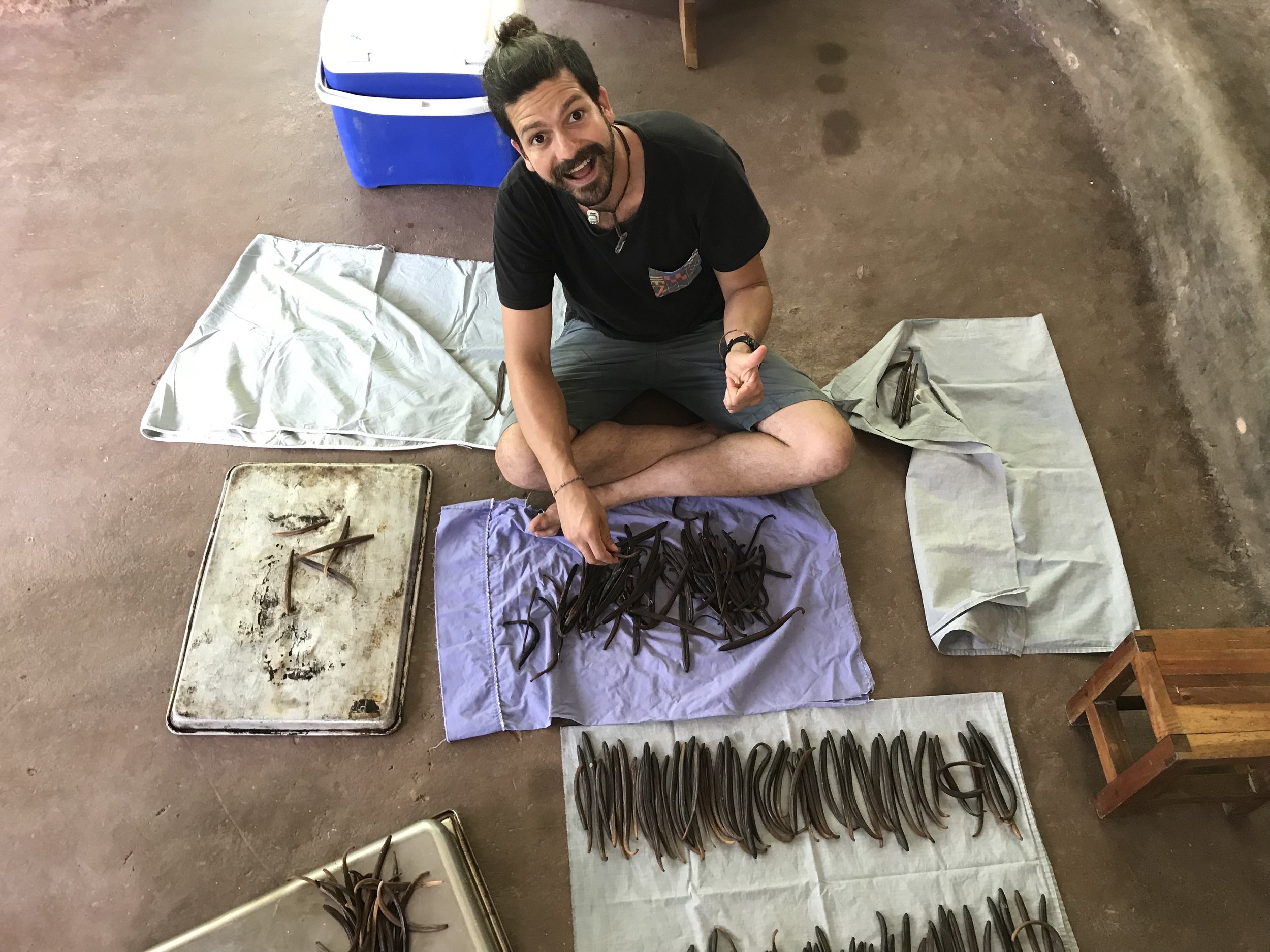
I would not have believed what a powerful role yeast and bacteria play in the creation of complex beers and wines when I first started brewing over a decade ago. Now however, I have learned first hand just what a difference the cultures we use can make. The experience of trialing yeast captured off of different fruits and flowers has led me to encounter flavors I never would have dreamed possible. Some have certainly been on the far side of the funky extreme, including cultures that produce the dreaded odor of sweaty feet or burnt rubber. This however, is exactly the reason for small scale trials rather than placing our faith in large scale spontaneous fermentation. Once you discover the joy of fermenting a simple malt of dissolved sugar or Dry Malt Extract with wild yeast and tasting apples, pears, or other citrus fruits magically appear in the finished product, I believe that like me, you will never want to use a commercialized yeast strain on it’s own again.
I believe that by drawing from the richness of our cultural traditions around the world, we have the potential to greatly expand the breadth of our palates and to more intimately link our brews to the time and place in which they were crafted. The craft brewing revolution is still in its infancy and if I am to have a part of to play in it’s development, then Ginger Hibiscus Sake Hybrids, Banana Coffee Stouts, and Mayan Chocolate Ales will be just the tip of the iceberg.

If you would like our simple Hooch recipe, read our blog article with step by step instructions. If you want to learn more about the wild world of fermentation consider joining us for our year long apprenticeship where apprentices go deep into advanced fermentation techniques.

Gardening and Permaculture practices at the Ranch
Here at the Ranch the year long apprentices have various roles and functions that support the Ranch community. By taking on responsibilities and managing certain areas we the chance to learn and experience those areas on a deeper level . Part of the educational model created by the ranch team is a monthly rotation of these so called life skills. Each apprentice transitions their life skill to the next apprentice, passing on all of the relevant information to their colleague in order to complete the various tasks associated with each life skill.
by Diana Dagash
2019 Apprentice

our front gardens
Here at the Ranch the year long apprentices have various roles and functions that support the Ranch community. By taking on responsibilities and managing certain areas we the chance to learn and experience those areas on a deeper level . Part of the educational model created by the ranch team is a monthly rotation of these so called life skills. Each apprentice transitions their life skill to the next apprentice, passing on all of the relevant information to their colleague in order to complete the various tasks associated with each life skill.
One of the life skills is currently called the Garden Gnome. I would like to share some of my experience and reflections from doing this task every morning for a month. The garden gnome is in charge of maintaining the front gardens. This is referred to as our zone 1 garden using permaculture lingo. It is the area that is in closest in proximity to the most frequently used space- the main house. In the Zone 1 gardens we grow herbs, annual and perennial crops such as mustard greens, katuk, Haitian basket vine, hibiscus, cucumbers, squash, yard long beans,wing beans, radishes, sweet potato, moringa, basil, oregano, mint, parsley and curry leaf and other amazing tropical goodies which we use in our kitchen everyday. Having these crops growing in close proximity to where we spend most of our time allows us to easily provide the daily maintenance of this space such as watering, harvesting and weeding.
In Rancho Mastatal we approach gardening through a permaculture lens. By mimicking the patterns in nature we are able to create micro climates in which our crops thrive. We create systems that have many functions and support other systems in their functions, allowing them to thrive in harmony with nature. We apply a range of those practices at the ranch and we continue learning and experimenting with new possibilities.
Given that we live in the tropics we have two opposite seasons, about half the year its is dry and the other half rainy. Although the dry season has its own challenges I can only speak from my own experience taking care of the garden in the rainy season, for instance i believe that in the rainy season there is a lot of weeding whereas in the dry season there is a lot of watering!
As the rains increase in volume and frequency it is a time when everything begins to grow rapidly. The jungle fills up with even more green vegetation, popping out of every space available. It rains consistently every afternoon , sometimes all day and night. The soil is saturated . It is a happy time for ALL living things to thrive, including some of the more challenging species like mold, fungus and insects. Some of our crops were over taken by fungus or eaten by insects, others became over saturated with water as they were lacking sun and/or air flow. As with every challenge, i found an opportunity to research and experiment with natural recipes for pest and fungus control.
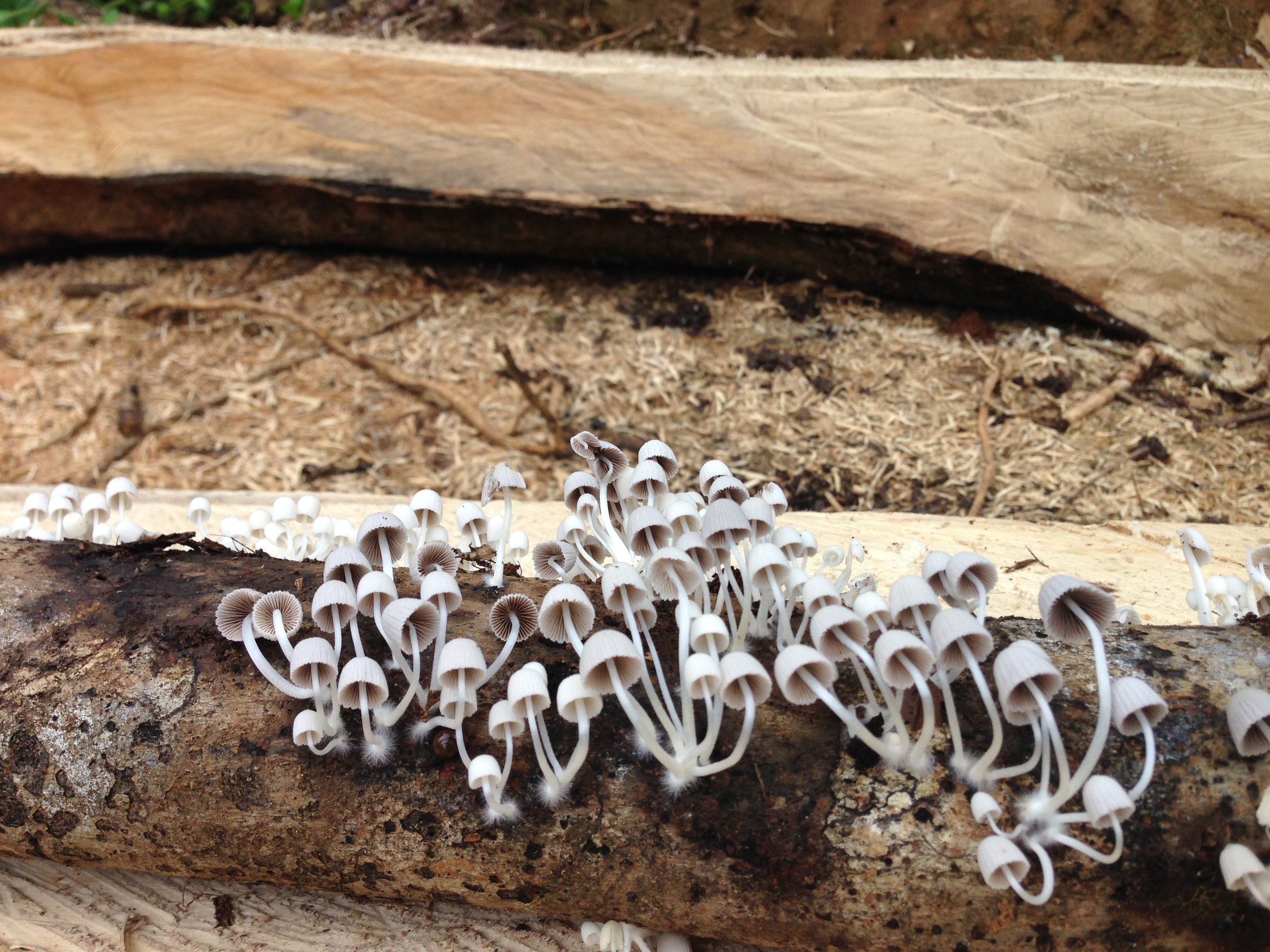
with the onset of the rains, mushrooms started popping up everywhere
My days started early in the mornings with a walk through the garden, observing the plants and checking the soil moisture levels. As I walked I noticed plants that seem to be struggling and tried to identify what might be affecting them. This is then communicated with the garden manager so we could discuss further ideas and solutions. We researched potential natural insecticides and fungicides that could help solve these issues.
Here is some of what we have learned and the practices we apply here at the ranch.
We are surrounded by amazing medicinal plants growing all around us, thriving under the jungle canopy or occupying disturbed pockets. These plants contain medicinal properties that can benefit humans as well as plants.

For example turmeric contains anti-inflammatory and antibacterial properties beneficial to humans and when planted among the roots of a tree, benefits the tree with those same properties This is referred to as companion planting. By planting diverse species next to each other they are able to support, protect and ultimately benefit one another. This can be as simple as providing shade or wind protection. Not only can companion planting by a useful tool in our belt to fight against disease and pest pressure but we can also use the properties of some local herbs. Here are some examples of what we have been doing.
Jackass bitter - the most bitter herb known, contains antifungal and antiparasitic properties. Spraying this tea onto diseased plants can repel insects and prevent fungal issues.
Inter cropping aromatic herbs like oregano, lemon grass and basil with certain food crops can confuse and repel insects with their scent and prevent disease with their antimicrobial and antifungal properties.
Using the shade of the cucumber trellis to help shade and shelter more delicate herbs underneath them.
Using peanut grass as a living mulch to crowd out weeds and provide nitrogen to the soil underneath some of our taller perennial crops such as Katuk and Cranberry hibiscus.
Planting Marigolds everywhere to reduce nematode populations, there is controversy about the effectiveness of this though.
Working in the front gardens has also made me reflect on the ideas of closed loop systems. As i am partially responsible for management of the kitchen compost. I really like the idea that there is no such thing as waste. Everything can be transformed into something useful. All of our food scraps are composted creating a finished compost that can then be added back to the soil to enrich it, closing the loop.

Another big part of the practices we apply when it comes to the food forests is observation of the environment and meeting the land's needs by mimicking patterns in nature. Thanks to all the researches and life long practices in the agro forestry and gardening world, a network of knowledge has been created for us to share our experience and knowledge. We are continuously learning and working towards improvement of our systems.
With each piece of land we carry the responsibility for the history, present and future of it. It is up to us to create a relationship with our land, to observe it's needs and potentials.To be stewards of the land and assist it to become a healthy ecosystem in which we can humbly live and feed ourselves.
This experience, of being an apprentice at Rancho Mastatal, has opened my eyes to a new world of possibilities, inspiring ideas, regenerative solutions, discovering new ways to live lighter on the planet and in harmony with nature .
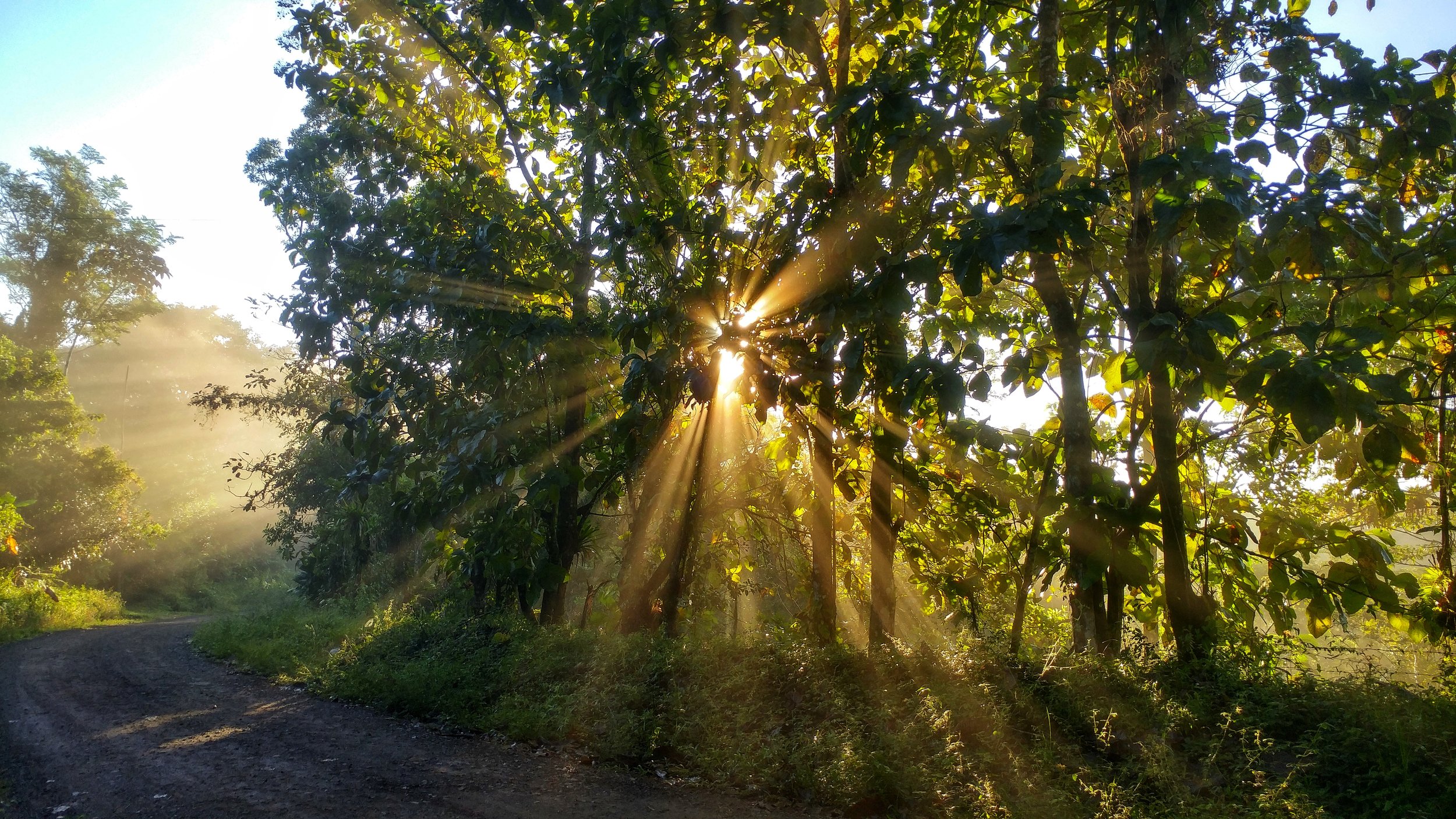
I am inspired by the movement towards an ecological , sustainable lifestyle and feel grateful to be a part of a project that focuses on sustainability, permanent culture and agriculture.
I invite you to share your experience and discoveries with growing food in the lowland tropics.
What interesting practices have you learn about recently?
Which annual crops did well for you in the tropical rainy season of Costa Rica?
What kind of companion planting worked well for you?
Would love to hear from you!
Blessings,
Diana D.
For more information about Permaculture consider joining us for our Permaculture Design Certification. For info about being an apprentice please go to the apprentice page. Here you will find in depth descriptions of what life is like in Mastatal.
Vegetables & Greens that Thrive in the Tropical Rainy Season
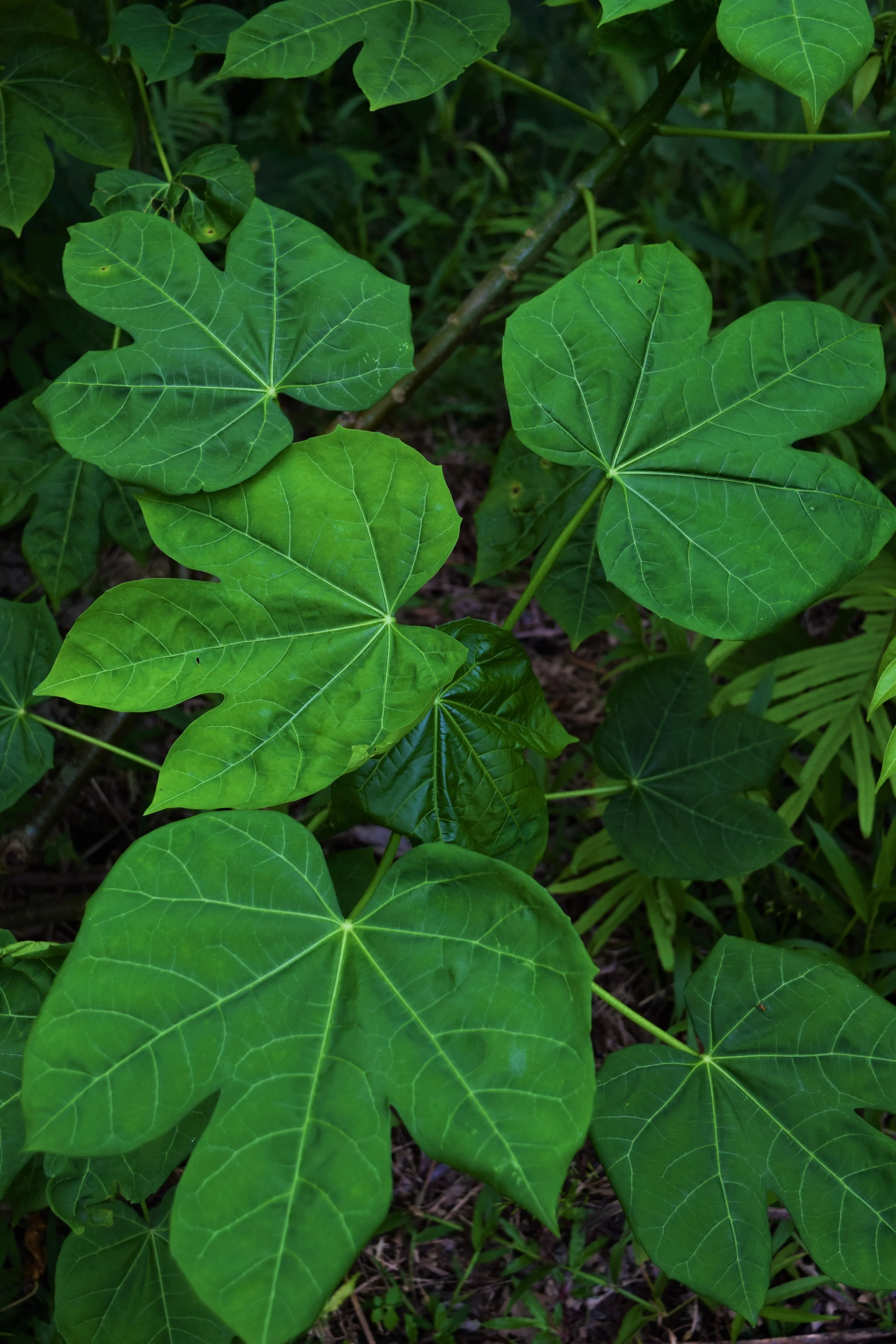
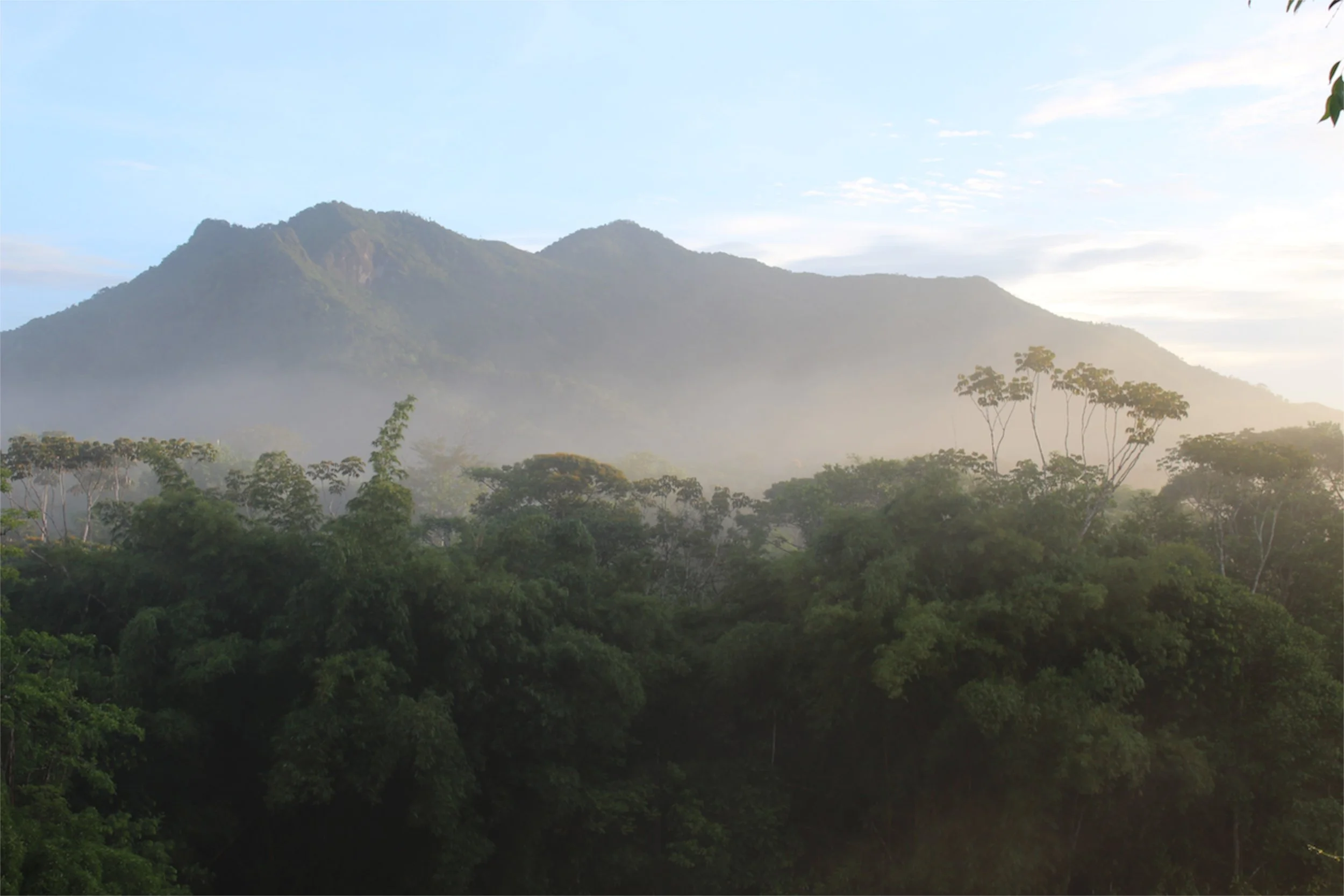
When the rainy season arrived, it started with a sense of relief - dry season went on longer than expected and our trees and plants were scorching in the heat. For myself the cooler air was welcome comfort, and the rains a reminder of home and getting cozy. Mornings were beautiful with the sight of the sun rising through the dewy mist.
By Amy Dodds,
2019 Apprentice
When the rainy season arrived, it started with a sense of relief - dry season went on longer than expected and our trees and plants were scorching in the heat. For myself the cooler air was welcome comfort, and the rains a reminder of home and getting cozy. Mornings were beautiful with the sight of the sun rising through the dewy mist.
But very soon our zone one vegetable gardens with our recently planted greens began to suffer - the sheer force of the rains and the humidity brought fungal and mildew issues. Faced with the reality that our beans and delicate greens were going to die out, I thought about the potential of using cover crops, such as sweet potato, for the rest of the year. But this did not seem to fit in my idea of what permaculture asks us to do: observe and interact with the environment we are situated in and use that to our advantage. With this in mind, we at Rancho Mastatal have been planting crops that thrive both in the intense heat and thumping rain. Below are some of the most popular vegetables that we are growing in the Ranch that are suitable for the rainy season:
Cucumber:
Cucumbers have been abundant in our garden this season with us pumping out quick pickles nearly every day. Not bad for a community feeding 30-40 people daily! Thankfully, cucumbers like warm, humid weather. We grew ours by seed on a trellis to allow for more air flow and for the fruit to stay above ground.

Okra:
Described as among the most heat-tolerant vegetable species in the world. It is planted for its seed pods which can be cooked, pickled, eaten raw, or included in salads. It does become mucilaginous so do consider this if you're sensitive to the slime.
Kang Kong spinach:
This leaf green is native to southeast Asian and is delicious stir-fried with soy sauce and garlic. It is a semi aquatic plant, a creeper that grows in or near the water on moist soils, so it is ideal for our climate.

Hibiscuses:
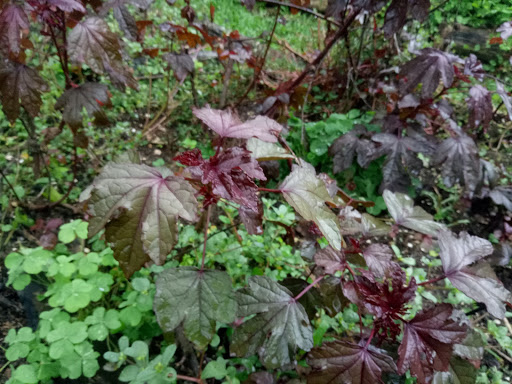
Both Green and Cranberry Hibiscus are delicious perennials that thrive in the warm and wet. They self seed easily during dry season so when the rains come you have a whole bunch of babies to keep your salad zesty and fresh. The leaves do contain oxalic acid so cannot be consumed in large, consistent quantities.
Chaya:
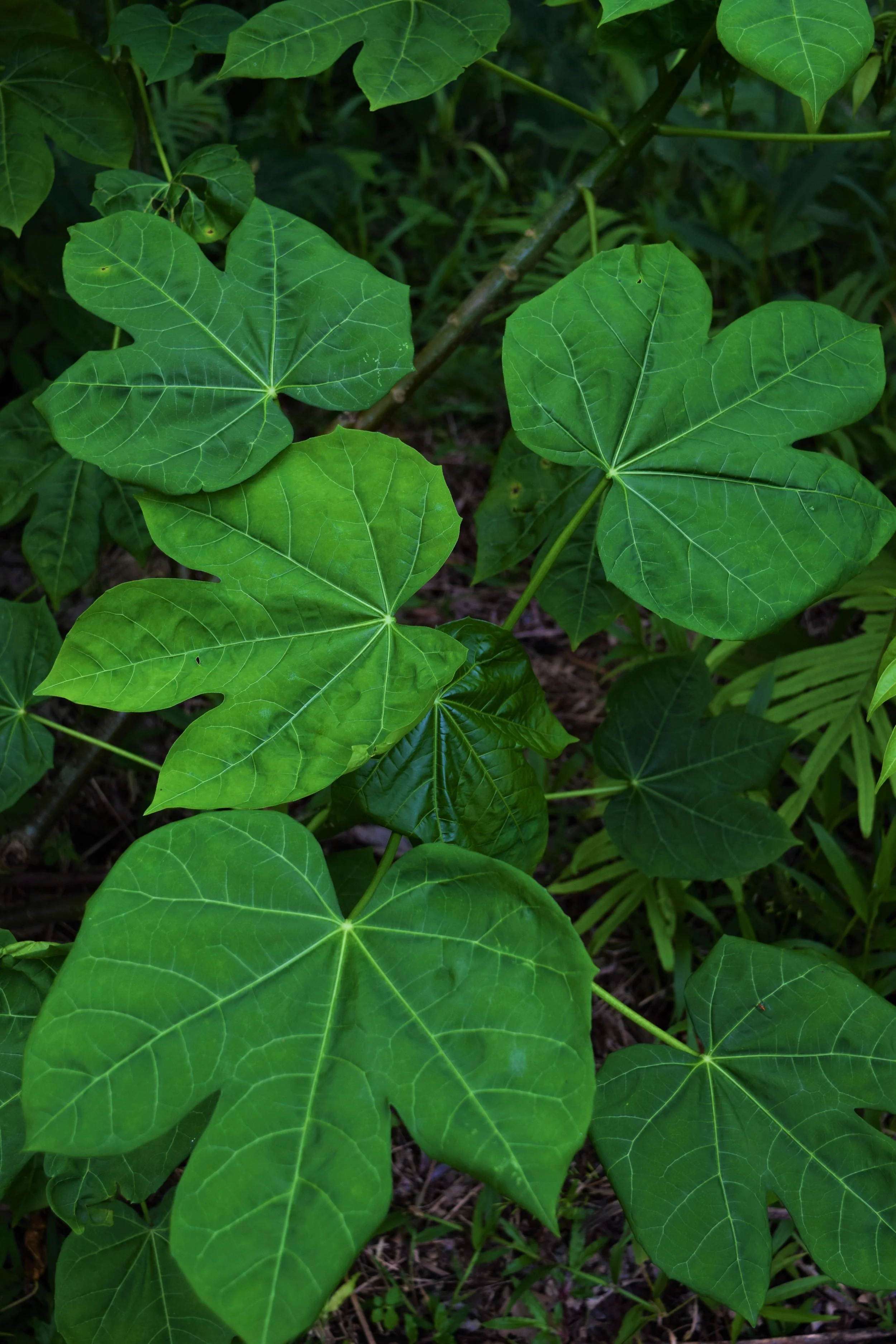
Also known as tree spinach this is an excellent perennial green native to Mexico. It's leaves are edible once cooked, like spinach. It's easy to propagate by cutting and loves the heavy rain.
Malabar spinach:
Malabar spinach is another heat and moisture-loving spinach-like green. The succulent leaves can be eaten both raw and cooked. We have only a few plants so we are trying to improve the population. We use a trellis to support its tendency to vine.
Winged bean:
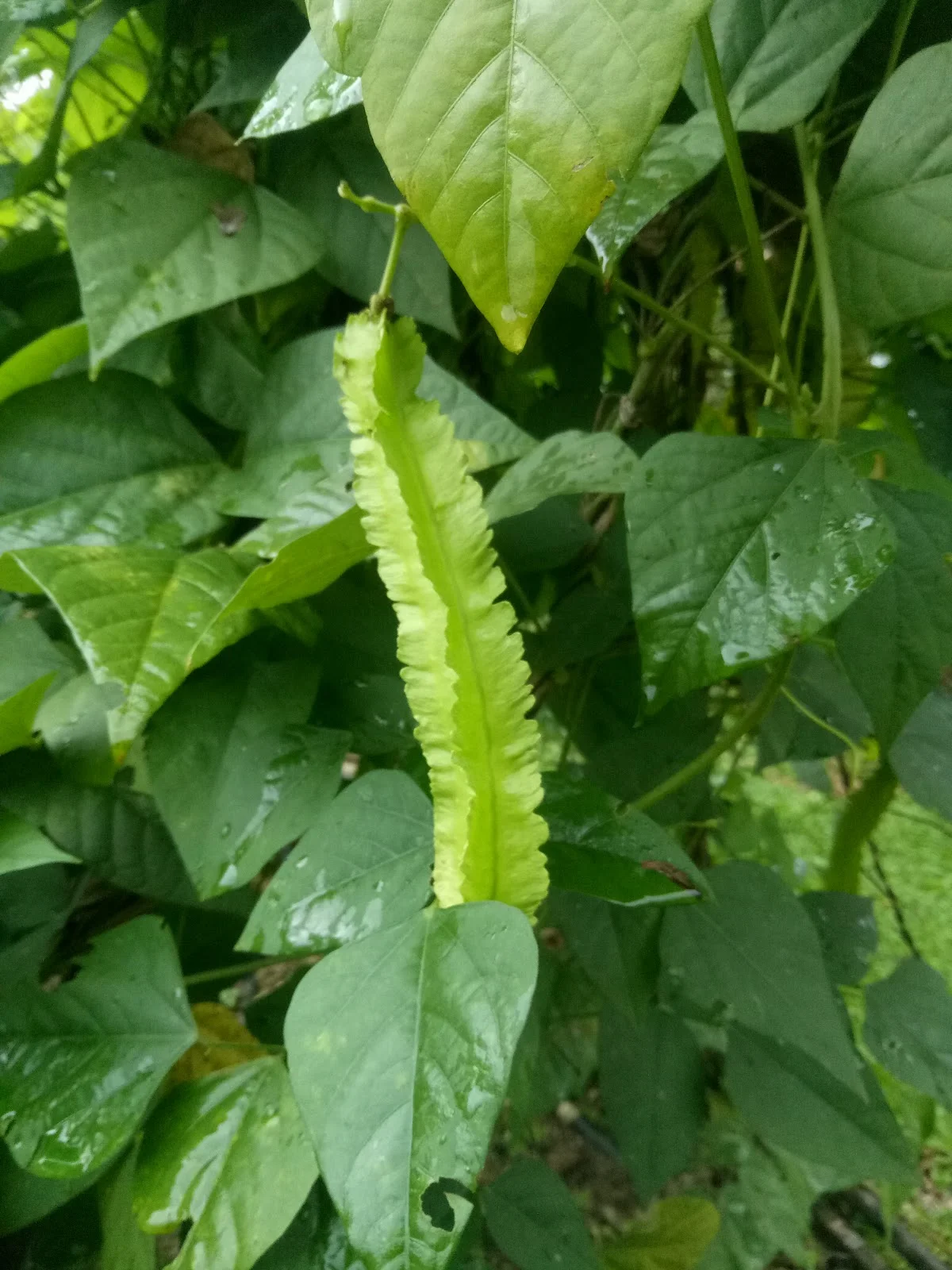
Also known as Goa bean and princess beans, these are sweet protein packed vegetables that do well in heat and humidity. They can fix their own nitrogen when the bacterium Rhizobium is in the soil. They are best harvested young and tender, and great raw in a salad.
Other more delicate greens we are growing in our nursery as they don't require as much water, such as Arugula, mustard greens and Asian cabbages.
By having our covered nursery space we are able to grow things under cover that otherwise would not do so well outside, we are also experimenting with making some movable covered spaces for out outdoor garden beds….. we will update you with progress so make sure to Like and Follow us on Facebook & Instagram

Choosing Consciously for Healthier Families and a Safer Home
Many of us grow up thinking of home as our safest place. As consumers, we have been led to believe that by the time products make it to the market, they have been thoroughly tested and proven safe. We pick up packaging and read labels before buying, just to know what is in the products. But, what does a label really tell us? What are these manufactured products made with? Where and how was it cultivated, processed, packages and shipped?
By Sharleen Marie, Rancho Mastatal Teaching Staff, 2019
Many of us grow up thinking of home as our safest place. As consumers, we have been led to believe that by the time products make it to the market, they have been thoroughly tested and proven safe. We pick up packaging and read labels before buying, just to know what is in the products. But, what does a label really tell us? What are these manufactured products made with? Where and how was it cultivated, processed, packages and shipped? When I first began looking for answers, I encouraged myself to search, detach and reeducate myself about how better make conscious decisions and take actions aligned with my principals and values for my body, my community and my environment. I became passionate about searching what I now choose for nourishment in food, personal care, and lifestyle.

To begin this journey, I intentionally created the habit of choosing all products based on their ingredients rather than their label. I am grateful and fortunate that I had many people around me who inspired me to learn new ways in which I could live a sustainable life, aware of and driven to practice what was best for me, the people and the places I love and care about. After reading this article, I encourage you to continue your journey to discover alternatives solutions and create the changes that produce the results you wish to see in the world.
Don’t just Trust Labels Read the Ingredients
Labels can be misleading. What we think we know about a product may not be true. How safe are your cleaning supplies and skin care products, really? What does ‘Eco-friendly’, ‘Biodegradable’, ‘Natural’ and ‘Nontoxic’ really mean? For example, when we talk about biodegradability of a material or substance, we’re talking about its ability to be broken down into its smallest components parts. This decomposition can be caused by various natural forces like: hungry microorganisms with a digestive system that can break compounds apart into simpler substances, and by contact with light or water, processes called photolysis and hydrolysis consequently. Biodegradability lies at the heart of nature’s sustainable recycling system. Once created, everything from plants to animals is eventually broken down into its most basic parts, which then become the building blocks for new life that itself will some day similarly decay.
When it comes to household, skin care, beauty, and cosmetic chemicals, biodegradability is generally a good thing. In order for a product to be labeled as biodegradable, Federal Trade Commission (FTC) guidelines state that it must degrade when exposed to air, moisture, bacteria, or other organism, and it must return to the natural environment in a reasonably short time when properly disposed of. There is no standard or oversight for the label; manufacturers may label products “biodegradable” at their discretion.
Understanding What You Read

The business of manufacturing cleaning and cosmetic products relies on chemistry. Chemistry itself is not a bad thing. It’s the kinds of chemicals we make and use that matter. Like most anything else, there is a good side and a bad side to all the molecular manipulation chemists practice. There are safe chemicals, and there are unsafe chemicals. Our problem today is that we don’t know which are which. Chemical companies are not obligated to list the ingredients in their products, better known as Voluntary Disclosure Program. This program leaves of decision of wether or not to list ingredients at the sole discretion of the manufacturers. Manufacturers can also legally omit hazardous chemicals if they are part of a mixture the company claims to be a trade secret. (1)
How much do we know about the effects of daily contact with toxic household materials that retailers sell on faith, while we ourselves are serving as the test tubes while we live, breath, and raise our families among these components every day? Toxic chemicals found in detergents, perfumes, solvents, pesticides, pharmaceuticals, personal care products and household cleaners vary in their severity – from acute (immediate) hazards such as skin or respiratory issues, chemical burns or watery eyes to chronic (long term) hazards.
According to an Environmental Protection Agency (EPA) study of human fatty tissue samples, every American man, woman, and child carries at least 700 pollutants in his or her body. (2) Today, there are an estimated 80,000 different chemical compounds being made and used. (3) In 2016, the EPA named the first 10 chemicals it will evaluate under the new Frank R. Lautenberg Chemical Safety for the 21st Century Act, the first update since 1976 of the nation’s primary toxic substances law. (4)

In the last several years, a growing body of scientific evidence has indicated that the air within homes and indoor environment can be more seriously polluted than the outdoor air in even the largest and most industrialized cities. Other research indicates that people spend approximately 90% of their time indoors. Thus, for many people, the risks to health may be greater due to exposure to air pollution indoors than outdoors. In addition, people who may be exposed to indoor air pollutants for the longest periods of time are often those most susceptible to the effects of indoor air pollution. Such groups include the young, the elderly and the chronically ill, especially those suffering from respiratory or cardiovascular disease.
The evidence that does exist strongly suggests that exposure to many of the common products we take for granted can cause chronic diseases, cancer, fertility issues, ADHD, compromised immune system, hormone disruption, nerve and organ damage, allergies, asthma, sinusitis, anxiety, depression, and other health problems. Do any of these health problems sound familiar?

The 2017 American Association of Poison Control Centers' National Poison Data System (NPDS) reported, consistent with the previous year, that the top 5 substance classes most frequently involved in all human exposures were analgesics (11.08%), household cleaning substances (7.43%), cosmetics/personal care products (6.76%), sedatives/hypnotics/antipsychotics (5.74%), and antidepressants (5.02%). Including the top 5 most common exposures in children age 5 years or less were cosmetics/personal care products (12.59%), household cleaning substances (10.96%), analgesics (9.18%), foreign bodies/toys/miscellaneous (6.39%), and topical preparations (4.84%). (5)
Healthy homes must extend into the larger world beyond our windows. By definition it means not only making sure that the activities that take place inside our houses are as nontoxic as possible, but also doing whatever we can to make sure that these activities don’t negatively impact the environment outside. As ever increasing amounts and types of different industrial chemicals are being manufactured and used, our environment is becoming increasingly contaminated by the pollution these chemicals create. This is because many of the synthetic chemicals made today do not easily break down into harmless bits and pieces as natural materials do. Instead, they resist decomposition, and once they are introduced into our air, water, and soil, they tend to remain there for long periods of time. This persistence means that as more of these chemicals enter our environment and bodies, they accumulate in ever larger amounts.
What Can I Do? Small Changes = Huge Benefits
Manufacturers and the organizations that works to protect their interests aren’t going to make the changes we need. If, as consumers you want the right to know exactly what is in the products you purchase and to change the toxicity of products used all around you and your family, you need to ask for and demand change.
Research the products you buy. Purchase only from companies that list all the ingredients on their products’ packaging. When you do have a concern about a commercial product, contact the company and express your concerns about their ingredients and/or marketing practices.
Ask the places you frequent —schools, daycares, workplaces, in community centers— to change the products they use to safer, less toxic supplies for the well being of our children, friends, parents, and community.
Speak about this issue and your concerns with your family, neighbors, coworkers and friends.

Make your own cleaning products for your home, using less toxic ingredients. There are many resources available including immersive trainings like Sustainable Practice: Homesteading to Skin Care, which I will co teach this May 2019. During the course students will learn how to create their own line of nontoxic natural products and free themselves from a dependency on wasteful commercialized goods. This course and others like it can provide an introduction to topics such as fermentation, distillation and herbalism in order to help build the foundation skills and confidence students often need in order to safely create their own personal care products and promote holistic wellbeing in their home and environment.
Article written by Sharleen Marie, co-founder of Atabey Botanicals, a social enterprise dedicated to supporting you develop practical applications of sustainability into your lifestyle that will improve your health and well being and protect the environment.
The workshop will be held at Rancho Mastatal, Costa Rica. Learn, Stay and Explore the education center, working permaculture farm, lodge and community rooted in environmental sustainability, meaningful, place-based livelihoods, and caring relationships.
To know more, access https://ranchomastatal.com/sustainablepractice or contact me through atabeybotanicals@gmail.com
Sources:
(1) Welsh, M. S., Lamesse, M., Karpinski, E. (2000) “Te verification of hazardous ingredients disclosure in selected material safety data sheets.” Appl Occup Environ Hyg. 15(5):409-420.
(2) US Environmental Protection Agency Office of Toxic Substances, “Analysis of Human Adipose Tissue, Volume 1: Technical Approach.” (1987) Accessed online on April 4th 2019, https://nepis.epa.gov/Exe/ZyNET.exe/10003C6I.txt?ZyActionD=ZyDocument&Client=EPA&Index=1986%20Thru%201990&Docs=&Query=human%20adipose%20tissue%20technical%20approach&Time=&EndTime=&SearchMethod=2&TocRestrict=n&Toc=&TocEntry=&QField=&QFieldYear=&QFieldMonth=&QFieldDay=&UseQField=&IntQFieldOp=0&ExtQFieldOp=0&XmlQuery=&File=D%3A%5CZYFILES%5CINDEX%20DATA%5C86THRU90%5CTXT%5C00000000%5C10003C6I.txt&User=anonymous&Password=anonymous&SortMethod=-f%3Apubyear&MaximumDocuments=15&FuzzyDegree=-1&ImageQuality=r85g16/r85g16/x150y150g16/i500&Display=hpfr&DefSeekPage=x&SearchBack=ZyActionE&Back=ZyActionS&BackDesc=Results%20page&MaximumPages=1&ZyEntry=1&SeekPage=x
(3) Steve Waygood, “Uncertainty Persists on Chemical Equation.” Environmental Finance, September 2004
(4) https://www.ewg.org/research/under-new-safety-law-epa-picks-first-10-chemicals-review
(5) Gummin DD, Mowry JB, Spyker DA, Brooks DE, Osterthaler KM, et al. 2017 Annual Report of the American Association of Poison Control Centers' National Poison Data System (NPDS): 35th Annual Report. Clin Toxicol (Phila). 2018 Dec 21;:1-203. PubMed PMID: 30576252.

How Can We Make a Change in the World
Everything seems to have been created by a higher intelligence that has designed this universe in mysterious ways for us to live off. We live in a perfect symbiosis with nature. Everything seems to have a purpose which co-exists with all that is around us yet we don’t have an explanation to all this perfection.
by Diana Dagash, Apprentice 2019
Everything seems to have been created by a higher intelligence that has designed this universe in mysterious ways for us to live off. We live in a perfect symbiosis with nature. Everything seems to have a purpose which co-exists with all that is around us yet we don’t have an explanation to all this perfection.
What if we had the access to tap in to the secrets of nature, would it be possible to live a healthier and more sustainable way?
How does our connection and understanding of nature relate back to ourselves?
What if the way we treat our own bodies reflects on the way we treat Mother Earth?
If we look at the patterns in nature we can see that Earth is a macrocosm reflection of our own organisms. Earth is our body, the trees our lungs, plants our hair. The waters, seas are our fluids, that are in sync with the moon and the planets. The stages of the moon reflect on our emotional, energetical and physical states. The new moon represents a new cycle for growth, setting intentions, regeneration and with the full moon we reach peak of our energy as the tides of the sea rise, the winds get stronger, nature is at its highest strength. It is a good time to harvest what we’ve sown.
When the body is ill and weak it struggles to regulate its own temperature the, extremes of hot and cold temperatures resemble the behavior of our planet. Observing today’s climate change and natural disasters reflect on how we’ve been treating this planet. We already see the consequences of our actions. We have abused and exploited the forests and waters.
Mother Earth is patient and compassionate, she embraces us , provides us with all our needs , we are her children. She needs our cooperation , our understanding of the messages she sends to us, for us all to survive and thrive. We have forgotten our origin, where our food comes from, what allows us to coexist.
We are trying to live against the cycle of life by suppressing our illness symptoms just as we are manipulating the weather to cover the climate change that we have caused. Society has surrounded itself with comfort, trying to protect itself from nature and to change its power dynamics .We came out of sync and communication with Mother Earth. We are already paying the price of destruction, exploitation of natural resources and struggle to live in abundance.
The amount of food wasted that could feed the whole world if we stopped and reevaluated our needs and priorities in life. The individualism and race to accumulate more that we could every possible need! The greediness has blinded many of us from love and care to ourselves , to one another and to the planet we live on. The industrialism has left very little space for small farmers to survive. The food grown is mass produced and poisoned in interest to earn money as well as pharmaceutical companies wants us to always come back.
Our heads have been turned to the other side. Our education has not introduced us to our connection with nature and the healing powers within us and around us. We have not been taught to peacefully communicate with one another, nor how to explore our inner world that provides us with intuition and peaceful mind.
It has been said already “ The whole world is within you.” If we focused ourselves within, maybe we could find the answers to our problems and create a peaceful world we there is no war?
“You cannot solve a problem with the same way of thinking that create it “
I believe that if we integrate education on sustainable living into schools, children growing up with have more much awareness on the importance of sustainable living and the change we can make to a healthier life.
I strongly believe that if we want a change education would be at the base of it all.
How I believe we can make a change:
1. Proper education on sustainable living for example : permaculture, agroforestry, natural building, carpentry, homesteading , making your own biodegradable body and cleaning products, culinary skills.
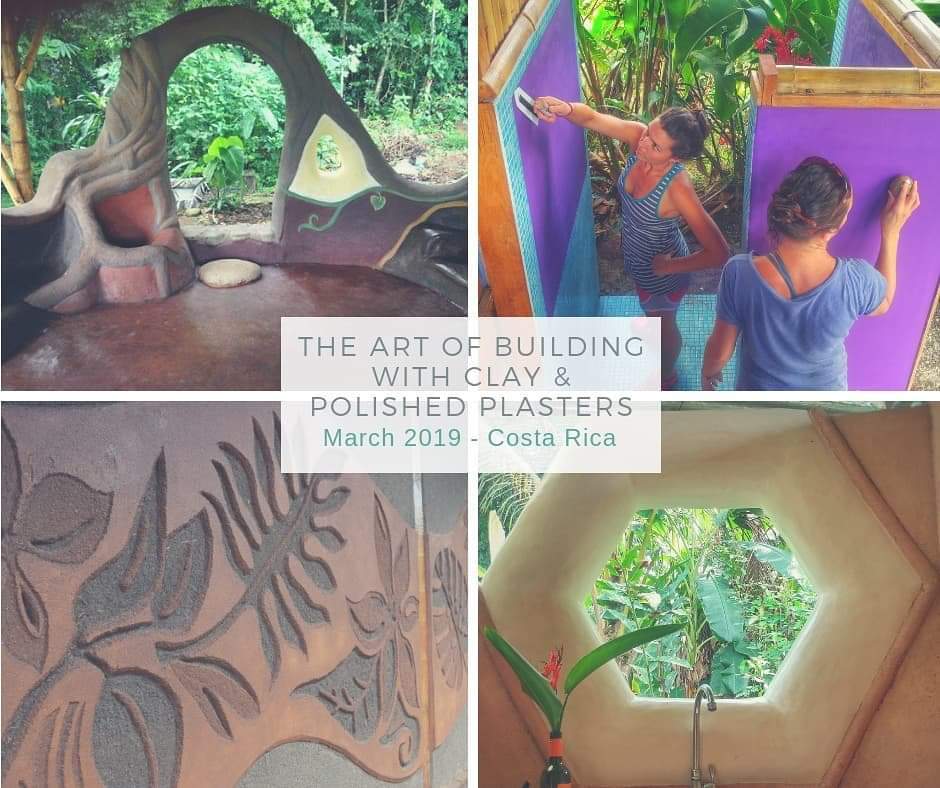
Workshops to inspire and empower you to change
2. Taking responsibility for our actions, the consequences of consumerism and how to stop mass waste production. For example – grow your own food.

Planting seedlings for food production
3. Self-development, healing the micro and macrocosm. Bringing awareness within, practices that pro mote introspection and self-reflection like meditation , learn to peacefully interact with others. Some great book references for this are the following :
The Power of Now by Eckhart Tolle
Non-Violent Communication Dr. Rosenberg
The 4 agreements Don Miguel Ruiz
4. Learn life skills that are beneficial to your environment.

Bamboo building at Rancho Mastatal, a sustainable building material
5. Choosing the possibility to live at your highest path , to stand for righteous actions and lifestyle.
6. Gain knowledge of medicinal plants in your area, get familiar with natural medicine, self-healing and maintain a preventative holistic lifestyle.
7. Make space for self-exploration , discover your interests and passions that you heart calls, surely they will benefit the world.
For me it is a priority to dedicate my life to create a greener healthier world, to learn how to be self-sufficient , build my own house , grow my own food, live harmlessly in nature, educate and promote that lifestyle and provide a good future for future generations .
Currently I live in Costa Rica doing a year long apprenticeship on sustainable educational farm that focuses on those matters and has created a heavenly community of loving , caring people that come together to learn and make a change.
I like to visualize a world that lives in abundance and has everyone’s basic needs met. A planet with clean air and water, where we would have food forests all around and houses surrounded with edible greens and herbs. It inspires me to think of what’s possible and focus my energy onto creating it.
Together we can change the world, so let’s take action, create ripples that will spread across the world. The power is within us to create the world we want to live in.
I wish you to pursue your purpose in life and discover your highest path for living.
I warmly invite you to visit farm that teach about sustainability such as Rancho Mastatal, learn about self-sufficiency, minimizing industrialism and harm to the ecology
Seeing all the movements rising to save our Earth I have faith and am excited to see the good changes happening in our society.
There is a rise in consciousness around the globe, let’s all be part of it!
Blessings to all
Diana

8 Tips for Starting your Tropical Homestead
You’ve just purchased your dream property in tropical Costa Rica. You want to grow your own food. You are anxious to get to work now, have bought some plants from a nursery you randomly drove by, and have a shovel in hand, but...where to start?
Most of our clients fall on either side of a spectrum of project implementation. Either they experience paralysis by analysis, overthinking every step, their confidence slowly eroding, or they dive in head first without any planning. Either way they hire our team at Porvenir Design to bring them to the middle. How can we take our time and plan while simultaneously moving forward with the energy and confidence that is required to see a project to completion?

8 Tips for Starting your Tropical Homestead
Originally published at the Porvenir Design blog.
You’ve just purchased your dream property in tropical Costa Rica. You want to grow your own food. You are anxious to get to work now, have bought some plants from a nursery you randomly drove by, and have a shovel in hand, but...where to start?
Most of our clients fall on either side of a spectrum of project implementation. Either they experience paralysis by analysis, overthinking every step, their confidence slowly eroding, or they dive in head first without any planning. Either way they hire our team at Porvenir Design to bring them to the middle. How can we take our time and plan while simultaneously moving forward with the energy and confidence that is required to see a project to completion? The answer revolves around good goal setting and thoughtful design. So as you look to set your goals and follow the permaculture design process, here are a few tips we’ve picked up over the years for starting your tropical homestead.
Consider Access First
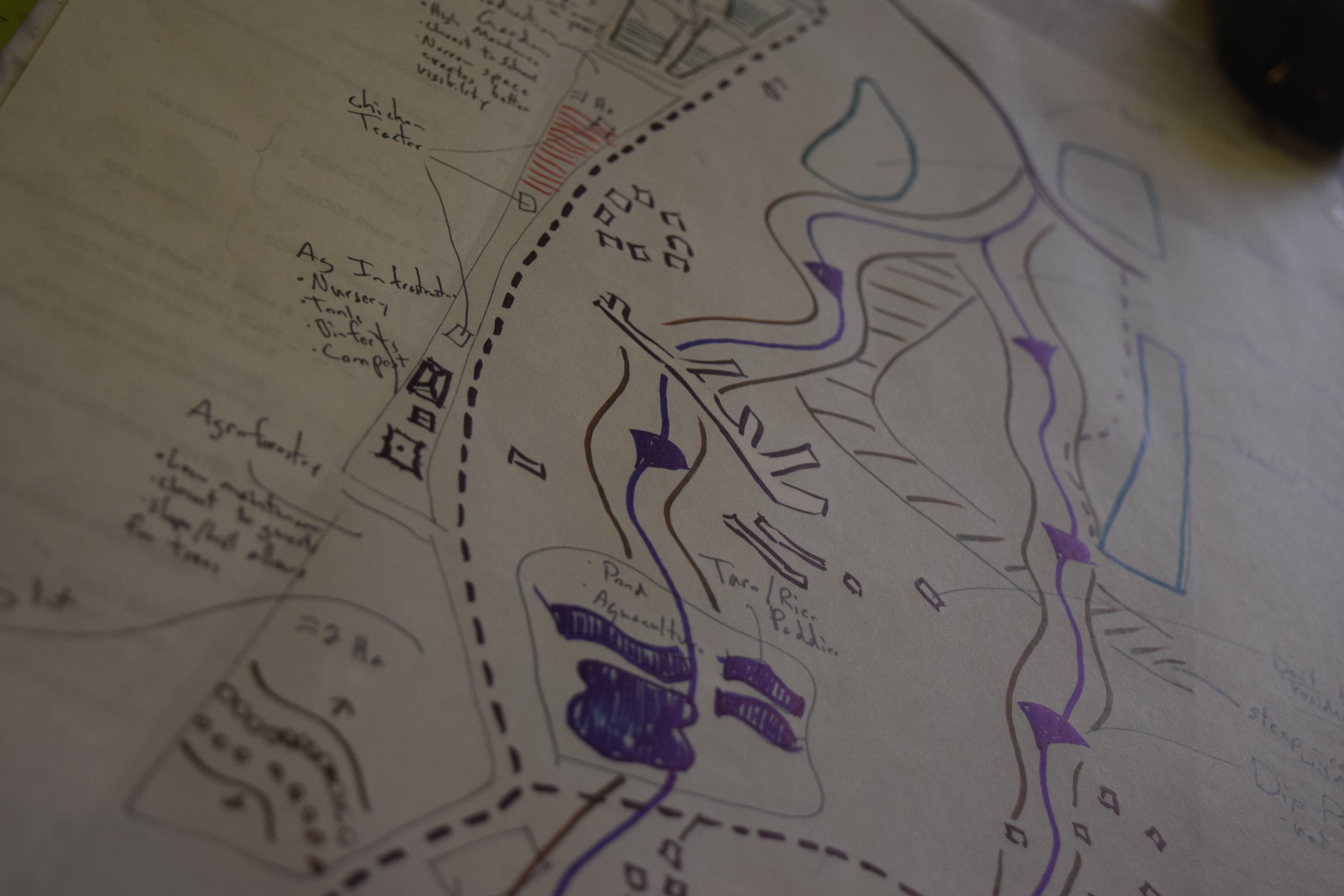
Before you do anything: planting a garden, siting a fruit tree, digging earthworks; make sure you know how you will access that space afterwards. The most common reason for systems to fail is that they are difficult to access. It may be easy to plant those nut trees at the bottom of the steep gully, but walking and slipping and falling down that slope in the middle of the rainy season, year after year, will quickly erode your enthusiasm for those plants’ care.
Paths should be wide, 1.5 meters at least, allow wheelbarrow access if possible, and should only be lined with plants that will not interfere with your movement. Anything that makes walking on a path less desirable means that whatever is at the end of the route will get less care and be less productive.
Consider lining paths with mundo grass for erosion control and delineation. Plant species around the path that you can trim in the rainy season for more sunlight and let grow in the dry season for more shade.

No Bare Soil
Do not underestimate the power of the tropical sun and rain to erode exposed soil. Anytime that you find bare soil on your property, you should instantly be thinking about how you can cover that soil with dead or living mulch. This will lower the soil temperature, increase nutrient cycling, improve water retention and so much more.
A dead mulch is effective and can be anything from grass clippings to pea gravel to chopped banana trunks. A living mulch is even more effective. This is a cover of living plants, also called a ground cover, that perform specific functions. Good tropical ground covers include peanut grass, sweet potato, wandering Jew, Okinawan spinach, and many beautiful ornamentals.
Don’t Overestimate Your Soil Fertility
It is easy to think that with a little compost from the Ag store and some mulch that your garden will be rocking for years to come. Clearly plants thrive in the soil all around your site; the tropics are a prolific place. But that doesn’t mean your soil is high in nutrients, has a balanced pH, or has a healthy microbial population. Most of us buying land in the tropics are working with degraded hill sides that were formerly cattle pasture. This is not prime farm land. Many of the plants we want to grow will struggle in this soil. Don’t be surprised if your first tomatoes and cucumbers struggle.
Fortunately soil is the component of our ecosystem that we can change the fastest. By actively promoting microbial health, planting leguminous trees and shrubs, providing fungal biomass, and reducing erosion we can quickly turn a site’s soil productive. Soil fertility requires consistent maintenance.

Tropical Tubers and Perennial Greens
Speaking of tomatoes and cucumbers, don’t bother growing these outside in your first year. Instead focus on very easy to grow, nutritious local foods adapted to the common soil conditions and heavy rain fall. Our typical western style vegetables can be grown in the tropics but the pest pressure is high here and these crops haven’t been bred with the same defense mechanisms.
Focus on tropical tubers such as yuca, sweet potato, taro, and yam. Plant greens like chaya, Haitian basket vine, and zorillo. Learn how to prepare them for your kitchen and enjoy!

Never Stop Planting and Observing
Don’t be afraid to put plants in the ground. You will plant stuff in poor locations, but that's okay on a home scale. Its better to move forward than not at all. If a year later you don’t like a plant’s location, you can transplant it! Most plants in the tropics transplant well with little shock.
It is only through the act of observing your plants over time that you can learn from them. Through good observation and feedback you knowledge level will zoom ahead. You will begin to see the pollinators in action, understand the rivulets of water moving your mulch around, and become familiar with the seasonality of your tropical climate. If you consistently put time toward putting new plants in the ground, and observing them, you will quickly develop a lush and tropical feel to your site.
Learn to Propagate your Own Plants
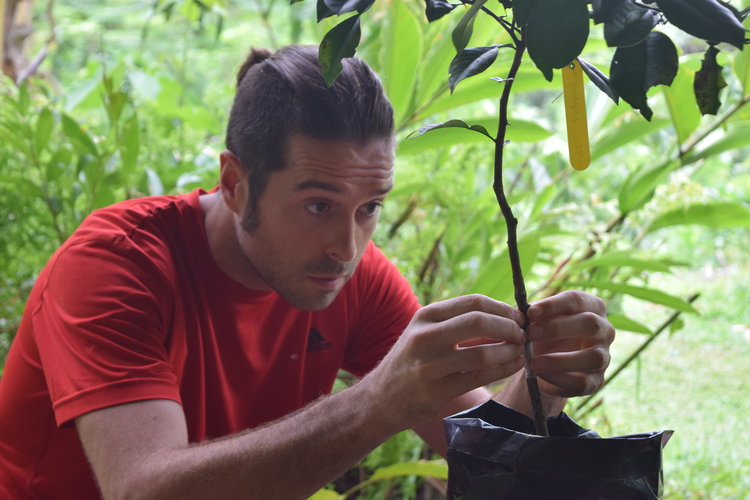
Related to the previous tip, learning to propagate your own plants will save you time and money. It will accelerate the biological succession of your homestead. A lot of tropical plants propagate vegetatively from cuttings or root divisions. As you travel around the country carry a pair of garden clippers and a sharp trowel, and when you see a new plant you love, ask if you can take a cutting or division.
Set up a nursery right away on your property to accommodate all of these new plants. It should let about 50% of light through, have easy access to water for irrigation, and be protected from the wind. You can start plants in pots, bags, or simply till a bit of soil and mix in good potting mix materials, such as rice hulls, manure, and biochar, and plant directly into this new bed. This is your transplant bed. Once the rains arrive and the plants are large enough move them to their final location. This allows you to gather new plants before you have had the opportunity to site them.
Buy Grafted Fruit Trees
Don’t plant that seedling avocado or mango! Rather, invest the 10 to 20 USD and purchase a grafted tree. Almost all fruit you buy in the store, temperate or tropical origin, is born on a grafted tree and for very good reasons. A seedling avocado can take well over 10 years to produce fruit, while a grafted avocado will produce in year 4 or 5. A grafted tree is a guarantee of a high quality and consistent fruit.
Try to source these trees from nurseries doing the grafting themselves from root stock that is adapted to your soil and climate. Check the graft well before purchasing. Does it look healthy and secure? Don’t purchase trees with fruit on them in the nursery. This can be a sign of stress. But an investment in grafted trees will pay off.

Hire a Consultant
Consider this an investment. Any land use planner, landscape designer, or permaculture designer should be able to articulate to you how an investment in their services will save you time and money in the long run. What is the expected return on investment?
A simple day consultation should help you gain confidence to implement systems. It should allow you to set your priorities and put unnecessary projects on the back-burner. A larger master planning program should save you money by connecting you with the best experts or local resources, such as tree planting programs, and catching costly mistakes on paper before any shovel hits the ground.
A good designer will help you identify your goals and apply those to the landscape, resulting in a beautiful and productive homestead.
Porvenir Design
Looking for more than tips? Consider bringing in the Porvenir Design team for their expert advice!
Categories
Topics
- Agriculture 6
- Agroforestry 21
- Animals 2
- Apprenticeship 19
- Appropriate Technology 6
- Backpacking 1
- Bananas 1
- Basic Pantry 4
- Biochar 1
- Books 3
- Build Your Own Home 1
- Central America 5
- Chiles 1
- Cinnamon 1
- Clay Carving 1
- Climate 2
- Climate Change 1
- Cob oven 1
- Communication 5
- Community 24
- Compost 2
- Composting Toilets 2
- Condiments 1
- Conservation 2
- Cooking 4
- Costa Rica 18
- Design 10
- Earthen Construction 10
- Eat Local 2
- Ecohome 1
- Education 9
- Environment 3
- Ethics 4
- Farm to Table 12
- Fasting 1
- Fermentation 14
- Food 22
- Food Choices 8
- Food Forest 8
- Food Processing 15
- Food Systems 12
- Gap Year 1
- Gardening 5
- Ginger Beer 1
- Harvest 2
- Health 12
- Healthy living 5
- Homemade 2
- Homestead 8
- Internet 2