

BLOG
Stories, articles, and updates from the Ranch community.
How to Optimize Your Syntropic Agroforestry Site
Syntropic agriculture is based on seeing evolutionary processes as driven by cooperation among members of the living system in a way that benefits the system as a whole. It aims to maximize of diversity and productivity.
By 2023 apprentice Seb W
Syntropic agroforestry is an agroforestry system developed by Ernst Götsch. Its philosophy lines up contrary to the Darwinian model of evolution, being driven by competition. It is based on seeing evolutionary processes as driven by cooperation among members of the living system in a way that benefits the system as a whole. It aims to maximize of diversity and productivity through aligning Stratification (space) and Succession (time) of its plants. Furthermore, it subdivides these plants into target and biomass species which allows for it to become self-sustainable over time. In its essence it means trying to mimic the real forest as close as possible.
What follows are factors to be integrated into your syntropic agroforestry site to optimize its potential outcome. If syntropic agroforestry is new to you, read What is Syntropic Farming first.

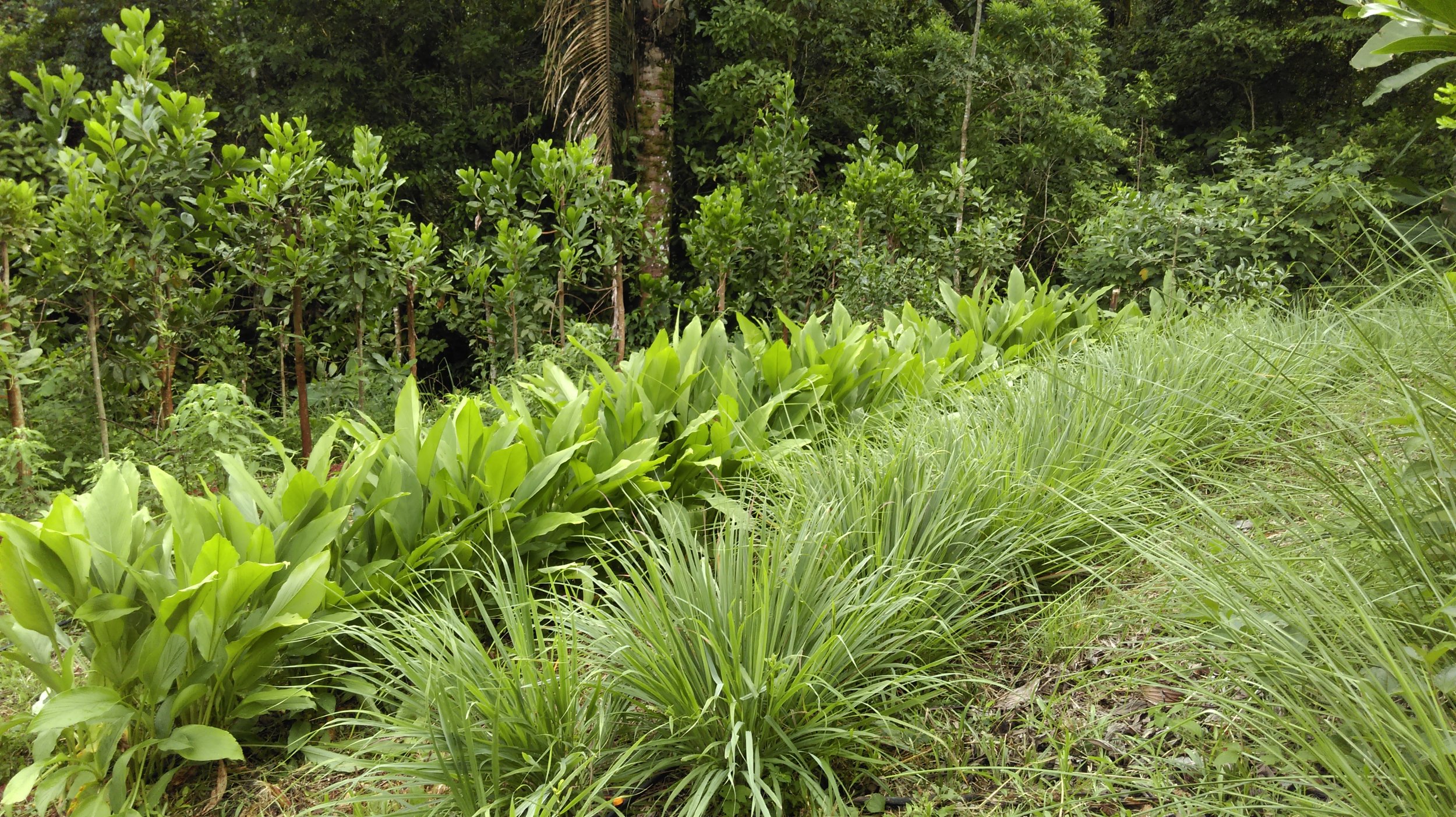
Image by Orchard of Flavours
Consortium of Plants for Syntropic Farming
Since every climate and microclimate offers different qualities, therefore being able to habitat different plants, just putting out a chart of plants won’t help a lot of you. Instead we want to explain at this point how you can write your own consortium. A consortium is basically an optimized garden guild which integrates the succession of its plants over time. Stratification still applies but it is now planned over time. To plan a good consortium you want to research a list of edible plants viable for your microclimate, their height at maturity as well as time until maturity. Based on that you can then categorize your plants into the different strata as well as time stages.
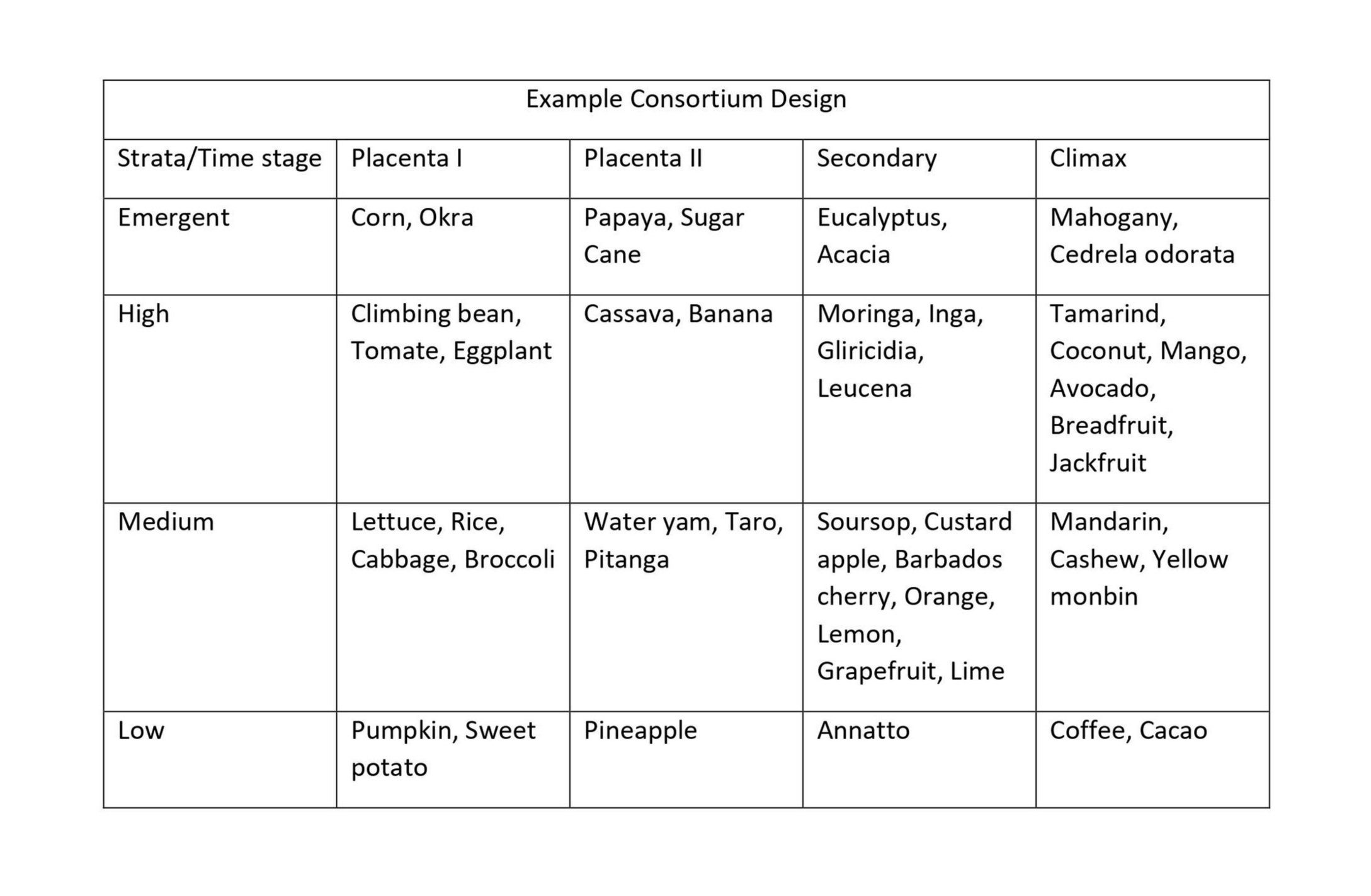
When planning a syntropic site we also want to keep in mind, that it will take at least 20 years until the climax stage is reached (if well managed). Within the first two years (until the end of placenta II) you can still add plants to the system though usually everything is planted in the beginning all at once. The only exception to that rule are climbers (exg. Vanilla or maracuja) as long as there is enough sunlight coming through to the ground.

Types of Plants to Plant
Whatever edible plants you want to grow, in syntropic agroforestry systems edible plants are not the only plants to be grown. Usually one aims to grow around 30% of plants just for biomass, of which again 30% are meant to be nitrogen fixers. Those biomass trees will then be cut down to chest level before the rainy season (or at the end of autumn in temperate climates). Applying this pruning technique will not only build good quality soil over time but also trigger a growth hormone release throughout the whole system pushing growth of everything within it. To attract native bird and insect species you should also consider adding some local plant species even though they might neither add to your table nor fix nitrogen.
Spacing Plants
To get a better understanding of how to finally design such a system, a spacing key is useful:
Tree line to tree line (wideness): 80cm first tree line – 50cm walkway – 70cm biomass plants (e.g.. Vetiver, Mexican sunflower, pigeon pea…) – 200cm filled with veggies – REPEAT
In the lines themselves the trees are planted super dense together.
Depending on size and needs one might combine walkway, biomass plants and/or the veggie area (veggies will only grow until end of placenta II due to shade coverage).

The minimum tree spacing key looks as follows:
Emergent to emergent tree: 12m
Emergent to high tree: 10m
Emergent to medium & low tree: 2m
Emergent to biomass tree: 0.5m
High to high tree: 9m
High to medium tree: 7.5m
High to low tree: 2m
High to biomass tree: 0.5m
Medium to medium tree: 6m
Medium to low tree: 3m
Medium to biomass tree: 0.5m
Low to low tree: 3m
Biomass to biomass tree: 0.5m
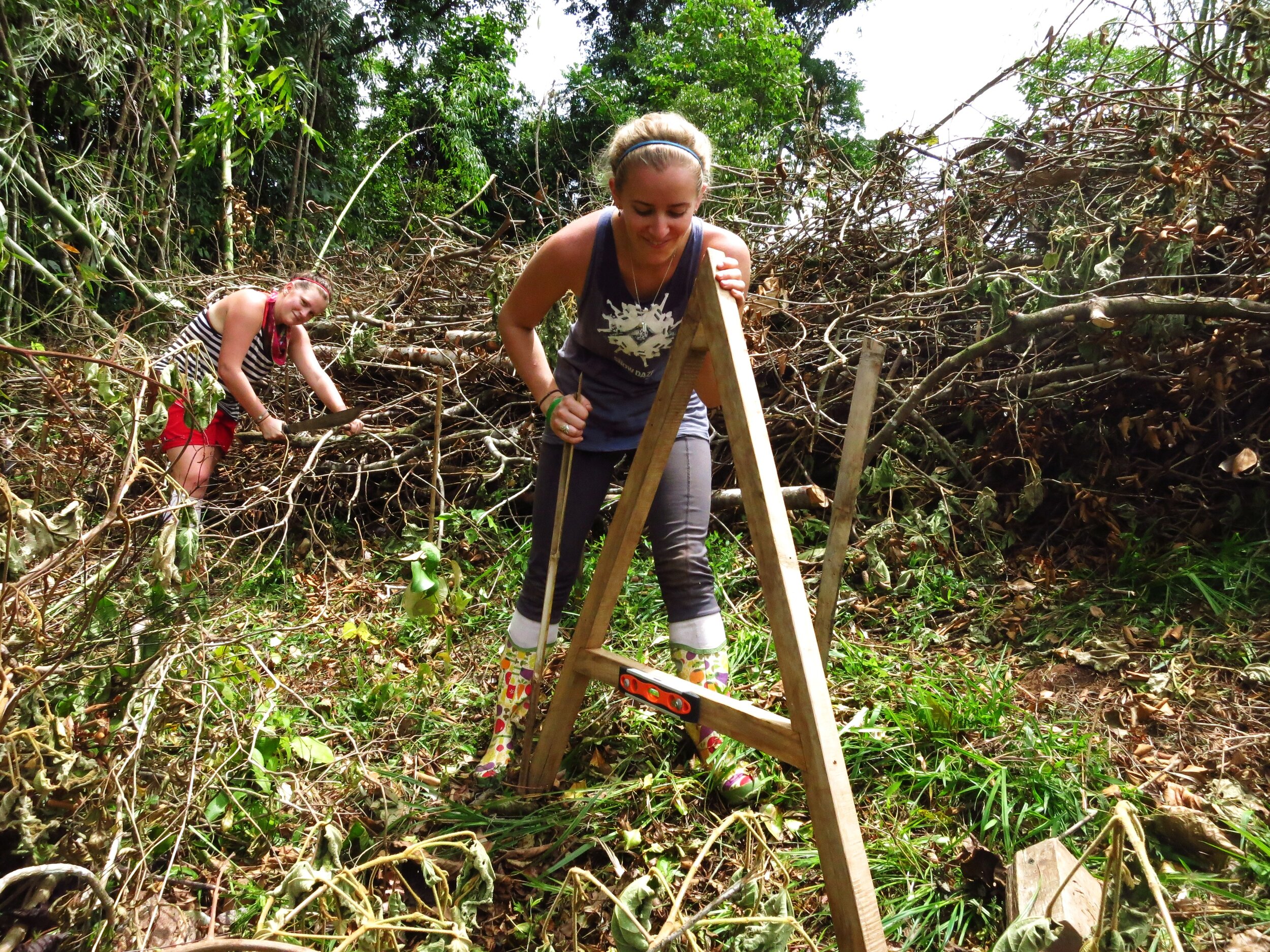
Ideally this spacing key is used on contour.
If you, like Ernst Götsch, are not a friend of tree lines, what Ernst recommends doing is: select an appropriate amount of diverse seeds, mix them all together, scatter them over your site and later decide which trees will stay and which won’t (negatives: some edible species vary heavily in flavour and consistency when grown from seed. Positives: way less work, good growing genetics only through natural selection, no row pattern).
Thoughts
Syntropic Agroforestry has received a lot of attention over the past few years. That being said, it is one of many different practices within the field of agroforestry practices and certainly has its negative sides. Contour is often times neglected in favor of north to south rows, invasive grasses instead of the mentioned vegetable rows will be a pain to manage over time, and proper spacing especially regarding tubers needs to be respected.
Hopefully this short how-to helps you get started on planning your own syntropic site to live more self-reliant.

Read These Past Blogs
Applied Permaculture Principles
Learn More
Join us for one of our annual workshops on farming, plants, permaculture and more!

Fermented Plant Juice (FPJ) and Its Application
Learning how to prepare these ferments will not only add macronutrients to your soil system but will increase the bioavailability of preexisting nutrients in your soil. Gardening really boils down to being a soil steward, which basically means we’re ranching microorganisms.
By Connor Gilmartin, apprentice 2022
Earlier this year, I wrote a short article on preparing a garden amendment called Water Soluble Calcium (WCA). That short essay focused on how to make small batches of WCA in the comfort of your home using discarded eggshells and vinegar. Water Soluble Calcium is one of the five pillars of Korean Natural Farming (KNF). The remaining four recipes KNF methodology encourages us to utilize are Lactic Acid Bacteria (LAB), Fermented Plant Juice (FPJ), Oriental Herbal Nutrient (OHN) and Fish Amino Acid (FAA). Because this article won’t cover the remaining three ferments in-depth, I highly recommend looking into the University of Hawaii’s College of Tropical Agriculture’s papers on this subject. The authors of those articles do a great job at explaining the process of making and applying these homemade amendments. These KNF ferments we’re talking about have a symbiotic relationship with one another. Generally speaking, they serve your garden’s needs best in the presence of each other – especially when they’re used to inoculate biochar or indigenous microorganism (IMO) culture.

It’s worth mentioning the obvious here - everyone’s gardening environment is completely unique, and every soil system has different nutritional requirements. For the sake of brevity, it’s necessary to generalize a bit. If you’re interested in diving deeper into soil science and plant nutrient uptake, I would highly recommend Jeff Lowenfels’s books Teaming with Microbes and Teaming with Nutrients, as well as Steve Solomon’s The Intelligent Gardener.
I chose to write my first article for Rancho Mastatal on Water Soluble Calcium simply because of the abundance of eggshells we have here, and our robust supply of homemade vinegars. While Calcium is an essential macronutrient in plant growth and fruit development, it is only one piece – albeit a very important piece - of the puzzle of plant nutrient uptake. So, with that being said, lets learn about another pillar of Korean Natural Farming, Fermented Plant Juice (FPJ).
“Growth is controlled not by the total amount of resources available, but by the scarcest resource.”
Before we learn about FPJ’s, dynamic accumulators, and the fundamentals of fermentation, I want to ramble about Justus Von Liebig’s Law of the Minimum - a very important concept in regard to plant nutrient uptake. Liebig’s law states, “Growth is controlled not by the total amount of resources available, but by the scarcest resource.” This is particularly relevant when trying to rebalance minerals and macronutrients in your soil. In, Teaming with Nutrients, Jeff Lowenfels discusses the Law of the Minimum and writes, “plant growth is limited by the least abundant mineral, no matter how abundant the other minerals happen to be.” So, with that in mind, we can make more informed decisions when choosing how to fertilize our gardens.
Before we fertilize at all, a soil test is probably in order. The informed gardener understands that N-P-K listings on commercially available fertilizers only account for three of the seventeen elements necessary for plant life. Many of us have been tricked into thinking Nitrogen, Phosphorus and Potassium are the only elements we need to consider when fertilizing our soil. This couldn’t be farther from the case, and has resulted in massive amounts of excess nutrients polluting our watersheds and harming aquatic life essential in maintaining Earth’s homeostasis. I am a firm believer in a balanced approach to gardening, and certainly don’t believe all bagged fertilizers and amendments are the devil’s work. There are amazing, conscious companies that specialize in producing ethically sourced organic fertilizers. I have purchased bulk earthworm castings, mycorrhizal inoculants, crustacean meals, bokashi grain blends, and many more amendments that did not come from my garden. Does this violate Albert Howards’s Law of Return? Certainly. I am importing ingredients from hundreds, maybe thousands of miles away into my garden’s soil. The very nature of gardening for consumption violates the law of return. This is okay – gardening is a dynamic process, yields can be achieved and measured in many ways. As Masanobu Fukuoka writes in One Straw Revolution,
“It doesn’t matter how the harvest will come out. Just sow seeds and care tenderly for the plants and soil… The ultimate goal of farming is not the growing of crops but the cultivation and perfection of human beings.”
I learn something every season I germinate seeds. I feel an overwhelming sense of satisfaction and joy when I feed my plants a nutrient-rich tea, or spread a cover crop on a resting hugelmound. Maybe these more philosophical “yields” are really what I crave… Who am I kidding – I also want massive, nutrient-dense broccoli, that I can brag about – and share – with my neighbors. Point in case, there are many ways to address fertilization requirements in the garden. I’m not a devotee of any gardening guru, and I’m not advocating for any one specific strategy. I’m interested in holistic plant and soil stewardship that integrates many approaches.

Now, lets get down to business. FPJ’s are made using two simple ingredients. Chopped up biomass and brown sugar. There are a whole lot of plant species that can be used to make FPJ’s. I’ve used the young, vigorously growing tips of mugwort, comfrey, stinging nettle, wormwood, tulsi, and Mexican sunflower to name a few. I’ve also used unripe persimmons, pumpkins, and other fruits and vegetables to make Fermented Fruit Juice (FFJ). There are a whole lot of individual plant species and combinations that experienced horticulturalists have found to be beneficial in their gardens. It’s been observed that certain plants have a tendency to accumulate one macronutrient more than others. In the Korean Natural Farming and biodynamic gardening community, these plants are generally referred to as, “dynamic accumulators.” The concept of dynamic accumulators is a bit contentious, and some people doubt the idea. To be fully transparent, I do not know enough to say with 100% certainty that certain plant species have an affinity to accumulate one macronutrient over the other. However, I’ve visited many extremely productive, beautiful garden spaces whose caretakers embrace this idea, and it certainly doesn’t seem to be hurting anything. I will leave this entirely up to you to decide for yourself. Horsetail (Lorim ipsum) is known to have a high concentration of silica in its stalky biomass. Bamboo shoot FPJ is known to contain high amounts of nitrogen. FfJ made from young, unripe fruit can contain high amounts of phosphorous. With mindful intervention, we can amplify the nutritional impact these biomasses have on our garden by utilizing the friendly yeasts and other microorganisms drifting about. By feeding the microorganisms that reside on the biomass of these plants organic brown sugar, we catalyze the process of fermentation. The weak alcohol that is produced by the yeast as they nibble on the sugar we’ve so graciously provided them extracts chlorophyl from the biomass and other ethanol-soluble compounds contained in the plants via the process of osmosis. These compounds are called phytochemicals. The following section will cover the materials needed and list the step-by-step process to produce and apply FPJ.

Materials
I’ll begin by listing the materials you’ll need to make a batch of Fermented Plant Juice (FPJ). They are as follows:
Glass jar or food-grade plastic container
A sharp, clean knife to chop up the biomass
Organic brown sugar
A breathable cloth to act as a “lid” (cheesecloth or nut milk bags work quite well)
How To Prepare a batch of FPJ
Collect plant material
It is ideal to harvest the biomass before sunrise. Cut the young, vigorously growing tips of your desired plant and store in a clean container
Harvesting before sunrise ensures the plants are in respiration-mode, not photosynthesis-mode
Avoid collecting biomass during or after a heavy rain event
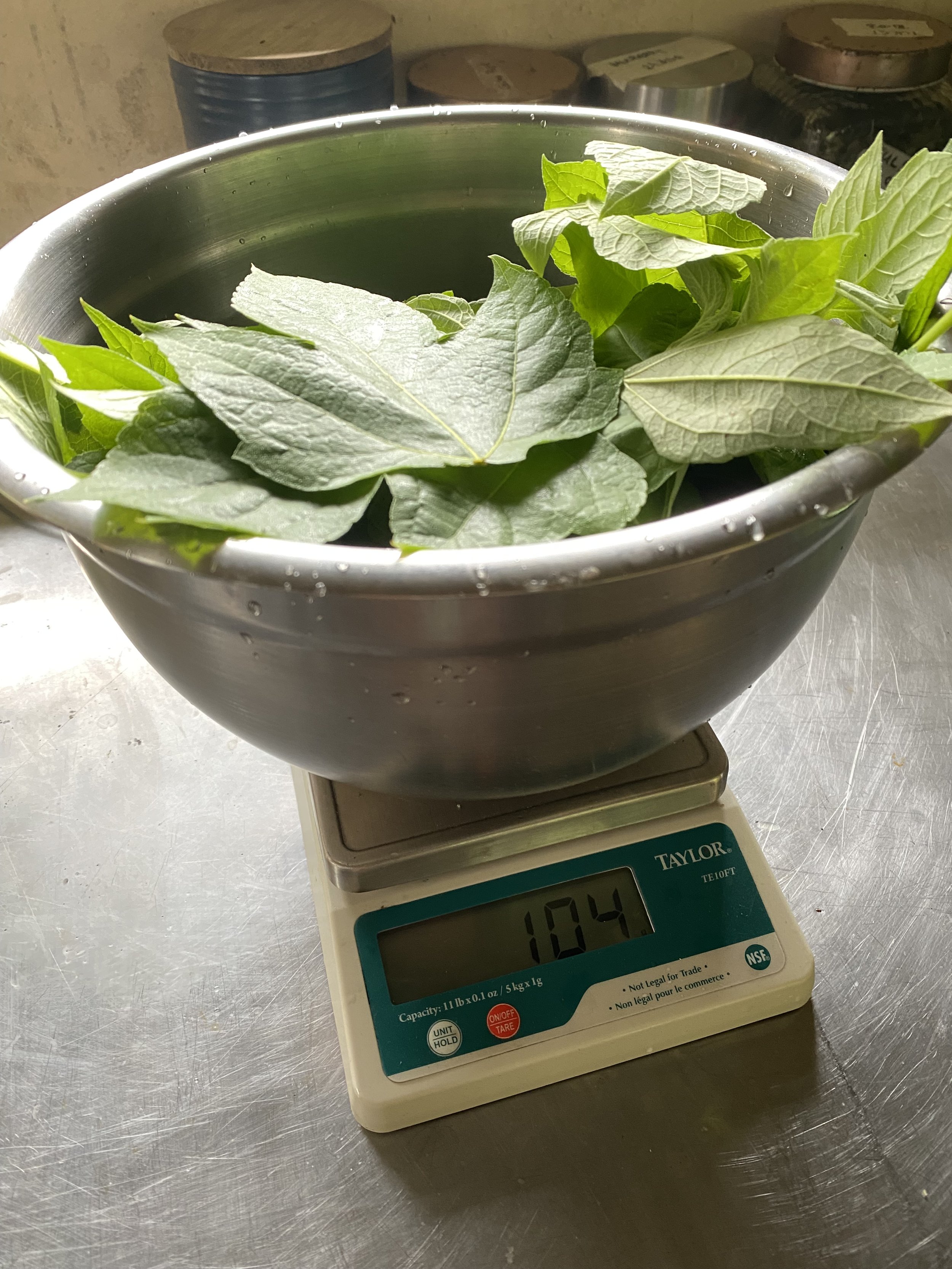
Cut and weigh the plant material
Do not rinse collected plant parts, to conserve surface microorganisms
Record weight of biomass
Add brown sugar
1:1 (brown sugar to biomass) ratio. If you have one pound of comfrey, put in one pound of brown sugar. Coat as much of the surface area of the plant material as possible to encourage the fermentation process
Pack the brown sugar-coated biomass into a fermentation vessel
Pack tightly
Attach breathable lid using string or a rubber band, depending on the size of the fermentation vessel
Store the covered container in a well-ventilated area away from light and extreme heat or cold
Check the container after 24 hours and adjust the volume if necessary
Your fermentation vessel should be no more than 2/3 full. If the container is too full, the microbes will not have enough air to properly ferment.
Let the contents ferment for 4 -7 days
You will know that fermentation is occurring when bubbles start to form in the liquid
Fermentation is complete when the plant material floats and the liquid settles at the bottom, there is a slightly alcoholic smell due to breakdown of chlorophyll and the liquid tastes sweet, not bitter. It is possible that the plant material doesn’t form a distinct layer in the solution, so these are loose guidelines – everyone’s fermentation environment is different. This process is heavily influenced by the ambient temperature of the environment you live in.
Strain the solution
Separate the plant material from the liquid
The spent biomass can be added to compost or mulched directly into your soil
Store the FPJ
Transfer FPJ into a clean ball jar or food grade plastic container
Cover with a loose lid - the microorganisms in the solution are very much alive and will continue to produce carbon dioxide as they consume leftover sugar. This could cause a jar to explode if the lid is on too tight.
How To apply FPJ
Dilute at a ratio of 1:500, 1:800 or 1:1,000. This translates to 4-8ml of FPJ per gallon of water. It’s powerful! You can always add more, you can never add less.
The dilution of 1:800 or 1:1,000 should be used if:
You’re applying a mixture of different amendments (ex. WCA + FPJ + FAA)
You’re applying FPJ in hot weather
FPJ can be applied as a soil drench (diluted in a in a watering can or other water dispersal system) or as a foliar spray. Apply the solution once a week or so, no more than once a week. Try and apply FPJ’s that were prepared using biomass that was collected at a similar stage of the plant’s growth cycle to the ones you’re feeding. For example, use a light dilution of young mugwort FPJ for young plants, and use an FFJ of unripe, green fruit when those plants are beginning to enter their reproductive stage of development.
Korean Natural Farming is a dynamic process that requires familiarization with the unique terroir of your gardening environment. Just like baking sourdough or making kombucha, preparing KNF amendments might require some trial and error. I feel inclined to repeat – “dilution is the solution.” These ferments are highly concentrated. Apply wisely, consciously, and out of direct sunlight. Take your time, enjoy the process, and revel in the beneficial microorganisms you’re stewarding.
Learning how to prepare these ferments will not only add macronutrients to your soil system but will increase the bioavailability of preexisting nutrients in your soil. Gardening really boils down to being a soil steward, which basically means we’re ranching microorganisms. Imagine yourself as a benevolent god, feeding trillions of beneficial soil macro and microbiota for the betterment of the world. Your plants will thank you.
Happy gardening, mulch love.
Connor can be contacted via email with any questions or professional inquires (connorjgilmartin@gmail.com).
“I sometimes think that never blows so red
The rose as where some buried Caesar bled;
That every Hyacinth the garden wears
Dropt in her lap from some once lovely head”


Book Recommendations and Reviews #3
Due to the unique circumstances of the past two plus years, I never seemed to find the time to write what I hoped would be a yearly blog on the books that I read. The two times that I’ve done this in the past we were stateside visiting family, with a bit more time to dedicate to catching up on what seems to be an ever growing list of “books to read”.
by Tim O’Hara
Due to the unique circumstances of the past two plus years, I never seemed to find the time to write what I hoped would be a yearly blog on the books that I read. The two times that I’ve done this in the past we were stateside visiting family, with a bit more time to dedicate to catching up on what seems to be an ever growing list of “books to read”. With travel plans all over the board since COVID became a common part of life, we were only able to make 2 much quicker than normal trips back to see our loved ones in the US. Nevertheless, I’ve been able to squeeze in some solid educational, inspirational and informative reads that I’d like to quickly review for those of you out there that appreciate personal reading suggestions. I’ll try to include as many of the books that I’ve read since the last time I shared my recommendations though I may miss a few as it’s been a while. I’ll also do my best to list them in the order that I read them though my memory doesn’t always serve me as well as it used to. As always, I love to receive other people’s recommendations and in fact a few on those on the below list came from some of you that responded to my last blog reviewing books. Without further ado, here we go. Enjoy.
All the King’s Men by Robert Penn Warren
I randomly picked this classic off of the Ranch’s library shelf one day looking for a good read. I don’t often choose fiction these days but this book, written as fictional history, really resonated as I flipped through the pages and got lured in by the in-depth character development and story of corruption, dirty politics, and the reality of how decisions are sometimes made by those in power. The book is set in the southeastern US in the 1930s. I was saddened by how little much has seemed to change on the political front this past century.

Killer of the Flower Moon: The Osage Murders and the Birth of the FBI by David Grann
Holy shit. I wish I was surprised by the story laid out by author David Grann. This book was recommended to me by our neighbor Jim Veeder. It’s an unbelievable story of pillage, theft and the rising up of J. Edgar Hoover and the Federal Bureau of Investigation. Add another chapter to the story of sinister imperialism and Manifest Destiny that left destruction, thievery, and murder in its wake. The book was gripping. I burned through it in a few days and found myself at the end ashamed to descend from the race and gender that has done so much damage to this planet and its people. Highly recommended.
The Warmth of Other Suns: The Epic Story of America's Great Migration by Isabel Wilkerson
This book about the “Great Migration” of African Americans from the Southeastern US north and west follows the lives of 3 unrelated people that moved to New York, Los Angeles and Chicago respectively.
This is a good overview of the plight of black Americans in the early and mid-1900s as they continued to work against the repressive forces set in motion by slavery and subsequently Jim Crow. I also plan on reading Wilkerson’s more recent book entitled Caste.
Rising: Dispatches from the New American Shore by Elizabeth Rush
What will happen as our coastal cities go underwater? What will happen as our estuaries become part of the sea? How will we mitigate the ensuing disasters of climate chaos as sea levels rise and begin to swallow up areas inhabited by millions of people? We are in for a rude awakening and Elizabeth Rush does a nice job of laying out our despondent future in a way that I found accessible and even at times enjoyable. The book was written fairly recently and is a good selection to bring yourself up to speed on recent developments in the climate disaster conversation.

There There by Tommy Orange
This read takes a look at indigenous populations in urban settings as it individually follows the lives of a number of indigenous people who are connected in some way and who all come together in the same space in Oakland at the end of this compelling, sad but important and absorbing book. If you read Overstory, it’s similarly laid out by following and highlighting the lives of the characters and then creatively weaving them together before a final crescendo that leaves you reeling a bit. I blew through this page-turner and would highly recommend it to anyone interested in the human project. This is one the first books that I’ve read about American Indians that focuses on the urban story, where most American Indians live today, and their challenges as it relates to life in the city.
Call of the Reed Warbler: A New Agriculture – A New Earth by Charles Massy
This book was also recommended to me by Jim Veeder, our neighbor who lives up over the mountain in a small community named Tufares. Jim’s an avid reader that shares my reading preferences and this book really fit the bill with its many examples of regenerative food systems on the continent of Australia. Inspirational for readers concerned about how humans can responsibly provide for themselves in the future.
October 1964 by David Halberstam
I needed a break from the serious reads and settled on an account of the 1964 World Series between the St. Louis Cardinals and the New York Yankees. It was an enjoyable recount of the season leading up to what was one of the most exciting World Series up until that point in history. I especially enjoyed the read due to the fact that many of the players highlighted in the book were still playing when I started watching baseball in the early 70s.
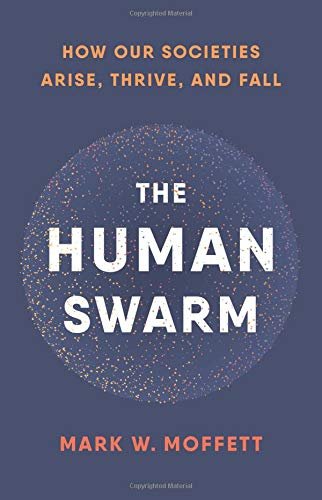
The Human Swarm: How Our Societies Arise, Thrive, and Fall by Mark W. Moffett
This book impacted me more than any book I’ve read in a long time. Moffett, a biologist who for much of his career focused on ants, makes a leap into the world of apes as he uncovers why we do what we do. Fascinating, eye-opening, riveting and refreshing. It answered so many questions about human nature that I have been carrying around with me for a long time. Highly recommended for readers interested in human evolution and behavior.
Catching Fire: How Cooking Made Us Human by Richard W. Wrangham
I blasted through this easy-to-read book that postulates that we are who we are today due to as much as anything else our coevolution with fire. The author suggests that we essentially cannot be healthy beings without the act cooking. I found it to be a captivating book full of new ideas (for me) that seemed almost commonsensical and plausible looking back. Fire, more than any human “discovery”, influenced who our species is today. Dedicated raw food enthusiasts will likely push back on much of the content in this excellent read.
How to be an Anti-Racist by Ibram X. Kendi
It took me a few chapters to warm up to this New York Time’s bestseller. I learned a lot from Kendi’s messages and enjoyed the way that he wove his personal story into the bigger message of how to carry ourselves in an ever complex world of stereotypes, racism, sexism, homophobia, classicism and a white supremicist patriarchy. I’d say an important addition for anyone interested in working to navigate today’s entangled social landscape.
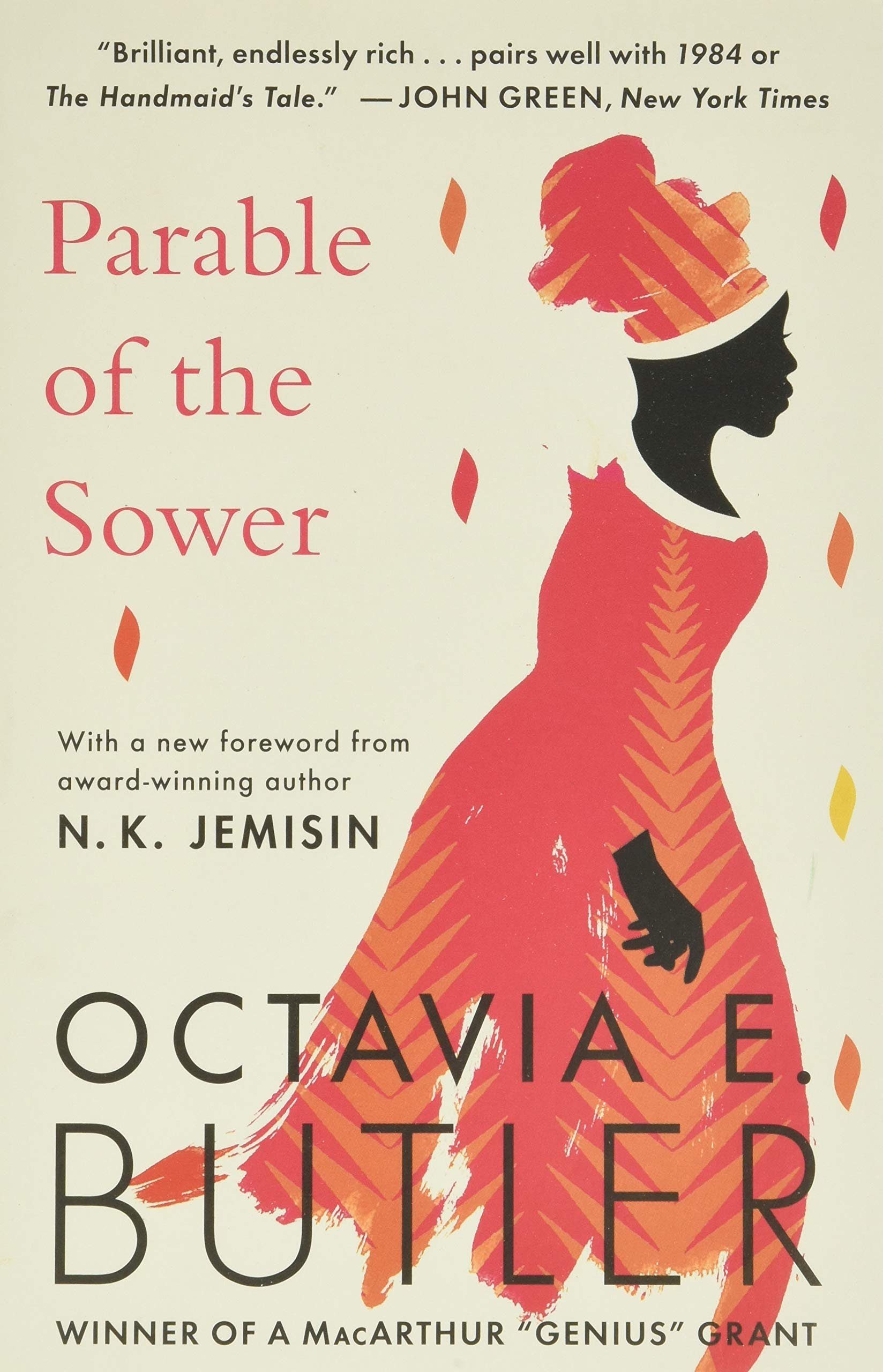
Parable of the Sower by Octavia E. Butler
This title was recommended to me twice on the same day by different people and so I decided that I had to give it a whirl. I found out afterwards that this book has been popular on a number of reading circuits based in part by the accuracy of it’s prophetic message. The book was written in the early 1990s and set in the mid-2020s and depicts an apocalyptic setting in California that features death, danger and dystopia in a way that makes the story totally believable given the current state of the world. Octavia Butler seems to continue to get increasingly popular since her recent death. This black award winning author who died in 2006 is known as a sci-fi writer and has enjoyed a large following for many years. This book has a sequel entitled Parable of the Talents.
The Red Deal: Indigenous Action to Save Our Earth by The Red Nation
This book outlines a bold sociopolitical message to reconcile past atrocities done to the indigenous people of North America. I’d say that everyone would benefit in some way from this book. It provides a roadmap for reparations to American Indians and in turn a roadmap to return to civility in American and human society. I greatly resonate with the content in this book.
A Flag for Sunrise by Robert Stone
One of only 3 fiction books on this list, I again randomly picked this up in the Ranch library and quickly got engrossed in this historically accurate book about imperial destruction, revolution, greed and power in Central America.
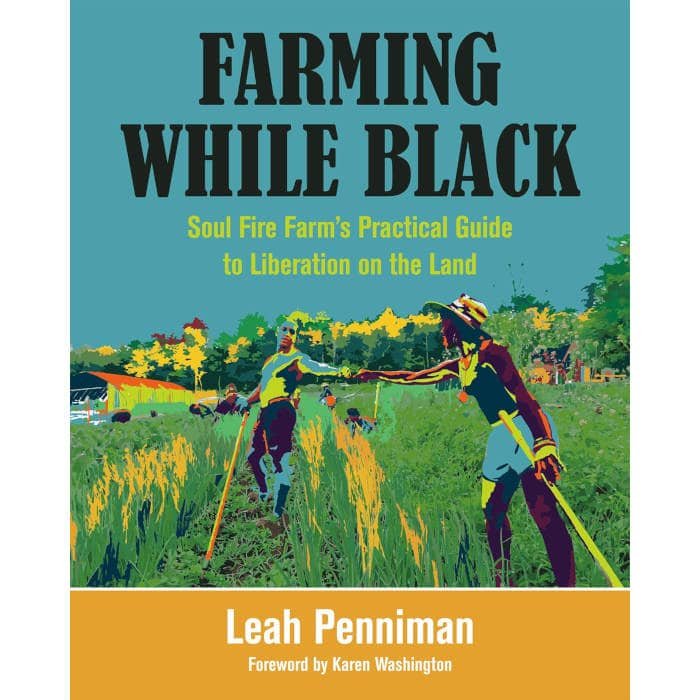
Farming While Black: Soul Fire Farm's Practical Guide to Liberation on the Land by Leah Penniman
We had the opportunity many years ago while visiting Robin’s mom outside of Albany, NY to visit Soul Fire Farm near Troy, NY not far from where Robin grew up and where the author and her partner Jonah started an impactful project that focuses on food security and farming with a focus on the underserved black community in the capitol district area of NY. The book is wonderfully written, clear and powerful and outlines a path for both black and white people to work towards a future of land justice.
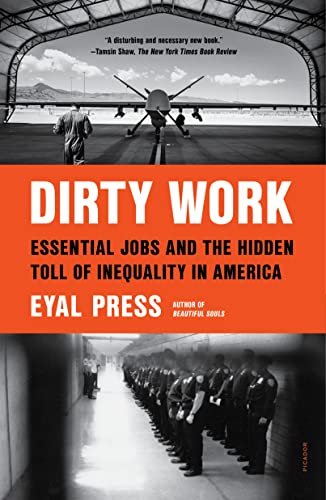
Dirty Work: Essential Jobs and the Hidden Toll of Inequality in America by Eyal Press
I’ll start by sharing one of the final passages in this book that struck me, “When people gather to hear veterans talk about moral transgressions they had committed in the course of fighting America’s wars, the most effective way to help them overcome moral injury is to communize it, Jonathan Shay argued in Achilles in Vietnam. When those not doing the fighting can deliver a message to them and to all of the “dirty workers” that they deserved to hear. “We sent you into harm’s way. We put you into situations where atrocities were possible. We share responsibility with you: for all that you have seen; for that you have done; for all that you failed to do.”. This book should be read by all Americans and highlights the “dirty work” that helps to drive our economy, put food on our table, and keep us safe. This heart-wrenching book looks at the modern underclass and their struggles to get by by doing the least desirable work in our economy and its impact on their psyche and society at large. Essential reading.
America: The Farewell Tour by Chris Hedges
I’ve really liked Chris Hedges’ journalism over the years. He seems to have had the sustained courage to speak to power. I blew through this book. Sad, compelling, motivating, and provocative. Hedges delves deep into the addictions of opioids, gambling, sadism, and hate and how they are being fed by a failed corporate state. If you haven’t given Chris a shot, this would be a good dip into his decades long investigative journalism career.

The Heartbeat of Wounded Knee: Native America from 1890 to the Present by David Treuer
As you may remember I enjoy reading about Native American history. The first part of this book quickly recaps the history of Native Americans in North America up until the massacre at Wounded Knee in 1890 and then delves deep into American Indian policy post-Wounded Knee with a focus on the miraculous survival of Indians in the United States and the amazing stories of resilience that continue to define this segment of the population. The book ends on a high note by highlighting all of the incredible work being done on reservations and in urban centers. American Indians are beginning to thrive and create an example of what our nation can become in the face of climate disaster and out-of-control capitalism that’s pushing our species to the brink of extinction. It’s a somewhat thick read but a worthwhile one for those interested in issues that revolve around indigenous culture.
Building Community Food Webs by Ken Meter
A good, quick read for anyone looking to go a bit deeper into building local economies that revolve around food. Ken Meter argues why local food movements matter and why we should support those growing food in our regions.

Inflamed: Deep Medicine and the Anatomy of Injustice by Rupa Marya and Raj Patel
A great book for those interested in making the connections between physical deterioration and the deterioration of our economy and democracy. Chronic stress makes us sick in ways that we have not understood until recently. And low-income people of color experience the highest levels of chronic stress. This has led to generational sickness and a decreasing life expectancy in many demographics. Yet another call for equitable policies that lead to a brighter future for all. Thanks to former apprentice Abby Cmiel for this wonderful gift!
Bitter Grounds by Sandra Benitez
A wonderful read and the last fiction selection on the list. This book follows 3 generations of poor El Salvadoran women in the middle half of the 1900s who’s lives are intimately connected with an elite El Salvadoran family. Beautifully written. Sad, eye-opening, page-turning.
One Day of Life by Manlio Argueta
This book, also set in El Salvador in the 1970s, follows a family through the struggles of civil war and is told through the eyes of the poor rural women who lead tragic lives in this war-torn country. The sad and all too often told story of US government involvement leading to the installation of corrupt powerful figures who lead their countries with iron fists that have caused much of the strife that has led to mass migration to the US from this region of the world. A tragic, well told and easy read for those interested in the politics and strife of Central America.
Happy reading to you all. I’m always looking for book recommendations so let me know if there’s anything in your library that you think that I would enjoy and/or learn from. We just got an influx of a few hundred new books so more to come from me next year. Let me know if you have any questions in the meantime.
Abrazos,
Tim

Improving Soils in the Humid Tropics of Costa Rica
In permaculture and agroforestry circles it’s common to hear the idea that we’re not growing plants so much as we’re cultivating rich, healthy soils in which plants will do their own growing.
By Anthony, Apprentice 2020
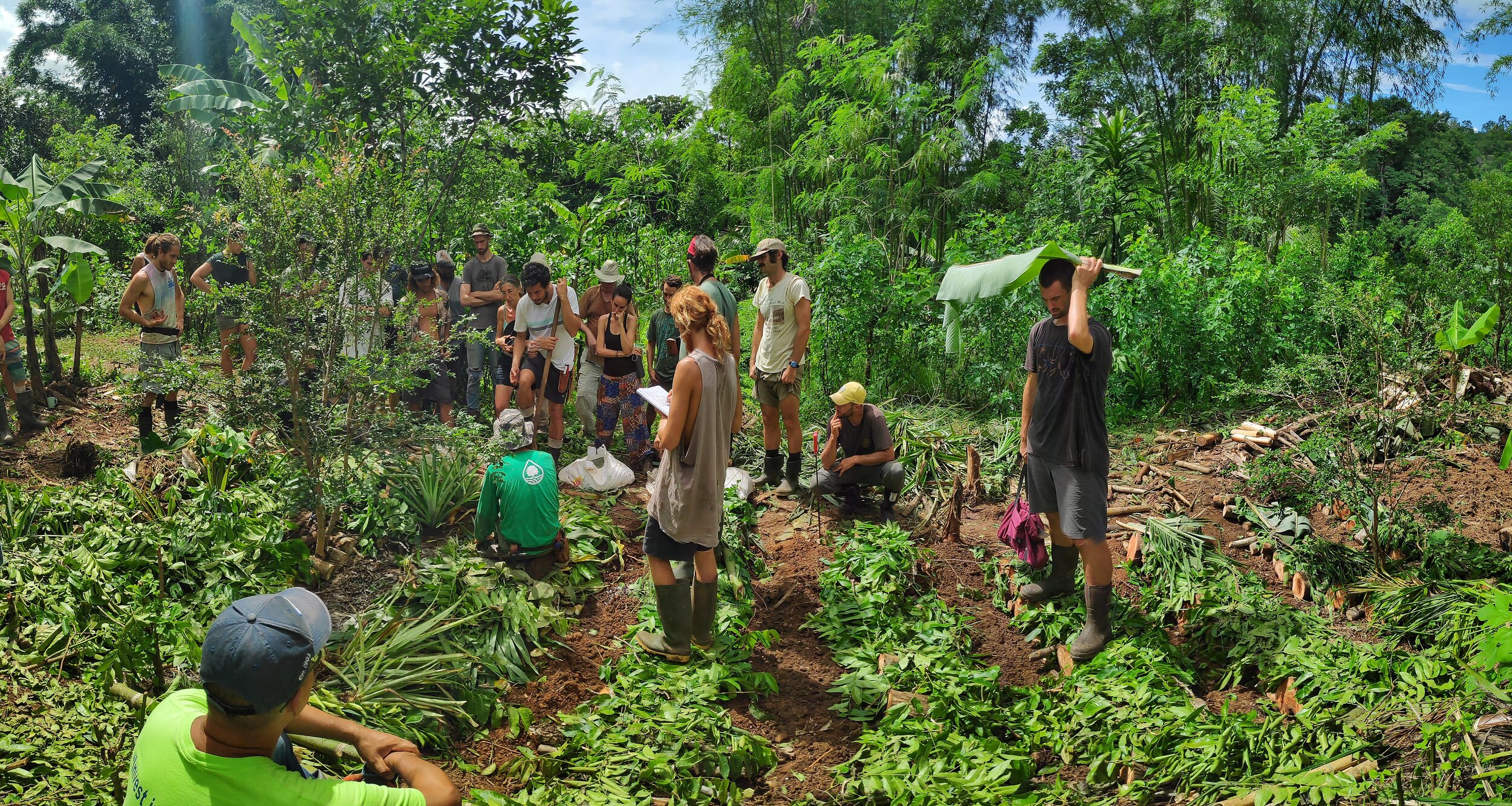
Syntropic farming workshop at Rancho Mastatal
In permaculture and agroforestry circles it’s common to hear the idea that we’re not growing plants so much as we’re cultivating rich, healthy soils in which plants will do their own growing. Yet, to this end changing the make-up of soils seems like a daunting job. So how can we go about the task of improving our soils in a simple and efficient way that corresponds with permaculture principles?
The challenge of Tropical Soils
Soils in humid Tropical America are generally found to be eroded and leached. In this region’s ecosystems, about 85% of nutrients are held in plants and animals, so the soils themselves are infertile. Only terraces, floodplains, and new volcanoes keep some soil fertility replenished if land is cultivated (Mollison, 2004). This yields soils that are high in clay content, poor in nutrient content, and often quite acidic. As we say here at the Rancho Mastatal, a permaculture farm in Costa Rica, it’s soil that’s great for natural building, yet not ideal for growing an abundance of food.
The goal with soils like ours is to improve soil texture, increase mineral and nutrient content, reduce soil acidity, enrich microbial life, and increase the quantity of organic matter held in the soil.
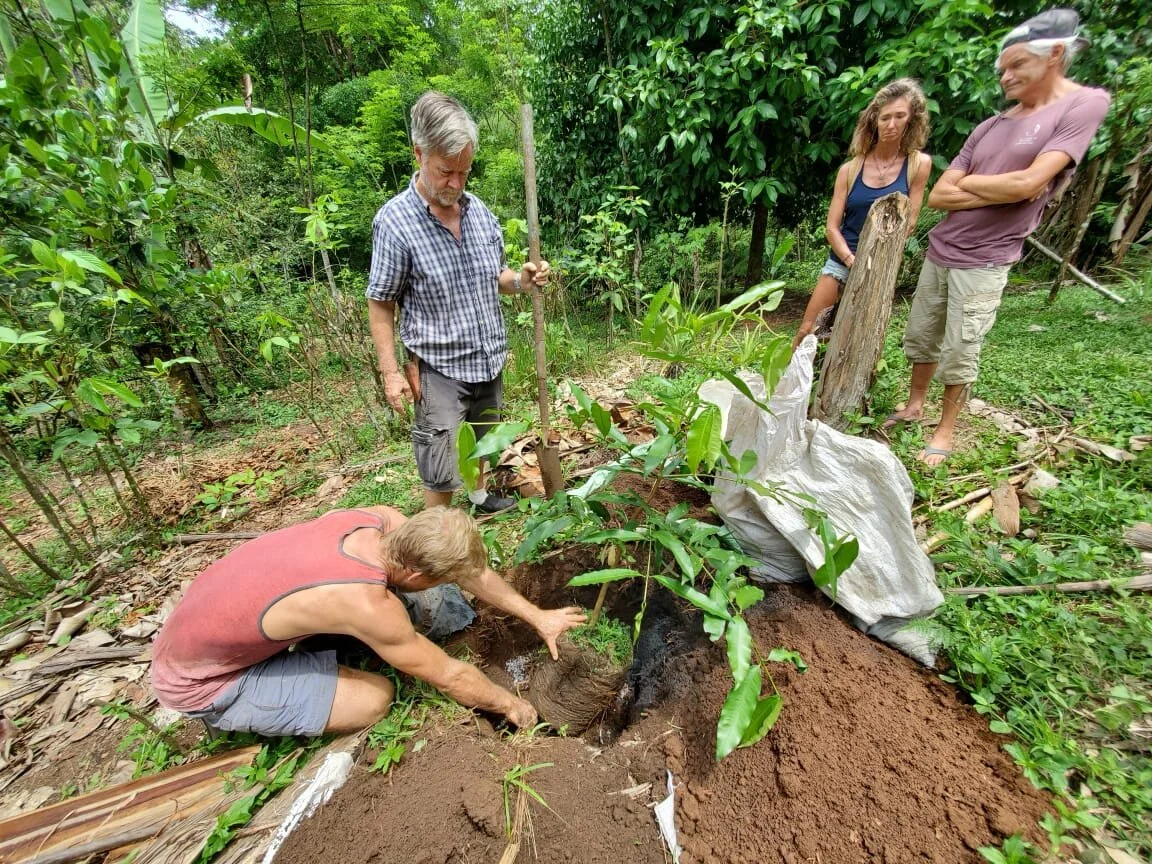
Planting a fruit tree during our annual Agroforestry Skills Workshop
Permaculture & Agroforestry based strategies
In a recent agroforestry workshop held at the Rancho Mastatal here in Costa Rica, a class that worked through concepts of a multi-strata, diverse style of permaculture, the holy trinity of soil amendments for the humid tropics was revealed. The three pillars of improving cultivated soils are
Biomass
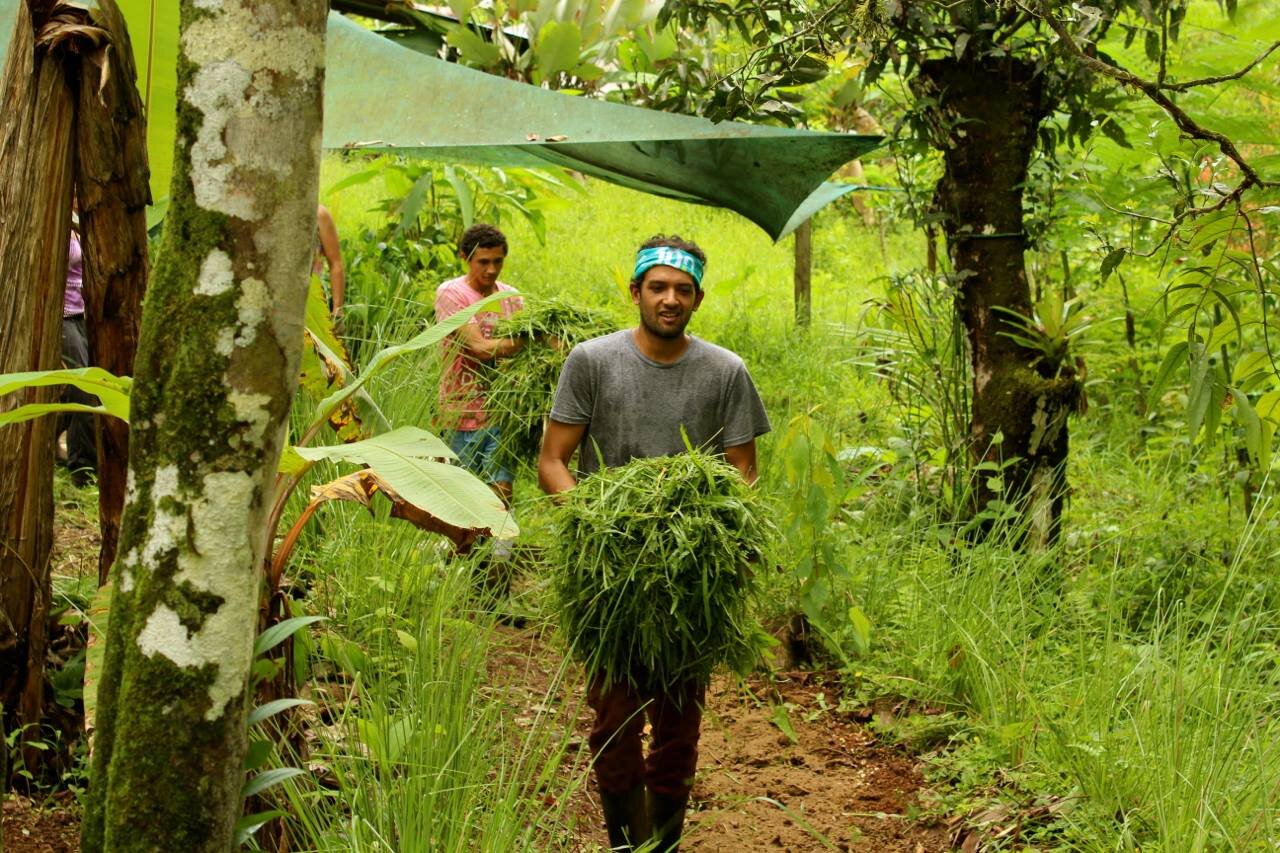
The strategy of biomass organized on contour (lines running perpendicular to the direction of the cultivated slope) is the most visible method used here at Rancho Mastatal to improve the soil’s structure and nutritional/mineral content, our ‘organic’ way of applying fertilizer. In the humid tropics, biomass tends to be available in great quantity, and can be used to build up the mentioned contours. Over time these will build to form terraces that greatly reduce soil loss related to erosion and leaching.
Mountain Microorganisms
Mountain microorganisms is a world of its own. Through the fermentation of leaf litter from nearby forests, we cultivate microorganisms which are then applied to our soils, the foliage of our plants, and our compost. We are reproducing healthy bacteria and yeast that, when used in our permaculture systems, will in turn help our plants absorb more nutritional benefit from our soils. To read in more depth about how to make Mountain Microorganisms read this article.
Biochar
Biochar will then provide a long-lasting refuge for these beneficial microorganisms. This is due to its incredibly high surface area within its structure. This special form of charcoal is extremely slow to break down and both directly provides nutrients and minerals to our soils as well as creating a positive feedback loop of topsoil production.
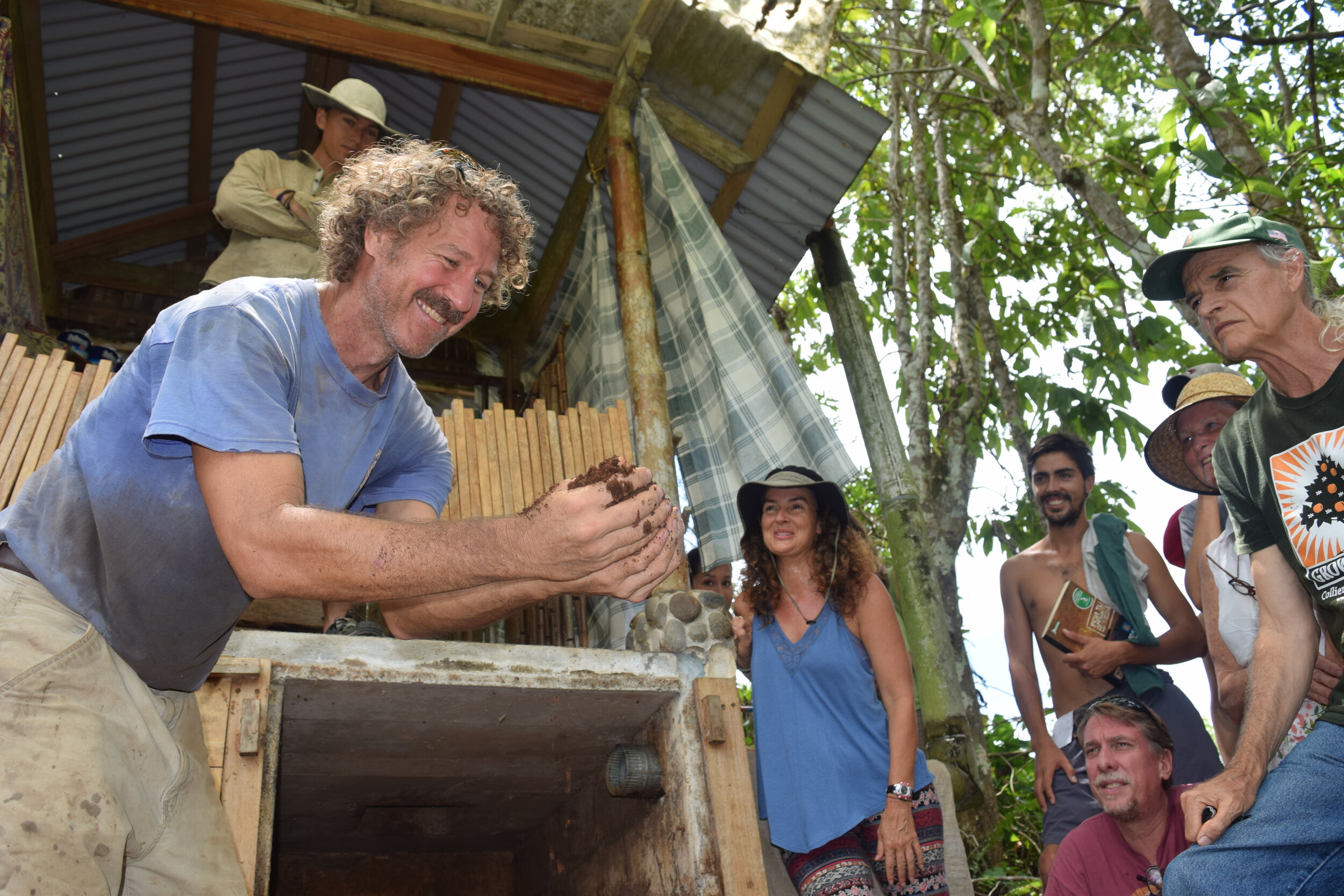
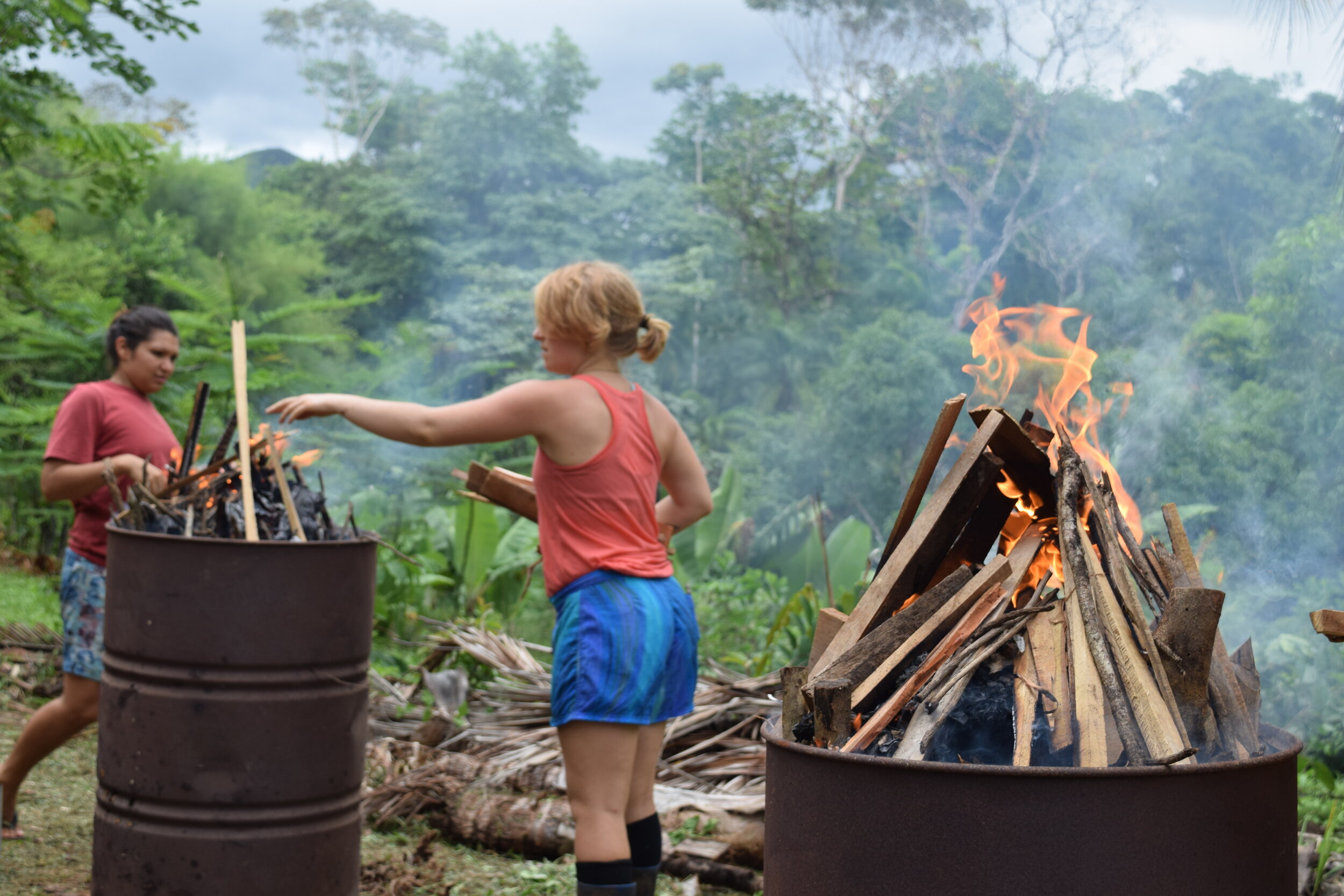
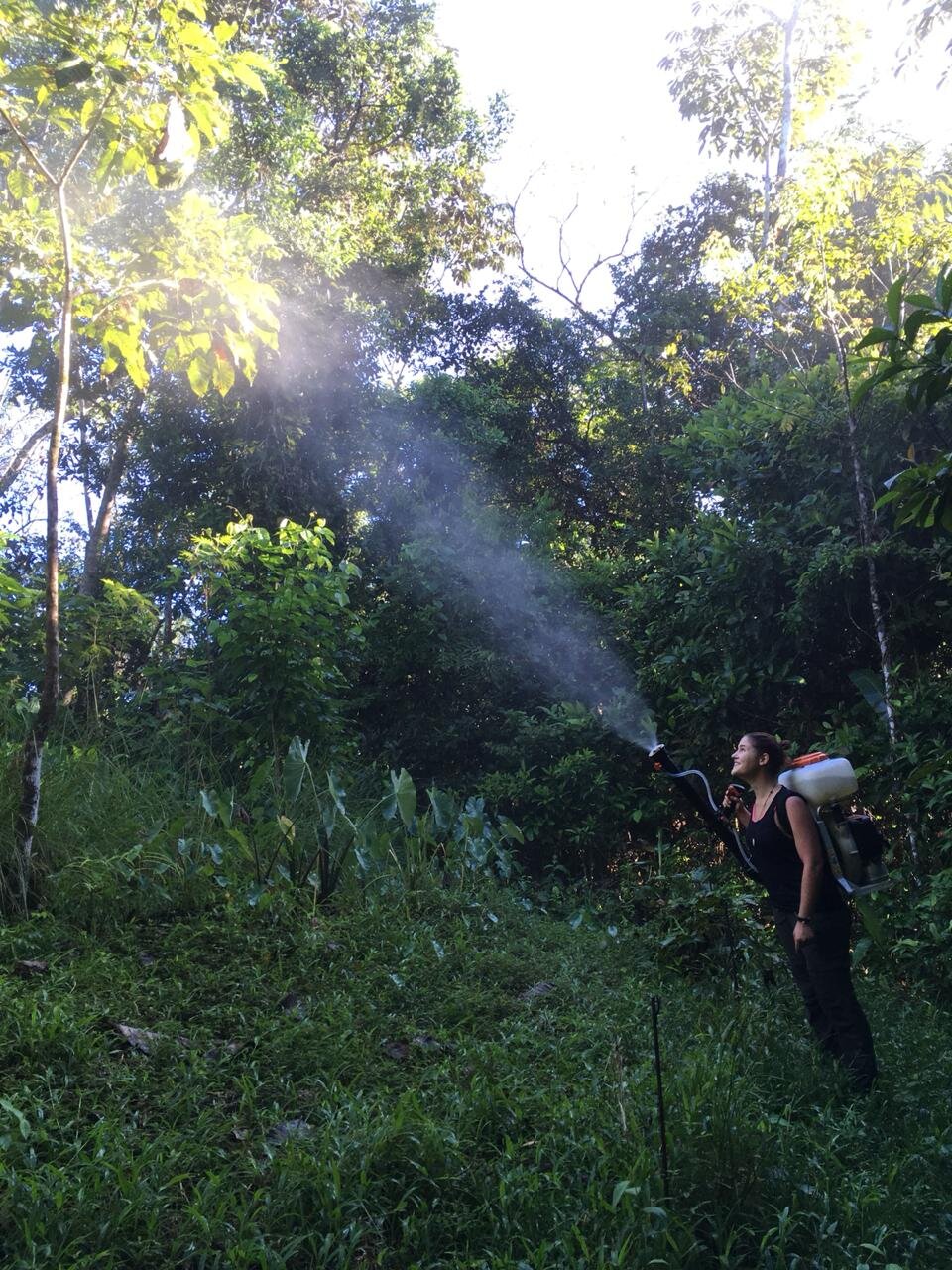
Many ways to develop tropical soils
There are other solid permaculture concepts for improving soils in the humid tropics that should be mentioned here. To deal with highly acidic soils, adding lime at regular temporal intervals is a useful strategy. We tend to avoid planting annuals while opting for perennials, by which we disturb the soil less and reduce potential erosion. Read our article about which perennial greens do well in the tropics here. Over time these plants will help build humus and topsoil. There are plenty of pro tips from the world of permaculture that you’ll find helpful, like adding shredded cane and bamboo species as a mulch for silica and calcium enrichment. This will in turn help to raise pH levels (lower acidity) of soils and reduce leaching and erosion. We add Humanure and effluent from our Biodigestors, this helps build our soil and use commonly wasted products to grow food!
Want to Learn More?
If you’re interested in agricultural concepts such as improving soils, make sure to check out Rancho Mastatal’s workshops, including:
Past Blogs on Soil and Permaculture in the Tropics
We have a lot of past blogs on this topic. Here are a few to read:
Applied Permaculture Principles

Our apprentices doing some chop and drop in the orchards
Categories
Topics
- Agriculture 6
- Agroforestry 21
- Animals 2
- Apprenticeship 19
- Appropriate Technology 6
- Backpacking 1
- Bananas 1
- Basic Pantry 4
- Biochar 1
- Books 3
- Build Your Own Home 1
- Central America 5
- Chiles 1
- Cinnamon 1
- Clay Carving 1
- Climate 2
- Climate Change 1
- Cob oven 1
- Communication 5
- Community 24
- Compost 2
- Composting Toilets 2
- Condiments 1
- Conservation 2
- Cooking 4
- Costa Rica 18
- Design 10
- Earthen Construction 10
- Eat Local 2
- Ecohome 1
- Education 9
- Environment 3
- Ethics 4
- Farm to Table 12
- Fasting 1
- Fermentation 14
- Food 22
- Food Choices 8
- Food Forest 8
- Food Processing 15
- Food Systems 12
- Gap Year 1
- Gardening 5
- Ginger Beer 1
- Harvest 2
- Health 12
- Healthy living 5
- Homemade 2
- Homestead 8
- Internet 2